8 French Dishes That Surprise First Time Tasters

French cuisine has a reputation for elegance, but some of its most beloved dishes surprise first-time tasters in unexpected ways. Ingredients that sound unusual, techniques that challenge assumptions, and flavors that unfold slowly all play a role in this experience. These dishes are not designed to shock. They are rooted in tradition, resourcefulness, and a deep respect for ingredients. Once tasted, hesitation often turns into appreciation. Understanding what makes these foods special helps reveal why French cooking values patience, balance, and craft over first impressions, and why so many surprising dishes have become enduring classics.
1. Escargots

Escargots often cause hesitation because snails are not commonly eaten in many cultures, yet in France, they are treated as a vehicle for flavor and technique rather than novelty. The snails themselves have a mild, earthy taste and a tender, slightly chewy texture. What defines the dish is the garlic butter, typically blended with parsley and sometimes shallots. The snails are baked in their shells until bubbling hot, allowing the butter to infuse deeply. Diners are meant to use bread to soak up the sauce, which is considered just as important as the snail. Historically, escargots were a practical protein source, especially in rural regions.
2. Steak Tartare
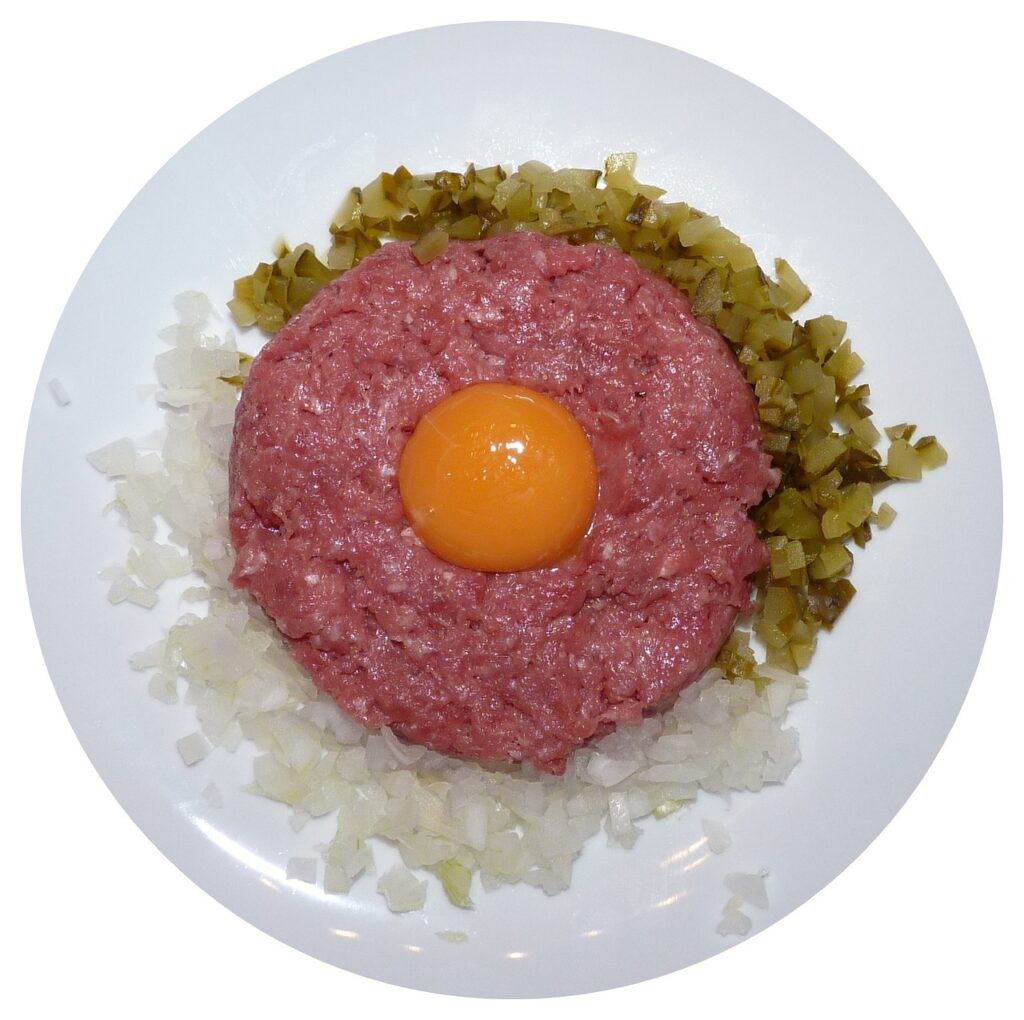
Steak tartare surprises first-time tasters mainly because it challenges assumptions about raw meat. In French cuisine, freshness and handling matter more than cooking temperature. High-quality beef is finely chopped or minced just before serving to preserve texture and flavor. It is then seasoned with mustard, capers, onions, pepper, and often a raw egg yolk mixed in at the table. The result is rich but clean tasting, with no heaviness. The seasoning enhances the meat rather than masking it. Texture is key, as the meat should feel silky rather than mushy. Steak tartare developed from traditions of eating fresh meat simply and respectfully.
3. Frog Legs
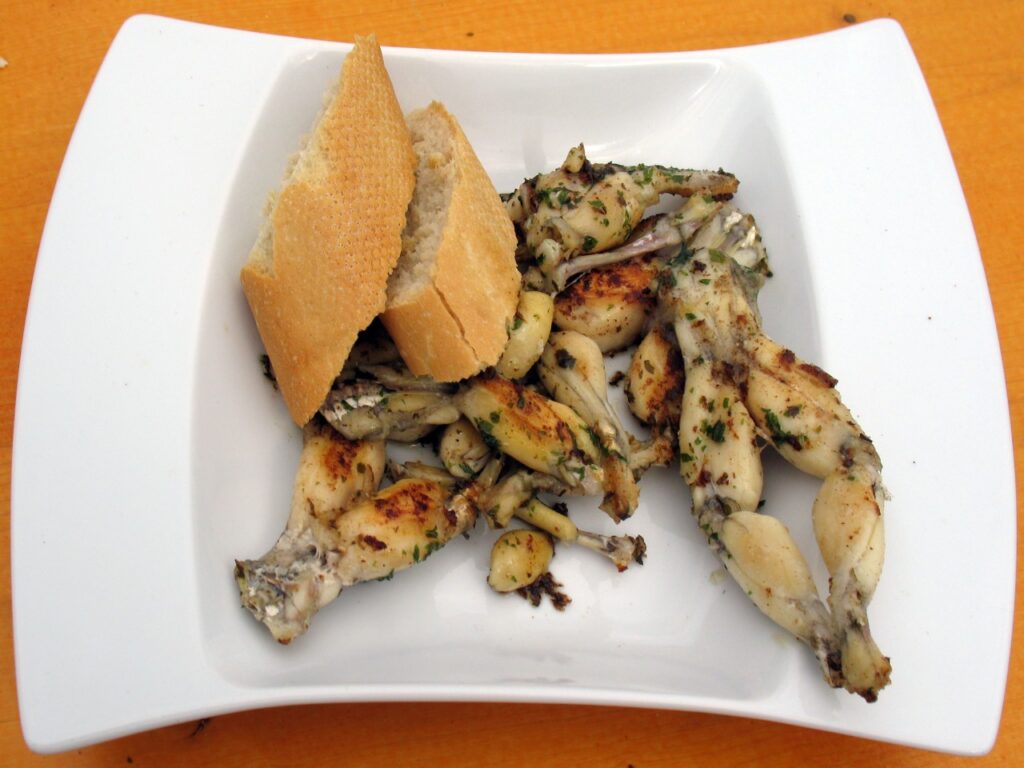
Frog legs often surprise diners because they sound exotic, yet their flavor is mild and approachable. The meat is lean, delicate, and subtly sweet, closer to chicken or fish than anything unfamiliar. In France, frog legs are typically sautéed in butter with garlic and herbs, allowing their natural flavor to shine. They cook quickly and should remain tender, not chewy. Historically, frog legs were eaten in regions where they were readily available, making them a practical rather than luxurious choice. Their reputation comes more from rarity than taste. When served properly, frog legs are light and elegant, with crisp edges and juicy flesh.
4. Andouillette
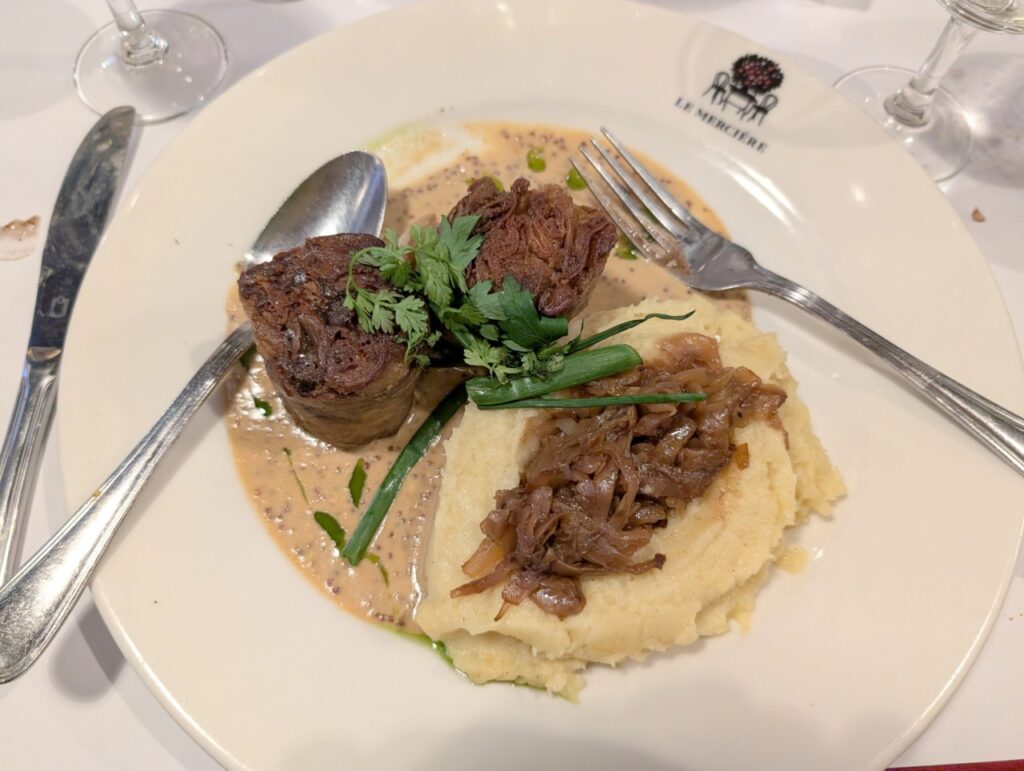
Andouillette is one of the most challenging French dishes for newcomers because it does not soften its identity. Made primarily from pork intestines, it has a strong aroma and a coarse texture that reflects traditional charcuterie methods. Unlike modern sausages designed for mildness, andouillette celebrates boldness. It is usually grilled or pan-fried and served with mustard or a simple sauce to balance its intensity. The flavor is deeply savory and unmistakably pork-forward. Andouillette originated as a way to use the whole animal, which remains a core value in French cooking. Fans appreciate its honesty and rustic character.
5. Beef Bourguignon

Beef bourguignon often surprises diners because it defies expectations of heaviness. While it appears rich, the long cooking process transforms tough cuts of beef into tender, flavorful pieces without greasiness. The dish relies on red wine, onions, carrots, and herbs to build depth slowly. The wine reduces and mellows, losing harshness and gaining richness. Mushrooms added near the end provide freshness and texture. Traditionally, this dish was a way to make inexpensive meat satisfying through patience rather than excess. Properly made beef bourguignon tastes balanced and comforting, not dense. The surprise lies in how refined it feels despite its humble origins.
6. Bouillabaisse

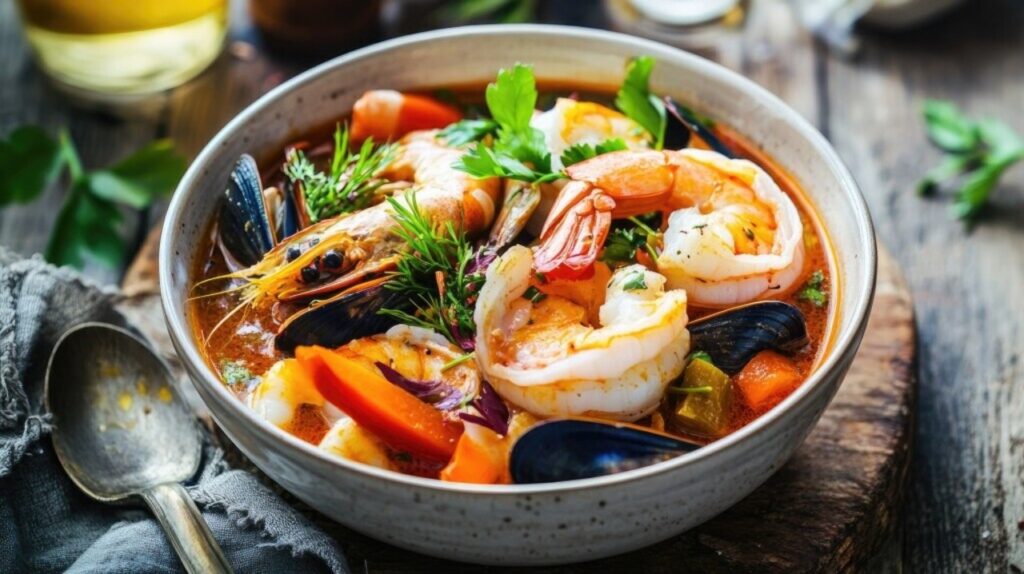
Bouillabaisse is often misunderstood as a generic fish stew, but it is far more structured and intentional. Originating in coastal southern France, it was created by fishermen using unsold catch. The dish relies on multiple types of fish, shellfish, tomatoes, fennel, saffron, and aromatics. Each element is added in stages to preserve texture and clarity. The broth is bold and fragrant, not muddy or heavy. Bouillabaisse is traditionally served in courses, with broth first and fish after, often accompanied by rouille and bread. The surprise comes from its intensity and complexity. Rather than blending flavors into one note, it highlights contrast and freshness, making it rustic and refined.
7. Croque Monsieur

At first glance, croque monsieur appears to be nothing more than a ham and cheese sandwich. The surprise emerges in its construction. Thick bread is layered with ham and cheese, then topped with béchamel sauce and baked or grilled until golden. The béchamel adds richness and moisture, while the exterior becomes crisp. This transforms a simple sandwich into something indulgent and structured. Croque monsieur became popular in cafes because it was filling, quick, and comforting. Its appeal lies in balance rather than novelty. The sauce elevates familiar ingredients without overpowering them. Many diners are surprised by how satisfying it feels compared to its simple appearance.
8. Duck Confit
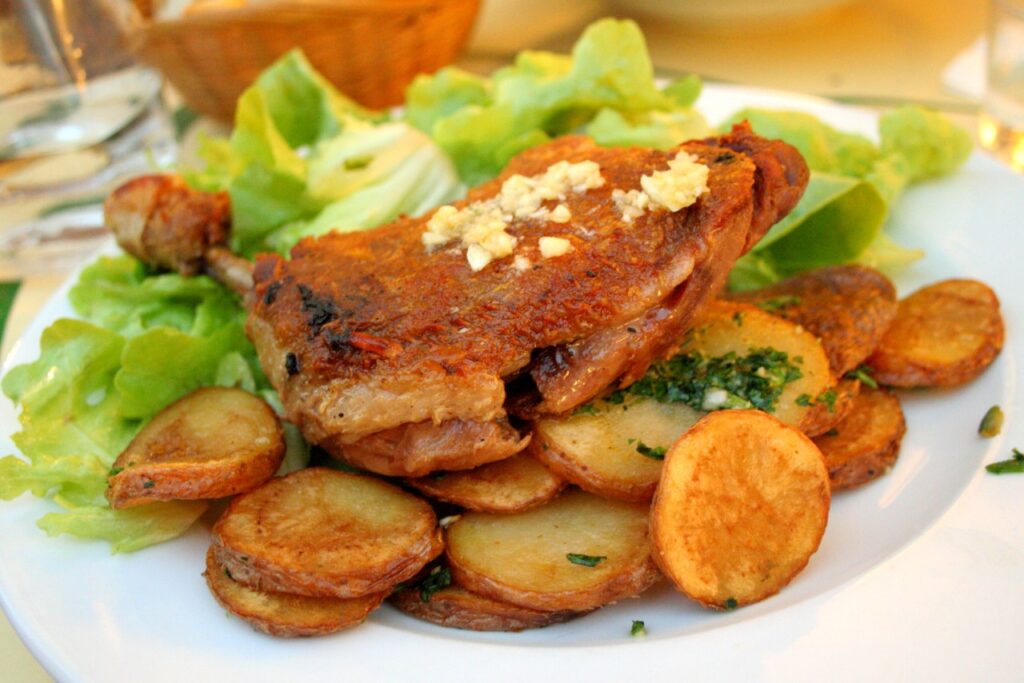
Duck confit often sounds excessive because it involves cooking duck slowly in its own fat. In reality, this method was developed for preservation and results in remarkable texture. The duck is salted and cooked gently until tender, allowing fat to render slowly. When reheated, the skin crisps while the meat remains moist. Despite its richness, properly prepared duck confit tastes clean and balanced. Excess fat drains away during finishing. Traditionally served with potatoes or greens, it feels hearty without being heavy. The surprise comes from how restrained it feels compared to how indulgent it sounds.