8 English Breakfast Ideas That Sound Strange but Taste Great

English breakfast culture has always favored comfort, nourishment, and practicality over novelty. Many traditional morning dishes were shaped by long workdays, limited ingredients, and a desire to start the day feeling full and steady rather than rushed. As a result, some classic combinations can sound unusual to modern ears, especially outside the UK. Fish for breakfast, savory spreads on toast, or vegetables fried alongside eggs may seem unexpected, yet each choice has a clear purpose rooted in flavor, nutrition, and habit. What makes these breakfasts endure is how well they work. They balance richness with simplicity, salt with warmth, and texture with substance.
1. Black Pudding With Eggs

Black pudding often sounds intimidating because of its name and ingredients, but its role in an English breakfast is deeply practical. Made from pork blood, oats, fat, and spices, it was designed to use every part of the animal and provide long-lasting energy. When sliced and fried, black pudding develops a crisp outer layer while staying soft and crumbly inside. Its flavor is savory, slightly earthy, and gently spiced rather than strong or metallic as many expect. Paired with eggs, especially with runny yolks, it becomes balanced and comforting. The richness of the yolk softens the saltiness of the pudding, creating a hearty but satisfying bite.
2. Beans on Toast

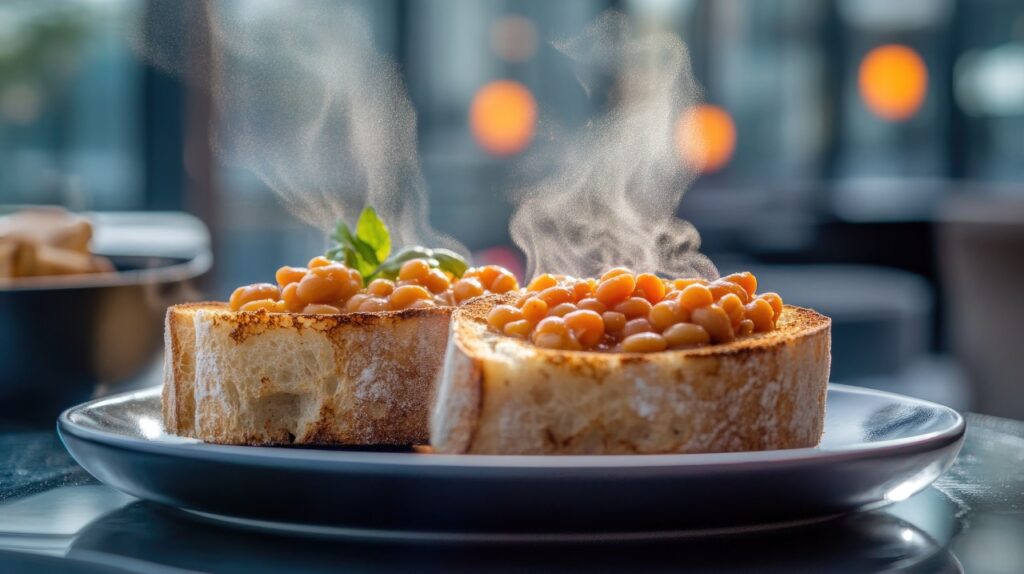
Beans on toast is a dish built around simplicity and reliability rather than novelty. The baked beans used in England are mild, tomato-based, and lightly sweet, very different from heavily spiced or sugary versions found elsewhere. When spooned over hot buttered toast, the sauce soaks into the bread, creating a soft center with crisp edges. This contrast is part of its appeal. It is filling without being heavy and provides protein, fiber, and warmth in one bowl. Beans on toast became popular because it was affordable, quick, and accessible, especially during times when food budgets were tight. Its lasting popularity comes from comfort rather than excitement.
3. Kedgeree

Kedgeree reflects England’s culinary history rather than eccentric taste. Originally inspired by South Asian rice dishes, it evolved into a breakfast classic using smoked fish, rice, eggs, and warming spices. Smoked haddock gives the dish depth without overpowering it, while rice provides structure and comfort. Hard-boiled eggs add richness, and a small amount of curry spice offers warmth rather than heat. Kedgeree is traditionally lightly buttered, which ties the elements together. It is filling but not heavy, making it ideal for a slow morning or weekend breakfast. Many first-time eaters are surprised by how balanced it tastes. The dish succeeds because each component has a clear role.
4. Bubble and Squeak

Bubble and squeak began as a practical solution to leftovers, not a planned breakfast dish. Traditionally made from cooked potatoes and cabbage, it now often includes carrots, peas, or Brussels sprouts. The vegetables are chopped, shaped into patties, and fried until golden. The result is crisp on the outside and soft inside, with a savory, slightly sweet flavor from the vegetables. The name comes from the sounds it makes while frying, not from the ingredients. Bubble and squeak is often served with a fried egg, which adds richness and moisture. Its appeal lies in texture and comfort rather than complexity. It is proof that breakfast does not need sweet flavors to feel satisfying.
5. Marmite on Toast

Marmite’s reputation comes from misunderstanding more than flavor. Made from yeast extract, it is intensely savory and salty, which means it should be used sparingly. Spread thinly over hot buttered toast, it melts into the butter and creates a deep umami taste rather than bitterness. The key is restraint. Thick layers overwhelm, while a light touch enhances. Marmite became popular during times when nutrition mattered more than indulgence, as it is rich in B vitamins. Its strong flavor wakes up the palate and pairs well with tea, eggs, or cheese. People who enjoy savory foods often appreciate them once they understand how to use it properly.
6. Kippers
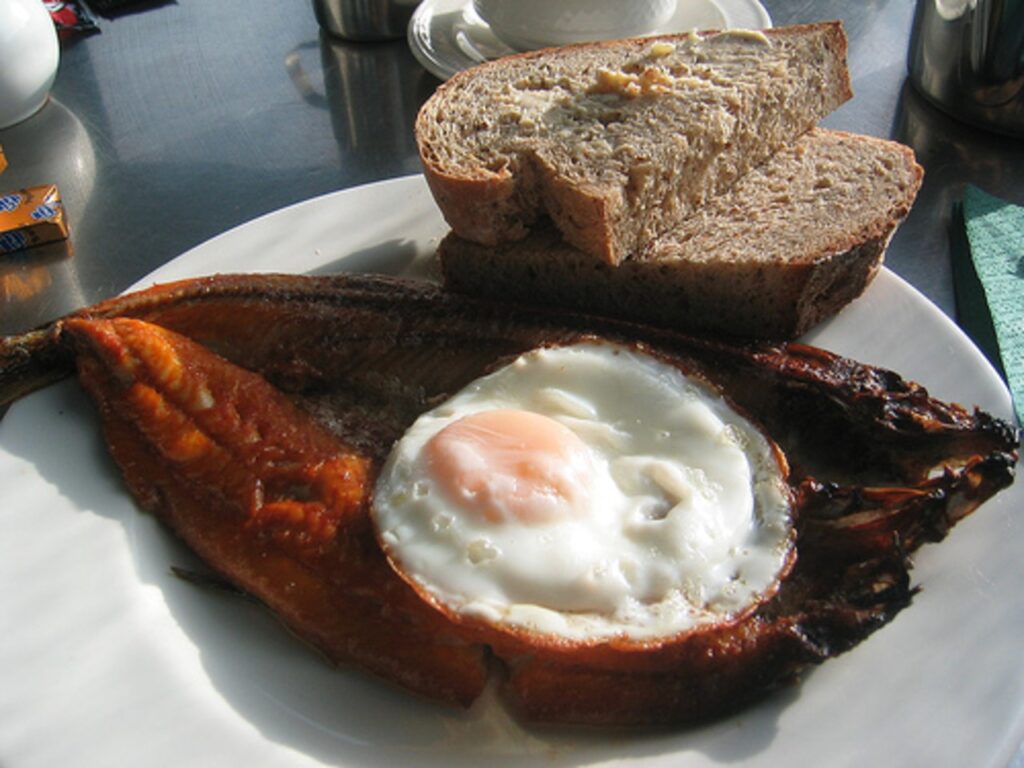
Kippers are smoked herring that offer a very different breakfast experience from sweet or bread-based options. The fish is split, cured, and smoked, giving it a gentle smokiness rather than a harsh fish flavor. When heated and served with butter or lemon, kippers are rich but clean tasting. They are high in protein and healthy fats, making them a sustaining breakfast rather than a novelty. Kippers were especially common in coastal areas where fish were abundant and affordable. Their reputation for being strong often comes from overcooking or poor quality. When prepared correctly, they are delicate and satisfying.
7. Fried Bread

Fried bread is exactly what it sounds like, but its appeal is about texture rather than indulgence alone. Bread is fried in butter, oil, or meat drippings until golden and crisp. The outside becomes crunchy while the inside stays soft. It absorbs flavor and pairs well with eggs, mushrooms, or tomatoes. Fried bread became popular as part of a full English breakfast because it used the cooking fat already in the pan. It is filling and comforting, especially on cold mornings. While it is richer than toast, it is eaten in moderation and as part of a larger plate. The idea may sound heavy, but the result is balanced when paired with lighter elements like vegetables or eggs.
8. Mushrooms With Worcestershire Sauce

Mushrooms cooked for an English breakfast are treated as a savory highlight rather than an afterthought. When sautéed, mushrooms release moisture and develop deep flavor. A small splash of Worcestershire sauce adds tang, salt, and umami, enhancing the natural earthiness of the ingredients. The sauce contains vinegar and anchovies, which brighten the mushrooms rather than overpower them. This combination works well because mushrooms absorb flavor easily. The result is juicy, savory, and deeply satisfying. It pairs naturally with eggs and toast, adding balance to richer items on the plate. While it may sound odd to add sauce at breakfast, the flavor profile is gentle and familiar.