How Delivery App Fees Are Changing the True Cost of Takeout

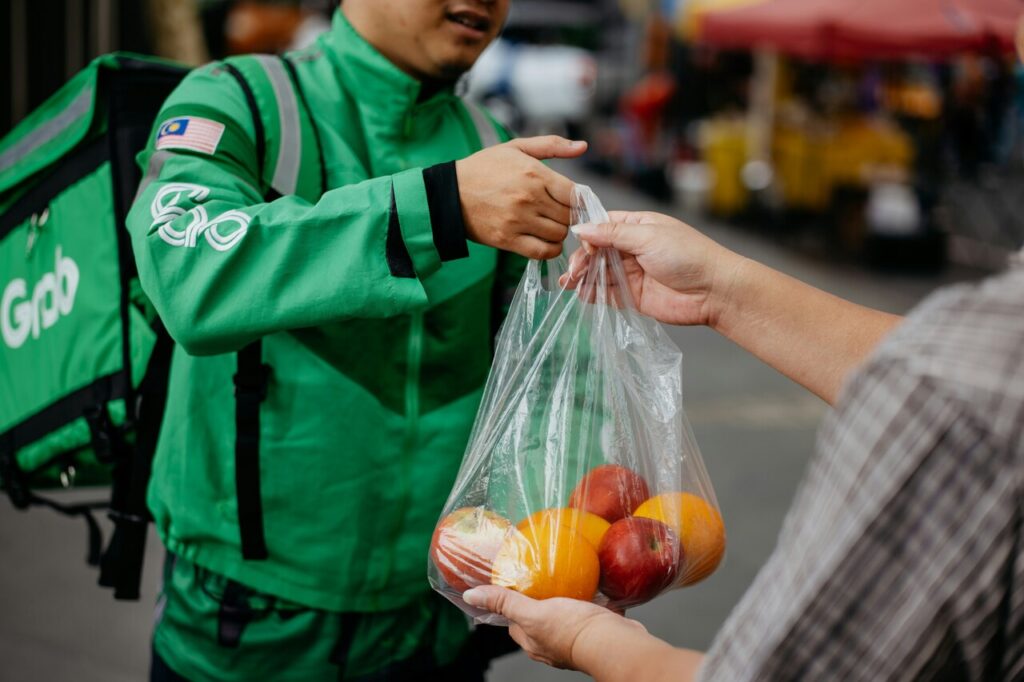
Ordering takeout through a delivery app has become one of the easiest ways to enjoy restaurant meals at home. With a few taps on a phone, customers can browse menus, place an order, and track their food as it travels to the door. Yet the final bill often tells a different story. Delivery fees, service charges, tips, and higher menu prices can quietly increase the cost of a meal. For restaurants, platform commissions also reshape how food is priced online. Together, these factors reveal the true cost behind the convenience of modern takeout.
The Commission Squeeze
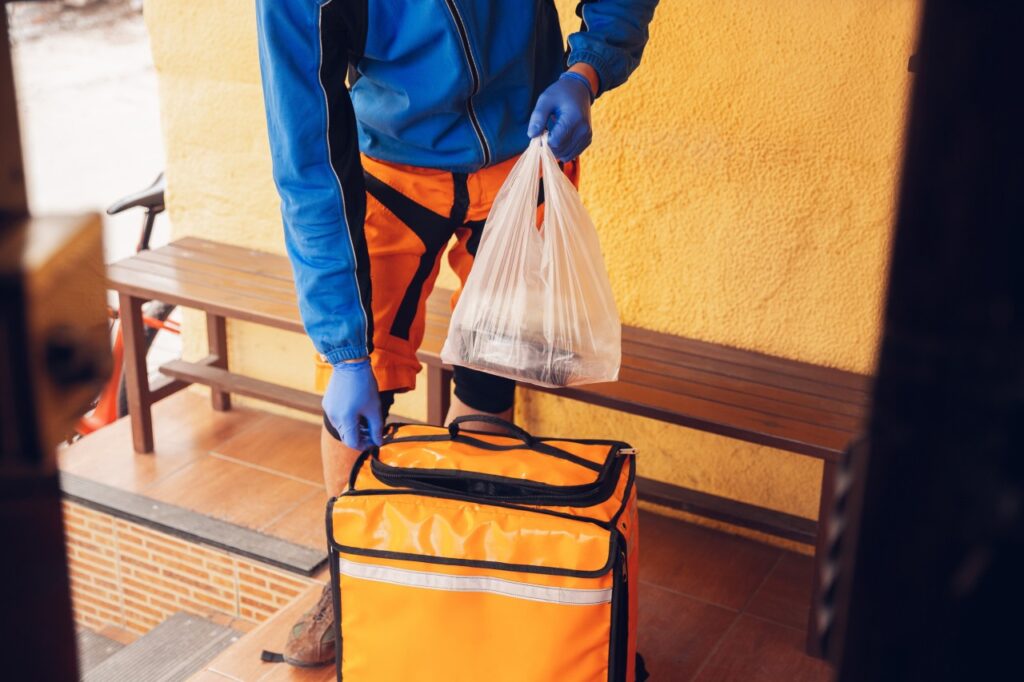
Behind every delivery order sits a financial arrangement between the restaurant and the delivery platform. Most major apps charge restaurants a commission for every order placed through the service. These commissions can be substantial and often represent one of the largest costs associated with delivery orders. While the apps provide exposure and logistics, the percentage taken from each sale significantly affects restaurant earnings. Many restaurant owners describe these commissions as a necessary expense rather than an optional service. Without access to the platforms, some restaurants would lose visibility among digital customers. At the same time, paying a large share of revenue for each order can quickly limit profits.
Many restaurant operators report that these commissions can range from moderate to very high, depending on the service agreement. Because restaurants already operate on thin profit margins, losing a large portion of each order to platform fees can quickly reduce profitability. Even popular restaurants must carefully evaluate whether delivery orders actually generate meaningful profit after commissions are deducted. A high order volume does not always translate into strong earnings. In some cases restaurants rely on delivery mainly to maintain customer visibility. Owners often analyze the cost of each order to determine whether it remains worthwhile. This careful calculation has become part of modern restaurant management.
This situation creates a difficult balance for restaurant owners. Delivery apps can introduce a restaurant to new customers who might not have discovered it otherwise. At the same time, the financial cost of appearing on these platforms can strain already tight budgets. For many businesses, delivery partnerships remain necessary even when the margins are not ideal. Restaurants must weigh the benefit of exposure against the cost of each transaction. Some operators treat delivery as a marketing channel rather than a primary revenue source. Others try to negotiate better terms with the platforms. The outcome of these decisions can shape the long-term sustainability of the business.
Why Menu Prices Rise Online
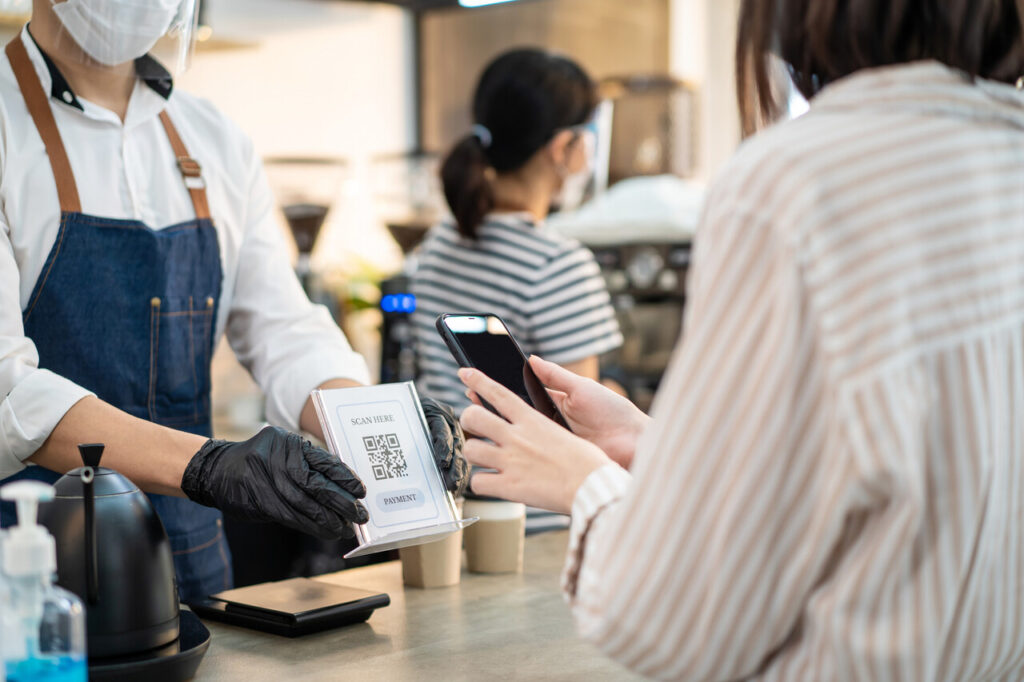
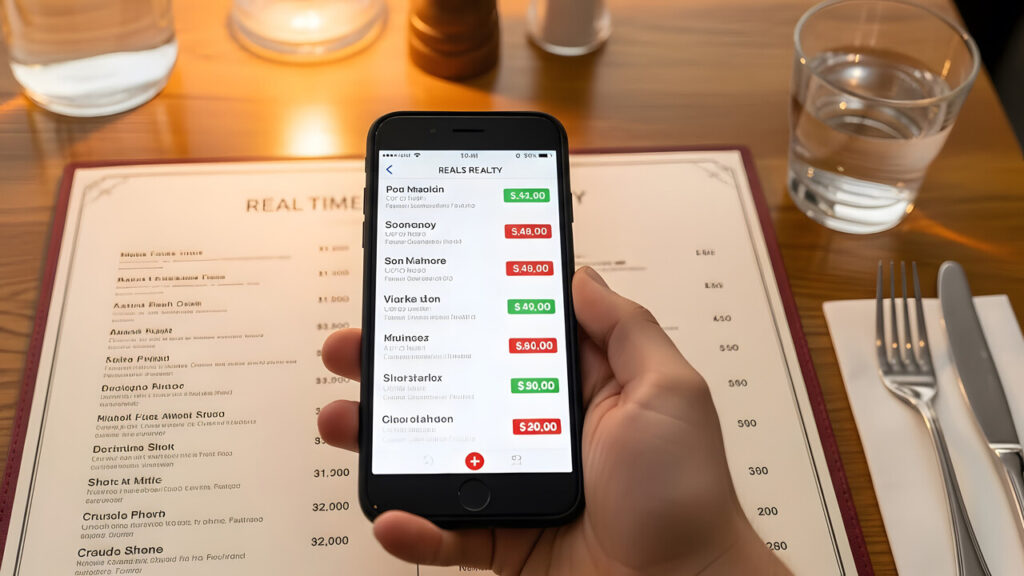
Customers sometimes notice that the same meal costs more on a delivery app than it does in the restaurant itself. This difference is not accidental. Many restaurants raise their online menu prices slightly to compensate for the commissions charged by delivery platforms. Without this adjustment, a restaurant might lose money on every order placed through the app. The higher price helps restore a portion of the revenue lost through commissions. It also allows the restaurant to maintain its original dine-in pricing. Many customers remain unaware that these adjustments exist. The difference becomes visible only when someone compares menus closely.
Higher digital menu prices help restaurants offset the portion of revenue taken by the platform. By increasing prices on delivery menus, restaurants can recover some of the commission without drastically affecting their base pricing for dine-in guests. This strategy has become increasingly common as delivery platforms have grown more dominant in the food industry. Restaurants see it as a practical way to protect their margins. Without these adjustments, the economics of delivery would become unsustainable. Some restaurants apply small increases across the entire menu. Others raise prices only on specific items that are frequently ordered through delivery.
For customers, this means the cost of a meal ordered through an app may already be higher before any delivery fees are added. When the adjusted menu price combines with service charges and tips, the total bill can differ significantly from the price listed inside the restaurant. This layered pricing structure contributes to the growing perception that takeout has become more expensive. Diners may initially focus on the menu price shown in the app. The final amount often appears much higher once checkout begins. This difference sometimes surprises people who order delivery for the first time. Over time, customers become more aware of how digital pricing works.
The Layers of Checkout Fees
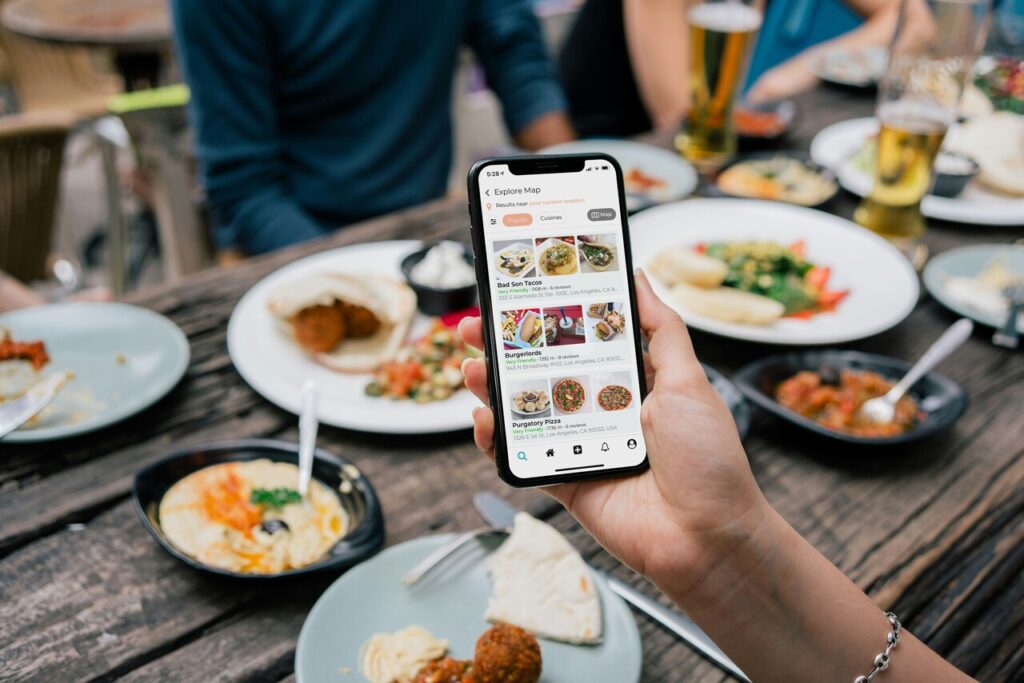
One of the most noticeable aspects of delivery apps is how many charges appear during checkout. In addition to the food price itself, customers often see delivery fees, service charges, and sometimes small order fees. These additional costs can accumulate quickly as the order moves through the payment process. Each fee serves a different operational purpose for the platform. Some charges help support driver payments and logistics systems. Others contribute to the digital infrastructure that powers the app. Together, these fees form the financial structure behind delivery services.
Delivery fees typically vary depending on distance, demand, and the specific restaurant. Service fees are often calculated as a percentage of the order total and help support the operation of the platform. Some apps also apply extra charges when an order does not reach a certain minimum amount. Each of these layers adds to the final price of the meal. During busy periods, fees may increase due to higher demand. Customers may also see temporary charges during peak hours. These adjustments help platforms manage driver availability. The result is a pricing system that changes depending on conditions.
The result is that the total cost of delivering food can look very different from the menu price shown at the beginning of the order. Customers may start with a modest order but end up paying noticeably more once all charges appear. This process highlights how delivery convenience comes with multiple hidden costs. Many users now expect the final price to be higher than the initial menu total. Some customers review the entire checkout screen before confirming an order. Others adjust their purchase once they see the additional charges. These reactions show how pricing transparency influences ordering decisions.
The Restaurant Profit Challenge
Restaurants operate on relatively thin margins even under normal circumstances. Food costs, labor, rent, and utilities already consume a large portion of their revenue. When delivery platforms take a significant commission from each order, the remaining profit can shrink quickly. This financial pressure affects both small independent restaurants and larger chains. Every order must cover production costs before generating profit. If the margin becomes too small, delivery may no longer be sustainable. Owners, therefore, examine delivery performance carefully. Many operators regularly review sales data to understand how delivery affects their bottom line.
In some cases, the revenue from a delivery order may barely cover the cost of producing the meal. Restaurants must still pay for ingredients, kitchen labor, packaging, and overhead. If commissions are high, the remaining earnings from each order may be much smaller than what the restaurant earns from dine-in guests. Packaging costs also add to the total expense of delivery orders. Containers, bags, and utensils increase operational spending. These materials are necessary to maintain food quality during transport. However, they reduce the margin even further. Many restaurants now calculate packaging costs separately to better understand delivery profitability.
Despite these challenges, many restaurants continue working with delivery platforms because of the exposure they provide. Being listed on a popular app can bring in customers who might not otherwise discover the restaurant. The trade-off between visibility and profitability remains one of the most complicated decisions restaurant owners face. Some businesses treat delivery primarily as a marketing opportunity. Others rely on it to reach customers outside their immediate neighborhood. These strategic choices vary depending on the restaurant’s goals. Each operator must find the balance that works for their business. In many cases, delivery still plays an important role in maintaining overall sales volume.
Convenience Versus Cost
Even as delivery prices rise, customer demand for convenience continues to grow. Ordering through an app eliminates the need to travel, wait in line, or spend time cooking. For many people, the ease of tapping a few buttons and having food arrive at the door is worth the additional cost. The simplicity of the process makes it appealing to busy households. Customers can browse menus and track orders in real time. This level of convenience was rarely available before digital platforms became widespread. The experience feels efficient and predictable. Many customers now see delivery as a normal part of everyday life.
Modern lifestyles often prioritize time savings. Busy professionals, families, and students may choose delivery because it fits more easily into their schedules. The value of convenience can sometimes outweigh the extra fees attached to the order. Many customers view delivery as a service rather than a basic purchase. They are paying not only for food but also for time and comfort. This mindset helps explain why delivery demand continues to grow. Convenience has become an essential feature of modern dining habits. For many people, the extra cost feels justified by the ease of the experience.
This shift in behavior has helped delivery apps maintain strong popularity despite increasing costs. Many customers understand that delivery is more expensive than picking up food themselves. However, the comfort and efficiency of the service keep people returning to the apps. Users often factor delivery into their regular budgets. Some treat it as an occasional luxury rather than a daily habit. Others rely on it frequently because of busy routines. These different usage patterns reflect the broad appeal of delivery platforms. The flexibility of app-based ordering continues to attract a wide range of customers.
The Rise of Direct Ordering
Some restaurants have started exploring ways to reduce their dependence on third-party delivery platforms. One strategy involves creating their own digital ordering systems through websites or mobile apps. These direct channels allow customers to place orders without going through a delivery marketplace. By controlling the ordering process, restaurants regain ownership of customer relationships. They also gain access to valuable data about purchasing habits. This information can guide marketing strategies. Direct systems therefore offer both financial and strategic benefits. Restaurants can also communicate promotions more effectively through their own platforms.
By encouraging direct orders, restaurants can avoid the high commissions associated with external platforms. This allows them to keep a larger share of the revenue from each sale. Some restaurants also offer loyalty rewards or discounts to customers who order directly. These incentives encourage customers to shift away from third-party apps. Restaurants often promote direct ordering through email campaigns and social media. Clear communication helps customers understand the benefits of ordering directly. Over time, these efforts can build a strong base of repeat customers. Loyal customers are more likely to support restaurants through direct channels.
Building a direct ordering system requires investment in technology and logistics. Restaurants must manage online ordering tools and sometimes coordinate their own delivery drivers. Even with these challenges, many businesses see direct ordering as a valuable way to regain control over pricing and profits. Some restaurants partner with specialized software providers to simplify the process. Others rely on pickup orders rather than full delivery services. These approaches help reduce operational complexity. Direct ordering continues to grow as an alternative strategy. Many restaurant owners view it as a long-term solution to rising platform fees.
The Future of Takeout Pricing
The economics of food delivery continue to evolve as competition grows among platforms. Some services are experimenting with subscription programs that reduce delivery fees for frequent users. Others are adjusting commission structures or introducing new pricing models for restaurants. These changes reflect the ongoing effort to balance profitability with customer demand. Platforms must remain attractive to both diners and restaurant partners. Pricing innovations, therefore, play a central role in the industry’s development. Companies continue testing new approaches. Many platforms are also exploring partnerships with grocery and retail businesses.
At the same time, restaurants are becoming more strategic about how they participate in delivery platforms. Some limit the items available for delivery or adjust prices to protect their margins. Others focus on menu items that travel well and maintain quality during delivery. This selective approach helps restaurants maintain control over their brand reputation. Not every dish performs well during transport. Careful menu planning helps ensure consistent customer satisfaction. Restaurants, therefore, adapt their offerings to the realities of delivery. Some businesses even design special menus specifically for delivery orders.
As technology and consumer habits continue to change, the cost structure of delivering food will likely keep evolving. Customers may see new pricing models, membership programs, or alternative ordering systems in the future. What remains clear is that convenience has permanently reshaped how people think about takeout. Delivery services are now deeply embedded in modern dining culture. Restaurants and platforms will continue refining their strategies. The balance between cost and convenience will remain central to the industry’s future. Future innovations may reshape how customers pay for delivery services altogether.