7 Asian Desserts Made Without Milk or Cream

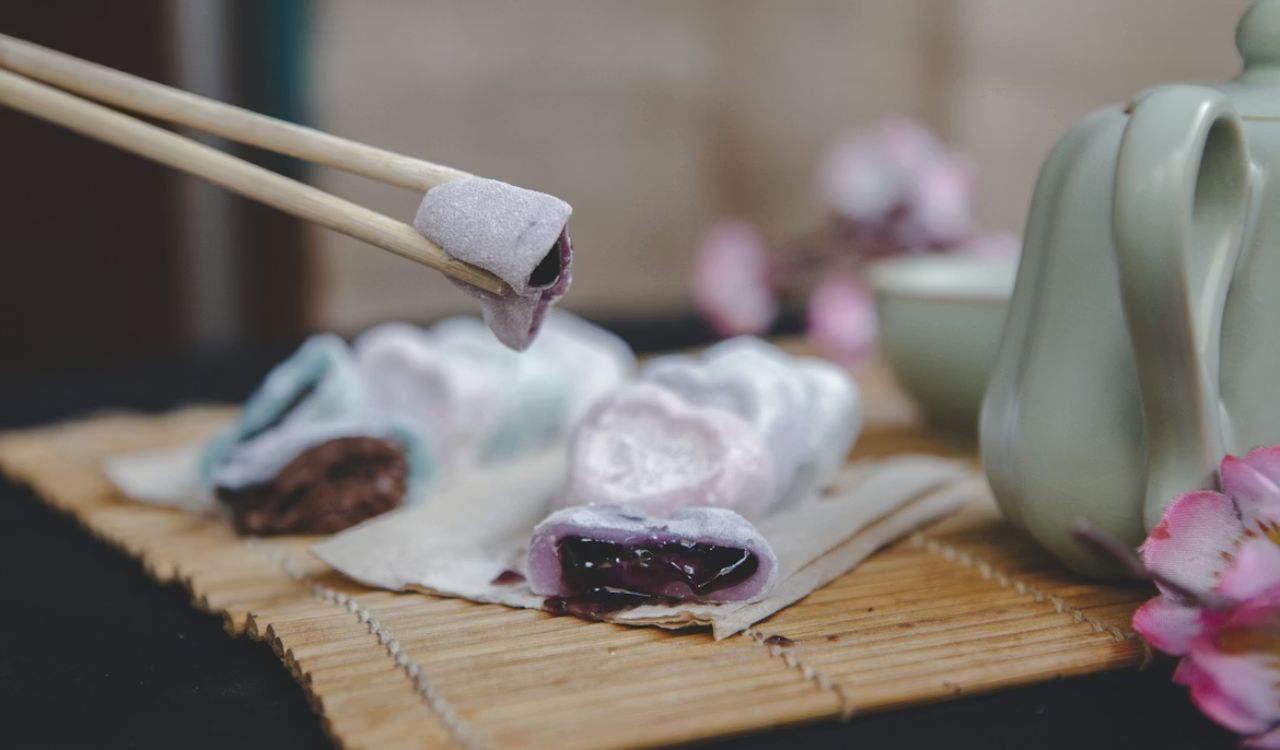
Asian desserts often surprise first time tasters, not because they lack richness, but because they achieve it without milk or cream. Long before dairy became common, cooks across Asia relied on rice, beans, fruit, coconut, and starch to create sweets that felt satisfying and complete. Climate and tradition favored steaming, boiling, and chilling over baking, placing texture at the center of dessert making. These treats highlight chewiness, silkiness, and gentle sweetness rather than heaviness. Today, they appeal to dairy avoiding eaters while offering a deeper look at how regional food traditions shaped flavor through technique, balance, and restraint.
1. Mochi
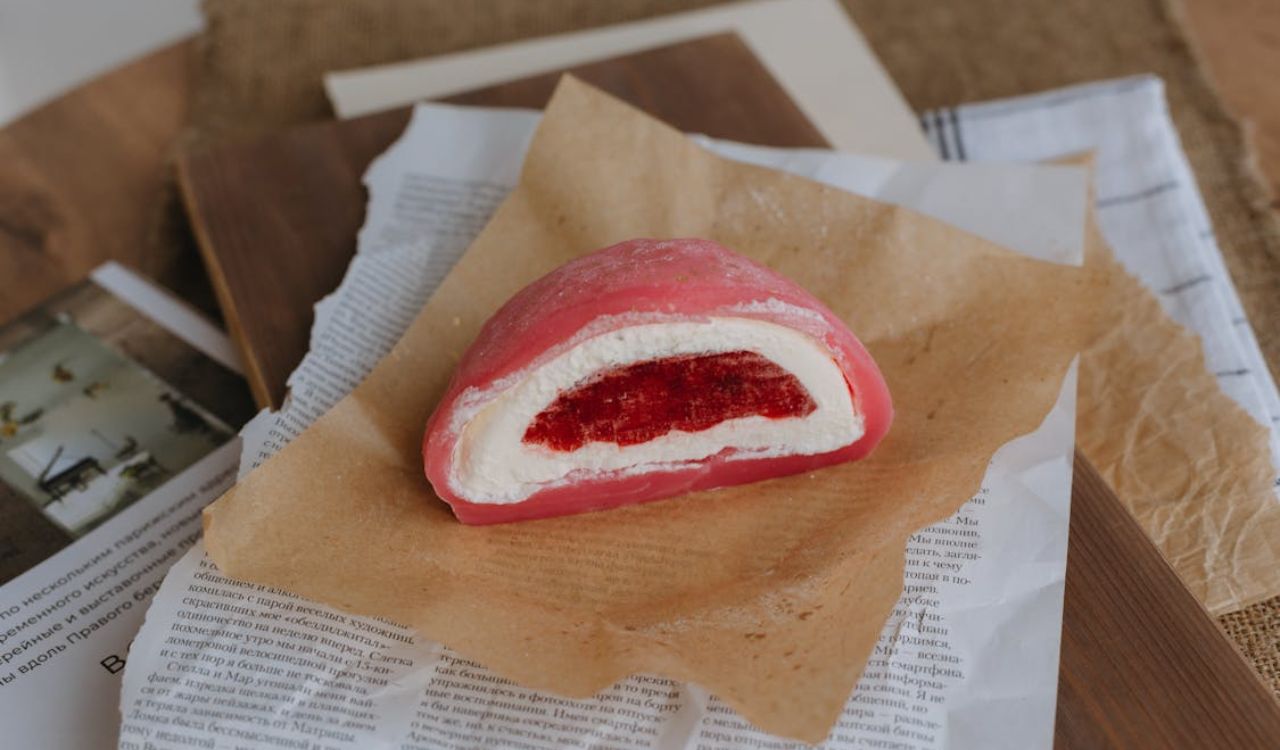
Mochi is a Japanese rice cake made from glutinous rice pounded into a smooth, elastic dough. It contains no milk or cream, relying entirely on rice starch for its signature chewy texture. Traditionally enjoyed plain or filled with sweetened red bean paste, mochi offers mild sweetness and a satisfying bite. The preparation process emphasizes technique rather than ingredients, turning simple rice into something special. Mochi has long been associated with celebrations and seasonal rituals in Japan. Its naturally dairy free composition makes it suitable for many diets while still delivering a rich, comforting mouthfeel.
2. Tang Yuan
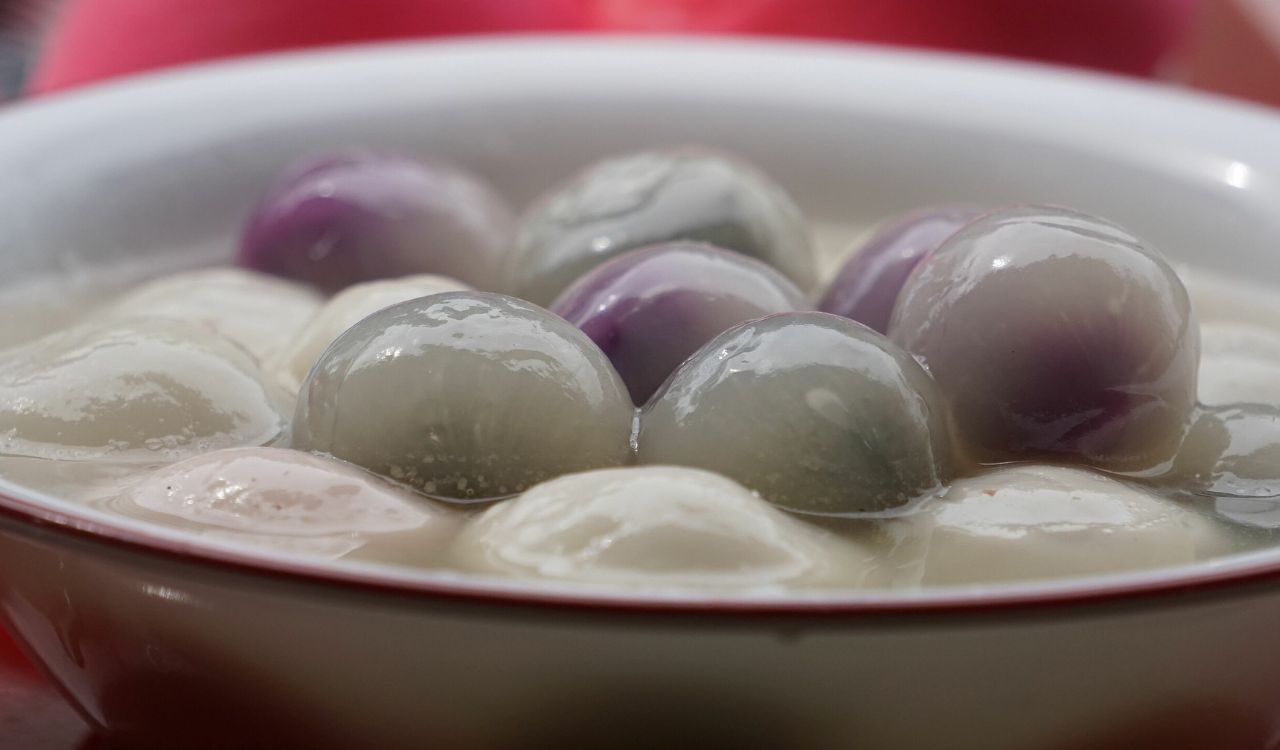
Tang yuan are Chinese glutinous rice balls typically served in warm syrup or lightly sweetened broth. The dough is made from rice flour and water, creating a soft and stretchy texture without dairy. Fillings often include sesame paste or red bean, which add richness through natural oils rather than cream. Tang yuan are traditionally eaten during festivals to symbolize unity and togetherness. Their gentle sweetness and smooth texture make them comforting rather than heavy. This dessert shows how warmth and flavor can come from simple ingredients prepared with care.
3. Che Ba Mau
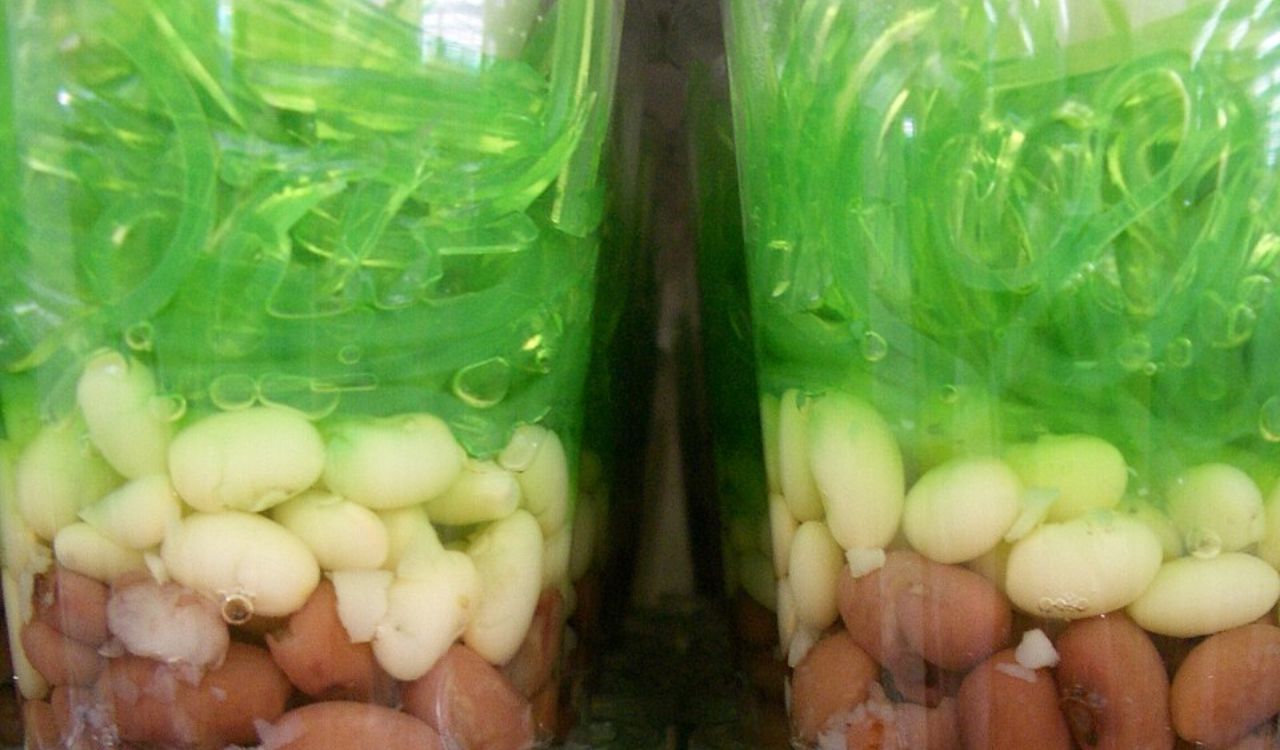
Che ba mau is a Vietnamese layered dessert made entirely without milk or cream. It combines sweetened mung beans, red beans, and pandan jelly, topped with crushed ice and coconut sauce made from coconut milk rather than dairy. Each layer offers a different texture, from creamy beans to firm jelly, creating contrast without heaviness. Traditionally sold by street vendors, che ba mau developed in a warm climate where dairy was uncommon. The dessert relies on legumes, starch, and coconut for richness. Its balance of sweetness and texture shows how plant based ingredients can create a satisfying dessert without cream.
4. Red Bean Soup
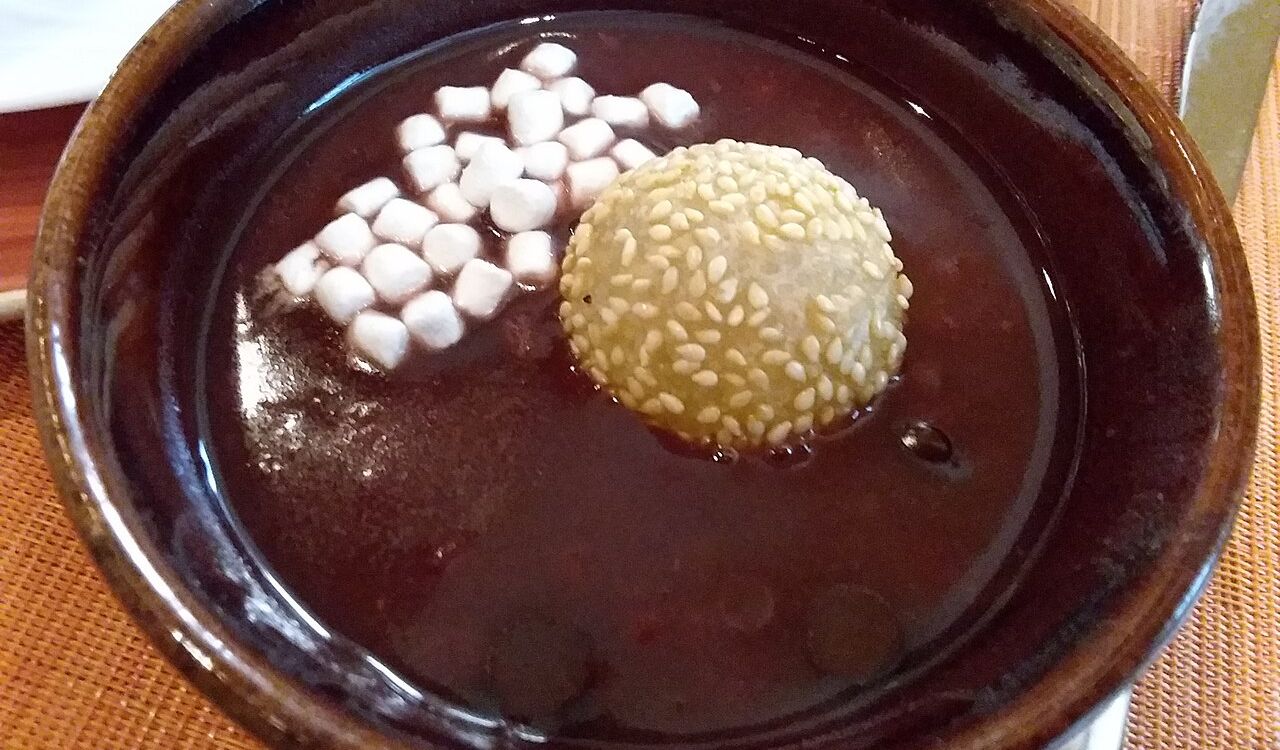
Red bean soup is a common dessert across East Asia, made by slowly simmering adzuki beans with sugar until tender. The beans naturally break down, thickening the liquid without any dairy. The result is a lightly sweet, warming dessert with a smooth yet slightly grainy texture. Red bean soup is often enjoyed warm or chilled, depending on the season. It is valued for both flavor and comfort, especially during colder months. This dish shows how patience and simple ingredients can create richness without cream.
5. Mango Sticky Rice
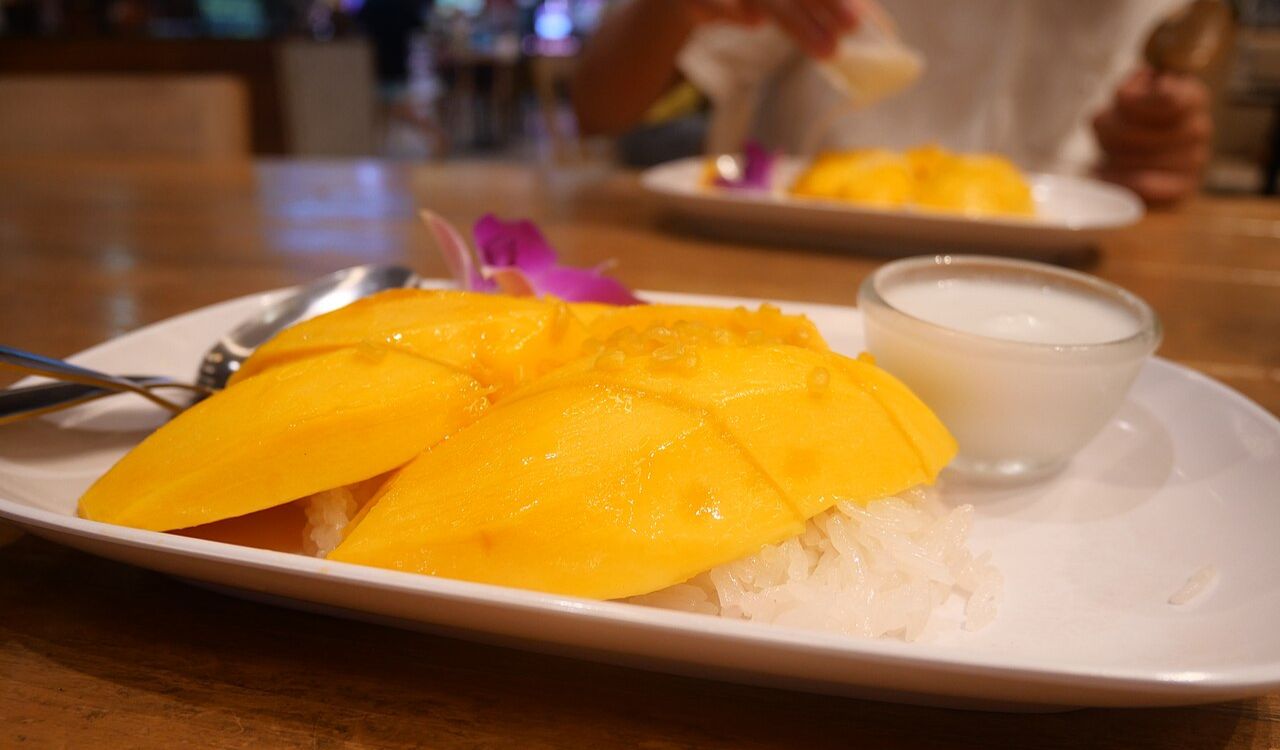
Mango sticky rice is a Thai dessert made with glutinous rice, ripe mango, and coconut based sauce rather than dairy cream. The rice is steamed and sweetened, giving it a soft, chewy texture that contrasts with fresh fruit. Coconut milk is traditionally used for richness, drawing on plant based fat instead of milk. This dessert became popular because rice and tropical fruit were widely available ingredients. Mango sticky rice balances sweetness and texture without feeling heavy. Its natural dairy free preparation makes it approachable while still feeling indulgent and satisfying.
6. Kuih Seri Muka
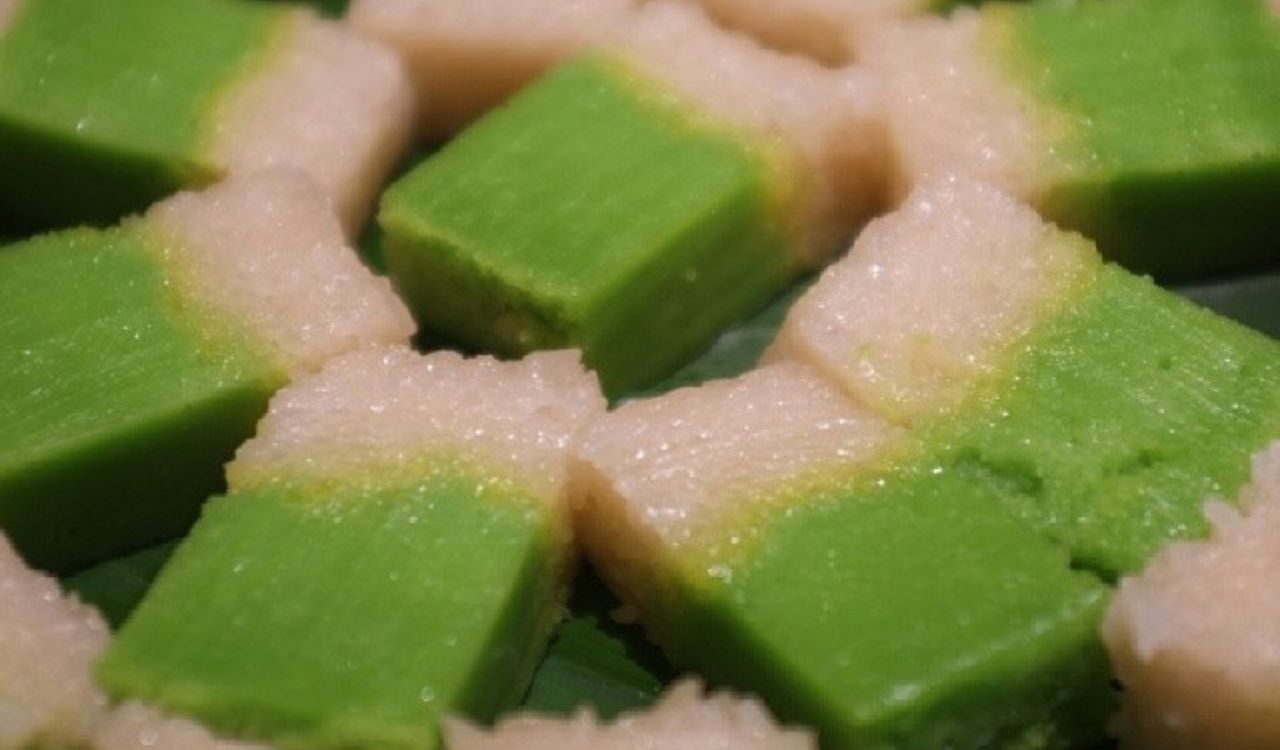
Kuih seri muka is a Southeast Asian dessert made with two layers of texture and flavor. The base consists of steamed glutinous rice, while the top layer is a pandan flavored custard thickened with coconut milk instead of dairy. The dessert is lightly sweet, aromatic, and soft, relying on starch and coconut for richness. Traditionally sold in markets, it reflects regional cooking methods that avoid ovens and dairy. Kuih seri muka highlights how coconut and rice create structure and flavor without cream, resulting in a dessert that feels delicate and balanced.
7. Grass Jelly Dessert
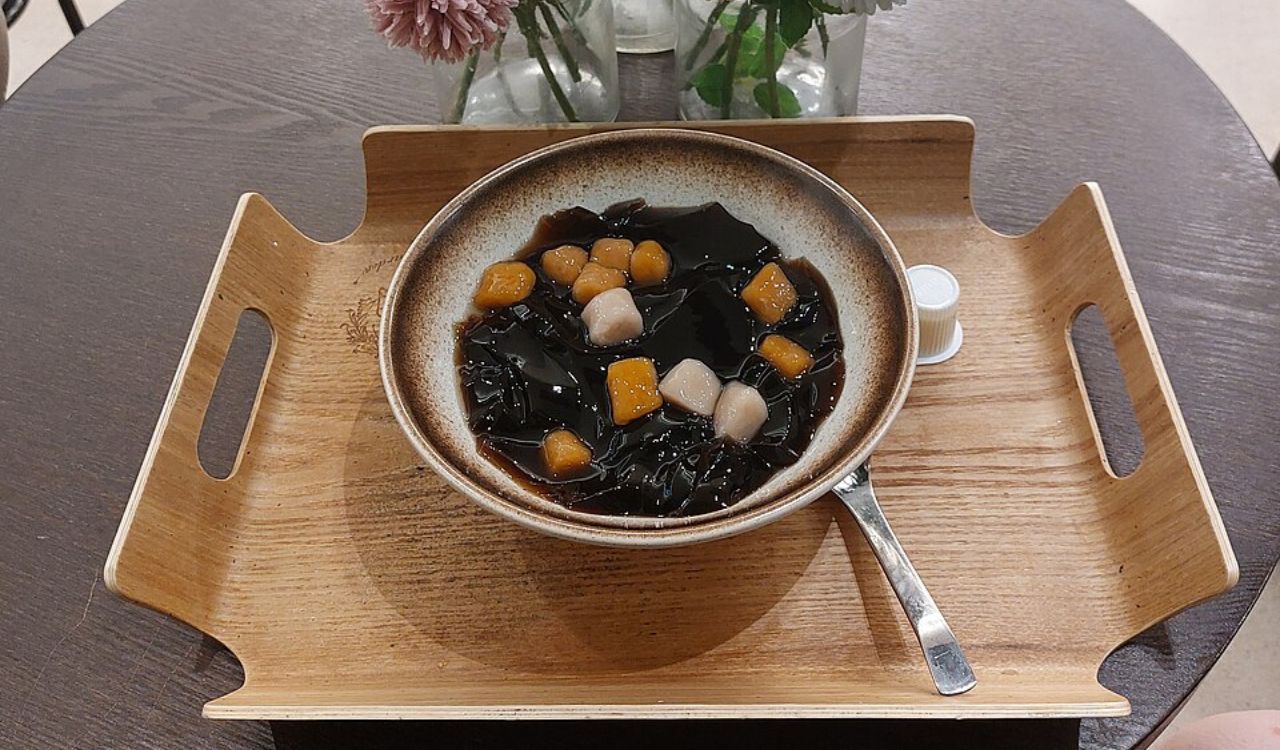
Grass jelly dessert is popular in several East and Southeast Asian countries and is made from herbal extracts that naturally set into a soft gel. It contains no milk or cream and is usually served chilled with sugar syrup or fruit. The jelly has a mild, slightly bitter flavor that pairs well with sweetness. Traditionally valued for its cooling properties, grass jelly is often eaten during hot weather. Its smooth texture and refreshing taste show how desserts can feel complete without richness from dairy, relying instead on contrast and simplicity.