12 Recipe Simplifications That Made Familiar Foods Worse

Some shortcuts promise the same flavor in less time. A sprinkle here, a ready-made base there, and dinner is on the table faster than ever. Modern kitchens are built around convenience, and for busy households, that can feel like a gift.
Yet small changes in ingredients often shift more than just prep time. When traditional steps are trimmed or key elements are simplified, texture, aroma, and depth can quietly fade. What once tasted layered and comforting may start to feel flatter, even if we cannot immediately explain why.
This list looks closely at common recipe simplifications that altered familiar favorites. Not to reject convenience, but to understand what happens when structure, fat, time, or technique are removed from the process.
1. Swapping Fresh Garlic for Garlic Powder
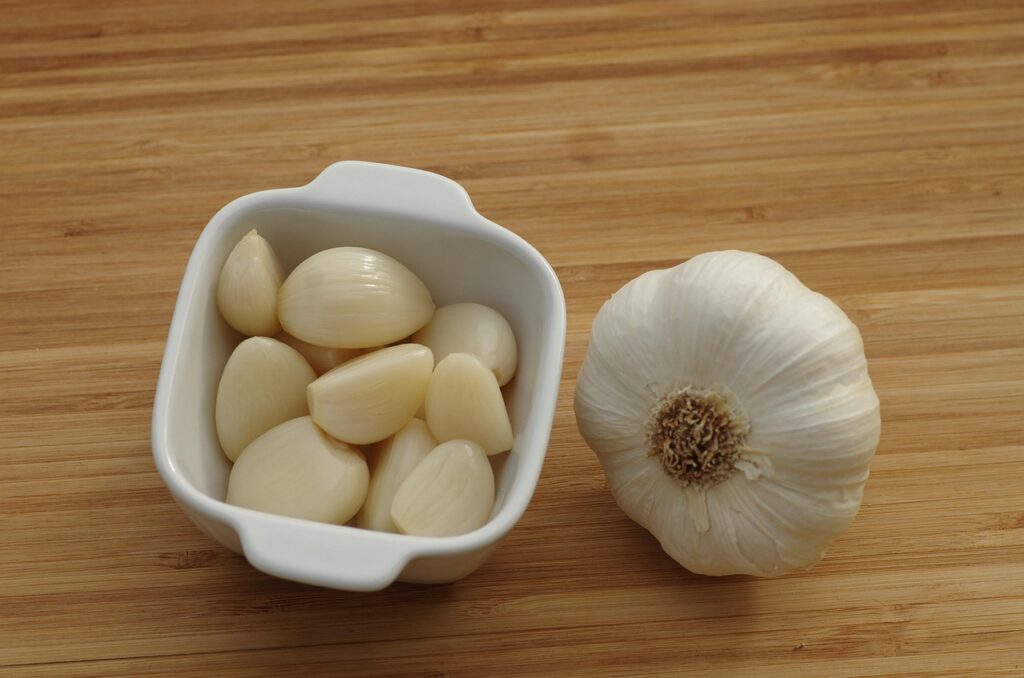
Fresh garlic starts changing a dish the moment it is crushed. Enzymes form allicin, giving it a sharp aroma and layered bite. As it cooks, that sharpness softens into sweetness, adding depth to sauces and sautés. This gradual shift is what gives many savory foods their complexity.
Garlic powder is made by drying cloves, which reduces the oils responsible for nuance. The taste becomes concentrated but flatter. It seasons quickly, yet it cannot recreate the gentle browning and caramel notes fresh garlic develops in warm oil.
Because it mixes in instantly, powdered garlic skips blooming in fat, where aroma builds. The flavor stays steady instead of evolving. In garlic heavy dishes, the final result often tastes simpler and less rounded.
2. Using Pre-Shredded Cheese Instead of Block Cheese
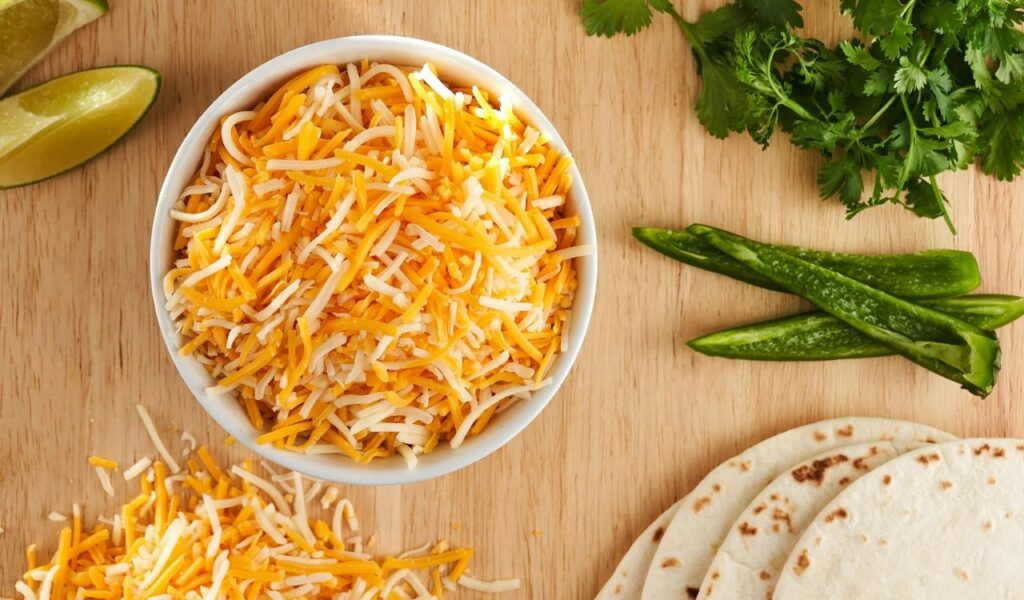
Freshly grated cheese melts smoothly because its proteins and fats are intact. Heat allows them to loosen and blend into sauces or stretch over baked dishes. Grating just before cooking helps preserve that creamy, cohesive melt.
Pre-shredded cheese is coated with anti-caking agents such as cellulose or starch to prevent clumping. These coatings are safe but can interfere with melting. As the cheese heats, it may create a slightly grainy texture.
Rather than forming a silky layer, the cheese can clump or separate. In dishes like mac and cheese, the difference is noticeable. The shortcut saves time, but the finished dish often lacks the smooth richness many expect.
3. Replacing Real Butter with Margarine in Baking

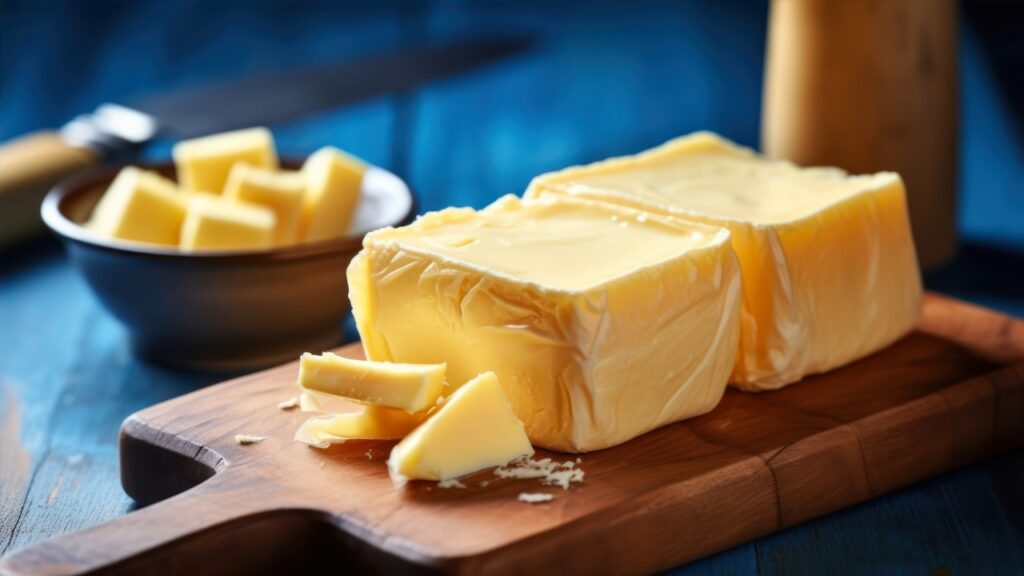
Butter shapes baked goods in ways that go beyond taste. Its milk solids brown and release nutty aromas, while its water turns to steam in the oven, helping create lift and tender layers. The fat also coats flour, limiting gluten so cookies stay soft and cakes remain delicate.
Margarine is blended from vegetable oils to mimic butter, but its fat structure and water content differ. These differences affect how dough spreads and how air is held during mixing. Cookies may flatten faster, and cakes can bake slightly dense.
Because margarine lacks the same milk solids, it cannot brown or build aroma in the same way. Flavor often feels lighter and less complex. In delicate pastries, the swap can quietly reduce both richness and texture.
4. Instant Mashed Potatoes Instead of Fresh
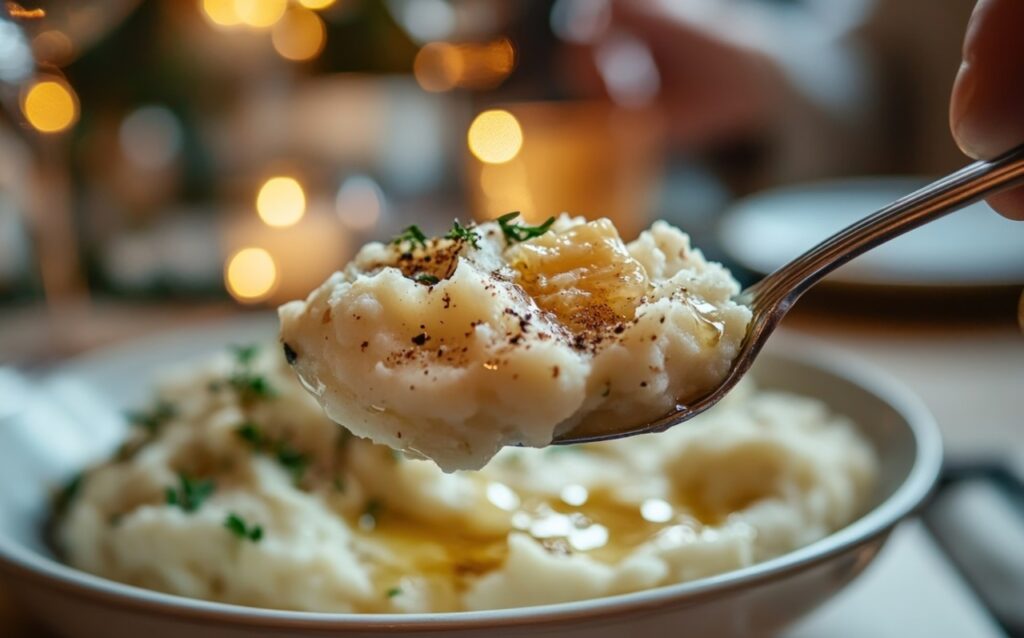
Fresh mashed potatoes rely on starch swelling gradually as whole potatoes simmer. When mashed gently with butter and cream, the texture becomes fluffy and light. Careful handling prevents gumminess, and the flavor carries a mild earthiness that supports savory dishes.
Instant flakes come from cooked potatoes that have been dried and processed. Rehydration is quick, but the starch has already been altered. If stirred too much, it can tighten and turn pasty rather than airy.
Drying also reduces subtle aromas. While instant versions are convenient and consistent, they often taste more uniform. The comfort remains, yet the depth and softness of fresh mash are harder to match.
5. Jarred Pasta Sauce Instead of Slow Simmered Sauce
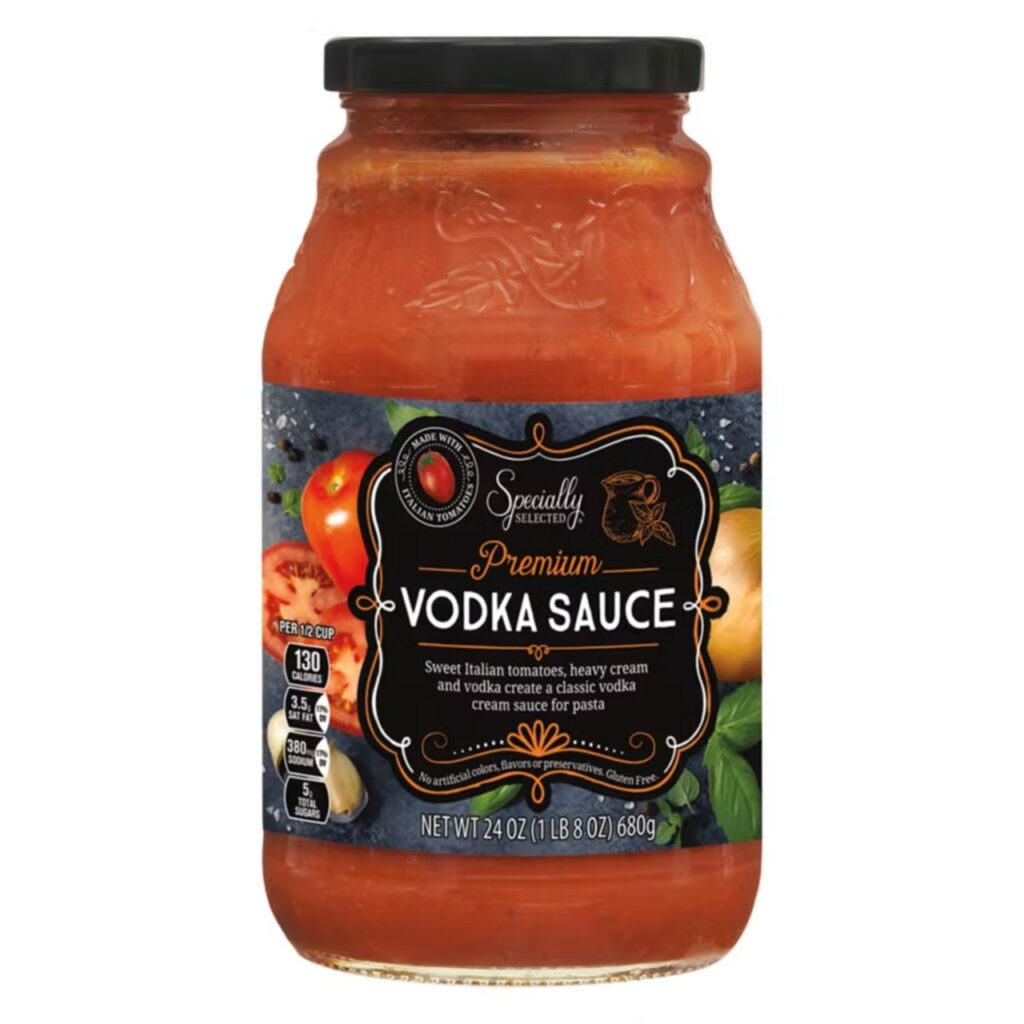
A sauce simmered slowly on the stove changes over time. Heat breaks down tomato fibers, concentrates sugars, and softens acidity. Onions sweeten, garlic mellows, and herbs blend gently, creating balance and deeper flavor.
Jarred sauces are cooked in advance for shelf stability. They are often adjusted with salt or sugar to standardize taste. The result is reliable but designed for speed rather than development.
Once opened, the sauce mostly reheats instead of evolving. It can taste brighter or thinner than one reduced slowly at home, with less of the layered finish that long simmering creates.
6. Pre-Cooked Bacon Instead of Freshly Fried
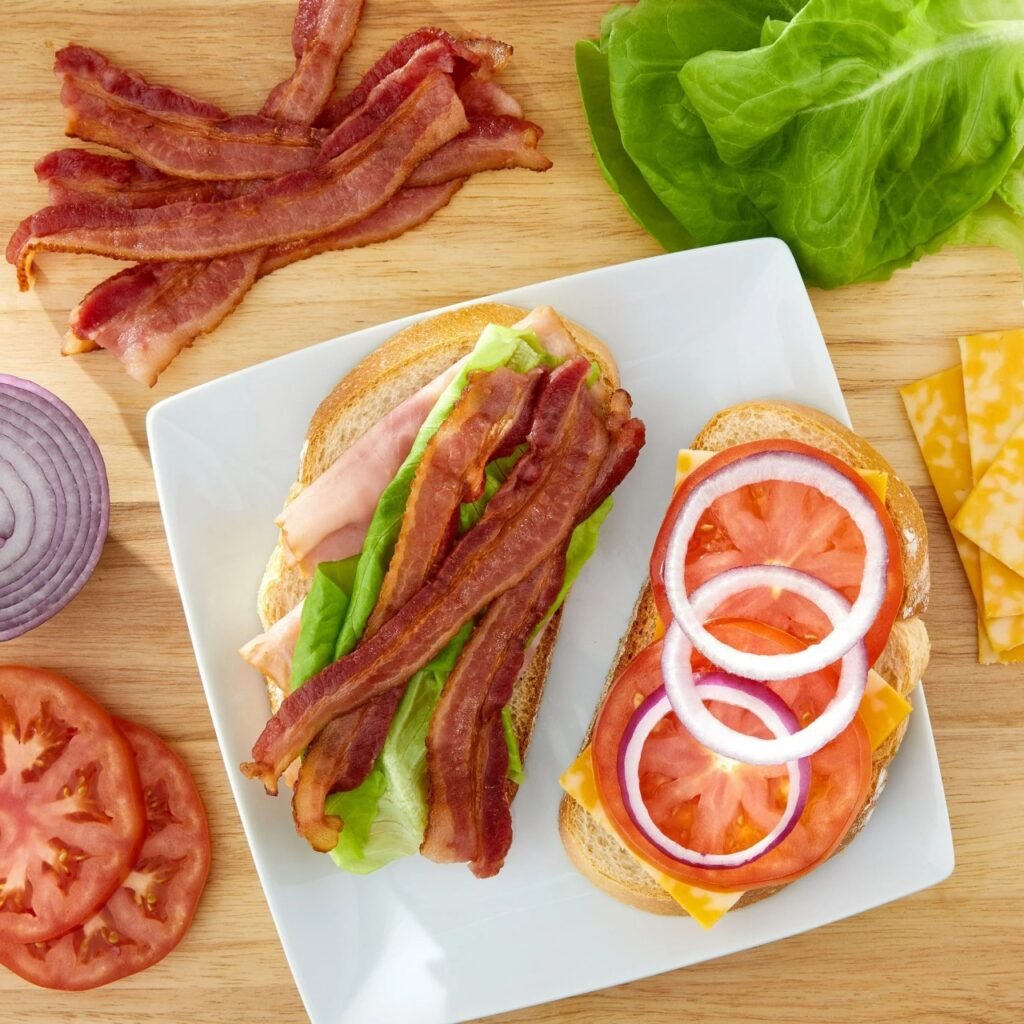
Bacon in a skillet changes quickly as heat renders fat and carries smoky flavor through the meat. Browning builds savory notes and crisp edges while the center stays slightly tender. That contrast of crunch and chew defines freshly cooked bacon.
Pre cooked bacon is partially rendered before packaging, then reheated. Much of the flavorful fat has already melted away, and reheating cannot recreate the same depth of browning or aroma formed from raw.
The slices may still taste smoky, but they often lack the richness and texture contrast of skillet fried bacon. Convenience saves time, yet some of the layered savoriness is lost.
7. Store-Bought Pie Crust Instead of Homemade
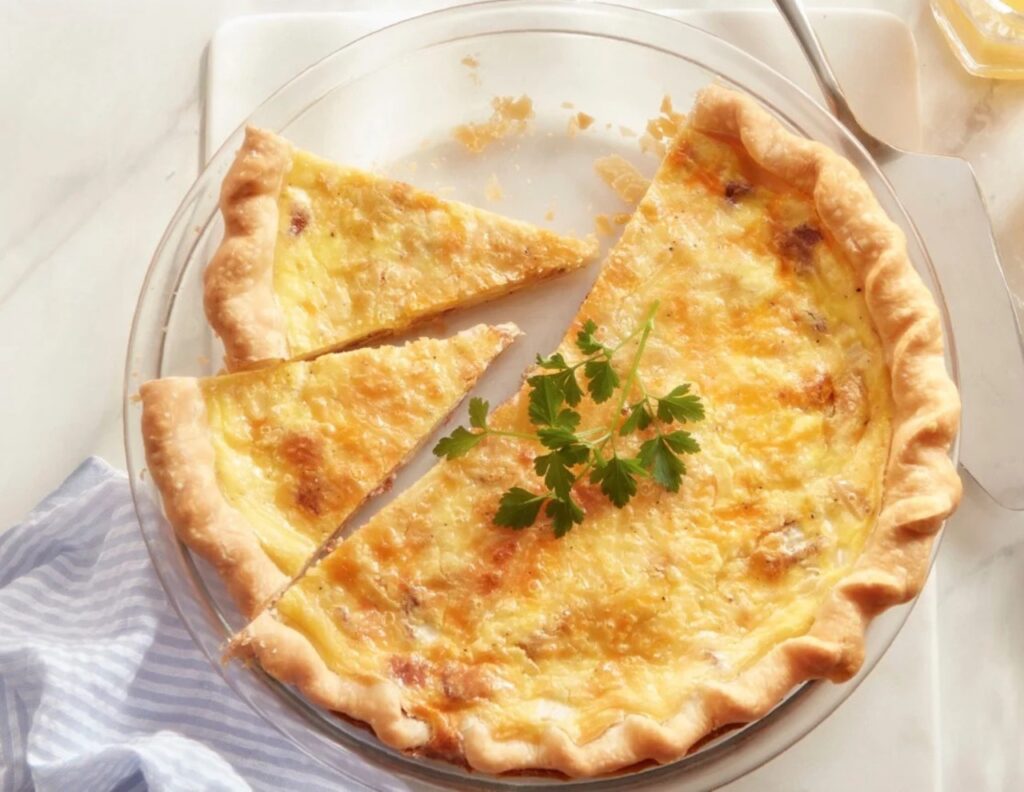
A flaky pie crust depends on cold fat cut into flour. In the oven, that fat melts and releases steam, forming layers. Minimal mixing keeps gluten low, preserving tenderness. Fresh butter or lard also adds aroma and depth that support the filling.
Commercial crusts must withstand storage and transport. To stay stable, they often use different fat blends or stabilizers. These improve consistency but can limit flakiness and flavor.
When baked, store bought crust may hold shape well yet feel denser and less aromatic. The filling still shines, but the crust offers less crisp texture and buttery character than one made fresh.
8. Boneless Skinless Chicken Instead of Bone In
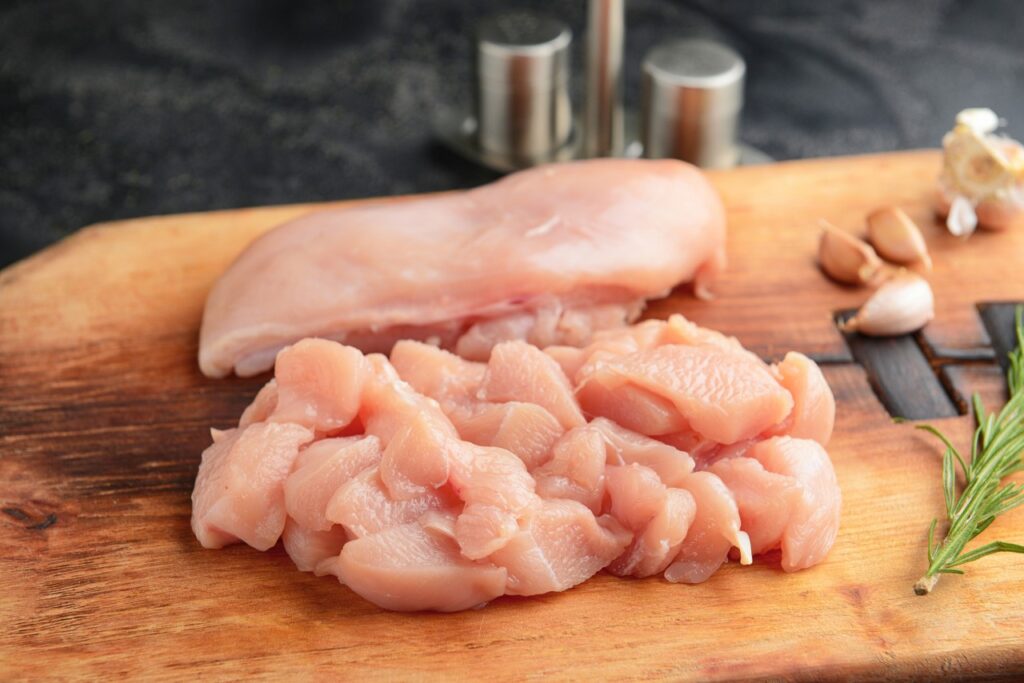
Bone in chicken has built in advantages during cooking. Bones slow heat transfer and help the meat retain moisture. Skin renders fat that bastes the surface, and connective tissue near the bone softens, adding subtle richness. Roasting this way often produces juicier texture and fuller flavor.
Boneless skinless cuts remove those elements for speed and convenience. With less fat and no skin, the meat is exposed directly to heat. It cooks faster but dries out more easily, especially at higher temperatures.
Without skin to crisp or bone to steady heat, flavor development is lighter. The meat tastes lean and clean, yet often less savory. Even with careful seasoning, the natural depth from bone and skin is difficult to fully replace.
9. Instant Pudding Instead of Cooked Custard
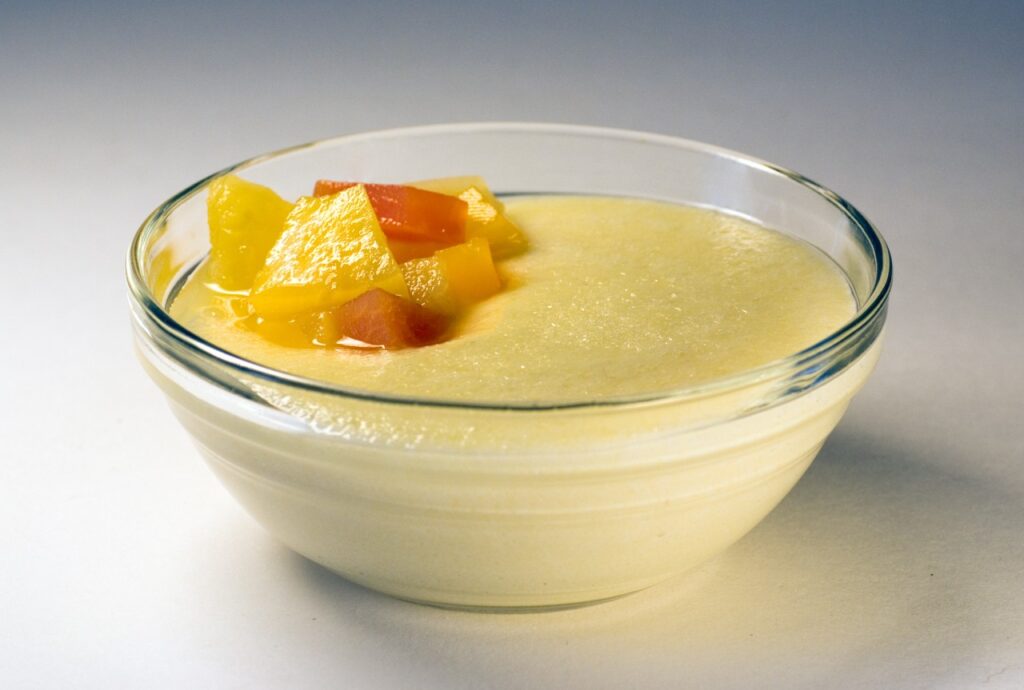
Cooked custard thickens through gentle heat and egg proteins. As the mixture warms, proteins link together and form a soft network that traps liquid. This creates a silky texture and deeper dairy flavor, especially when vanilla or chocolate infuse slowly.
Instant pudding uses modified starches that thicken when mixed with cold milk. The set is fast and reliable, requiring no stove. Texture firms through starch swelling rather than protein bonding.
Without gradual heating, flavor remains simpler and more uniform. The pudding is smooth but often less rich than custard. It satisfies quickly, yet rarely matches the layered creaminess built through patient cooking.
10. Pre-Made Pancake Mix Instead of Scratch Batter
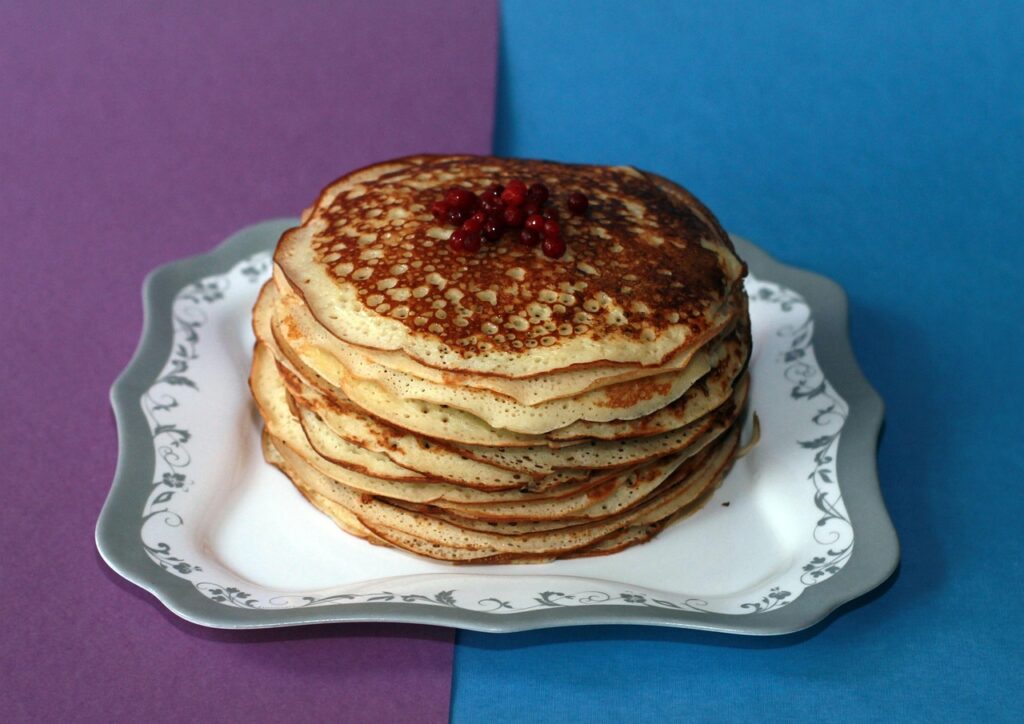
Scratch pancakes allow control over each ingredient. Fresh leavening releases gas as it heats, creating lift. Buttermilk reacts with baking soda to add tenderness and a gentle tang. Adjusting sugar and salt shapes flavor precisely.
Pre-made mixes combine flour, leavening, and seasoning for convenience and shelf life. Over time, leavening strength may weaken slightly, affecting the rise. Recipes are designed for broad appeal rather than distinct flavor.
The result is consistent but often neutral. Pancakes cook evenly, yet may lack the subtle depth from fresh dairy and tailored seasoning. Homemade batter allows small changes that improve texture and brighten flavor.
11. Microwave Rice Instead of Stove Top Rice
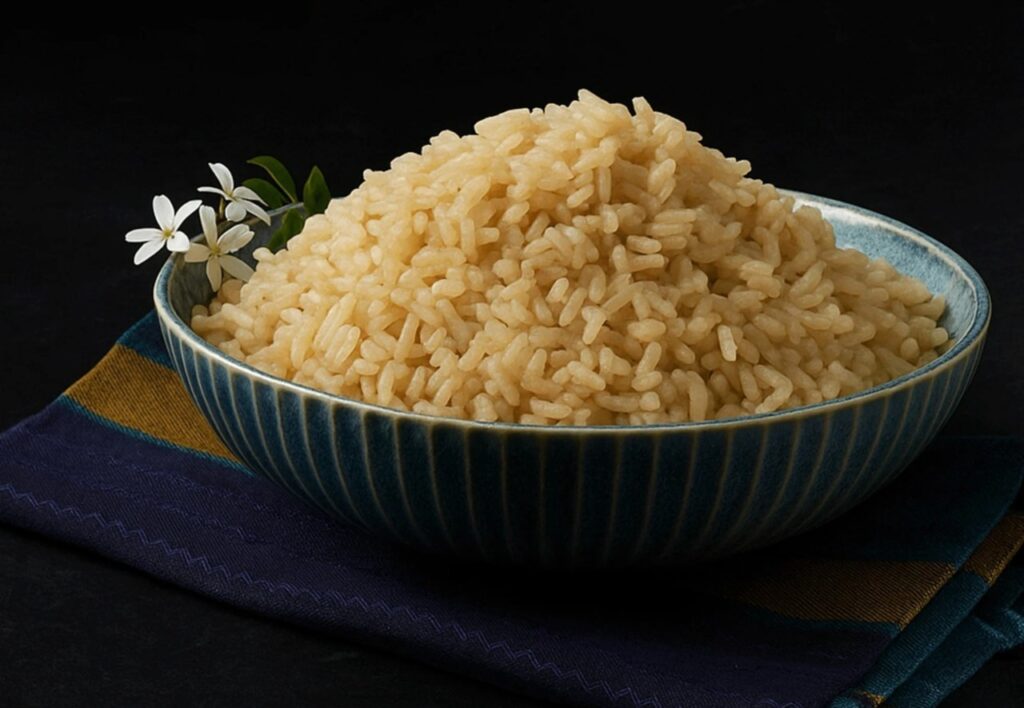
Cooking rice on the stove involves measured water and controlled steaming. As grains absorb moisture, starches gelatinize evenly, producing tender yet distinct kernels. Resting off heat allows excess steam to redistribute, which keeps the texture light rather than sticky.
Microwave rice is pre cooked and sealed before reheating. The grains have already completed most of their cooking cycle, so reheating mainly warms them through. Moisture distribution can be slightly uneven from packet to packet.
While fast and reliable, the aroma and texture often feel less fresh. Some grains may be firmer while others soften more than expected. Traditional stovetop rice offers more control and a cleaner separation that highlights the grain itself.
12. Using Lean Ground Turkey Instead of Ground Beef in Classic Dishes
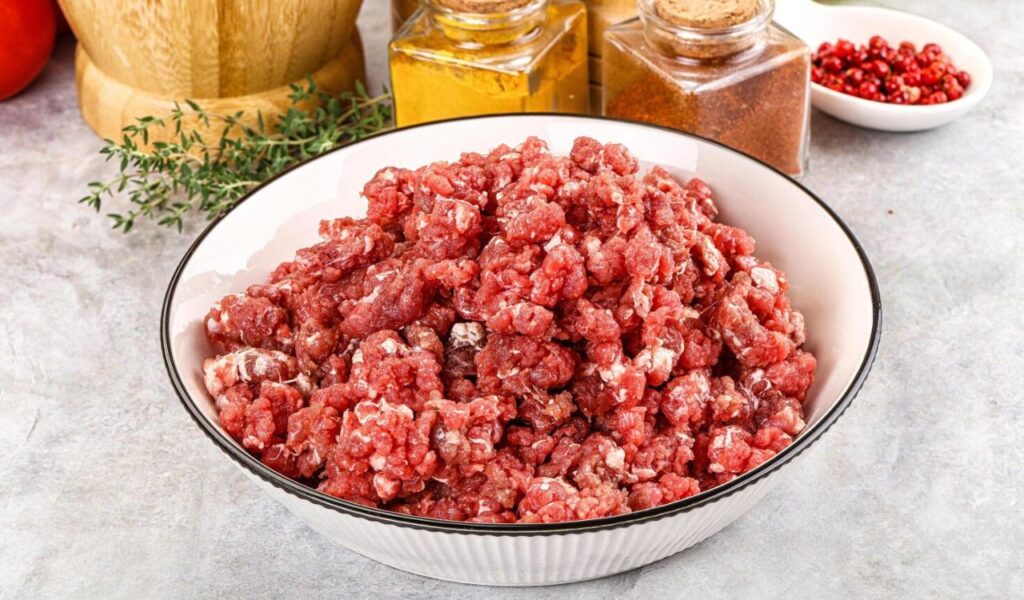
Ground beef used in burgers or meatloaf usually contains 15 to 20 percent fat. That fat melts during cooking, carrying savory compounds and keeping the mixture moist. It also lubricates muscle fibers so they remain tender instead of tight.
Lean ground turkey contains far less fat, which lowers calories but also reduces internal moisture. As it cooks, proteins firm up quickly and can squeeze out juices. Without added fat or binders, the texture may turn crumbly.
Flavor differences follow the fat. Turkey has a milder taste and lacks the same depth created when beef fat browns. With thoughtful seasoning and careful heat control, it can work well, yet when swapped directly, the familiar richness of classic beef dishes often feels noticeably lighter.