Why Traditional Buffets Are Becoming Less Common in Major Cities

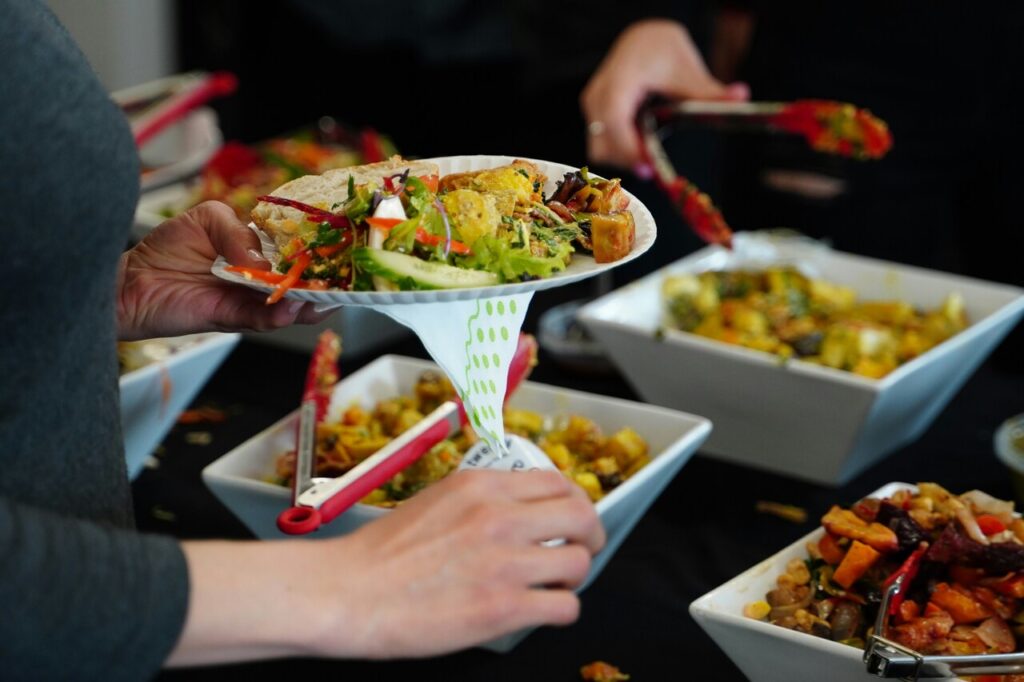
For decades, buffet restaurants symbolized abundance and variety. Diners could fill their plates with countless dishes while enjoying the freedom to eat at their own pace. However, the traditional buffet model is becoming less common in many major cities. Rising operating costs, growing concerns about food waste, and changing dining preferences are pushing restaurants to rethink the format. At the same time, health awareness and space limitations in urban areas have made large self-service setups harder to maintain.
The Golden Era of Buffets
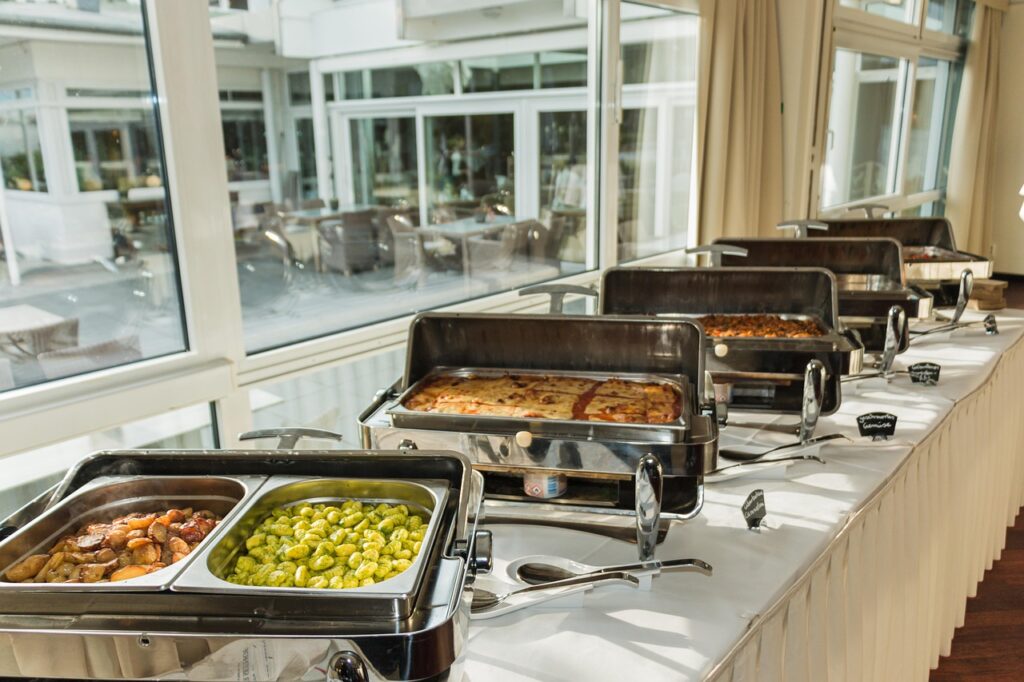
Buffets once represented one of the most appealing dining formats in many cities. The idea was simple and attractive. Customers paid a fixed price and gained access to a wide variety of dishes arranged across long serving tables. This model allowed diners to sample many foods in a single meal while feeling they received strong value for their money. Restaurants benefited as well because buffets attracted large groups and encouraged longer dining visits. Families often chose buffets because everyone could find something they liked. Diners could move at their own pace while exploring different dishes.
During the late twentieth century, buffets became especially popular in casual dining chains, hotels, and family restaurants. The format worked well for celebrations, group gatherings, and weekend outings. Many diners enjoyed the freedom to return for multiple servings and explore different cuisines on one plate. This sense of abundance helped buffets become a recognizable part of restaurant culture in many urban areas. Hotels used buffets to serve large numbers of guests efficiently. Families often viewed buffets as a convenient option for special occasions. Restaurants promoted the idea of unlimited choice as a key attraction.
Over time, the buffet model began appearing in many types of establishments. Hotels used buffets for breakfast service while large restaurants created elaborate dinner spreads. The variety of dishes and the freedom to serve oneself created an experience that felt festive and social. For many years, this combination of choice and value made buffets a dependable attraction for restaurants across major cities. Guests often walked through long rows of dishes before making selections. This visual display added excitement to the dining experience. The arrangement of food also encouraged customers to try unfamiliar items.
The Food Waste Problem
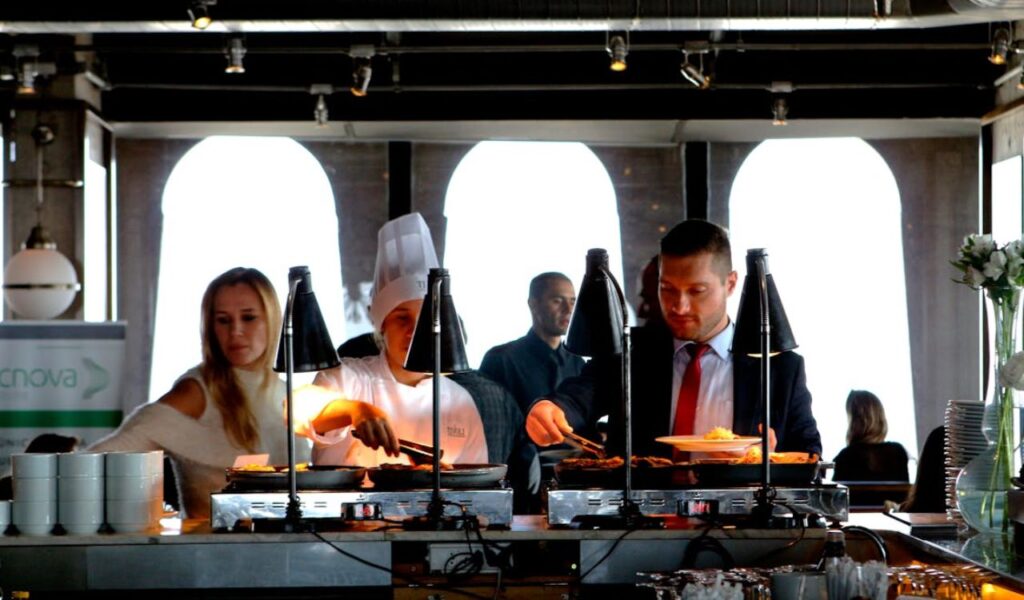
One of the most serious challenges facing buffet restaurants today is the amount of food waste they generate. Buffets rely on keeping trays of food constantly full so that customers always see an abundant selection. This requirement often forces restaurants to prepare more food than diners will actually consume. Studies of buffet operations show that a significant portion of prepared food never reaches a customer’s plate. Restaurants often refill trays before they become empty. Once the service period ends, many of those items cannot be reused. As a result, large quantities of prepared food are discarded.
Food waste also occurs at the customer level. When diners serve themselves, they sometimes take larger portions than they can realistically finish. Plate waste becomes common as uneaten food is left behind after the meal. Research on buffet dining has shown that plate waste alone can represent a large share of total food waste in these restaurants. Diners may overestimate how hungry they are when selecting food. Some people also take extra portions simply because they can. When plates return to the table partially full, the food must be thrown away. These patterns increase overall waste within buffet operations. Even small leftovers accumulate across hundreds of guests. Over time, the waste becomes significant.
This waste carries both financial and environmental consequences. Restaurants must absorb the cost of ingredients that are never eaten, and discarded food contributes to broader waste problems. As public awareness of sustainability grows, many restaurant operators are reconsidering whether traditional buffet service remains practical. Environmental groups often highlight food waste as a major global concern. Restaurants now face pressure to reduce unnecessary waste in their operations. Customers are also becoming more aware of how much food is discarded. This growing awareness influences how dining formats are evaluated.
Rising Operating Costs
Running a buffet restaurant requires a significant amount of preparation and staffing. Unlike traditional restaurants that cook meals after an order is placed, buffets must prepare large quantities of food in advance. Chefs and kitchen teams must continuously cook and replenish trays to maintain a full display. This constant preparation increases both labor requirements and ingredient consumption. Kitchen staff must monitor several stations at once. Additional employees are often needed to maintain cleanliness and presentation. Labor costs can therefore rise quickly. These operational demands make buffets more expensive to run.
Food costs can also become difficult to manage because demand is unpredictable. Restaurants must estimate how much food diners will take, which often leads to overproduction. If too little food is prepared, empty trays can create a negative impression for customers. If too much food is prepared, the excess often ends up as waste. Restaurants try to balance supply with expected demand. However, predicting customer behavior can be difficult. Some dishes may disappear quickly while others remain untouched. This uncertainty makes cost management more complicated. Kitchens must remain flexible throughout service.
These operational challenges become even more significant in large cities where rent and labor costs are already high. Maintaining a buffet that offers dozens of dishes requires more resources than many modern restaurants can comfortably afford. As expenses increase, many operators find it harder to maintain the traditional buffet format while remaining profitable. Urban restaurants often face rising wages and supply costs. Higher ingredient prices also affect buffet preparation. The need to maintain variety increases purchasing requirements. Over time, these financial pressures push restaurants to reconsider the model.
Changing Dining Habits
Urban dining habits have shifted considerably in recent years. Many customers now prefer meals prepared specifically for them rather than selecting food from a shared serving area. Made-to-order dishes allow diners to control ingredients, portion sizes, and dietary preferences more easily. This customization fits well with modern expectations around personalized dining experiences. Restaurants have responded by offering flexible menu options. Customers appreciate the ability to adjust ingredients to suit their tastes. Personalized dishes also feel fresher to many diners. This trend has reduced the appeal of large buffet spreads.
Health awareness has also influenced how people approach restaurant meals. Buffets often encourage diners to take larger portions or try multiple rich dishes in one sitting. Some customers now prefer smaller meals or more balanced options rather than the unlimited format that buffets traditionally promote. Nutritional awareness has grown significantly in recent years. Diners increasingly pay attention to calorie intake and ingredient quality. Controlled portions help people manage their diets more easily. As a result, some consumers feel more comfortable ordering individual meals. Balanced menus also support healthier eating habits.
Restaurants have responded by offering menus that emphasize freshness and individual preparation. Concepts such as fast casual dining and chef-driven small plates have gained popularity in many cities. These formats provide variety while maintaining control over portions and presentation. As a result, traditional buffet service has gradually become less central to the dining landscape. Smaller plates allow guests to sample multiple dishes without overfilling their plates. Restaurants can maintain better quality control with made-to-order meals. This approach aligns with modern dining expectations. These newer formats often appeal to younger diners.
Health and Safety Concerns

Shared serving stations are another factor influencing the decline of buffets in many urban areas. In a traditional buffet, multiple diners handle the same serving utensils and stand close together while selecting food. These conditions can raise concerns about hygiene and food safety, particularly during periods of heightened public health awareness. Diners may worry about how often utensils are touched. Open food trays also remain exposed for long periods. Restaurants must monitor sanitation carefully. These concerns affect customer comfort levels. Visible cleanliness has become more important than ever.
Recent global health events have increased sensitivity around shared surfaces and crowded dining areas. Many restaurants began reevaluating buffet setups because open serving trays and communal utensils could potentially increase risk. As a result, some establishments temporarily closed buffets or redesigned them to reduce contact between diners. Safety guidelines encouraged restaurants to modify service methods. Some dining rooms reduced seating capacity to create more space. Staff monitored food stations more closely. These adjustments changed how buffet dining operated. Many businesses introduced new hygiene protocols.
These changes encouraged restaurants to adopt alternative service styles. Staff served stations, plated meals, and contact-free ordering systems became more common. Even as conditions improved, some restaurants chose not to return fully to traditional buffet formats. The shift toward safer service methods has continued influencing restaurant design and operations. Restaurants discovered that controlled service reduced certain risks. Guests often appreciated the additional safety measures. Some establishments permanently replaced self-service stations. Restaurants now design spaces with these concerns in mind.
The Space Challenge
Buffet restaurants require significantly more space than most other dining formats. Long serving tables, multiple food stations, and large dining areas are necessary to accommodate self-service crowds. In major cities where rent prices are high, maintaining such large spaces can be financially difficult. Urban real estate costs have increased steadily in recent years. Restaurants must carefully consider how every square foot is used. Large buffet setups often reduce the number of tables available. This can limit potential revenue. Smaller restaurants may struggle to allocate enough space. Space efficiency has become a critical factor.
Modern restaurant concepts often prioritize efficiency and compact layouts. Smaller kitchens and streamlined dining areas allow businesses to operate with lower overhead costs. A buffet layout, by contrast, dedicates a large portion of the restaurant to food displays rather than seating or kitchen operations. Efficient layouts help restaurants serve more guests in limited space. Compact kitchens also reduce staffing needs. Buffets require additional equipment for heating and serving food. These factors increase operating complexity. Modern restaurant designs focus on flexibility. Many owners prefer adaptable dining areas.
Urban restaurants increasingly focus on maximizing revenue per square foot. When space becomes more valuable, the buffet model can appear less practical. Many restaurant owners, therefore, choose formats that require less floor space and allow for faster table turnover. This shift has contributed to the gradual disappearance of large buffet dining rooms in dense city environments. Smaller dining rooms can host more frequent seating cycles. Quick service concepts fit well into compact spaces. Many owners now prioritize flexibility in restaurant design. Urban development continues to reshape restaurant layouts.
The Sustainability Debate
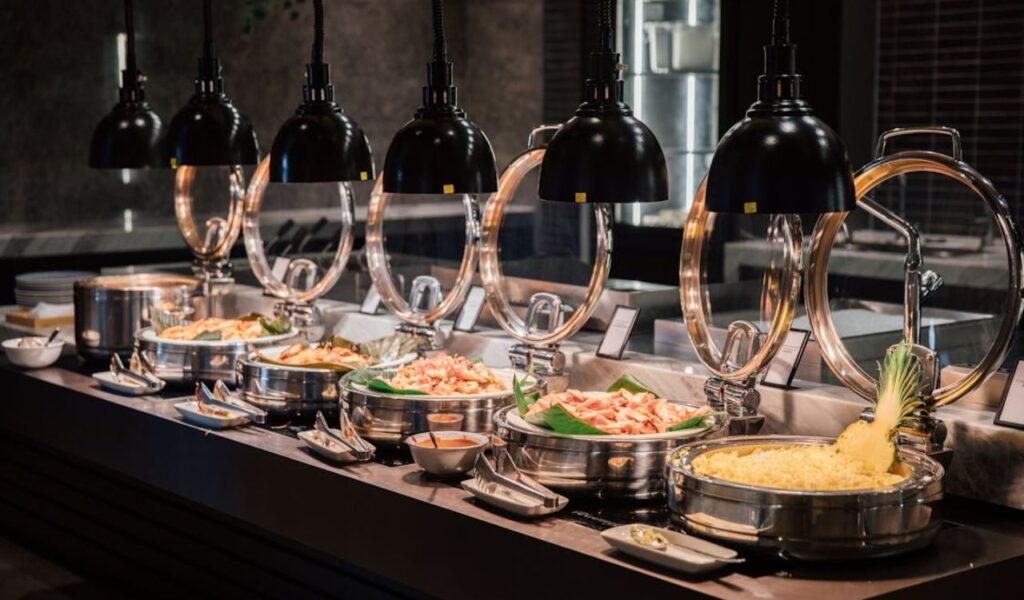
Environmental sustainability has become an important topic within the restaurant industry. Food waste from buffet service has drawn particular attention from researchers and policymakers. Large quantities of uneaten food can increase landfill waste and contribute to greenhouse gas emissions when discarded. Environmental groups often highlight restaurant waste in sustainability discussions. Buffets attract attention because of the visible abundance of food. Large trays may remain partially full after service. These leftovers often cannot be reused safely. Restaurants are increasingly aware of their environmental impact.
Studies of buffet operations show that food waste occurs at several stages. Waste can appear during preparation, on serving trays, and on customer plates. In some cases, buffet systems produce significantly more waste than other restaurant formats because maintaining full trays requires constant overproduction. Kitchens must prepare additional batches of food during service. Some items may spoil before they are consumed. Diners also leave unfinished portions behind. These combined factors create a substantial waste stream. Monitoring waste levels has become an important management task. Restaurants now track waste to improve efficiency.
As sustainability becomes a priority for both consumers and businesses, restaurants are under pressure to reduce waste wherever possible. Many operators now consider waste management when designing menus and service models. This growing focus on responsible dining has made the traditional buffet format more difficult to justify in certain markets. Restaurants increasingly adopt practices that minimize waste. Smaller menus and controlled portions help reduce leftovers. Sustainability considerations continue influencing restaurant decisions. Environmentally conscious diners also influence these changes.
The Future of Buffet Dining
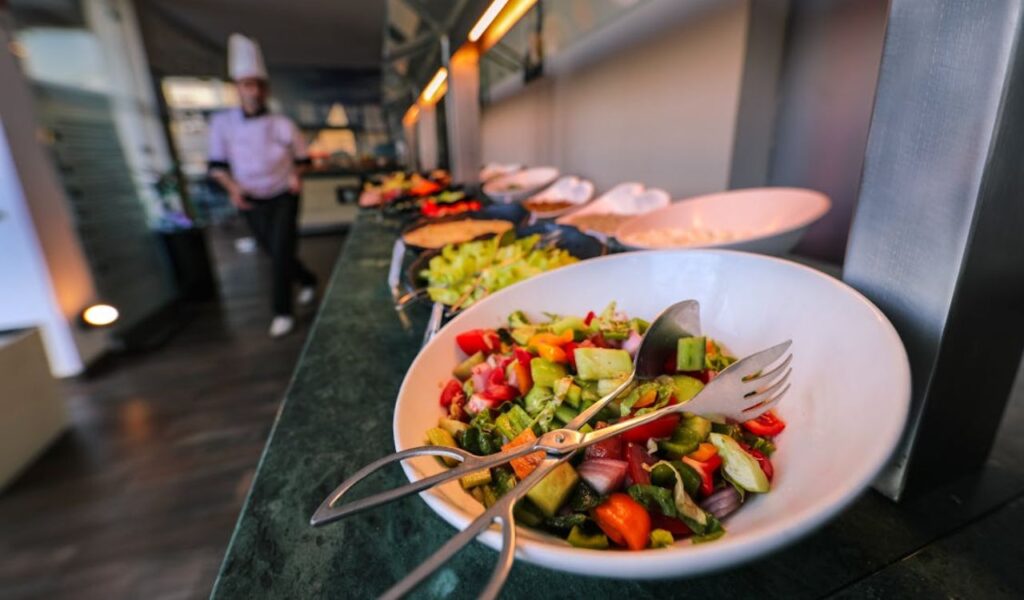
The buffet format is not disappearing entirely, but it is changing in response to new realities. Some restaurants are shifting toward premium buffets that emphasize quality ingredients and curated selections rather than large quantities of food. These upscale versions focus on experience rather than sheer abundance. Guests may encounter specialty dishes prepared by skilled chefs. Restaurants highlight freshness and presentation. The emphasis shifts from quantity to craftsmanship. This transformation redefines the buffet concept. Luxury buffet experiences are becoming more common. Quality now takes priority over unlimited portions.
In major cities, the buffet model will likely continue evolving rather than returning to its earlier form. Rising costs, sustainability concerns, and shifting dining habits have reshaped how restaurants think about large-scale self-service dining. The buffets that remain will probably look different from the classic all-you-can-eat spreads that once dominated urban restaurant scenes. Customer expectations continue to influence restaurant design. Innovation will determine how buffets survive in the future. The dining landscape will keep adapting. New concepts will redefine how buffet dining works.