Is a Le Creuset Pot Really Worth Spending Three Hundred Dollars

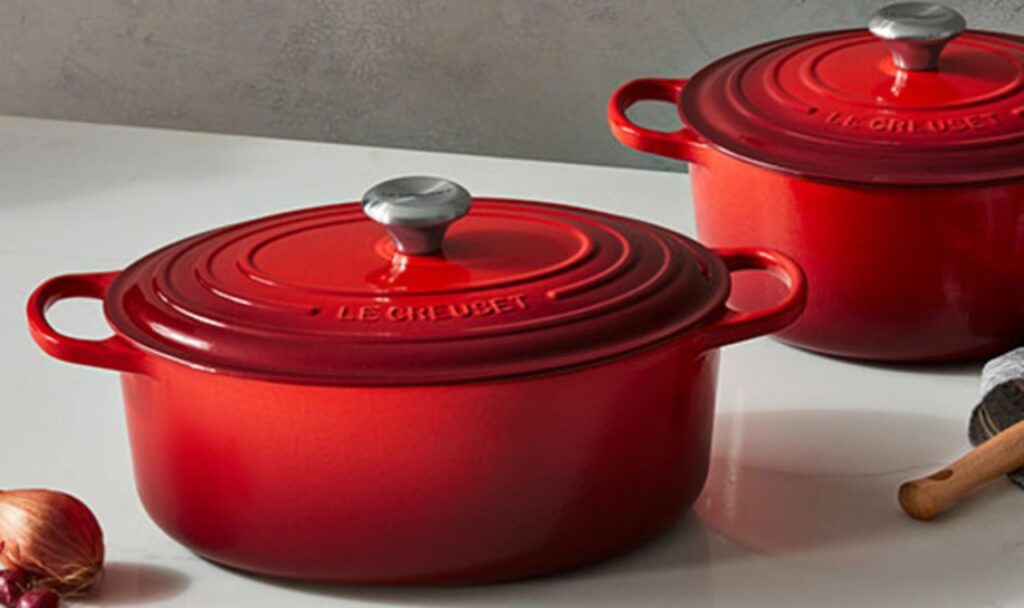
A Le Creuset pot is more than cookware; it is a presence in the kitchen that immediately signals intention and longevity. Its bold colors, substantial weight, and unmistakable shape suggest something built to last rather than follow trends. For many home cooks, it represents the idea of slowing down and cooking with care, whether that means simmering a stew for hours or baking bread straight in the pot. Yet the moment the price approaches three hundred dollars, hesitation sets in. That pause is natural because the cost forces people to question whether they are paying for performance, reputation, or simply aesthetics. Understanding that distinction is where the real evaluation begins.
What makes the question so compelling is that Le Creuset sits at the intersection of practicality and desire. On one hand, it is a functional tool meant to cook food evenly and reliably. On the other hand, it carries decades of brand history, visual appeal, and emotional value. Many buyers are not just purchasing a pot, but committing to a piece they expect to use for years, even decades. This blend of utility and aspiration is what makes the decision feel heavier than a typical kitchen purchase. Looking closely at what the pot delivers in daily use helps separate marketing mystique from genuine, tangible value.
What Makes a Le Creuset Pot Special
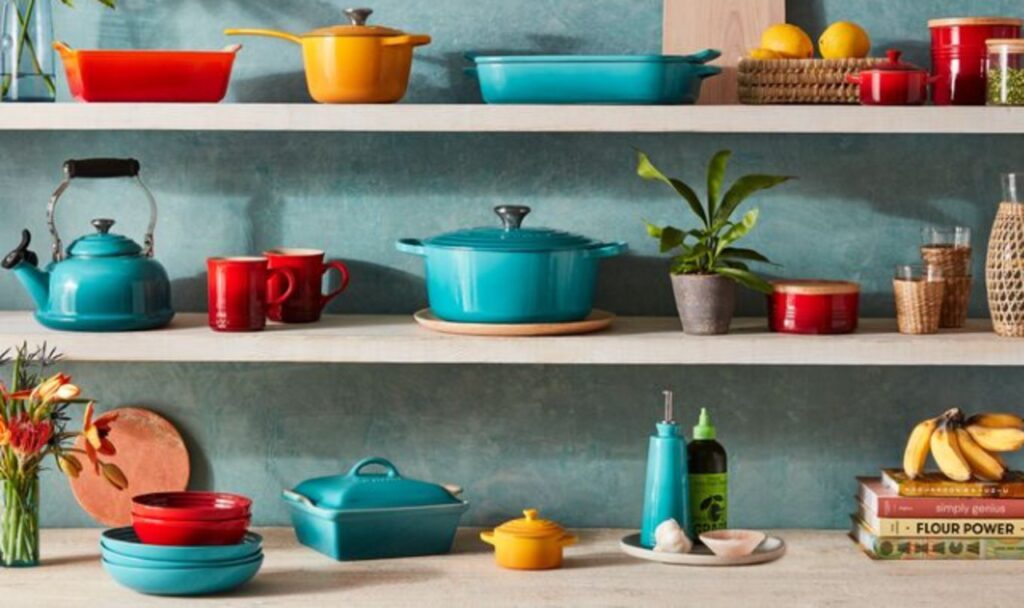
Le Creuset Dutch ovens stand out the moment you lift one, because their weight and balance signal substance. That heft comes from enameled cast iron, a material chosen not for convenience but for performance and longevity. Cast iron excels at holding and distributing heat evenly, which is essential for slow cooking, braising, and baking. The enamel coating adds another layer of practicality by sealing the iron, preventing rust, and eliminating the need for seasoning. It also stops acidic foods from reacting with the metal, preserving flavor and color. This combination allows the pot to handle a wide range of dishes while remaining easy to clean and maintain, even with frequent use.
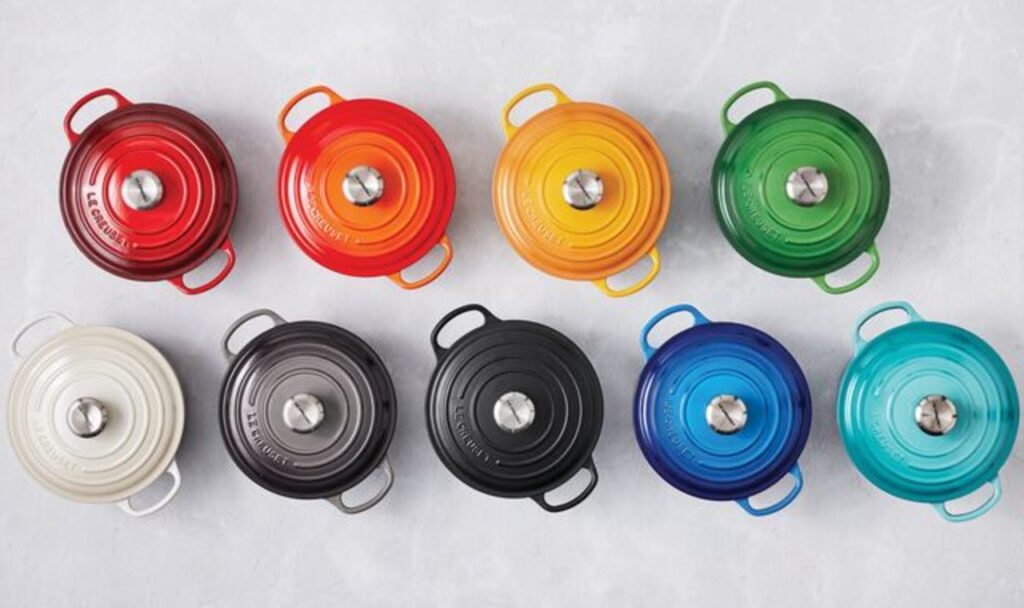
What truly sets these pots apart is how they are made. Each one begins as molten iron poured into individual sand molds, creating a dense structure that resists warping and cracking. The enamel is applied in multiple layers and fired at extremely high temperatures, forming a hard, glass-like surface bonded tightly to the iron. This process takes time and precision, which contributes to the cost. The result is a finish that resists staining, chipping, and dullness when treated with basic care. Beyond function, the rich colors and smooth curves give the pot a visual permanence, turning it into cookware that feels personal and lasting rather than disposable.
Performance That Justifies the Price
What truly separates a Le Creuset Dutch oven from less expensive cookware is how consistently it performs during everyday cooking. Enameled cast iron absorbs heat slowly and distributes it evenly across the entire surface, which prevents the hot spots that often scorch food in thinner pots. Once heated, the pot holds that temperature steadily, allowing flavors to develop gradually rather than unevenly. This is especially important for dishes like braises, soups, stews, and slow-simmered sauces, where stable heat determines texture and depth of flavor. The weight of the pot also plays a role, pressing ingredients evenly against the cooking surface so nothing cooks too fast or too slowly.
Versatility is another reason the performance feels worth the price for many cooks. A Le Creuset Dutch oven moves seamlessly from stovetop to oven, making it easy to sear meat, build flavor, and finish cooking in a single vessel. It works across gas, electric, induction, and even open flame heat sources, which adds flexibility in different kitchens. The enamel coating removes the need for seasoning while still offering excellent release and easy cleanup. It does not absorb odors or flavors, allowing cooks to move from savory dishes to baked goods without issue. Over time, this dependable performance turns the pot into a daily tool rather than an occasional specialty item.
Durability and Longevity You Can Feel
A Le Creuset pot is often judged by how it performs years after purchase, not just during its first uses. Enameled cast iron is naturally tough, and when combined with careful manufacturing, it becomes resilient. With basic care such as avoiding sudden temperature shocks, using gentle utensils, and cleaning without harsh abrasives, the pot can withstand daily cooking for decades. Many owners find that these pots outlast nearly every other piece of cookware they own. In a time when many kitchen items are designed for short lifespans, that endurance stands out. The pot does not warp easily, the enamel stays intact, and the cooking surface remains reliable after years of steady use.
That durability directly shapes the pot’s long-term value. While the upfront price can feel high, the cost spreads out over years of consistent performance. A pot that lasts 20 or 30 years replaces cheaper alternatives that might crack, chip, or lose effectiveness over time. Le Creuset also backs its cookware with a limited lifetime warranty against manufacturing defects, which reinforces confidence in the product. Some pots even improve slightly with age as the interior surface smooths through repeated use. Because of this longevity, older pieces retain strong resale and hand-me-down value, reframing the purchase as a lasting investment.
Comparing Alternatives and Cost
For those unfamiliar with premium cookware, it’s worth placing a Le Creuset pot next to its competitors. Less expensive Dutch ovens made by other brands typically use thinner materials, different casting techniques, or lower-grade enamel. These differences may not be instantly obvious with light cooking, but they show up under stress, uneven heating, enamel that chips more easily, or a shorter usable lifespan. Cheaper alternatives walk the line between affordability and performance, but they often require replacement sooner than expected, which can offset the initial savings. Over time, repeated replacements can quietly cost more than a single higher-quality purchase.
On the other hand, other premium brands sit in a similar price range. Some offer slight variations in shape, weight, or enamel finish, and some are made in different countries with differing quality control standards. Comparing these options helps clarify what you are paying for: consistent heat distribution, a thicker cast iron base for stability, and a finish that resists wear. For cooks who use a Dutch oven rarely, a mid-range alternative might feel sufficient. But for those who cook regularly and want reliable performance without frequent replacement, the added cost of a Le Creuset becomes easier to justify.
Who Really Benefits From a Le Creuset Pot
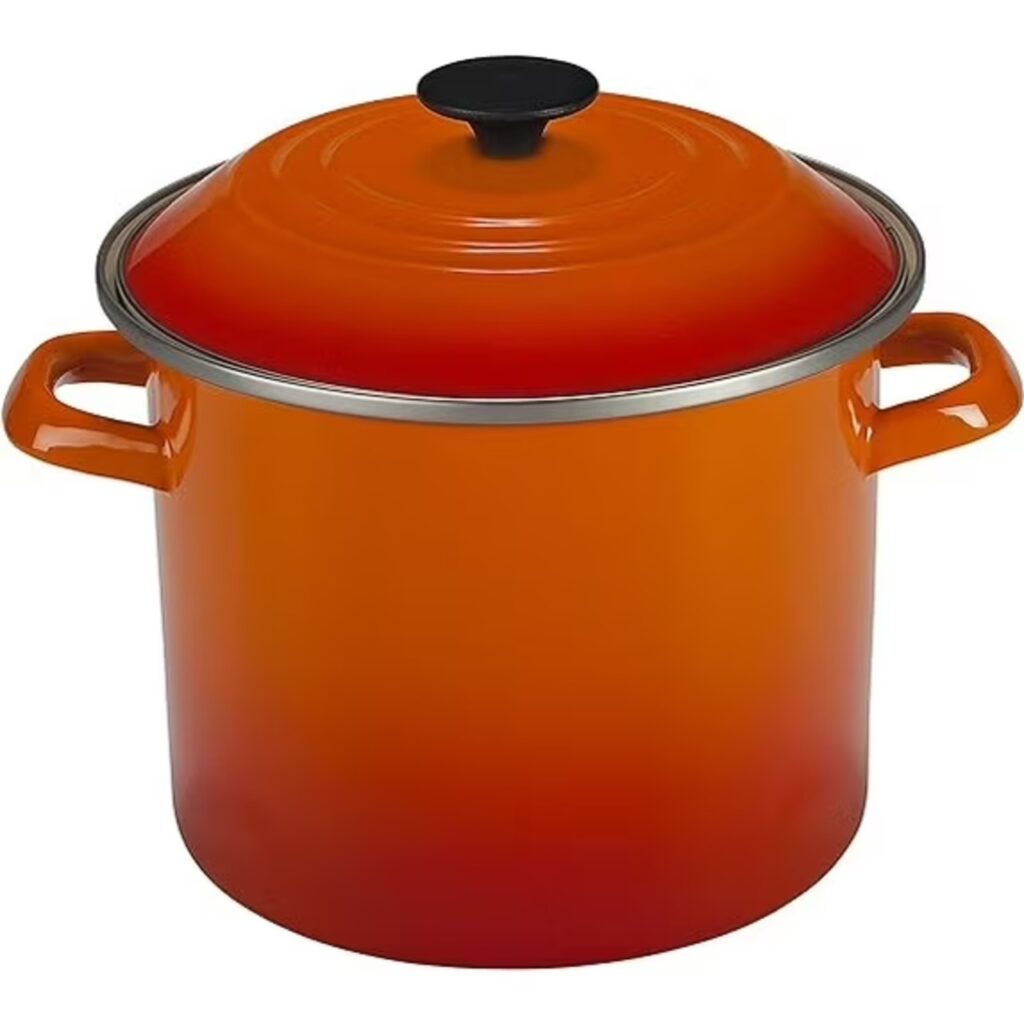
Not every cook truly needs a Le Creuset pot, and recognizing that is key to making a smart decision. For occasional cooks who prepare stews, roasts, or soups only a few times a year, a less expensive Dutch oven can often deliver perfectly acceptable results. Casual use does not place much stress on cookware, so the performance gap may never become obvious. Renters, students, or anyone with limited storage may also favor lighter, multi-purpose tools that are easier to move and replace. In these situations, spending several hundred dollars on a single heavy pot can feel excessive, especially if it spends most of its time stored away rather than on the stove.
The calculation changes for people who cook often and rely on a small set of trusted tools. Dedicated home cooks, frequent hosts, and those who enjoy slow cooking benefit most from what a Le Creuset pot offers. Its steady heat, durability, and versatility make it suitable for daily meals as well as special occasions. Over time, it becomes a familiar, dependable part of the cooking routine rather than an occasional specialty item. The visual appeal also matters more to these users, as the pot often moves from stove to table. For them, the cost feels justified not by prestige but by years of consistent performance and enjoyment that improve the overall cooking experience.
References
- Should You Spend $300 on a Le Creuset Pot? I Asked Experts if It’s Worth the Splurge – cnet.com
- Is Le Creuset worth the money? I test cookware for a living – and here are my honest thoughts – inkl.com
- Le Creuset cookware is pricey, but its cast iron and stoneware pieces can last for years, if not decades — here’s why they’re worth the investment – kitchen1315.rssing.com