11 Unusual Ways to Cook Meat That Are Surprisingly Tasty

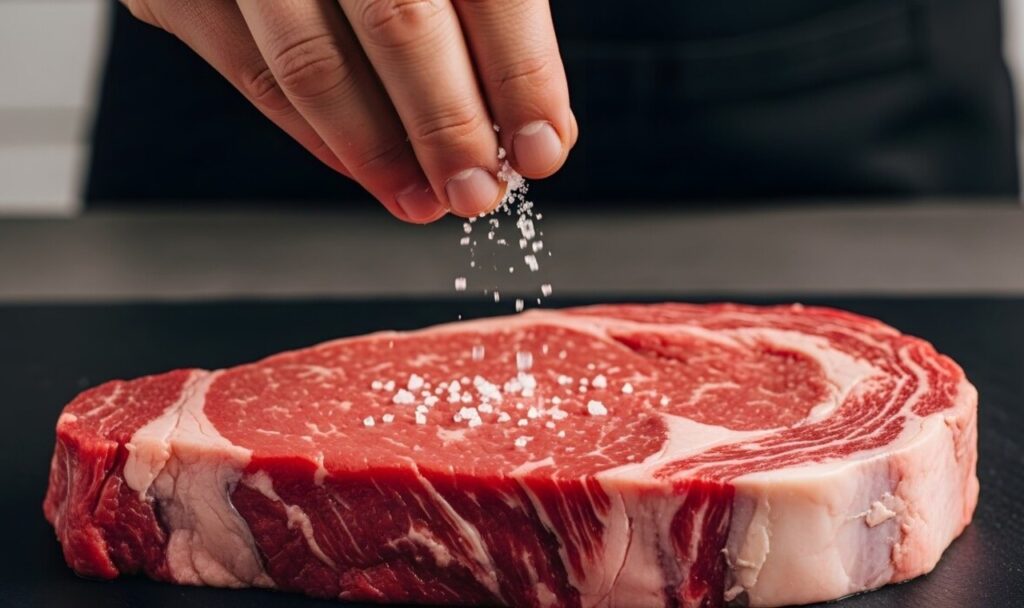
Cooking meat often follows familiar rules, but some of the most memorable flavors come from breaking them. Across cultures and kitchens, cooks have discovered unexpected techniques that transform texture, deepen flavor, and unlock qualities meat does not reveal through ordinary methods. These approaches may sound unusual at first, yet they are grounded in science, tradition, and careful control of heat, moisture, and time. From sealing meat in salt to infusing it with subtle smoke or unexpected marinades, each method works with the natural structure of meat rather than against it. The result is food that tastes richer, feels more tender, and surprises in the best way.
1. Salt-Baked Meats
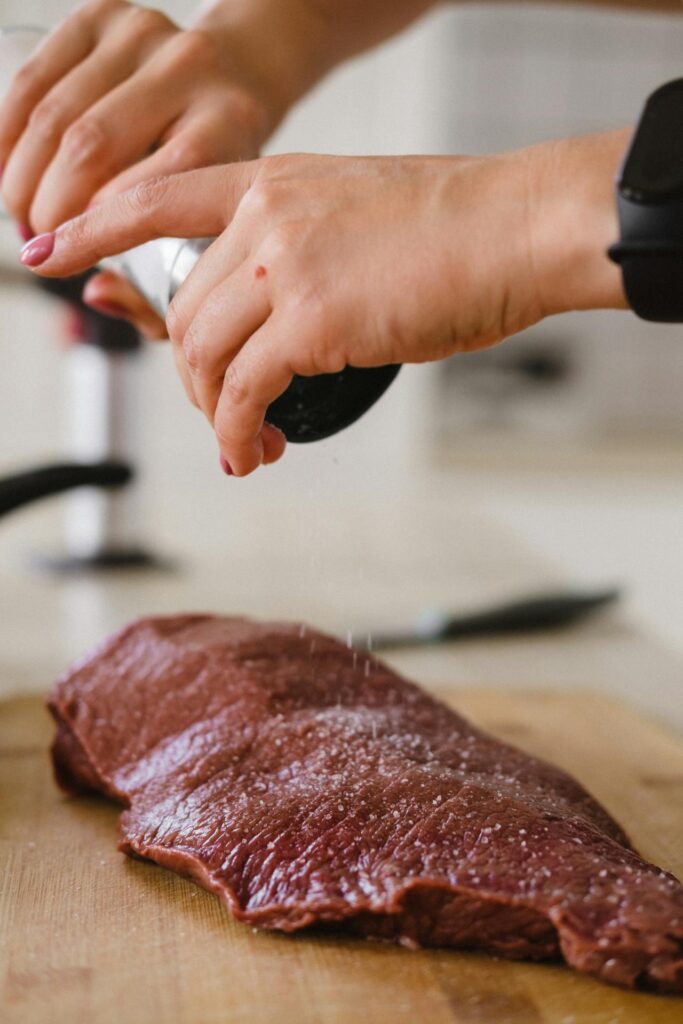
Cooking meat inside a thick salt crust looks extreme, but the method works because of how salt behaves under heat. The crust hardens quickly, forming a sealed shell that traps moisture and heat inside. This creates an oven-like environment around the meat, allowing it to cook evenly and gently. The salt does not aggressively season the meat because the crust stays mostly external and intact. Instead, it protects the meat from drying out. As proteins cook slowly, they retain their juices, producing exceptionally tender results. This method works especially well with whole fish, chicken, and larger cuts of meat.
2. Coffee-Rubbed Beef
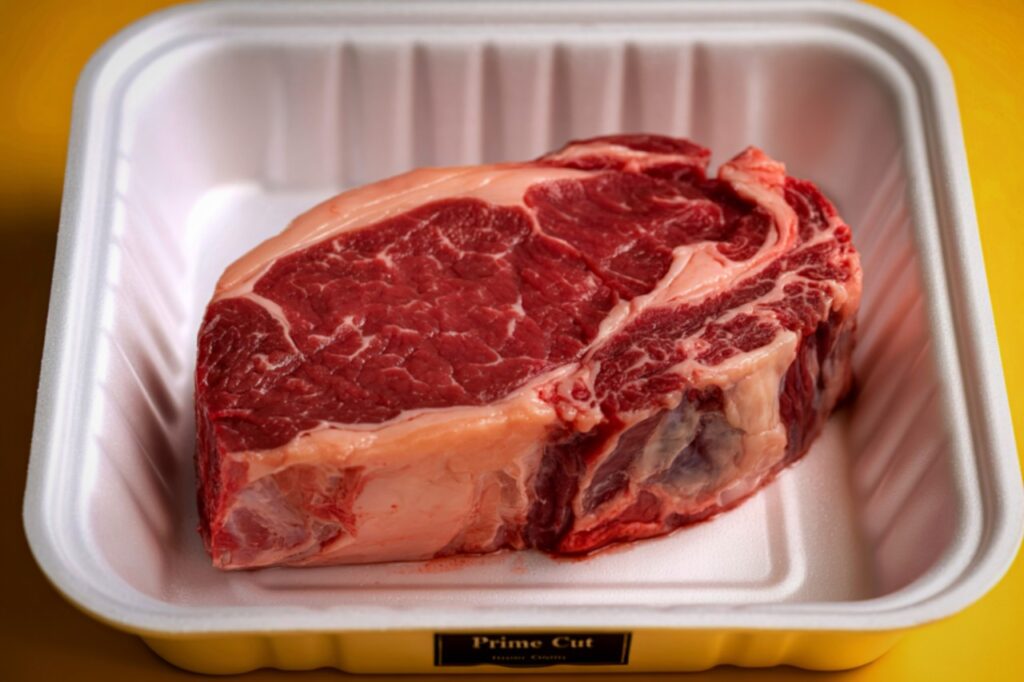
Using coffee as a spice surprises many people, yet it pairs naturally with beef. Coffee contains bitter, roasted compounds that echo the flavors created when meat browns. When used in a dry rub, ground coffee contributes depth rather than bitterness. During cooking, sugars and amino acids on the meat’s surface react with the coffee, forming a dark, flavorful crust. The bitterness balances the richness of fatty cuts like brisket or steak. Coffee also enhances savory notes without making the meat taste like breakfast. When applied properly and not overused, it disappears into the background, leaving behind complexity and warmth.
3. Milk-Braised Pork or Chicken
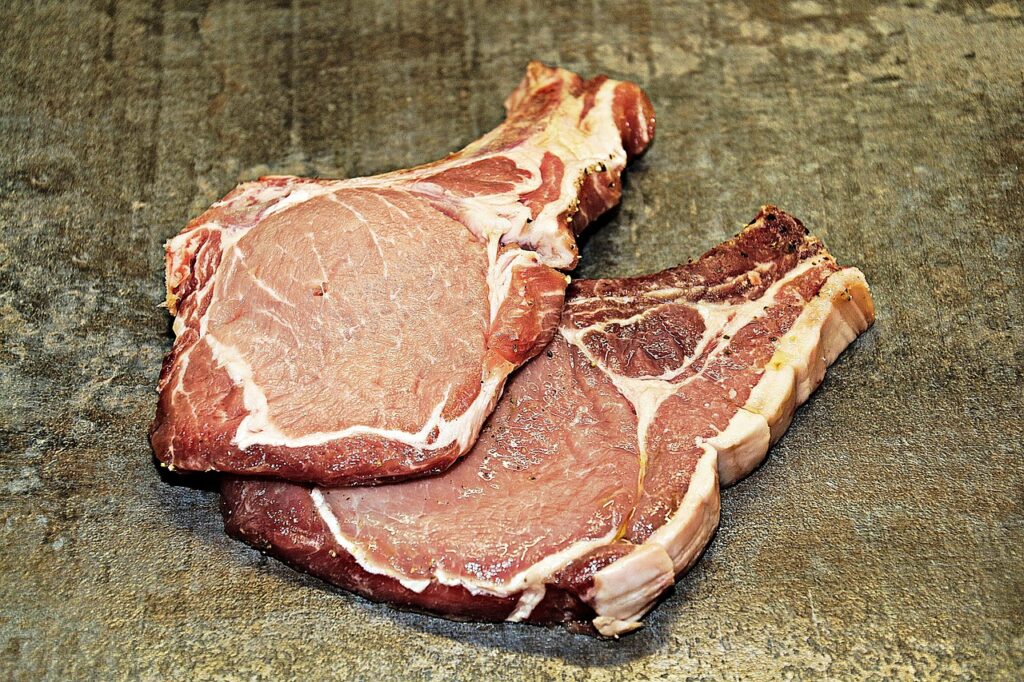
Milk may seem like an odd braising liquid, but it changes meat in subtle and effective ways. Milk contains proteins and sugars that interact with heat over time. As the milk simmers, it gently breaks down muscle fibers, helping tenderize tougher cuts. The milk eventually separates, forming curds that coat the meat and protect it from drying out. These curds combine with rendered fat and meat juices to form a rich, savory sauce with nutty undertones. The flavor remains mild and comforting rather than dairy-forward. This technique is especially effective for pork and chicken, where long cooking transforms texture without overpowering the meat’s natural taste.
4. Tea-Smoked Meat
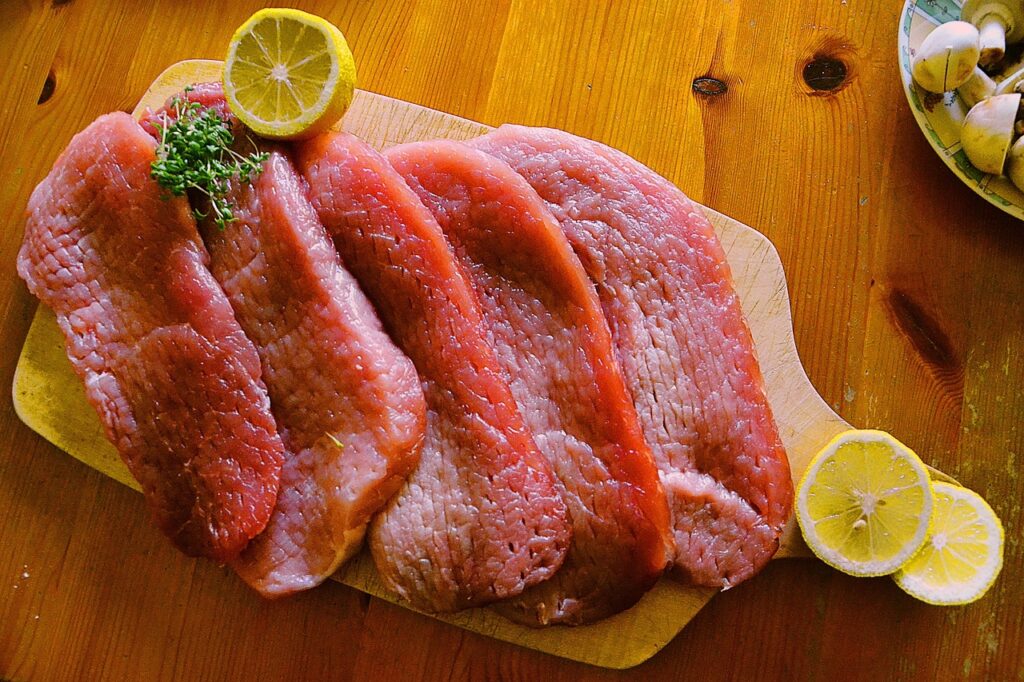
Tea smoking uses dry heat and aromatic compounds to add flavor without heavy smoke. Tea leaves contain oils and tannins that release fragrance when heated. When combined with rice or sugar and gently smoked, they create a controlled environment that perfumes the meat. The smoke is lighter than wood smoke, making it ideal for poultry, pork, and thin cuts. Tea adds floral, earthy, or smoky notes depending on the variety used. Because the smoke exposure is brief, the meat absorbs aroma without bitterness. This method enhances flavor without overwhelming it, offering a subtle complexity that feels refined and balanced.
5. Sous-Vide with Butter Only
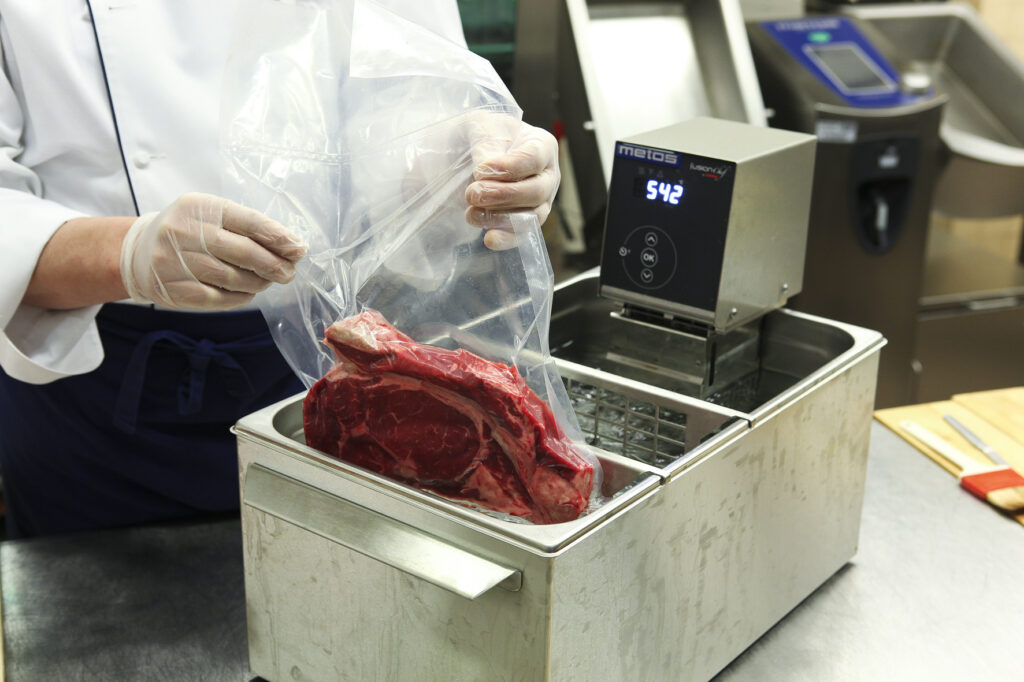
Sous-vide cooking focuses on precision and restraint. Cooking meat slowly in a temperature-controlled water bath prevents overcooking and moisture loss. When butter is used as the only addition, it acts as both fat and flavor carrier. Butter melts and coats the meat evenly, helping conduct heat and preserve tenderness. Because temperatures stay low and steady, proteins do not tighten aggressively, resulting in a soft, uniform texture. The butter absorbs meat juices and enhances richness without masking flavor. After cooking, a quick sear adds texture while preserving the interior. This method highlights the meat itself rather than relying on seasoning.
6. Hay-Roasted Lamb or Chicken
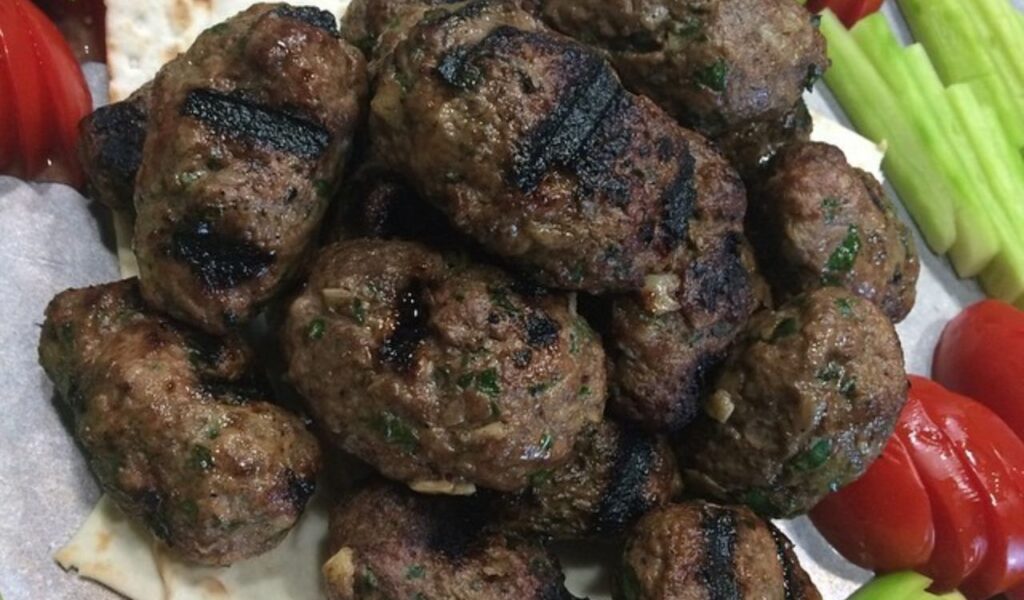
Roasting meat on dried hay introduces aroma rather than direct flavor. Hay contains dried grasses and herbs that release fragrant oils when heated. As the meat roasts, steam carries these aromas upward, subtly infusing the meat. The hay also acts as insulation, moderating heat and preventing scorching. This method works well with lamb and chicken, meats that pair naturally with herbal notes. The result is not grassy-tasting meat, but meat with added depth and warmth. The technique relies on controlled exposure and indirect flavor transfer, making it surprisingly gentle and effective. It enhances the natural character of the meat without overpowering it or altering its texture.
7. Chocolate-Mole Braising
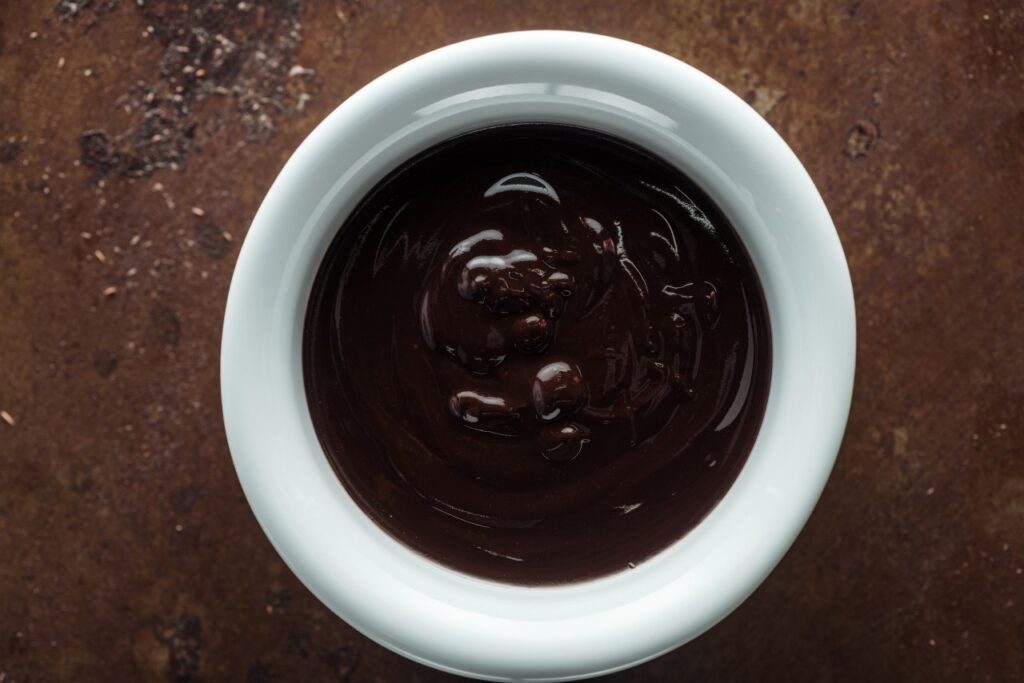
Chocolate in savory cooking works because it contributes bitterness, fat, and complexity rather than sweetness. In braised meat dishes, dark chocolate melts into the sauce, thickening it and rounding out sharp flavors. Cocoa solids enhance savory depth, especially when combined with spices and chiles. During long cooking, the chocolate integrates fully, leaving no distinct chocolate flavor. Instead, it supports the sauce’s structure and richness. This technique is effective because it balances acidity and heat while reinforcing umami. Used sparingly, chocolate deepens meat dishes without drawing attention to itself.
8. Clay-Pot Cooking
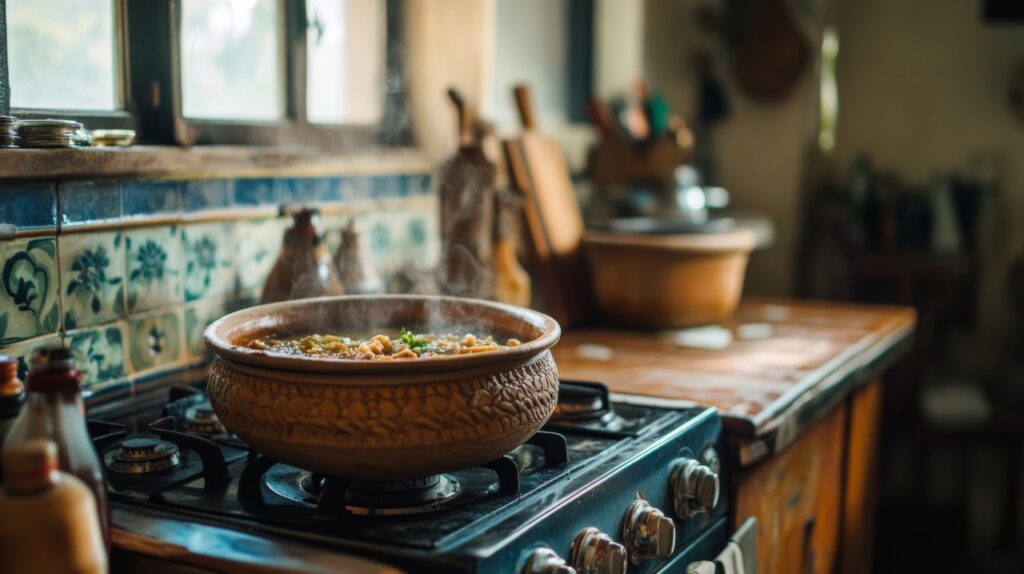
Clay pots cook meat using gentle, even heat and trapped steam. The porous material absorbs moisture and releases it slowly, creating a stable cooking environment. As steam circulates inside the sealed pot, meat cooks evenly and remains tender. This method reduces the need for added fat because moisture does most of the work. Clay also distributes heat more evenly than metal, preventing hot spots. The result is meat that is soft, flavorful, and evenly cooked. Clay-pot cooking excels at slow preparations where texture matters more than browning. Because the heat is so gentle, delicate cuts are less likely to dry out or toughen during long cooking.
9. Fish Sauce–Marinated Meats

Fish sauce works as a marinade because of its high glutamate content, which enhances umami. Despite its strong smell, it mellows during cooking and disappears into the meat. The salt content helps draw moisture to the surface, allowing flavor to penetrate more effectively. Fish sauce also promotes browning by encouraging surface reactions during cooking. It works well with pork, chicken, and beef, adding depth without tasting fishy. The key is moderation. Used correctly, fish sauce strengthens savory flavor and tenderness while remaining invisible in the final dish. It functions much like salt, but with added complexity that plain seasoning cannot provide.
10. Cold-Smoking Before Cooking
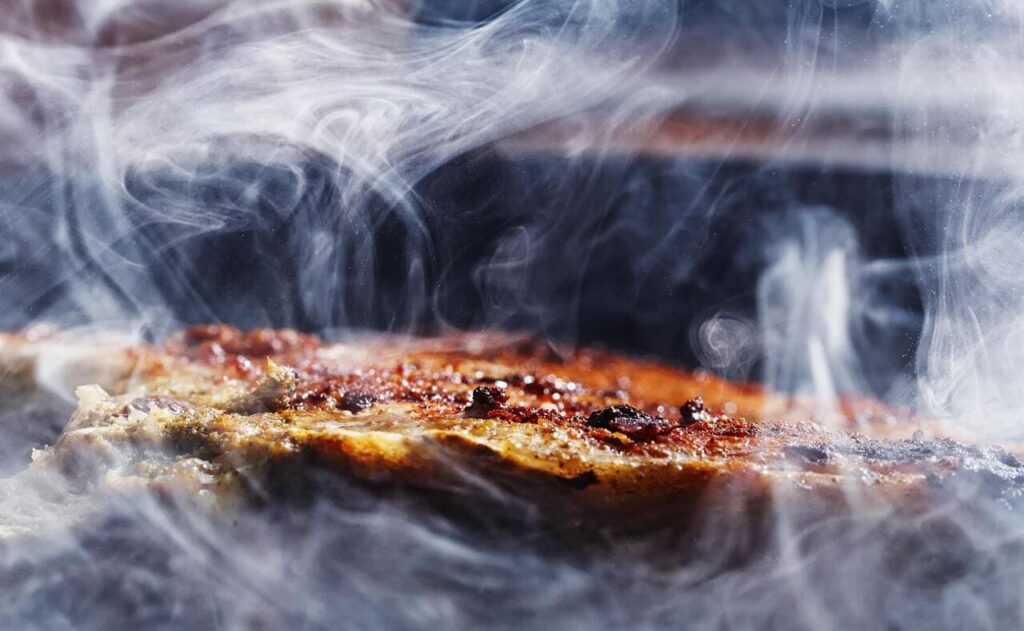
Cold smoking adds aroma without applying heat. Meat is exposed to cool smoke, allowing it to absorb flavor while remaining raw. This technique layers complexity before the main cooking process. Because the meat is not cooked, the texture remains unchanged until grilling, roasting, or pan-searing. Cold smoking works especially well for thicker cuts that benefit from flavor penetration. The result is meat with a deeper, more developed aroma that carries through cooking. This method requires careful control, but when done properly, it adds flavor without altering doneness or moisture. The smoke becomes a background note rather than the dominant flavor.
11. Pressure-Cooked Then Crisped
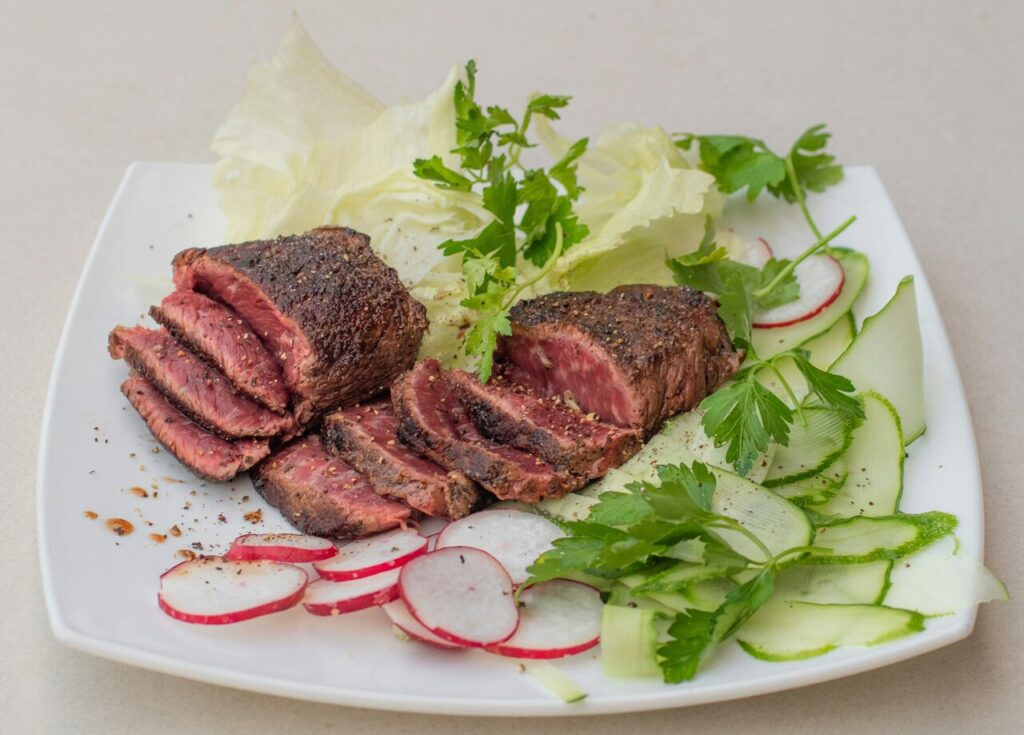
Pressure cooking uses steam and pressure to break down tough connective tissue quickly. This makes traditionally slow-cooked cuts tender in a fraction of the time. However, pressure cooking alone sacrifices texture. Finishing the meat with high heat restores crispness and browning. This two-step approach delivers both tenderness and texture. The interior becomes soft and juicy, while the exterior gains color and bite. This method works well for ribs, pork belly, and tougher cuts. It combines speed with quality by using science rather than shortcuts. The final high-heat step is essential for recreating the satisfaction of slow roasting or frying.