10 Rice Noodle Hacks Blowing Up Kitchens Right Now

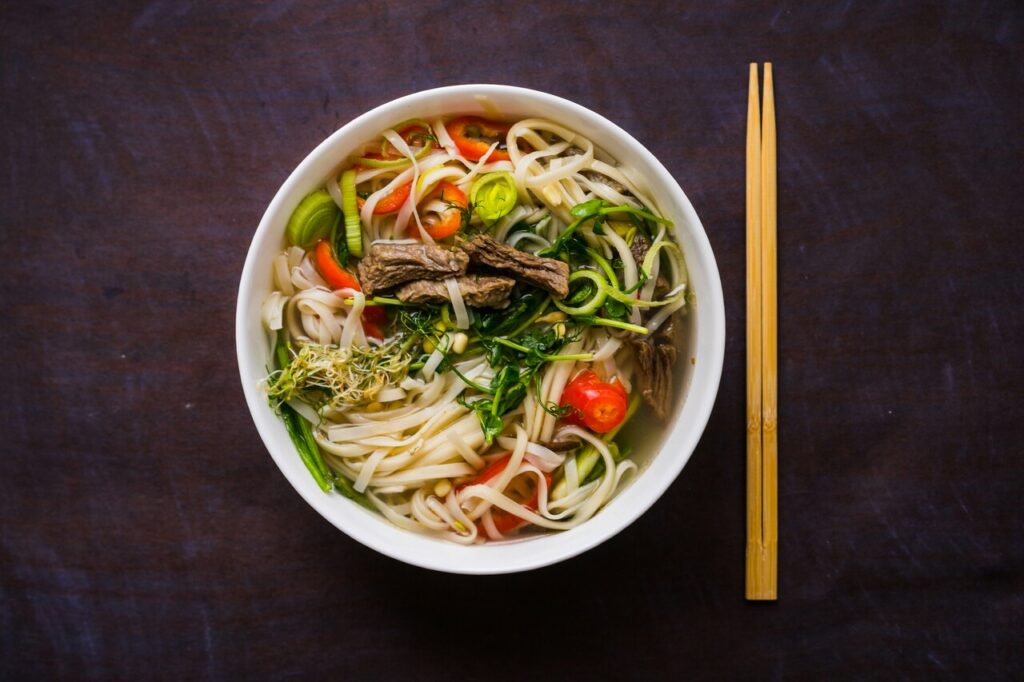
Rice noodles have become a kitchen favorite because they cook quickly and adapt to countless flavors, yet many home cooks still struggle with clumping, breakage, or bland results. New cooking tricks and prep shortcuts are helping people unlock better texture, brighter flavor, and smoother cooking with minimal effort. From soaking techniques to smarter seasoning and finishing touches, these trending hacks show how small changes can turn simple rice noodles into dishes that taste fresher, lighter, and far more satisfying at home.
1. Quick Garlic Rice Noodles
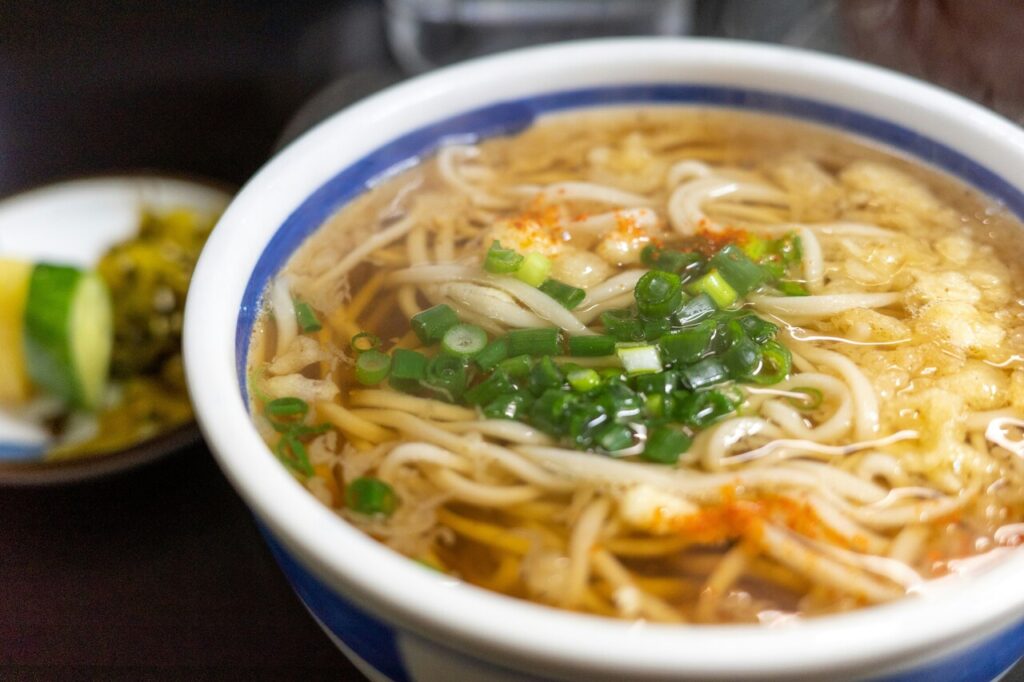
Few ingredients transform rice noodles as dramatically as garlic, which explains why garlic-forward noodle bowls keep spreading through home kitchens. Rice noodles absorb flavor quickly, and sautéed garlic combined with oil, soy sauce, and vegetables creates a deeply savory dish.
Tossing softened noodles directly into the pan allows them to absorb oil and seasoning evenly, keeping their texture springy rather than greasy or soggy.
Busy cooks appreciate how a few pantry staples create satisfying results, and rice noodles’ quick cooking time makes them ideal for weeknight meals that still taste restaurant-worthy without heavy sauces or lengthy preparation.
2. Balancing Protein with Crunchy Vegetables
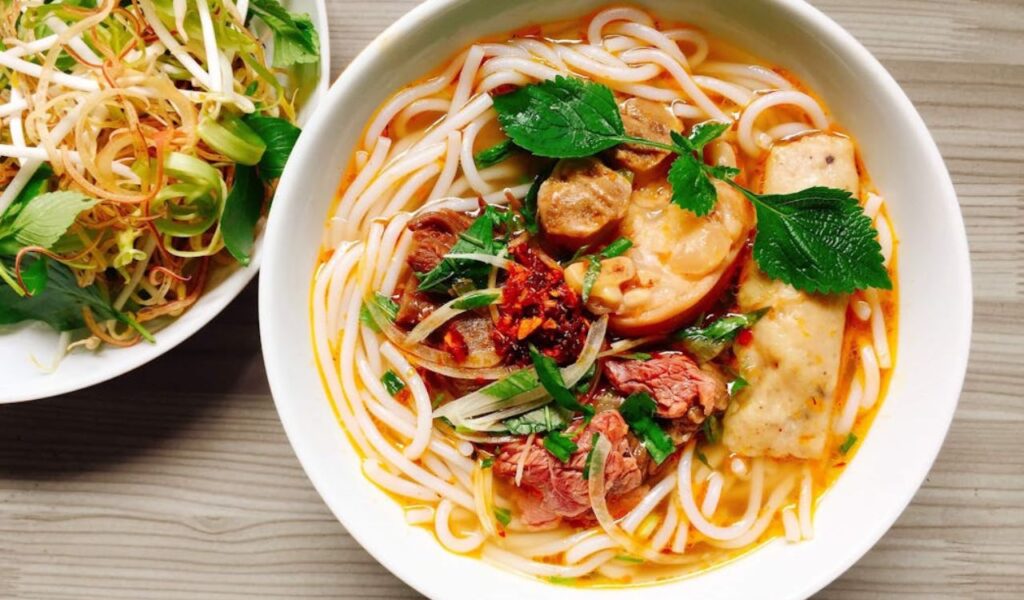
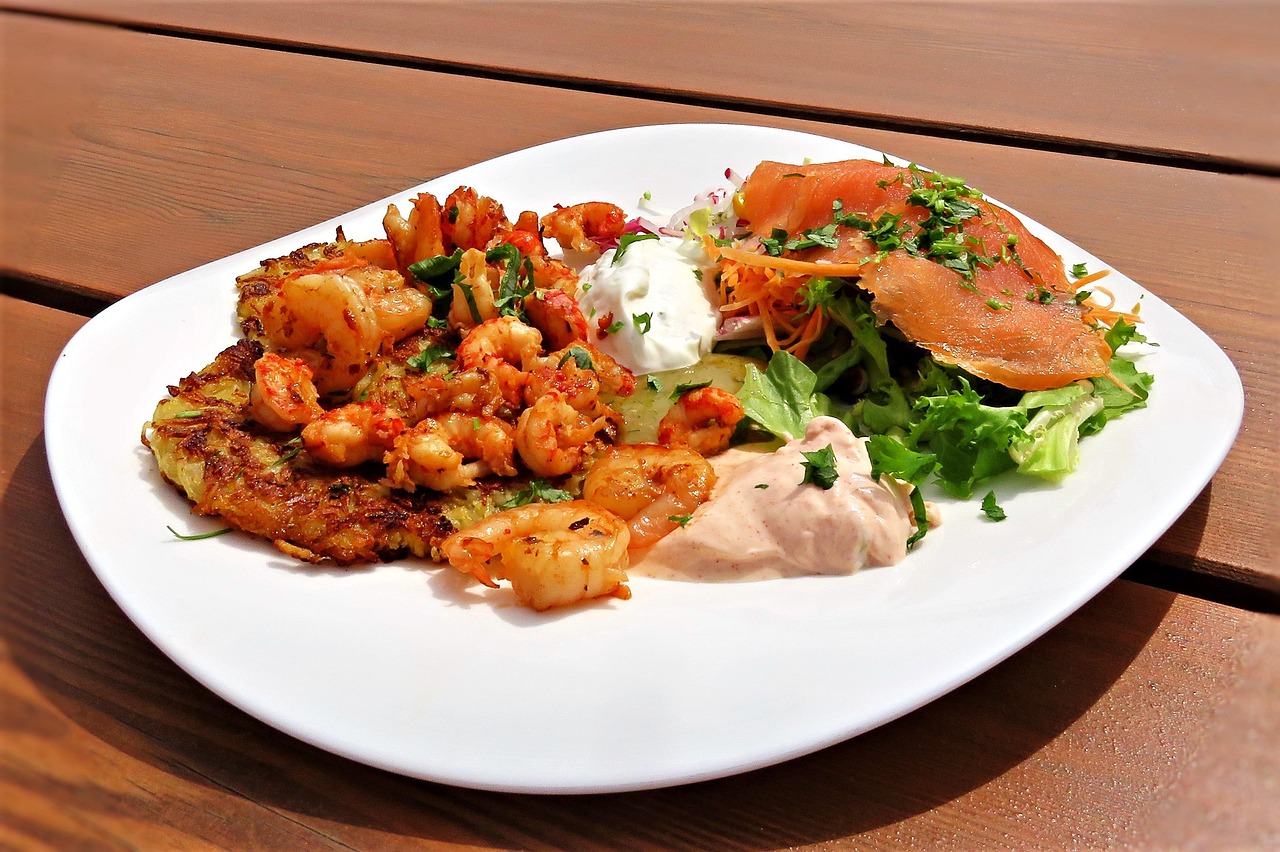
Modern rice noodle dishes increasingly combine stir-fried noodles with fresh vegetable salads, creating bowls that mix hot and cold textures in one meal. This approach keeps dishes lighter while adding nutritional balance and visual appeal, something traditional stir-fries sometimes lack.
Crunchy greens, carrots, or cucumbers added at the end provide contrast that prevents meals from feeling heavy or monotonous, while herbs brighten flavors naturally.
This method resonates with cooks seeking healthier meals without sacrificing satisfaction. Combining cooked noodles with crisp components creates layered textures that feel fresh and filling at once, turning simple noodle bowls into more dynamic, restaurant-style plates.
3. Soaking Noodles Instead of Boiling
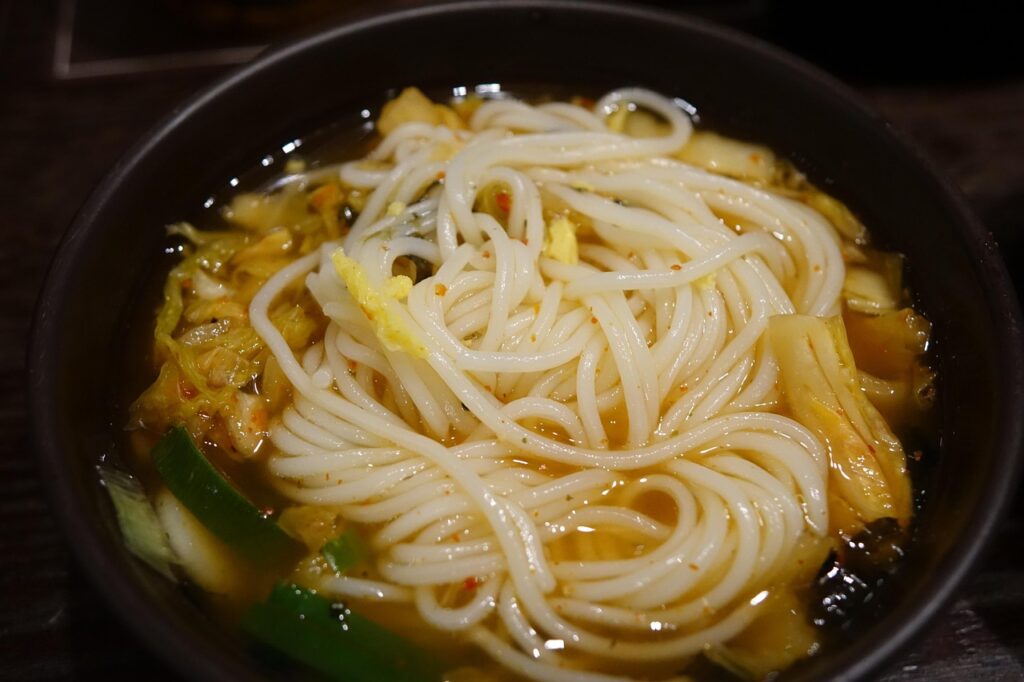
One of the biggest mistakes with rice noodles is boiling them like wheat pasta, which often produces soft, fragile strands. Soaking noodles in hot water instead allows them to soften gradually while maintaining elasticity for stir-frying or tossing with sauce.
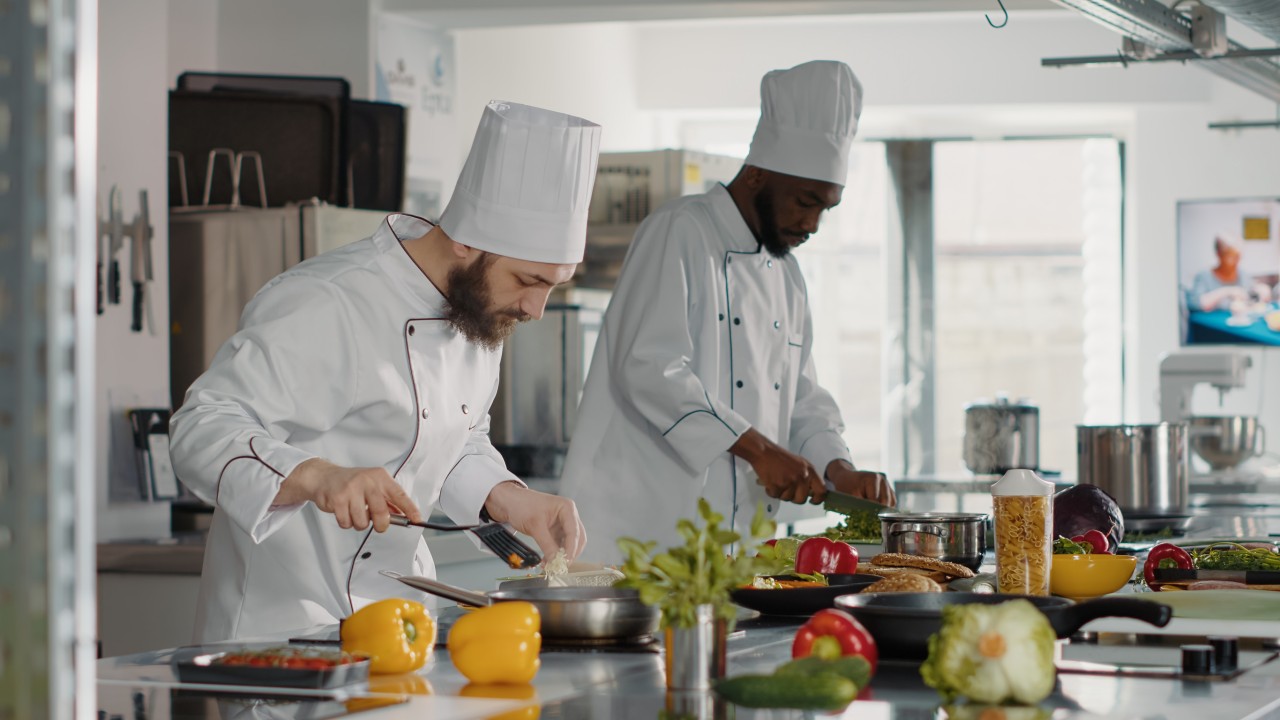
Professional kitchens often hydrate noodles before final cooking so they finish softening directly in sauces or woks. This prevents overcooking and helps noodles absorb flavor while keeping their structure intact during tossing.
Home cooks adopting this approach notice fewer broken strands and less clumping. The soaking technique gives more control over texture, making rice noodles easier to handle whether preparing pad thai, soups, or cold noodle salads.
4. Cold Rinse for Better Texture
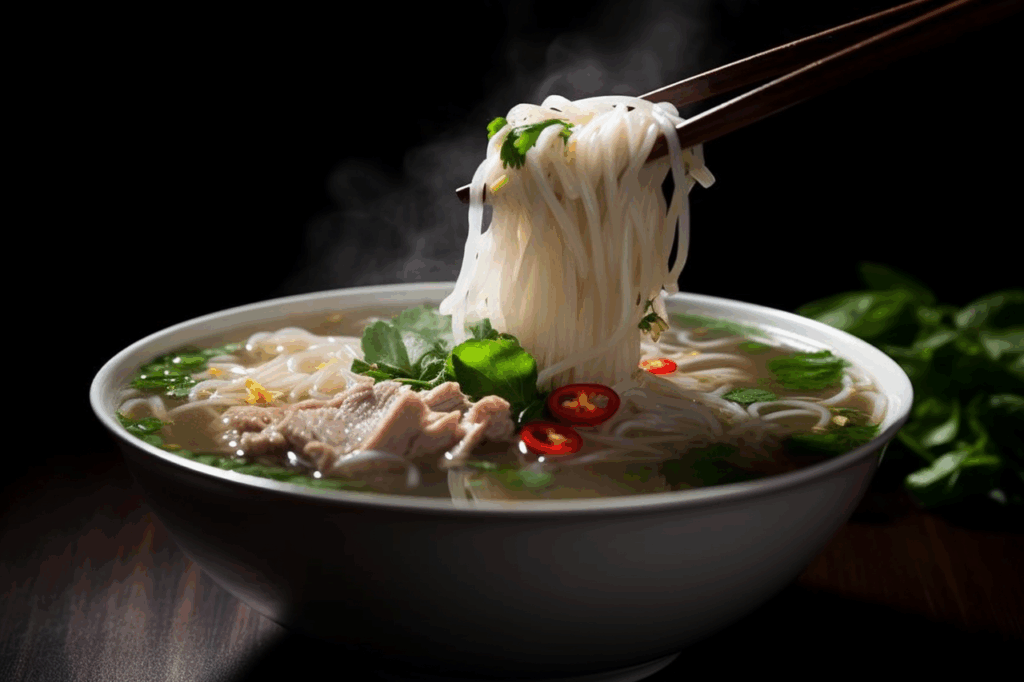
After soaking, rinsing rice noodles under cold water washes away excess surface starch that causes strands to stick together. This simple step improves texture and prevents noodles from forming dense clumps before cooking continues.
Cold water also stops residual cooking, preserving a slightly firm bite that holds up better in stir-fries. Without rinsing, noodles continue softening, often becoming mushy once reheated or tossed with sauce.
This hack proves especially useful for noodle salads and meal prep dishes. Clean, separated strands store and reheat better, giving cooks consistent texture even when meals sit for several hours before serving.
5. Tossing with Sauce Early
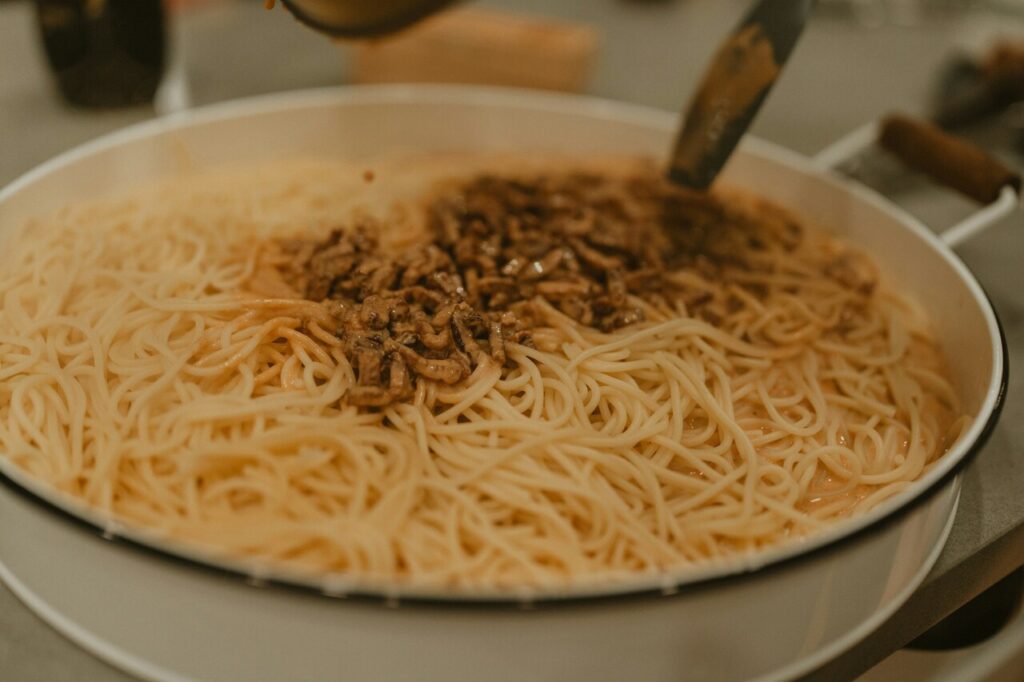
Rice noodles absorb flavor quickly, making early sauce mixing an effective strategy. Tossing noodles with soy sauce, fish sauce, or other seasonings soon after softening allows flavors to soak in rather than merely coat the surface.
When the sauce gets added too late, the noodles sometimes remain bland underneath oily coatings. Early seasoning distributes flavor evenly and helps noodles stay separate during cooking by lightly coating strands.
Cooks appreciate how this method simplifies seasoning decisions later. Once noodles carry flavor, adding vegetables or protein becomes easier, and final adjustments focus on balance rather than trying to rescue under-seasoned dishes.
6. Choosing Fresh Rice Noodles
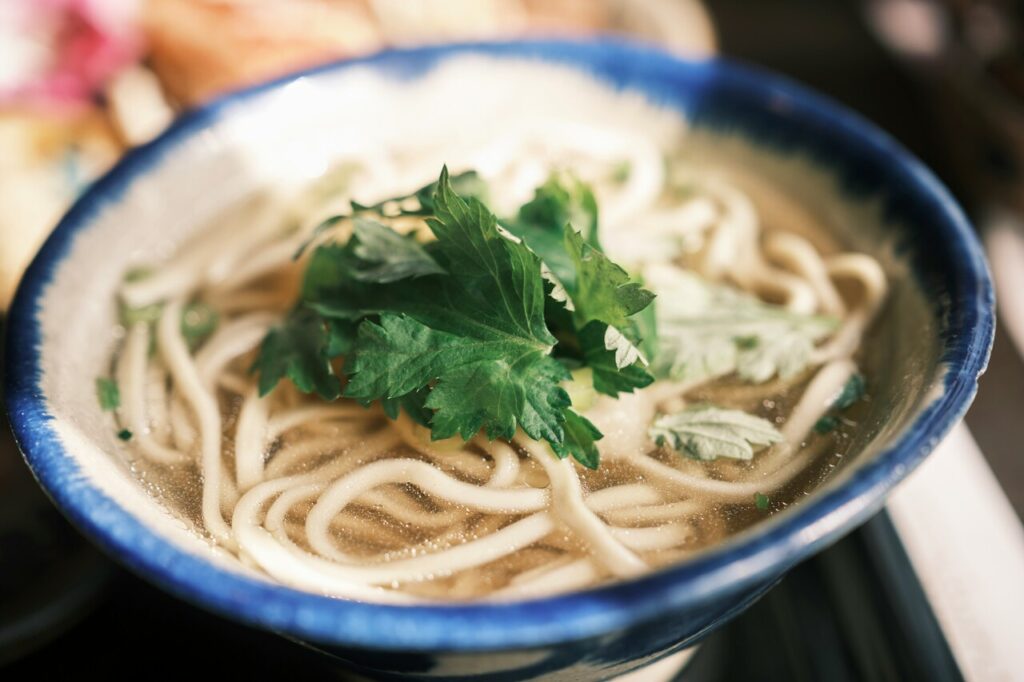
Fresh rice noodles, commonly used in dishes like ho fun, deliver softer, silkier textures than dried varieties. Because they arrive already hydrated, they require minimal cooking, reducing the risk of over-softening during stir-frying.
Fresh noodles also resist clumping better when handled gently. Heating them briefly with oil loosens strands, creating glossy, chewy noodles that absorb sauces without becoming sticky or brittle.
Many cooks switch to fresh noodles after experiencing texture differences. Their convenience and ability to maintain structure in hot pans make them increasingly popular for home cooks seeking restaurant-style results with less preparation effort.
7. Stir-Frying Vegetables First
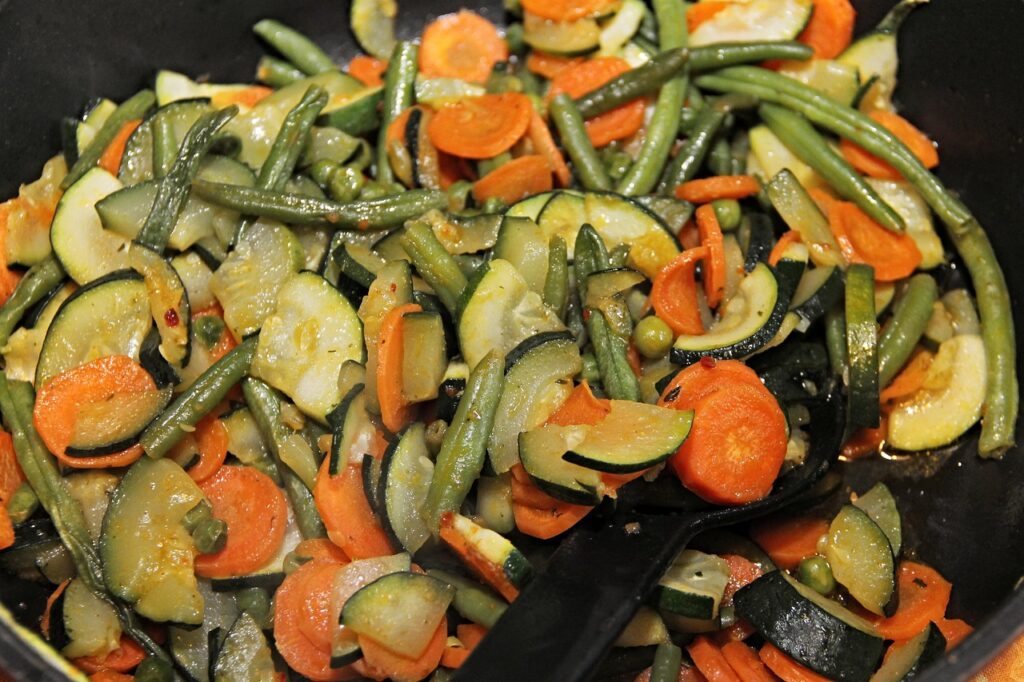
Cooking vegetables before adding noodles creates a deeper flavor because vegetables release moisture and caramelize slightly in hot oil. This builds flavor layers that coat noodles once they enter the pan.
Adding noodles too early lowers the pan temperature, causing ingredients to steam rather than fry. Stir-frying vegetables and proteins first ensures everything stays crisp while preventing noodles from becoming soggy.
Home cooks adopting this sequence notice brighter flavors and improved texture. Separating cooking stages keeps noodles intact while allowing vegetables to retain color and crunch, creating dishes that taste fresher and more balanced.
8. Adding Acid and Herbs at the End
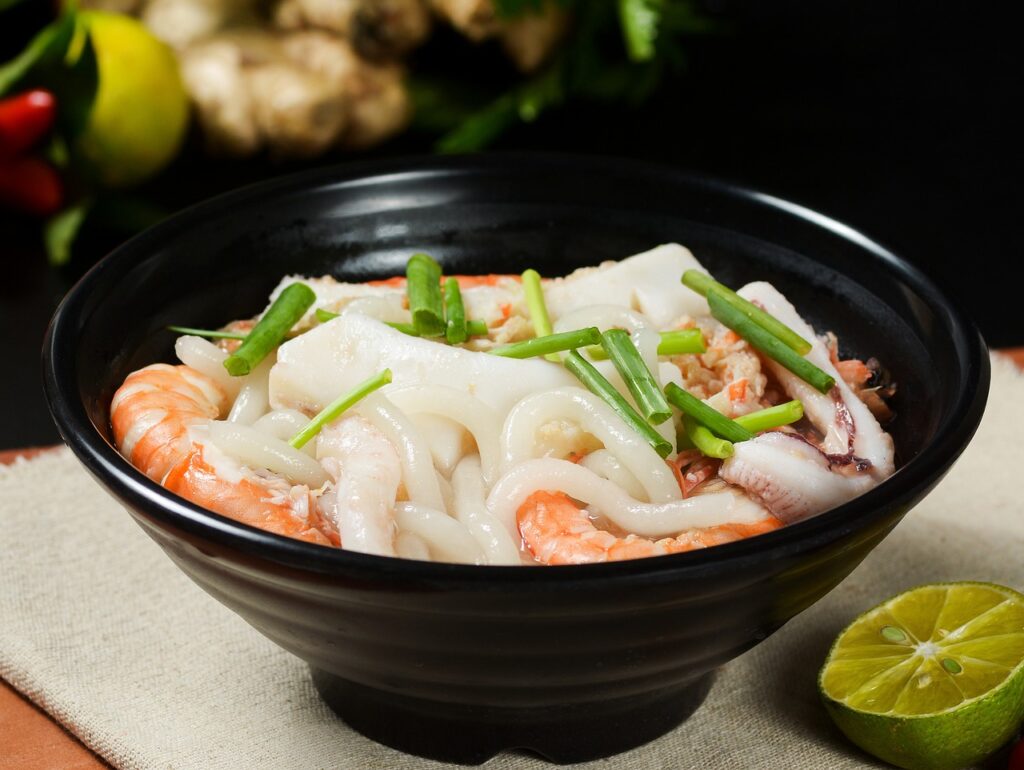
Fresh herbs and acidic ingredients like lime juice often appear after cooking because heat dulls their brightness. Adding them at the end preserves aroma and lifts heavier flavors from oil and sauces.
Rice noodles pair especially well with cilantro, basil, and scallions, which bring freshness that balances savory or spicy sauces. Acidic touches sharpen flavors without adding extra salt or sugar.
This finishing step turns simple noodle dishes into vibrant meals. Even heavily seasoned stir-fries benefit from fresh elements that cut richness, helping dishes taste lighter while maintaining satisfying depth.
9. Crispy Garlic and Shallot Toppings
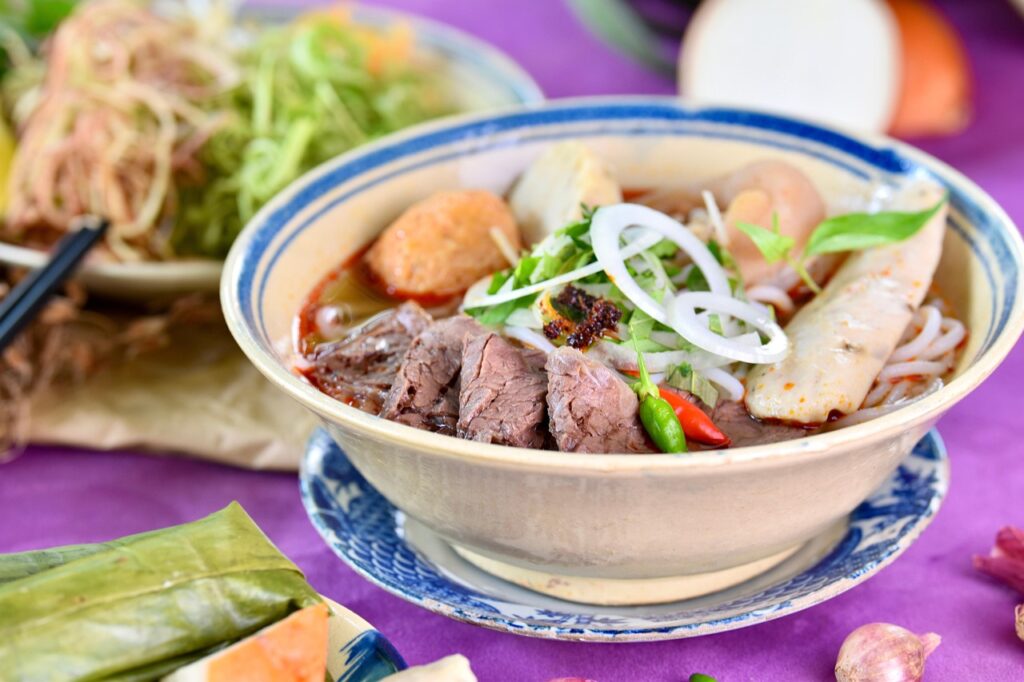
Crunchy toppings add texture contrast that soft noodles lack. Thinly sliced garlic or shallots, cooked until crisp, make flavorful garnishes that elevate noodle bowls with minimal effort. Fried onions, toasted peanuts, or crushed wonton strips can offer a similar crunch while adding savory depth.
These toppings store well and can be prepared in batches, making them convenient additions to many meals. Sprinkling them over noodles adds aroma and crunch without altering base flavors.
Cooks enjoy how simple toppings change texture dramatically. Crispy elements provide restaurant-style finishing touches that transform everyday noodle dishes into something special while maintaining familiar flavors.
10. Bundling Noodles Before Soaking
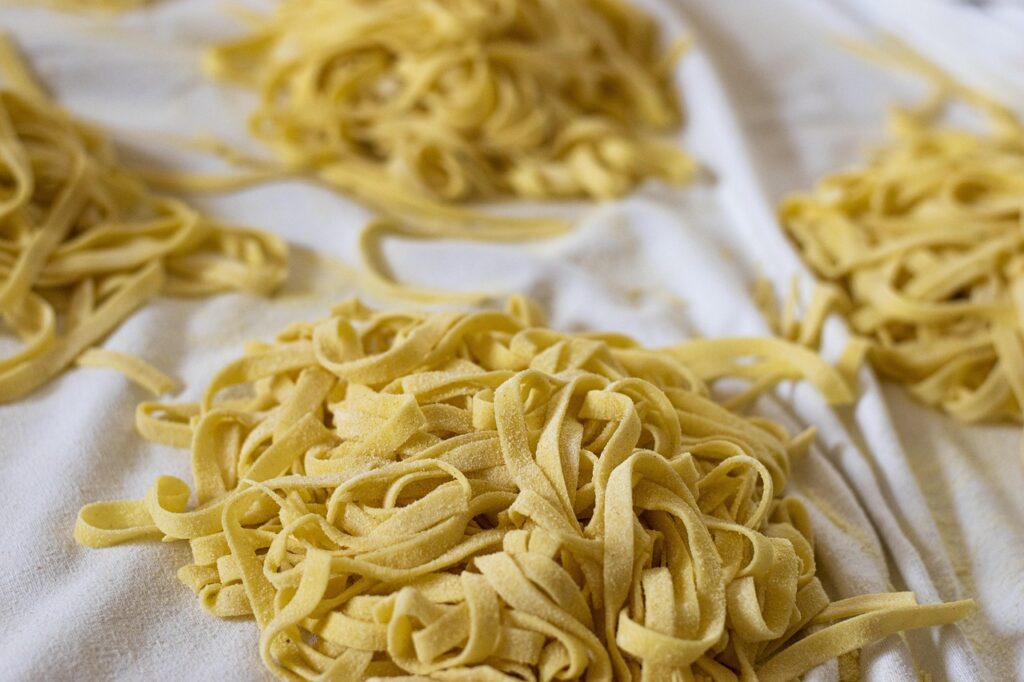
Soaking rice noodles in small bundles instead of loose piles helps strands hydrate evenly without tangling. Portioning noodles beforehand also simplifies cooking since servings remain separate and easier to handle.
This technique reduces breakage when transferring noodles into pans or bowls. Even hydration ensures noodles cook uniformly rather than leaving some strands overly soft while others remain firm.
Cooks using this method appreciate the convenience during busy cooking sessions. Managing noodles becomes easier, cleanup stays simpler, and final dishes look more polished, proving small preparation steps can significantly improve noodle handling and presentation.