Ramsay’s Easy Tricks for Flawless Backyard BBQs at Home

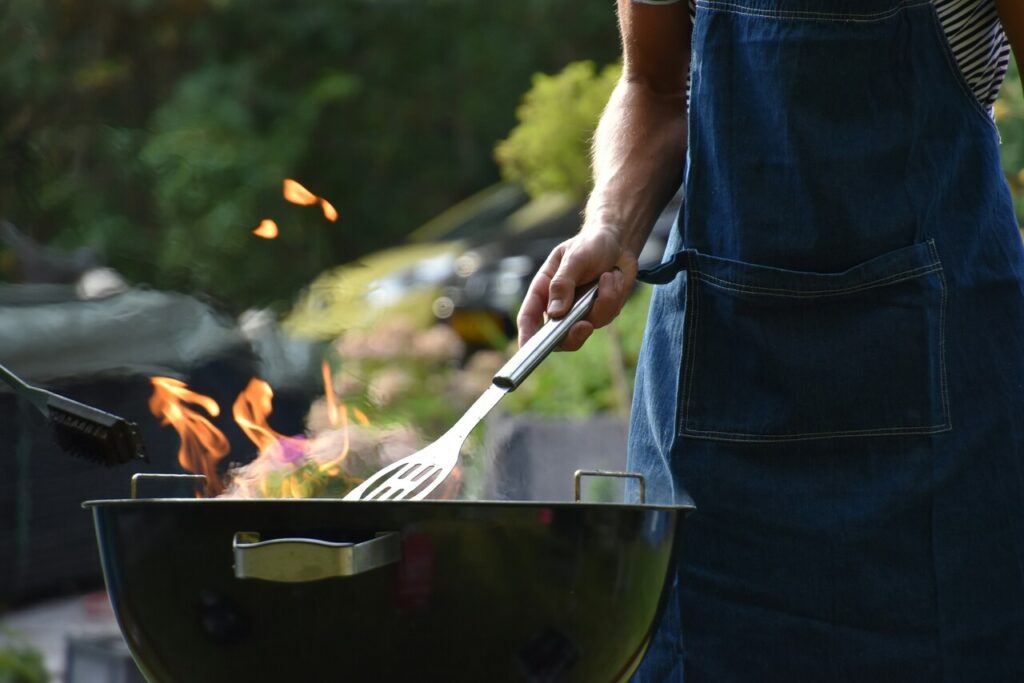
A great backyard barbecue is less about fancy equipment and more about understanding heat, timing, and a few smart techniques. Gordon Ramsay’s grilling approach focuses on simple habits that deliver big results, from choosing the right meat blend to managing grill zones and letting food cook without constant flipping. Small improvements like proper resting, controlled basting, and organized serving can transform casual cookouts into meals that taste restaurant-worthy while still feeling relaxed and fun for everyone gathered around the grill.
The Backyard Advantage
There is something inherently joyful about cooking outdoors. The backyard barbecue is an invitation to relax, gather around the heat and smoke, and enjoy food that feels both cooked with care and shared without formality. Gordon Ramsay approaches outdoor cooking with the same principles he champions in professional kitchens: respect for ingredients, attention to heat, and thoughtful timing. A relaxed setting also allows cooks to experiment without pressure. Outdoor cooking naturally encourages sharing and conversation around the grill. Even simple food feels elevated when eaten in an open-air setting.
Ramsay’s backyard philosophy begins with intention. Before lighting coals or firing up a gas grill, he emphasizes visualizing the flow of the meal and the pace at which guests will eat. Outdoor cooking is not about speed alone. It is about orchestrating warmth, texture, and temperature so every dish feels vibrant rather than rushed. Lighting the grill early gives time to understand how it behaves in the specific backyard setting, since wind and temperature influence cooking. Planning ahead also prevents last-minute scrambling once guests arrive. A prepared cook can focus more on guests and less on fixing mistakes.
Perfect Burgers Every Time

The cornerstone of many backyard barbecues is the burger, and achieving a perfect one starts well before the grill gets hot. Ramsay suggests beginning with the right meat blend containing enough fat to deliver juiciness while maintaining structure. A mix close to eighty percent lean and twenty percent fat allows the meat to baste itself during cooking. Simple seasoning applied just before grilling keeps flavor clean and focused. Excess seasoning can mask the natural meat flavor rather than enhance it. Choosing freshly ground beef also improves tenderness and taste. Quality meat selection makes a noticeable difference before cooking even begins.
Forming patties correctly also plays a critical role. Ramsay recommends shaping uniform patties slightly wider than buns, adding a shallow indentation in the center to prevent swelling while cooking. Temperature control matters equally, with strong heat for searing followed by moderate heat to finish cooking evenly. Pressing burgers during cooking forces out juices that create tenderness. Letting burgers cook undisturbed helps crust formation. Resting burgers briefly before serving also helps juices redistribute inside. Patience at this stage produces burgers that taste fuller and feel juicier.
Grill Prep and Setup
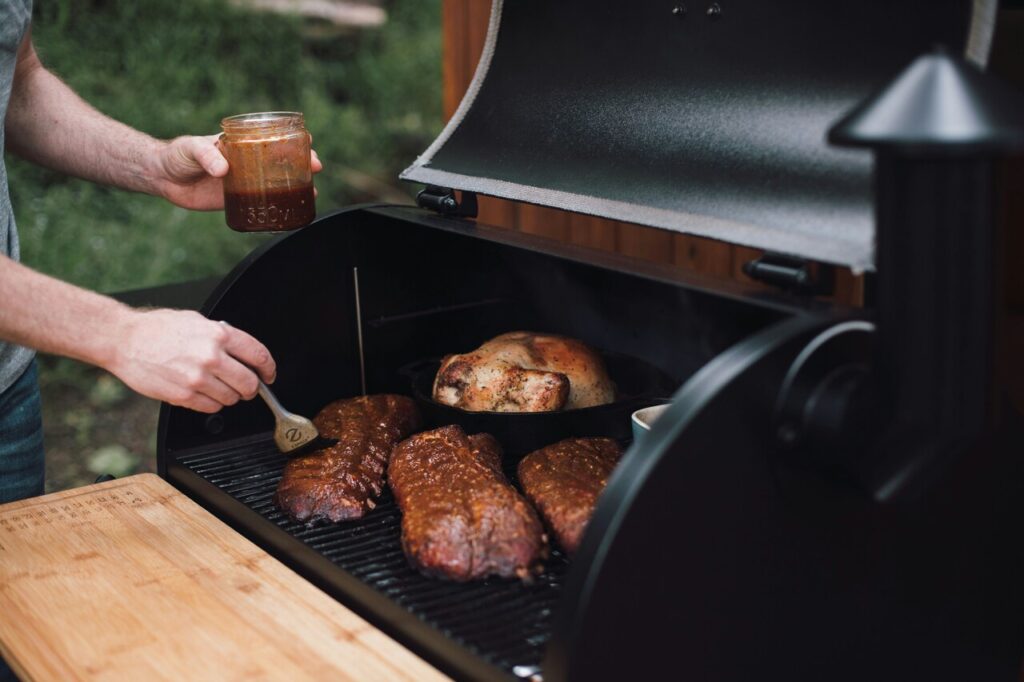
No barbecue succeeds without proper grill preparation. Ramsay always stresses cleaning the grill before cooking because leftover debris creates uneven heating and unwanted flavors. Preheating thoroughly stabilizes the cooking surface and allows reliable searing conditions. Heat stability matters more than raw temperature numbers. A properly heated grill helps proteins develop color quickly without sticking. Allowing time for heat to settle also reduces sudden flare-ups. Preparation builds confidence because predictable heat leads to predictable results. Scraping grates while still warm also makes residue removal easier.
Oil application is another small step with a large impact. A lightly oiled grate prevents sticking while protecting the food’s surface. Ramsay often oils the grill itself rather than soaking food, minimizing excess dripping that causes flames. Establishing hot and cooler zones also creates flexibility, letting cooks sear first and finish gently. Two-zone setups help rescue food if flare-ups occur. They also allow different foods to cook simultaneously without burning. Managing heat zones is one of the most practical professional, yet simple, grilling techniques. Understanding zone control improves confidence across all grilling situations.
Mastering the Flip
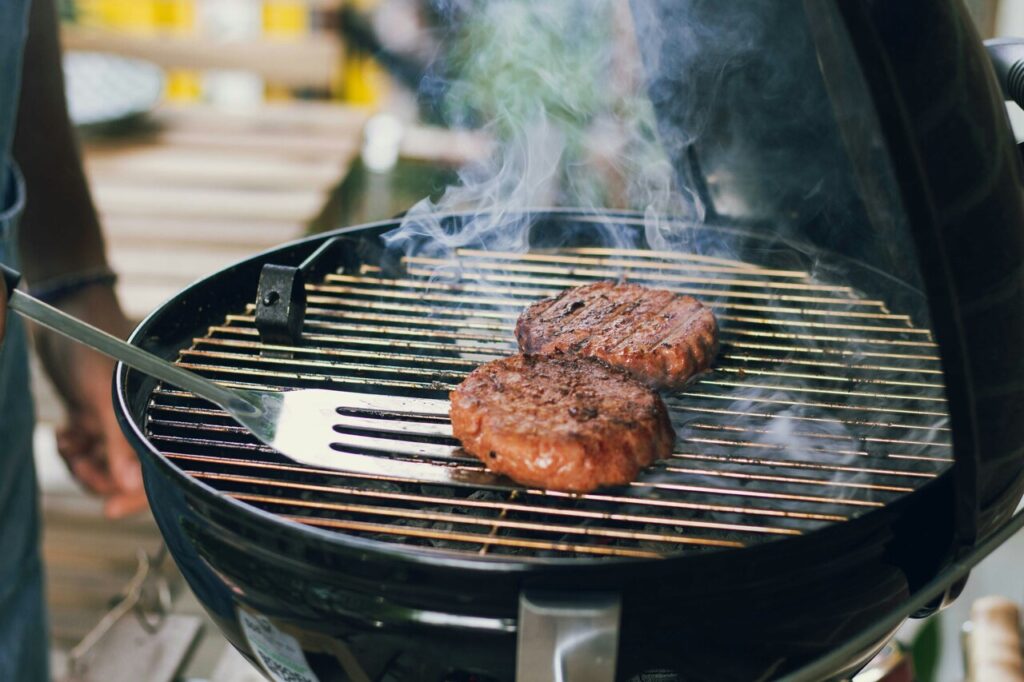
Turning food on the grill requires timing rather than guesswork. Ramsay explains that food releases naturally when a proper sear forms, signaling it is ready to flip. Forcing the turn too early tears the surface and prevents crust development. Waiting patiently results in caramelization that deepens flavor. A good sear locks in moisture while creating appealing color. Observing edges and aroma often helps determine the right moment. Trusting visual cues rather than constant movement improves consistency. Using proper tools like tongs or a wide spatula also protects delicate surfaces during flipping.
Flipping repeatedly disrupts cooking and causes moisture loss. Ramsay encourages confident, minimal flipping to maintain tenderness and flavor. Each side needs uninterrupted contact with heat to develop properly. Avoiding the habit of constant turning prevents dryness. A single, decisive flip usually produces the best results. Learning restraint improves both texture and flavor outcomes. Controlled flipping becomes easier with practice and awareness of heat behavior. Allowing proteins to finish cooking without interference preserves juiciness. Consistent timing habits eventually replace uncertainty at the grill.
Flavor Enhancers
Layered flavor separates average barbecue from memorable cooking. Ramsay often finishes grilled foods with butter-based basting mixtures carrying garlic or herbs. Butter melts into the surface, adding gloss and depth without overpowering natural flavors. Proper timing ensures butter enhances rather than burns. Applying it late in cooking keeps flavors fresh. Small aromatic additions elevate simple grilled items noticeably. Balanced basting makes food feel richer without heaviness. Light brushing rather than heavy pouring keeps flavors controlled and prevents flare-ups. A final sprinkle of fresh herbs or citrus zest can brighten the finished dish further.
Managing char flavor is equally important. Pleasant smokiness enhances food, while burnt bitterness ruins it. Ramsay advises keeping flames controlled so food receives heat without scorching. Clean grill surfaces also help avoid unpleasant flavors. Simple toppings like crisp vegetables or tangy sauces balance grilled richness. Fresh components lighten heavier grilled items. Combining textures and flavors thoughtfully keeps meals satisfying without becoming overwhelming. Adjusting grill height or heat zones helps control how quickly char develops. Monitoring food closely prevents bitterness from overpowering carefully built flavors.
Beyond Burgers
A great barbecue goes beyond burgers, showcasing variety across the grill. Vegetables respond beautifully when lightly oiled and seasoned before cooking, allowing them to caramelize gently while staying tender inside. Dense vegetables benefit from initial searing followed by gentler heat to finish cooking evenly. Balanced seasoning enhances the sweetness naturally present in grilled vegetables. Even simple corn or peppers can feel exciting with proper heat management. Vegetables also provide a lighter contrast to heavier proteins. Variety keeps guests interested throughout the meal.
Fish and lighter proteins demand extra care because they cook quickly and stick easily. Ramsay often suggests grill baskets or foil support to maintain structure. Firmer fish varieties handle grilling better than delicate fillets. Planning the cooking order ensures everything reaches the table hot together. Coordinating timing avoids rushed serving. Managing the grill like a kitchen line improves meal flow. Organized cooking keeps attention focused on flavor rather than recovery from mistakes.
Serving and Presentation
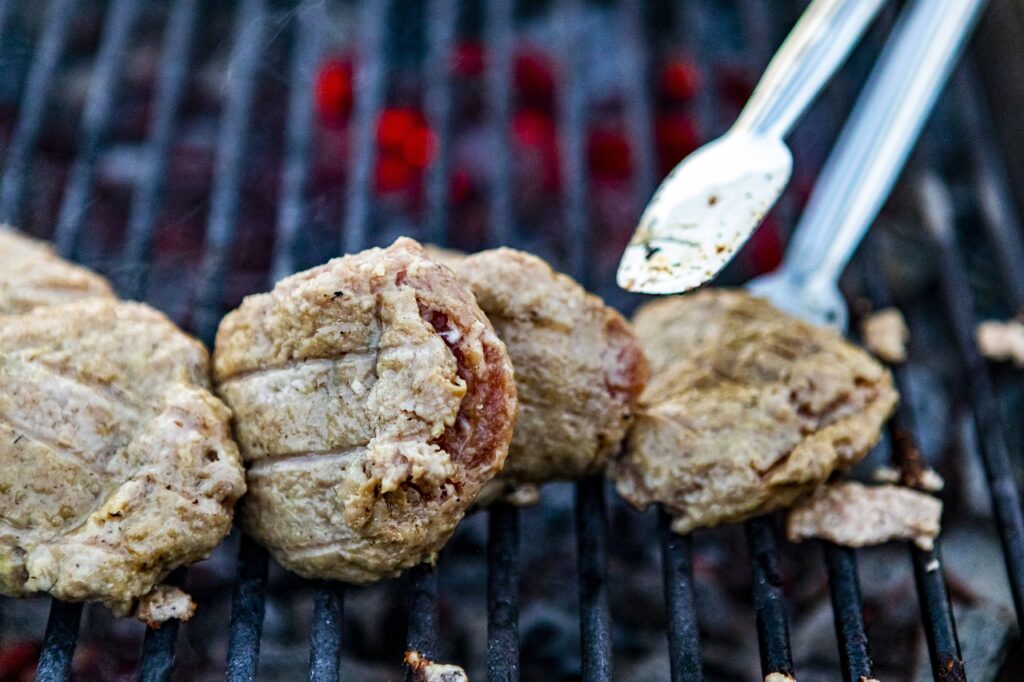
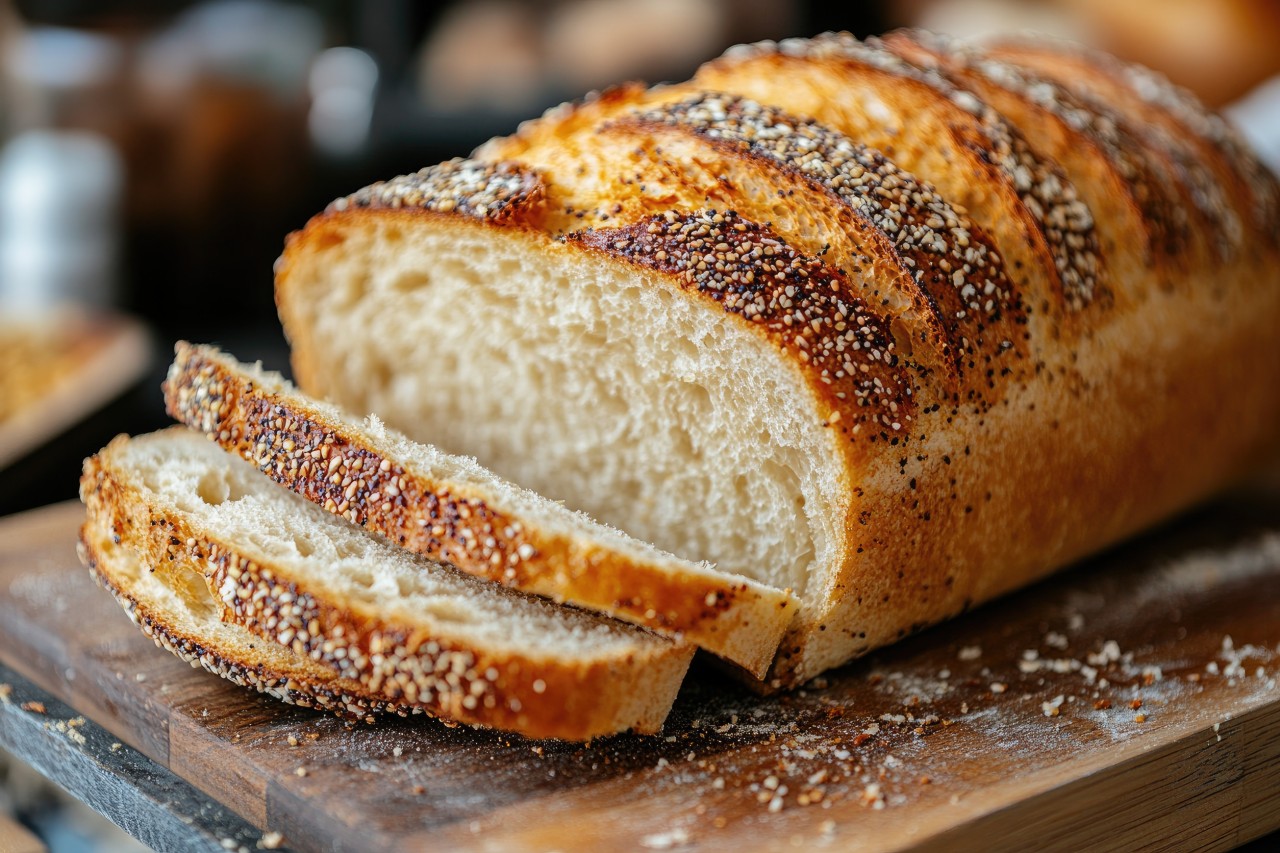
Serving style shapes how barbecue food is experienced. Ramsay highlights the benefit of briefly toasting buns or bread on the grill to add warmth and light crispness. Thoughtful layering of toppings ensures each bite delivers balanced flavor. Attractive plating encourages guests to enjoy food slowly rather than rush through meals. Warm serving dishes help maintain temperature longer. Presentation does not need complexity to feel welcoming. Small visual touches make backyard meals feel intentional. Simple garnishes like herbs or pickles also brighten plates without extra effort. Consistent serving portions help guests enjoy flavors evenly throughout the meal.
Keeping food warm while serving prevents disappointment as dishes cool too quickly outdoors. Resting meats briefly helps juices settle, improving flavor and texture. Arranging food accessibility encourages guests to serve comfortably. Bright salads and colorful sides add visual energy to the table. Organized serving areas reduce congestion and confusion. Comfortable serving flow contributes to relaxed enjoyment. A thoughtful presentation completes the cooking effort. Covered trays or insulated containers help retain heat during longer gatherings. Planning serving order ahead of time also prevents last-minute stress at the grill.
Common BBQ Mistakes
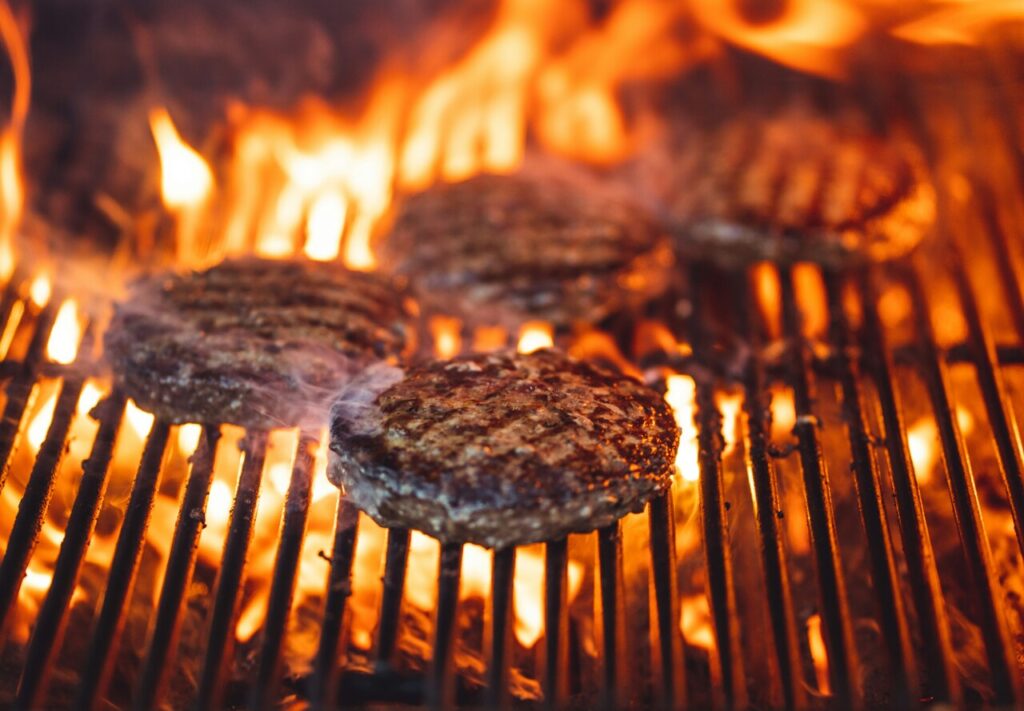
Handling meat too much is one of the most common grilling errors. Ramsay warns against constant pressing or moving, which squeezes moisture out and creates dryness. Allowing food to cook undisturbed produces better browning and texture. Many cooks rush cooking instead of letting the heat do its work. Proper heat control prevents charring before interiors cook. Awareness of timing improves outcomes dramatically. Gentle handling preserves natural juiciness. Turning food only when necessary also helps maintain a proper crust. Patience allows surface caramelization to develop fully before flipping.
Ignoring rest time also harms results. Meat pulled straight from the heat loses juices quickly when cut. Allowing short resting periods keeps flavor inside the protein. Rushing grill preparation can also lead to uneven cooking. Ramsay stresses patience as the core barbecue skill. Allowing time for preparation avoids rushed decisions later. Calm pacing results in better flavor and less stress. Proper timing improves every stage of grilling. Resting meat under loose foil helps maintain warmth without trapping steam. Small timing adjustments often make noticeable differences in final texture.
Simple Safety Tips
Safe handling around grills matters as much as cooking skill. Ramsay stresses keeping raw and cooked foods separate to avoid contamination. Using different utensils prevents harmful bacteria transfer. Cleaning grills regularly improves both safety and flavor. Thermometers help confirm safe cooking temperatures. Proper cleanup reduces future flare-up risks. Maintaining equipment ensures consistent performance across cooking sessions. Safe habits protect both guests and cooking enjoyment. Wearing heat-resistant gloves adds another layer of protection when handling hot surfaces. Keeping a spray bottle nearby also helps manage sudden flare-ups safely.
Clean hands and sanitized surfaces also reduce food safety risks. Frequent handwashing during grilling protects everyone at the table. Storing leftovers promptly helps preserve quality and prevent spoilage. Covered grills stay cleaner between uses. Regular maintenance extends grill’s lifespan significantly. Organized cleanup keeps cooking areas safe for future gatherings. Consistent safety habits ensure backyard cooking remains enjoyable and worry-free. Labeling stored leftovers prevents confusion about freshness later. Routine checks of gas lines or charcoal setups also help avoid unexpected cooking hazards.
References
How to Plan the Ultimate Backyard BBQ Party- Team Carolina BBQ.org
6 Helpful Tips for Hosting a Hassle-Free Backyard Barbecue- AARP.org
Recipes for a German Barbecue (BBQ)- Germanfoods.org