Depression Era Pantry Staples Grandma Used That Still Save U.S. Kitchens

Many money-saving kitchen habits used during the Great Depression are finding new life in modern homes. Simple pantry staples like beans, grains, flour, and preserved foods helped families cook filling meals while wasting almost nothing. Those same ingredients still stretch grocery budgets today, especially when paired with smart storage, leftover planning, and zero-waste cooking methods. These practical traditions show how everyday kitchens can save money while still serving comforting, nourishing meals.
The Resurgence of Frugal Cooking
In recent years, the strategies that sustained families through economic hardship have become unexpectedly relevant again. What was once a necessity during the Great Depression now resonates in modern kitchens, facing unpredictable grocery prices and supply challenges. Home cooks are rediscovering pantry staples and resourceful techniques that stretch ingredients without sacrificing flavor or nutrition. Rather than seeing Depression-era practices as relics, many find them practical, comforting, and adaptable to modern home cooking. These methods emphasize usefulness over trend.
The economy has always shaped how families cook, and when budgets tighten, creativity takes the lead. Depression-era wisdom prizes whole foods and minimal waste, pushing cooks to savor every bit of what they have. This mindset fits well with current movements that prioritize sustainability and reduce food waste. Rather than relying on expensive or exotic ingredients, cooks turn to reliable staples that are inexpensive, shelf-stable, and nutrient-dense. What was a survival strategy then now feels like a smart life skill, linking generations through shared habits in the kitchen. The result is food that feels familiar, hearty, and grounded in tradition.
Staples That Stretched Meals
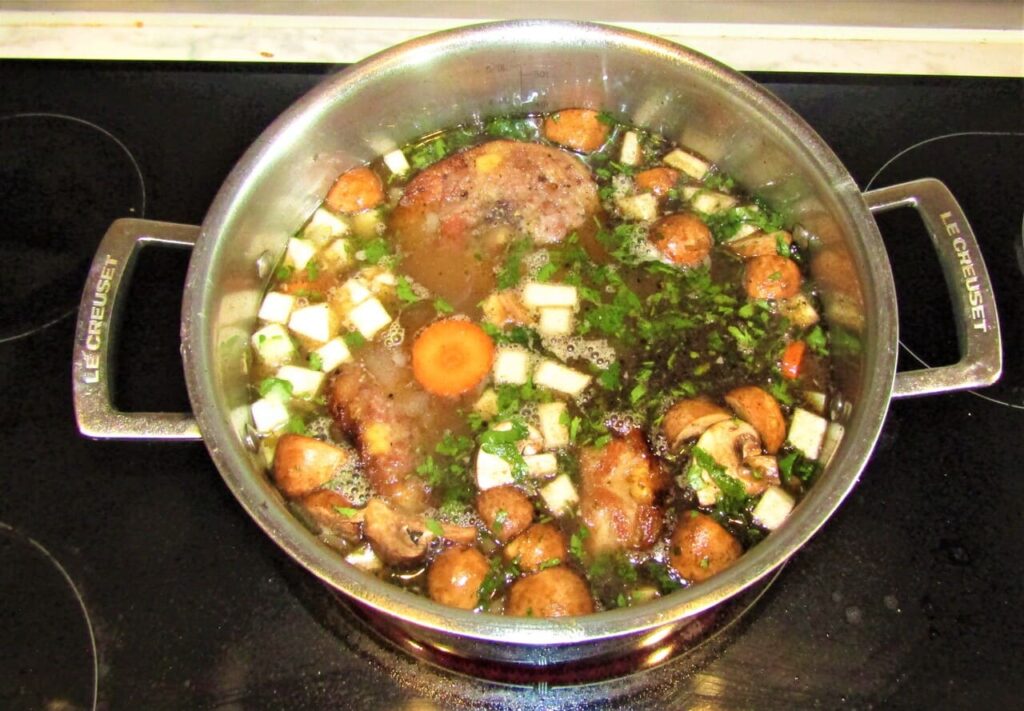
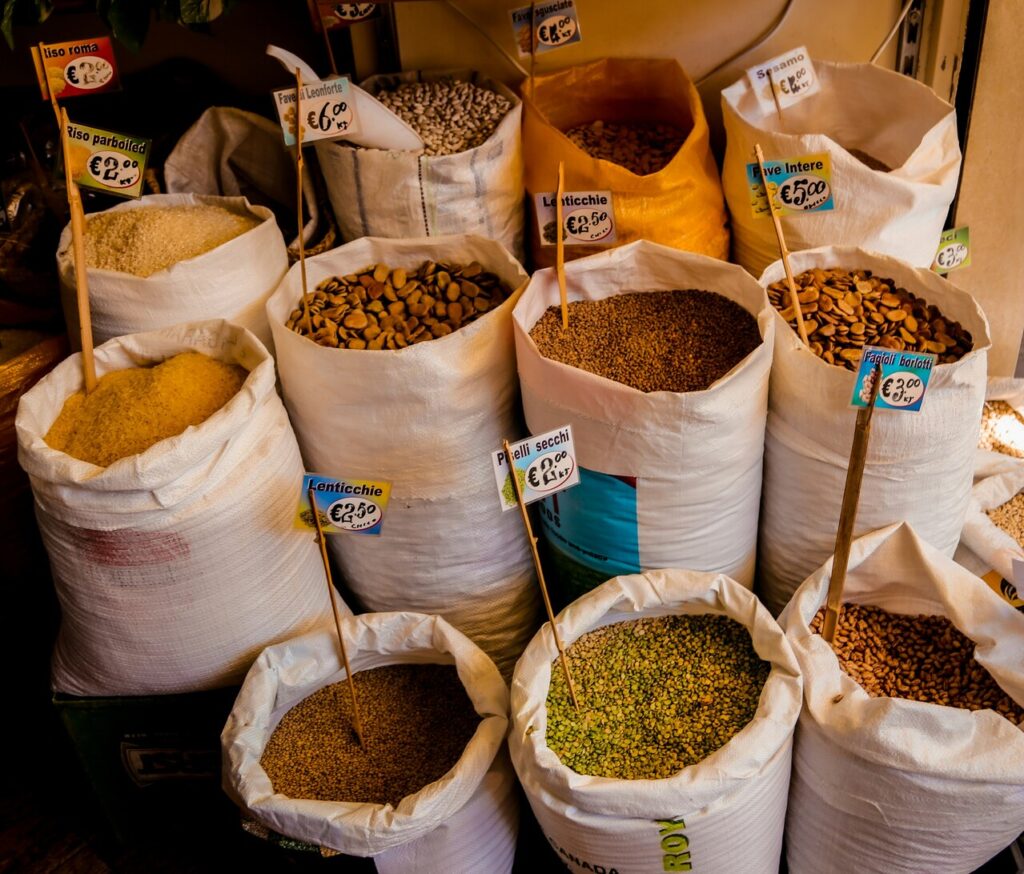
Beans and legumes were backbone staples during the Depression because they were inexpensive, filling, and stored well. Dried beans such as pinto, navy, and kidney were often soaked overnight and simmered into thick dishes that fed large families. In modern use, beans still serve as affordable protein and fiber sources, working in soups, stews, chilis, and salads. Pairing beans with a few aromatics and grains can create a complete meal at a fraction of the cost of meat-centric dishes. Because dried beans are so adaptable, they have become a pantry go-to for balanced meals any time of year. They also store well for months, reducing grocery trips.
Rice and other grains like barley, oats, and cracked wheat had similar roles. They provided bulk and substance to otherwise thin soups and were frequently combined with small amounts of vegetables or meat to extend meals. Root vegetables like potatoes, carrots, and turnips offered earthy vitamins and calories for little money, and they kept well in cool storage. Those vegetables are still kitchen workhorses, whether mashed, roasted, or folded into casseroles. These staples symbolize how basic ingredients can be transformed into satisfying dishes that feed both body and spirit without high cost.
Shelf Anchors in the Pantry
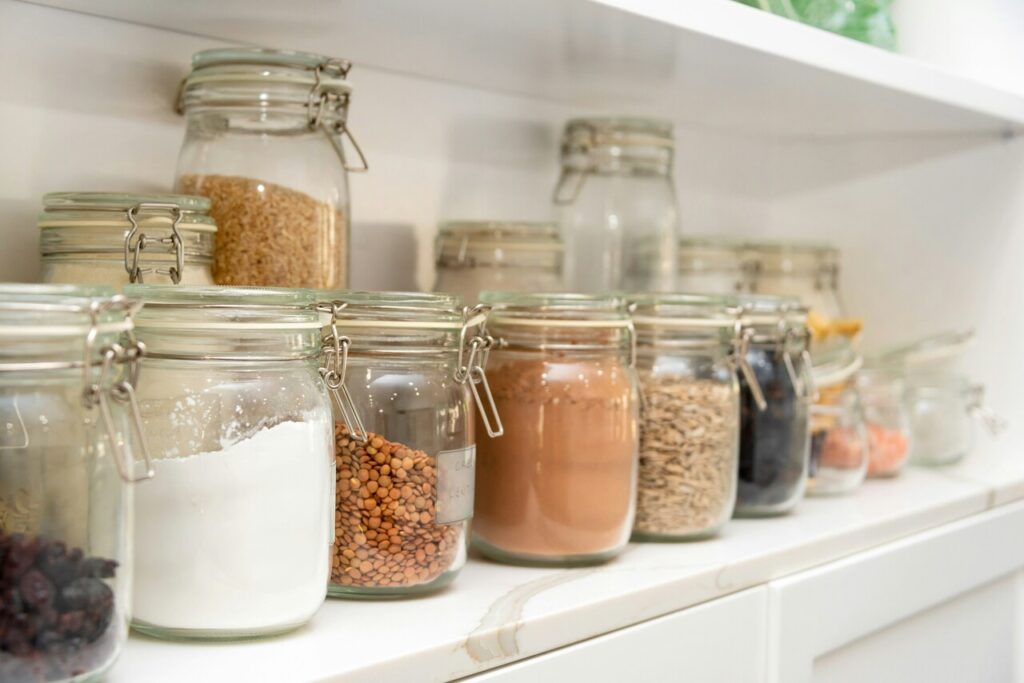
A well-stocked Depression-era pantry might have looked sparse by modern grocery standards, but its contents were chosen for longevity and flexibility. Flour and cornmeal were essential because they could be turned into bread, pancakes, dumplings, and porridge. Flour was sometimes mixed with water and salt to make simple doughs that could stretch small amounts of other ingredients. Cornmeal made hot mush or cornbread, providing comfort and calories with minimal effort. These basics remain foundational in many households, lending themselves to both classic and contemporary recipes. Basic baking skills also empower cooks to create affordable comfort meals.
Salt was indispensable for seasoning and for preserving foods through canning and pickling, while baking basics like baking soda and baking powder allowed cooks to leaven breads and quick batters without yeast. Dried fruits such as raisins, prunes, and apricots were kept on hand not just for sweetness, but for nutrients that fresh produce lacked in certain seasons. Used in breads, porridges, and stews, they added depth and energy. Together, these staples offered both nourishment and economic value, showing how simple these pantry staples can anchor a range of meals without breaking the budget.
Flavor on a Budget
During hard times, flavor became a precious currency in the kitchen, often extracted from humble sources. Bouillon and simple broths were frequently used to add body and richness to soups and stews, turning water into something more satisfying. Even a scant piece of meat or vegetable trimmings could simmer into a flavorful base when paired with herbs and salt. Modern cooks can replicate that depth by simmering stock or using concentrated bouillon responsibly, adding dimension to dishes without expensive ingredients. Slow simmering also softens tougher ingredients naturally. Homemade stock reduces dependency on packaged alternatives.
Old-school seasonings like bay leaves, peppercorns, and dried herbs were used frugally but effectively. Instead of complex spice blends, cooks relied on a few staples to elevate simple fare. Onion and garlic, whether fresh, powdered, or caramelized, carried a strong aroma and taste that encouraged reliance on whole foods rather than packaged sauces. These aromatic staples remain key players in everyday cooking, teaching that a small amount of the right flavor booster goes a long way. Understanding how to build savory satisfaction from basics continues to enhance meals without adding culinary cost.
Zero-Waste Techniques
Depression era cooking shunned waste because food scarcity made every scrap precious. Broth made from scraps, such as vegetable peels and carrot tops, was a foundational practice. Rather than discarding trimmings, they were collected and simmered into rich stock. This habit not only reduced waste but added a layer of umami to soups, rice dishes, and stews. Modern zero-waste kitchens echo this practice, using parts of produce that might previously have been thrown out to boost nutrition and depth of flavor. Collecting scraps in freezer bags makes stock preparation easy. Homemade broths often taste fresher than store versions.
Stale bread was another common resource that found new life in Depression-era cooking. Instead of discarding dry loaves, they were turned into breadcrumbs, croutons, or puddings. This not only prevented waste but also added texture and substance to meals. Vegetable peels and cores, from potatoes to cabbage, were incorporated into stocks or sautés, ensuring that every part of the produce contributed to nourishment. These zero-waste techniques are increasingly relevant today as sustainability becomes a kitchen priority, proving that resourcefulness benefits both the household and the planet. Reusing bread also stretches grocery budgets further.
Preserving the Harvest
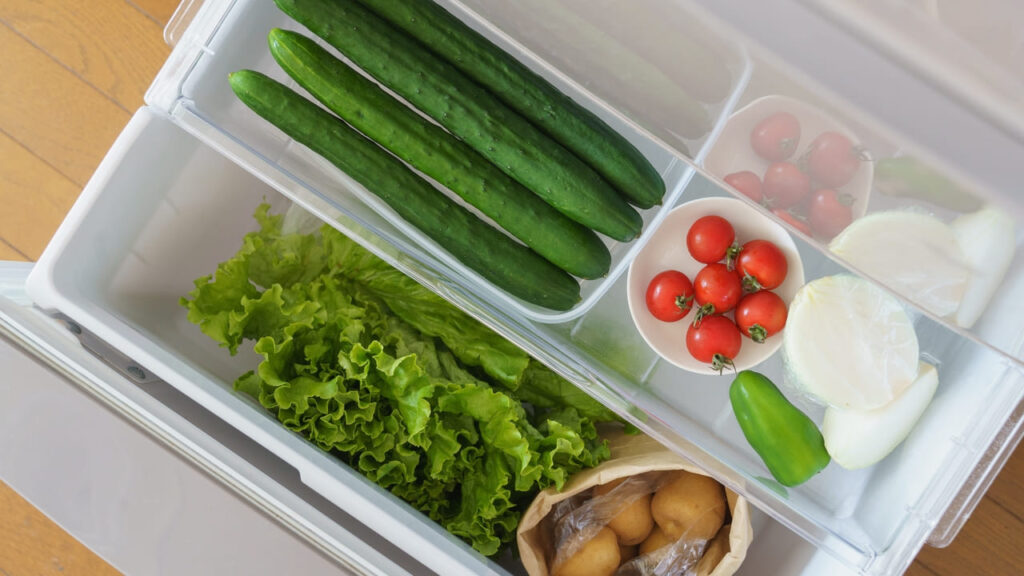
Canning basics were taught and shared among communities as a way to preserve summer and autumn harvests for months when fresh produce was scarce. Jars filled with tomatoes, green beans, peaches, and pickles lined pantry shelves and brought vibrant flavor to winter dishes. Home canning allowed families to control what went into their food, avoid waste, and enjoy seasonal crops all year. Today’s home cooks use similar methods not just out of frugality but out of appreciation for flavor preservation and self-sufficiency. Preserving produce often saves money compared to buying out-of-season goods.
Pickling hand-me-downs like cucumbers, beets, and onions turned inexpensive produce into tangy accompaniments that brightened meals. Freezing and drying were additional ways to extend freshness. While modern freezers and dehydrators are more advanced, the underlying principle of extending the life of food remains the same. These methods connect contemporary kitchens with a good legacy of preserving the harvest, reminding households that preserving flavor and nutrition over time is both practical and satisfying. Modern home cooks are revisiting these staples, blending nostalgia with efficiency.
Stretching Small Proteins
Protein scarcity during the Depression meant learning how to make a little go a long way. Eggs became stretchers in many dishes, adding richness, binding, or volume to meat and grain preparations. A couple of eggs could transform simple ingredients into custards, meatloaves, or hearty breads. Eggs remain valued for their versatility and nutrient density, anchoring meals from breakfast through dinner without high cost. Eggs also cook quickly, saving both time and fuel. They adapt well to both savory and sweet recipes. Affordable protein options keep meals balanced on tight budgets and help stay healthy.
Canned meats and fish also offered affordable sources of protein that could be enhanced with vegetables, grains, and seasonings. Tuna, sardines, and canned chicken were often mixed into casseroles, salads, or stews. Clever ground meat tactics involved mixing smaller amounts of meat with beans or grains to create satisfying main courses. These approaches remain relevant today as cooks seek cost-effective ways to include protein in balanced meals. Making small amounts of protein feel abundant underscores the enduring wisdom of stretching ingredients thoughtfully. Blended dishes also improve texture and flavor variety.
Comfort on a Shoestring
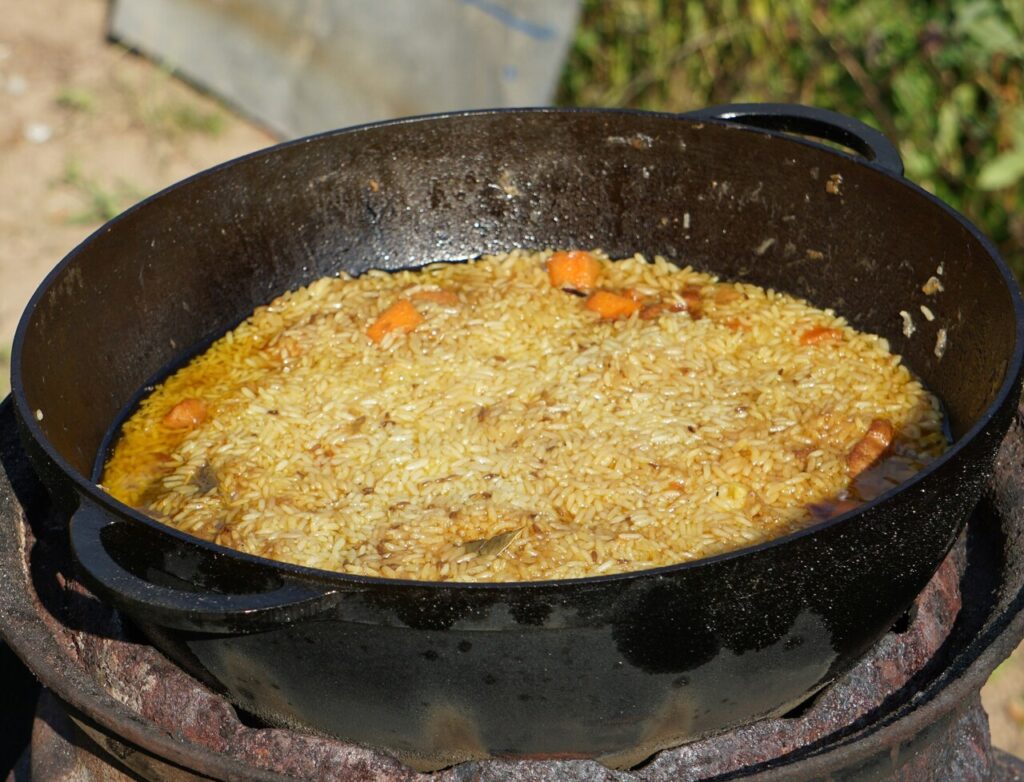
Comfort food did not vanish when money was tight; it transformed. One-pot meals became staples because they were efficient in both fuel and ingredients. Soups, stews, and casseroles brought together pantry staples into warm, nourishing bowls that fed families with minimal effort. Today’s slow cooker and instant pot cooking echo these traditions, blending convenience with frugality. Porridges and puddings also offered filling, low-cost meals for breakfast and dessert alike, often elevated with a bit of dried fruit or spice. Warm dishes also provide emotional comfort during such uncertain times.
Bread and cracker tricks turned basic dough into multiple forms of comfort, from simple loaves to scones or flatbreads. These carbohydrates provided energy and fullness, often served alongside soups or stews to round out meals. Depression era cooking demonstrates that comfort does not require richness alone; it requires thoughtful assembly of ingredients that satisfy hunger and heart. Such traditions continue to comfort cooks seeking nourishing meals that are both simple and substantial. Simple baking builds confidence in home cooking skills. Affordable comfort foods remain essential during economic uncertainty.
Modern Kitchen Savings
Modern kitchens combine Depression era wisdom with contemporary tools to maximize savings and flavor. Bulk buying and careful storage help households reduce frequent grocery trips while keeping staples ready. Large bags of rice, beans, oats, and flour stay economical when stored properly. Resealable containers protect ingredients from moisture and pests. Smart storage extends the shelf life and reduces the temptation to buy costly convenience foods. Buying in bulk also cuts down on packaging waste. Organized pantries make meal planning easier. Long-term storage habits lower food costs over time.
Repurposing leftovers bridges past and present cooking wisdom. A roast chicken can become broth, salad, and sandwiches across several meals. Leftover grains turn into breakfast bowls or fried rice, maximizing value from each ingredient. Combining old wisdom with modern appliances encourages sustainable eating that reduces waste and cost. Pantry staples from previous generations still teach households how to cook well without excess, showing intentional cooking remains powerful in every era. The fusion of heritage and modern practice makes kitchens leaner, tastier, and more resourceful than ever. Leftover planning also reduces impulse food purchases.
References
- Stre-e-e-tching Meals, Like They Did in the Old Days-Edmond History.org
- Historic Food Prices- Food Timeline.org