12 Countries Where Eating Out Costs Less Than Groceries

Imagine traveling to a place where delicious, freshly cooked meals cost less than the groceries you’d buy to make them. In many corners of the world, vibrant street stalls, family-owned eateries, and bustling food markets offer dishes so affordable and satisfying that cooking at home becomes the more expensive option. These countries don’t just make dining out accessible; they turn it into a cultural experience filled with aroma, community, and everyday comfort. As you explore each destination, you’ll discover how local ingredients, high turnover, and time-honored food traditions create an irresistible blend of value and flavor that keeps both travelers and locals happily eating out.
1. Vietnam
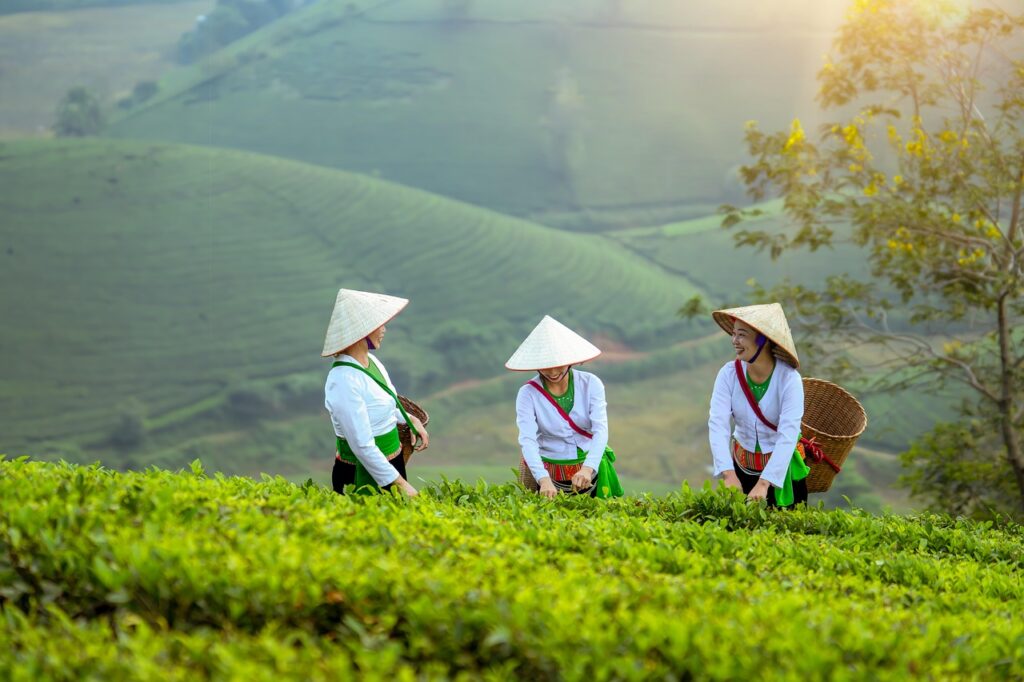
Street food in Vietnam is more than a convenience; it’s an economical, everyday way of eating that often costs less than buying and preparing the equivalent groceries. Bowls of pho, banh mi, and noodle dishes rely on local staples like rice, herbs, and inexpensive meats, all sold in high volume, which keeps prices low. Markets offer affordable produce, but buying small quantities or imported items raises grocery costs, especially for short-term visitors. Solo diners often find vendor meals cheaper and more convenient than cooking at home. The “cheaper to eat out” effect remains especially strong for those with limited time, storage, or cooking needs.
2. Thailand

In Thailand, eating out is often less expensive than buying groceries, especially for individuals who rely on everyday street food. Local food stalls sell rice, noodle dishes, and vegetables at low prices due to efficient supply chains and rapid turnover. Grocery shopping is affordable for families buying staples, but single-serving purchases or imported products quickly increase the cost per meal. Many residents and travelers prefer hawker-style meals because they are cheap, fast, and nutritionally balanced. The value comes from scale, seasonality, and a long-standing culture of accessible food vendors.
3. India

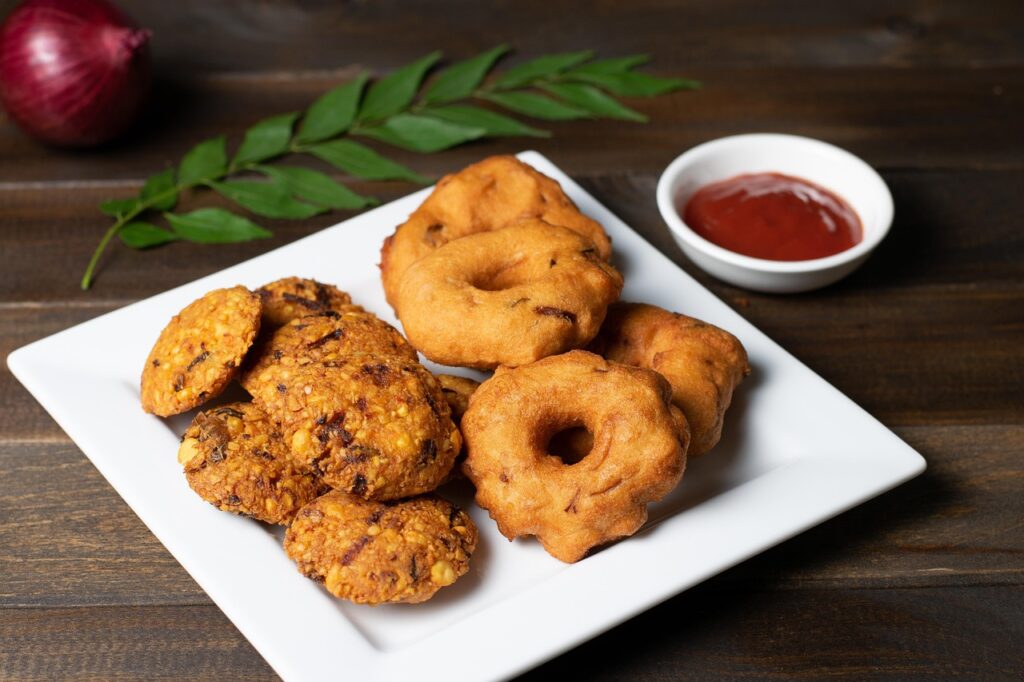
India’s food culture makes it common for prepared meals to cost less than groceries when cooking for one or two people. Street vendors and small eateries get their ingredients from low-cost local markets and prepare dishes in bulk, spreading costs efficiently. Buying small portions of rice, lentils, vegetables, and spices can be more expensive in comparison when accounting for fuel and preparation time. Regional price differences exist, but in major cities the contrast is clear: cooking small meals can cost more than purchasing a ready-made thali or street plate. For visitors or solo workers, eating out is often the most economical option.
4. Mexico
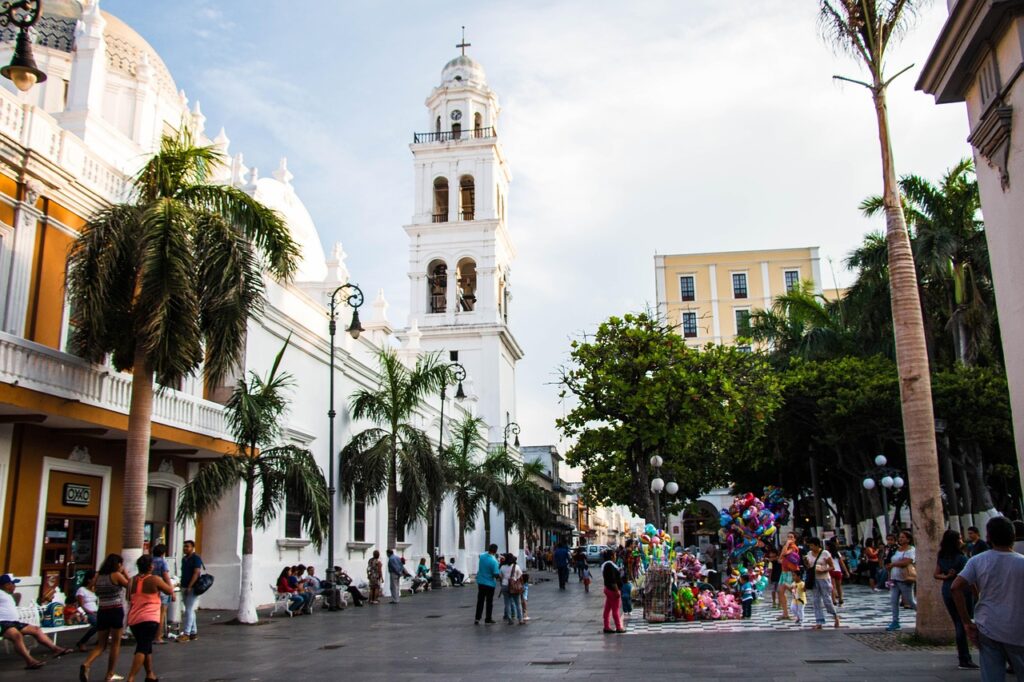
Mexico’s vibrant street food scene makes it easy to find filling meals for less than the cost of buying ingredients to cook the same dishes at home. High local production of corn, beans, chilies, and vegetables keeps ingredient prices low for vendors. Taquerias and informal stalls operate with minimal overhead, allowing them to maintain low prices even in busy urban centers. While groceries remain affordable in bulk, single-person shopping increases costs significantly. For travelers and daily workers, tacos and antojitos from local stalls frequently beat home cooking in both price and convenience.
5. Indonesia

Across Indonesia, especially in areas with strong street-food traditions, local dishes can be cheaper than assembling groceries for home cooking. Warungs prepare staples like rice, tempeh, and vegetables in large batches, lowering per-meal costs. Tourists and solo residents often find daily prepared meals more economical because groceries, particularly for varied, home-cooked dishes, require buying multiple items and proper storage. Meals such as nasi goreng or soto offer accessible nourishment for less than what small-quantity grocery shopping typically costs. Eating out becomes both a cultural immersion and a budget-friendly choice.
6. Malaysia

Malaysia’s hawker stalls and mamak eateries offer meals that often cost less than buying groceries for a single household. Rice, noodles, tofu, and vegetables are inexpensive in markets, but cooking a variety of dishes for one person raises the overall spending. Prepared mixed-rice plates or roti dishes benefit from low overhead and high turnover, allowing vendors to keep prices affordable. While cooking at home remains more economical for families buying staples in bulk, individuals and short-term visitors frequently save money by eating out instead. The convenience of ready meals further reinforces their value.
7. Turkey

Turkey’s lokantas and street vendors provide hearty, home-style meals at prices that compete with or beat the per-serving cost of groceries bought in small amounts. Local farming keeps many ingredients affordable, but cooking at home for just one or two people results in higher per-meal costs due to packaging and portion sizes. Meals like pide, kebabs, and stewed vegetables are widely available and prepared in volume, reducing labor and supply costs for vendors. Travelers and busy workers often find eating out the smarter financial choice, while families continue to benefit from bulk grocery purchases.
8. Philippines

The Philippines offers abundant low-cost prepared meals thanks to carinderias and street stalls serving rice with flavorful viands. These vendors cook in bulk, keeping prices low for consumers who buy single meals. Grocery shopping for limited portions, particularly for imported items, can quickly exceed the cost of a plate of adobo or sinigang. Many urban residents rely on inexpensive prepared meals for daily eating because it save both time and money. Larger households that cook from scratch still find groceries cost-effective, but individuals often spend less by eating out. This everyday practicality makes street dining a natural and budget-friendly cornerstone of Filipino life.
9. Peru
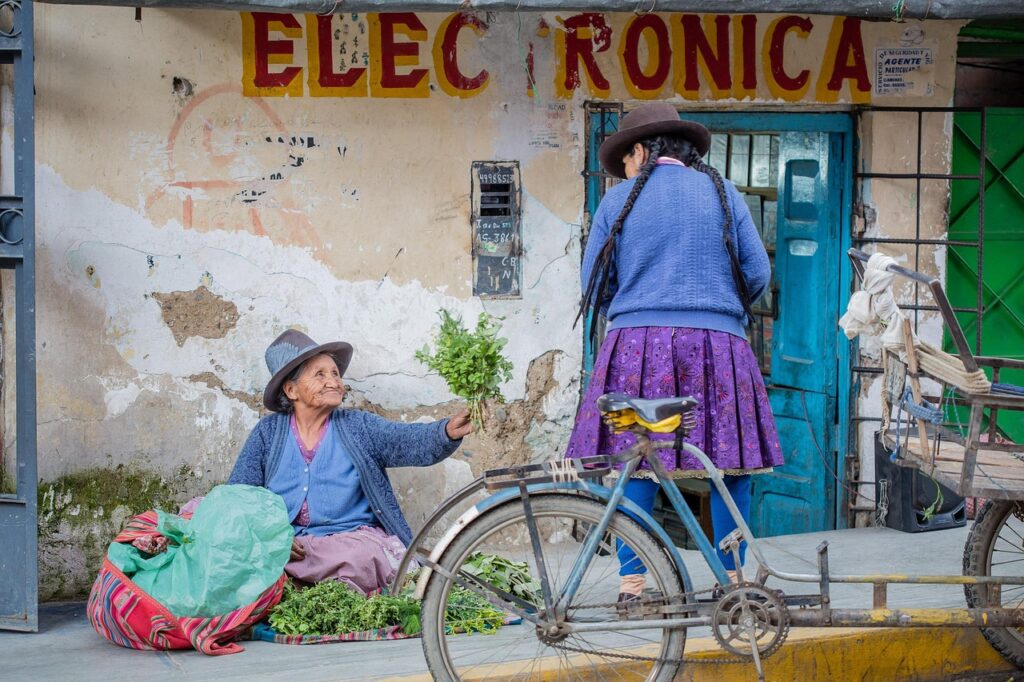
Peru’s menu del día tradition provides complete, affordable meals that often cost less than purchasing groceries to prepare similar dishes at home. These set meals usually include soup, a main dish, and a drink, benefiting from high turnover and efficient sourcing. While markets offer inexpensive produce for families, short-term visitors or solo diners often find that buying ingredients in small amounts raises the cost per serving. Local eateries make it easy to enjoy balanced, culturally rich meals at a low price, especially in cities like Lima. This long-standing tradition keeps dining out practical and deeply rooted in Peru’s everyday culinary culture.
10. Sri Lanka
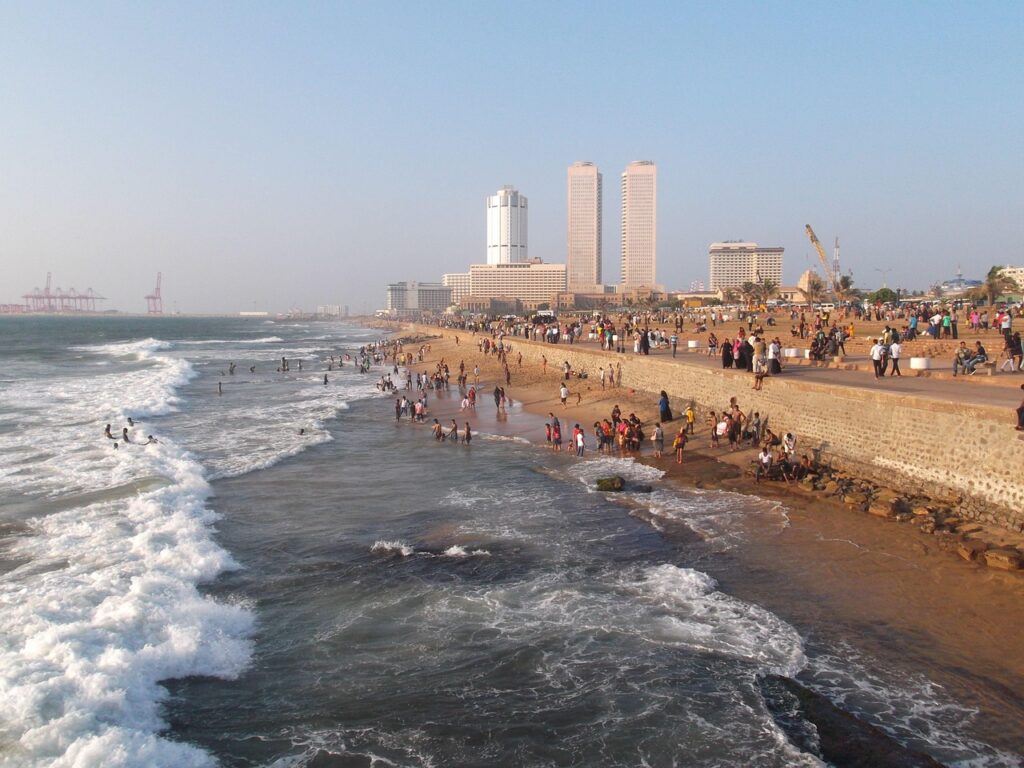
In Sri Lanka, roadside vendors and small eateries serve rice-and-curry plates at prices that frequently undercut grocery costs for individuals. Locally grown staples such as rice and coconut keep prepared meals inexpensive, while imported grocery items raise the average shopping bill. When cooking for a single person, fuel and ingredient portions increase the cost per meal, making dining out more economical. Families cooking large quantities still benefit from groceries, but solo diners and travelers often find that prepared meals offer better value and convenience. This balance of cost and flavor makes eating out a natural part of daily life for many Sri Lankans.
11. Egypt

Egyptian street food has long been known for its affordability, providing filling dishes like koshari, ful, and falafel at prices lower than buying and preparing ingredients in small volumes. Vendors rely on high turnover and locally sourced staples, keeping meals inexpensive for students, workers, and visitors. Purchasing groceries for one or two people, especially imported foods, increases per-meal costs. While larger families continue to save by cooking at home, individuals often find that daily out-of-home meals offer both value and cultural immersion. This everyday accessibility makes Egypt one of the most budget-friendly food destinations in the region.
12. Colombia

Colombia’s neighborhood eateries and street vendors offer substantial meals that often cost less than what an individual would spend on groceries for the same variety. Staples like corn, plantains, and beans are cheap when purchased in bulk, but individual grocery runs raise the per-serving cost. Affordable almuerzo del día menus provide soup, a main dish, and a drink at a price hard to match when cooking for one. For busy workers and travelers, prepared meals offer convenience and cultural authenticity at a notably low cost. This balance of value and flavor makes eating out an easy, everyday choice for many Colombians.