8 Designer U.S. Restaurants Known To Stir Up Recipes Unlike Ever Seen Before

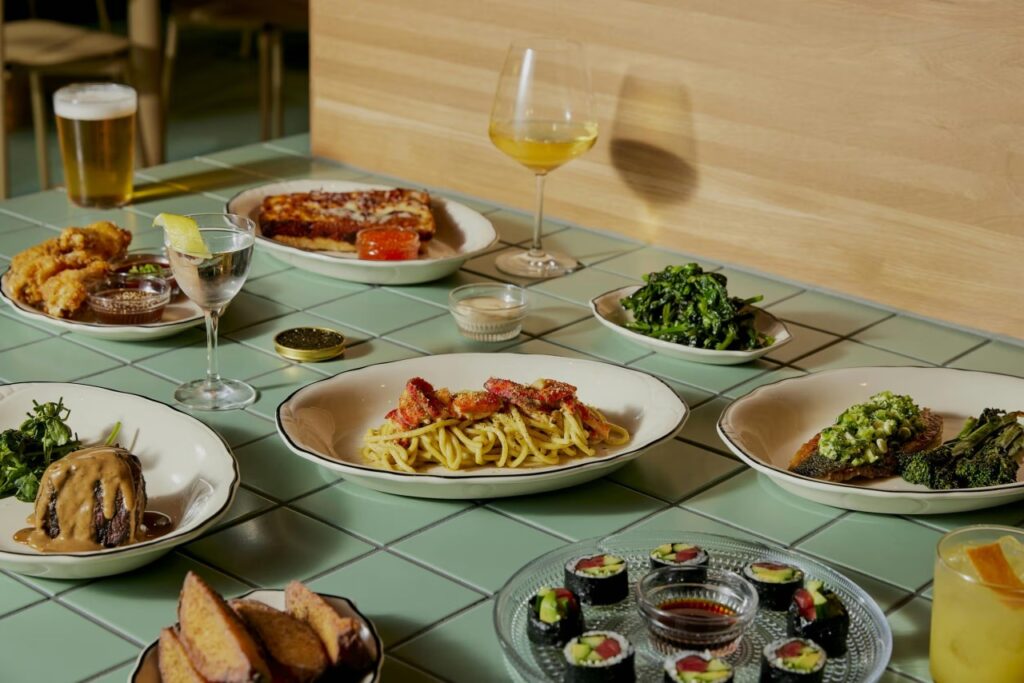
Some restaurants do more than serve food. They question everything you think you know about flavor, structure, and even the act of eating itself. Across the United States, a small group of designer restaurants has built its reputation not on comfort or familiarity, but on curiosity and reinvention. These kitchens treat recipes as starting points rather than rules. Ingredients are fermented, reshaped, reimagined, and sometimes completely disguised to reveal new dimensions of taste. What sets these places apart is not shock value, but intention. Every technique, texture, and presentation choice is rooted in research, precision, and a deep understanding of how people experience food.
1. Alinea
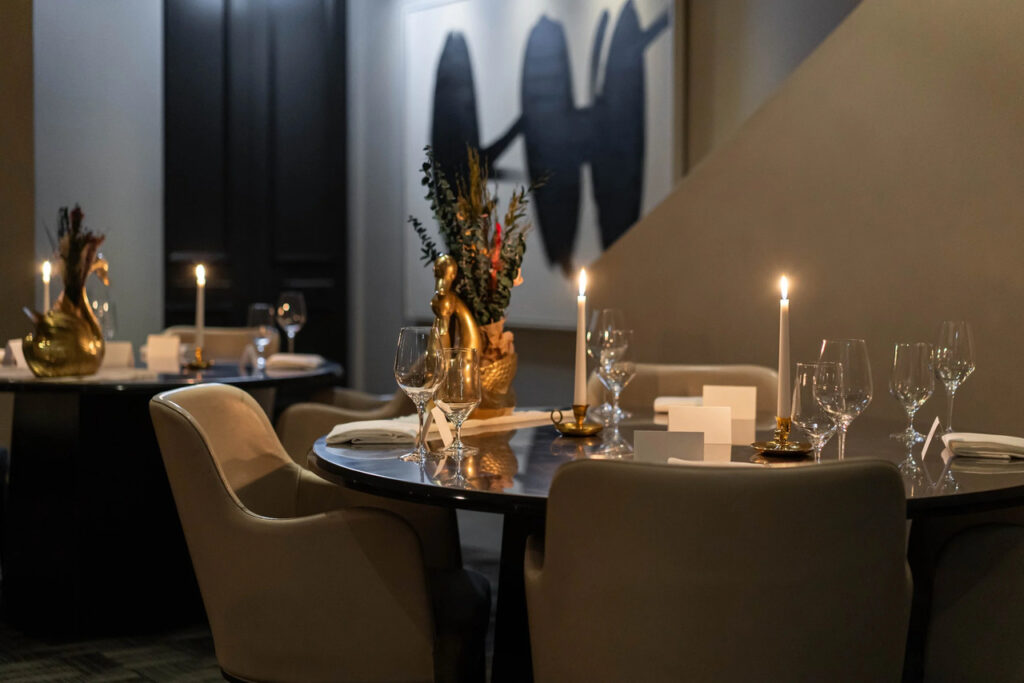
Alinea approaches cooking as a controlled experiment rather than a traditional meal. The restaurant is known for deconstructing familiar foods and rebuilding them into forms diners have never encountered before. Ingredients are transformed using modernist techniques such as gels, foams, controlled freezing, and temperature contrasts that alter how flavor is perceived. Presentation is intentionally disruptive, with dishes served on custom-designed surfaces or assembled tableside to change how people interact with food. Despite the theatrical delivery, the kitchen is grounded in precise culinary science.
2. The French Laundry

The French Laundry reshapes classic cuisine by refining it to its most essential form. Instead of dramatic visuals, the restaurant focuses on technique, sourcing, and restraint. Ingredients are chosen daily based on peak freshness, often arriving from nearby farms and fisheries. Traditional recipes are not followed verbatim but reinterpreted through modern precision. Sauces are lighter, portions are exact, and plating is minimalist to keep attention on flavor balance. The kitchen continuously revises dishes, sometimes changing components within hours. This constant evolution ensures that even familiar ingredients feel new.
3. Momofuku Ko
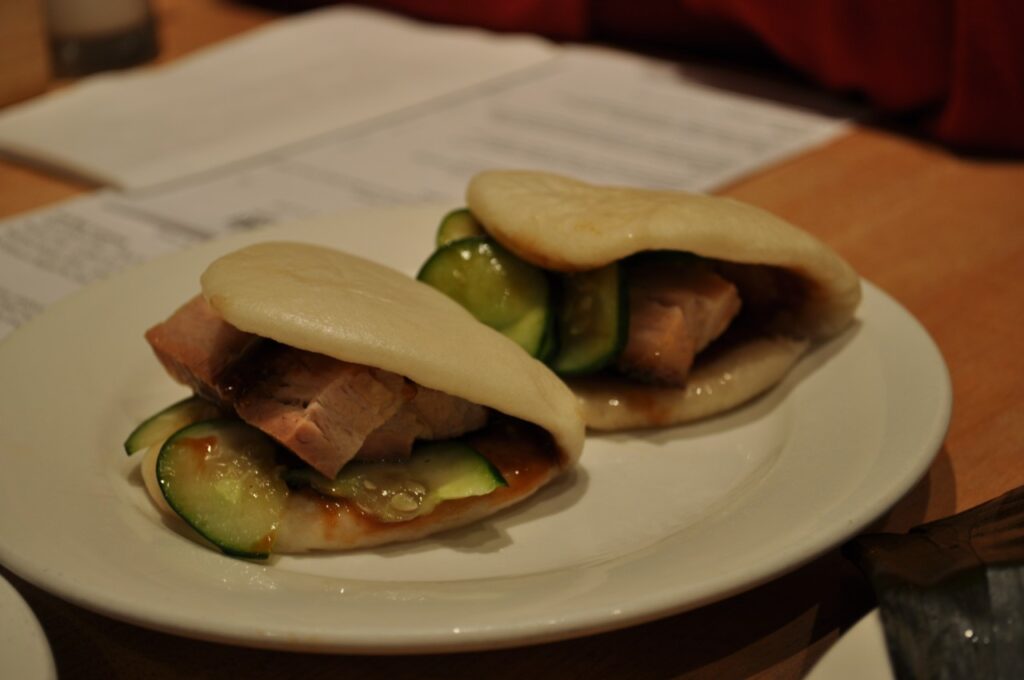
Momofuku Ko is built on the idea that culinary rules are optional. The kitchen blends Korean flavor profiles with European technique and American creativity, often within a single dish. Fermentation plays a central role, developing depth and complexity without relying on heavy seasoning. Textures are intentionally contrasted, such as crisp paired with soft or rich balanced by sharp acidity. The open kitchen reinforces transparency and experimentation, allowing chefs to adjust techniques quickly. Dishes frequently rotate as new ideas are tested. The food feels bold and modern, designed to surprise without losing clarity.
4. Atelier Crenn
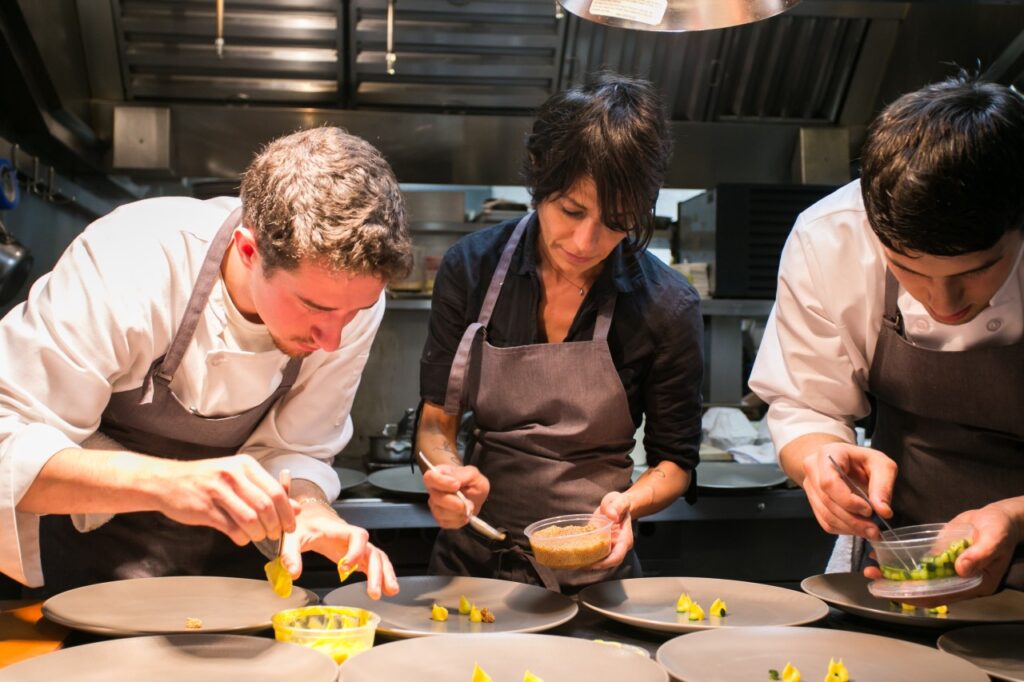
Atelier Crenn treats cooking as an emotional and intellectual expression. Each menu is inspired by personal memories, natural landscapes, and poetic themes rather than fixed recipes. Ingredients are often foraged or locally sourced, reinforcing a strong connection to place. Techniques focus on precision and balance, using minimal manipulation to preserve natural flavors. Visual presentation is abstract but intentional, encouraging diners to interpret each dish individually. The kitchen avoids excess richness, favoring clean flavors and careful layering. Innovation comes from storytelling rather than shock.
5. Blue Hill at Stone Barns

Blue Hill at Stone Barns redefines fine dining by building its menu around agricultural reality. The restaurant operates in close partnership with its surrounding farm, allowing chefs to design dishes based on what is available rather than what is conventional. Vegetables are used beyond their common parts, including stems, leaves, and roots. Proteins are treated with a whole-animal approach that minimizes waste. Cooking methods emphasize natural flavor through roasting, curing, and fermentation. Menus change constantly, sometimes daily, reflecting shifts in harvest and weather. The innovation lies in showing how sustainability and creativity can exist together without sacrificing quality.
6. Benu
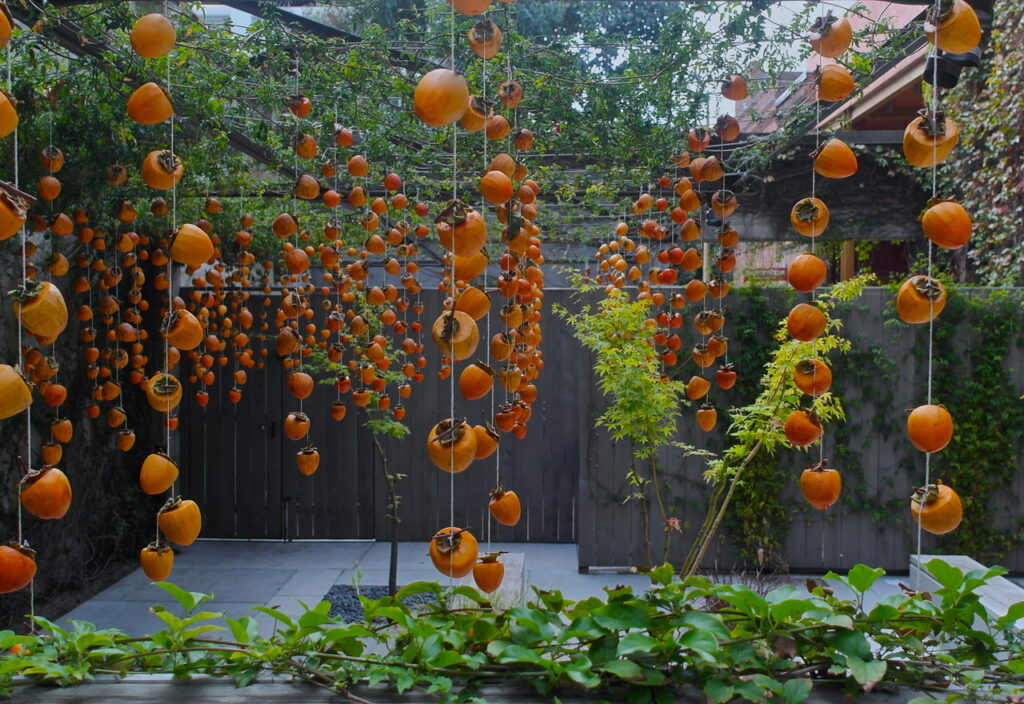
Benu combines multiple culinary traditions into a cohesive and forward-looking style. The kitchen draws from Korean heritage, Chinese techniques, and modern American fine dining. Preservation methods such as aging, drying, and fermentation are central to flavor development. Ingredients that are rarely seen in Western restaurants are prepared with extreme precision and care. Presentation is clean and architectural, emphasizing structure and balance. Dishes often take days or weeks to complete, reflecting a commitment to process over speed. The result is food that feels intellectual but approachable, introducing unfamiliar elements through thoughtful execution rather than novelty.
7. Smyth

Smyth focuses on how food changes as it is eaten. Many dishes are designed to evolve in temperature, texture, or flavor over time. The kitchen uses techniques like controlled heating, rapid chilling, and layered plating to create progression within a single course. Ingredients are often local and seasonal, but prepared in unconventional ways. Sauces may be airy, frozen, or intensely concentrated. Proteins are cooked with precision to highlight natural sweetness and structure. Innovation at Smyth is driven by sensory curiosity. The food encourages attention, rewarding diners who notice subtle shifts from the first bite to the last.
8. n/naka
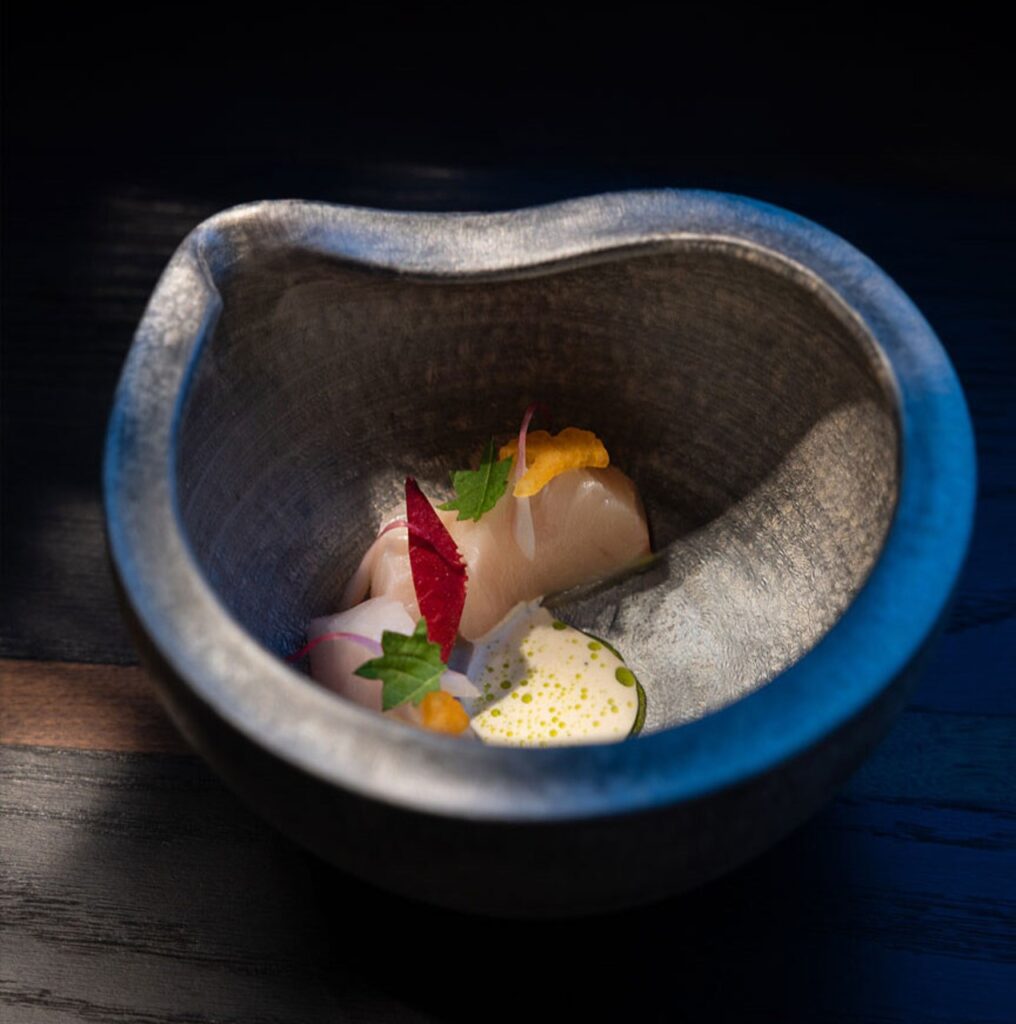
n/naka modernizes Japanese kaiseki while respecting its philosophical foundation. Each course follows a deliberate rhythm, balancing taste, texture, and appearance. Traditional techniques are combined with Californian ingredients and modern equipment. Seasonal vegetables and seafood are treated with restraint, allowing natural flavors to remain central. Subtle changes in temperature and seasoning distinguish each dish from classical versions. Innovation here is quiet and disciplined, focusing on refinement rather than reinvention for its own sake. The experience demonstrates how structure can support creativity, offering a meal that feels both contemporary and deeply rooted in tradition.