Frozen Foods Are Outselling Fresh in Some Stores and the Trend Is Accelerating

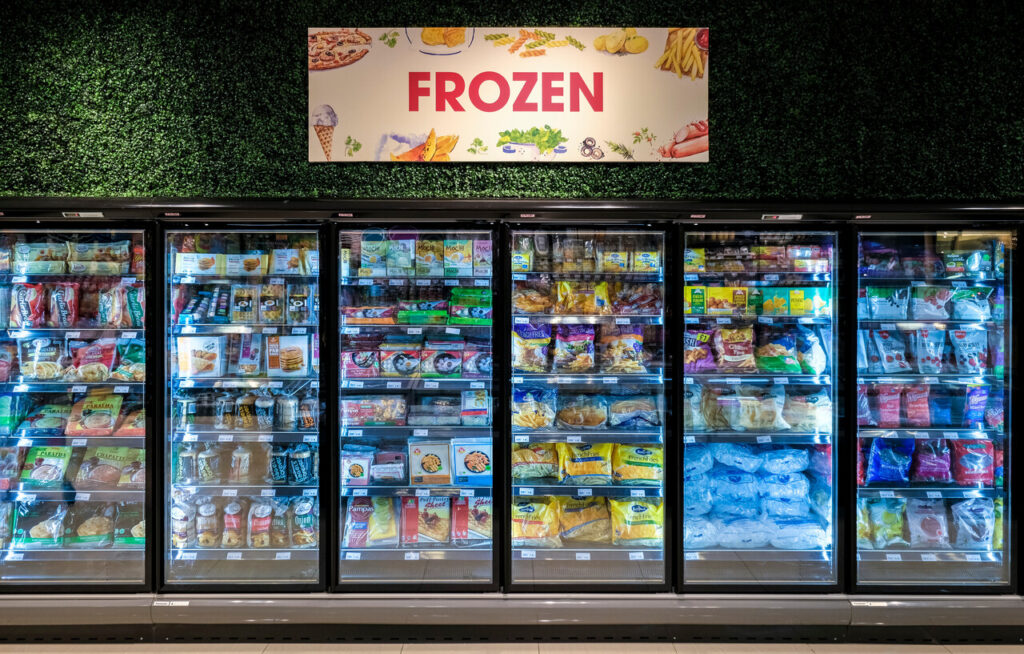
For decades, fresh food dominated the conversation around quality and nutrition, while frozen sat quietly in the background as a convenience option. That balance is starting to shift. In some grocery stores, frozen foods are now outselling fresh items in comparable categories, and the gap is widening. Better freezing technology, cleaner ingredient lists, and changing shopping habits have reshaped how consumers think about the freezer aisle. What once felt like a compromise is increasingly viewed as a smart, reliable choice for everyday meals.
The Rise of Frozen Foods
Walk into certain grocery stores today and the change is hard to miss. Freezer aisles are no longer an afterthought tucked into the back corner. They’re bigger, brighter, and stocked with products that look far more like complete meals than emergency backups. In some stores, frozen foods are now outselling fresh items within comparable categories, a shift that would have sounded unlikely even a decade ago. This isn’t happening because shoppers have suddenly lost interest in fresh food. It’s happening because frozen has quietly evolved into something very different from its TV dinner reputation.
What makes this shift surprising is how deeply ingrained the idea of fresh as superior still is. For years, frozen food was associated with compromise, lower quality, and heavy processing. But sales data and in-store behavior tell a different story. Shoppers are returning to frozen sections repeatedly, not just for convenience but for quality and consistency. In some cases, frozen vegetables, fruits, and prepared items are moving faster than their fresh counterparts because customers trust what they’ll get every time. That trust is driving repeat purchases, and once habits shift, they tend to accelerate rather than reverse.
What’s Driving the Frozen Food Boom
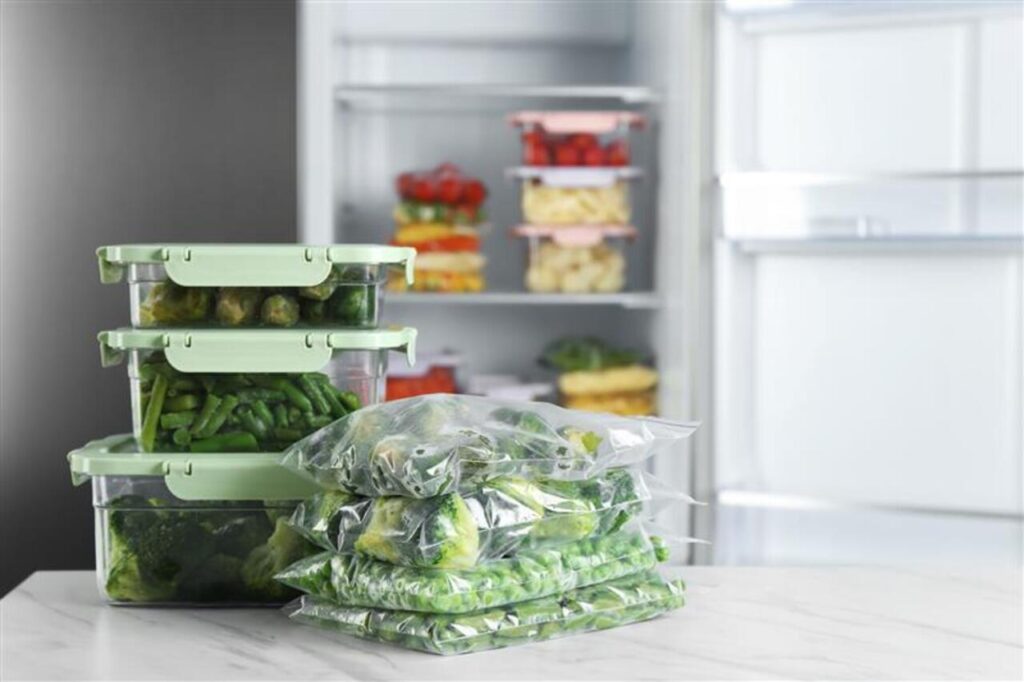
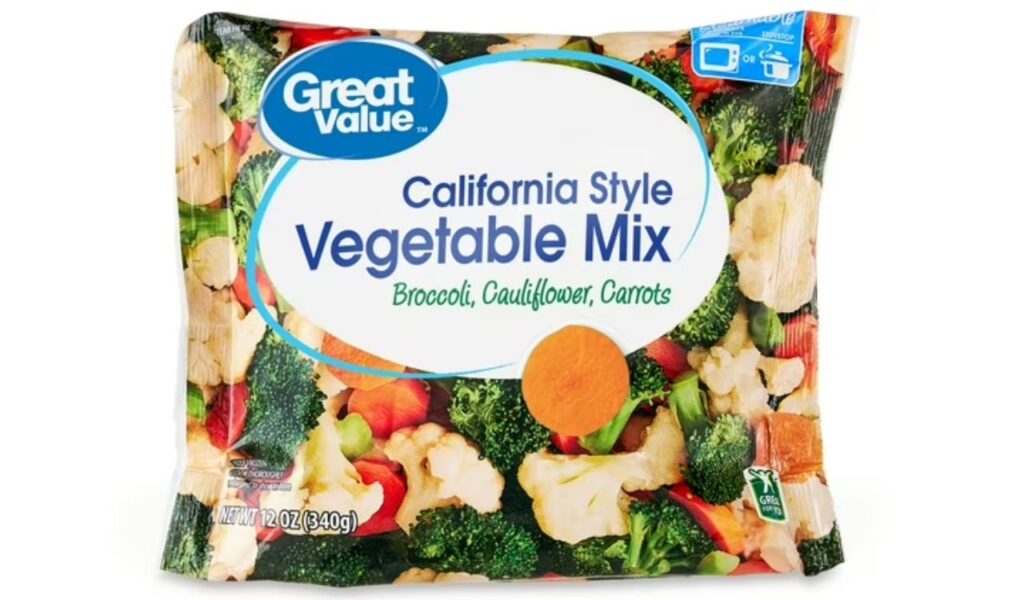
One of the biggest forces behind the surge is how dramatically frozen food offerings have changed. Today’s frozen aisle is filled with clean-label products that feature short ingredient lists, recognizable foods, and minimal additives. Brands have leaned into transparency, clearly labeling sourcing, nutrition, and preparation methods. This has helped rebuild confidence among shoppers who once avoided frozen food out of health concerns. When consumers realize frozen broccoli can contain nothing but broccoli, the stigma fades quickly.
Plant-based and health-focused options are also playing a major role. Frozen meals now cater to vegetarian, vegan, gluten-free, and high-protein diets in ways that fresh convenience foods often can’t. The freezer provides stability, which allows manufacturers to experiment with nutrient-dense ingredients without worrying about rapid spoilage. For shoppers managing specific diets or feeding households with mixed preferences, frozen foods offer flexibility without waste. That combination of health alignment and practicality has turned frozen into a go-to category rather than a fallback.
Quality Improvements That Changed Perceptions
The technology behind freezing has improved far more than most consumers realize. Modern flash-freezing locks in texture, color, and nutrients at peak freshness, often within hours of harvest. This means frozen fruits and vegetables can retain more nutritional value than fresh items that spend days in transit and on shelves. The result is food that performs better in cooking and tastes more consistent across seasons. Once shoppers experience that reliability, perception shifts quickly.
Beyond produce, frozen proteins and prepared foods have also benefited from better techniques and recipes. Sauces emulsify more smoothly, grains hold their structure, and proteins avoid the dryness that plagued older frozen meals. Many frozen products are now designed by chefs and food scientists with the same care once reserved for fresh or refrigerated items. As quality gaps close, shoppers feel less like they’re settling and more like they’re choosing smartly. Frozen becomes a premium option in its own right, not a compromise.
Value, Convenience, and Consumer Behavior
Price and waste play a larger role in buying decisions than many people admit. Fresh foods spoil quickly, and throwing away unused produce or proteins adds hidden cost to grocery bills. Frozen foods eliminate much of that risk. Shoppers can use exactly what they need and return the rest to the freezer without pressure. Over time, this translates into real savings, especially for smaller households or people who cook irregularly.
Convenience is equally important. Busy schedules have reshaped how people plan meals, and frozen foods fit seamlessly into that reality. They reduce prep time, simplify portion control, and make it easier to keep meals on track without daily shopping. As work patterns and family routines remain unpredictable, frozen food offers control and flexibility. Once consumers realize they can eat well without sacrificing time or money, frozen becomes a default choice rather than a last resort.
What This Means for Grocers and Producers
For retailers, the acceleration of frozen sales is changing store strategy. More space is being allocated to freezer cases, and merchandising is becoming more intentional. Frozen foods are being grouped by lifestyle and meal occasion rather than treated as a single category. This helps shoppers navigate the aisle with confidence and encourages discovery. Retailers are also investing in better freezer technology and visibility, recognizing that frozen is no longer a static category.
For producers, the trend signals long-term opportunity. Innovation is shifting toward frozen because it allows for consistency, scalability, and experimentation without the pressure of rapid spoilage. As consumer trust grows, brands are willing to introduce higher-quality ingredients and more sophisticated recipes. The acceleration isn’t just about sales numbers. It reflects a broader change in how people define freshness, quality, and value. Frozen food isn’t replacing fresh entirely, but it’s clearly claiming a larger, more respected role in how people eat today.
References
- Clean-label, plant-based and high-quality frozen foods drive sales gains – supermarketnews.com
- Power of Frozen in Retail – firestonespecificfoods.com