There’s a Reason Trader Joe’s Shelves Always Feel a Bit Off

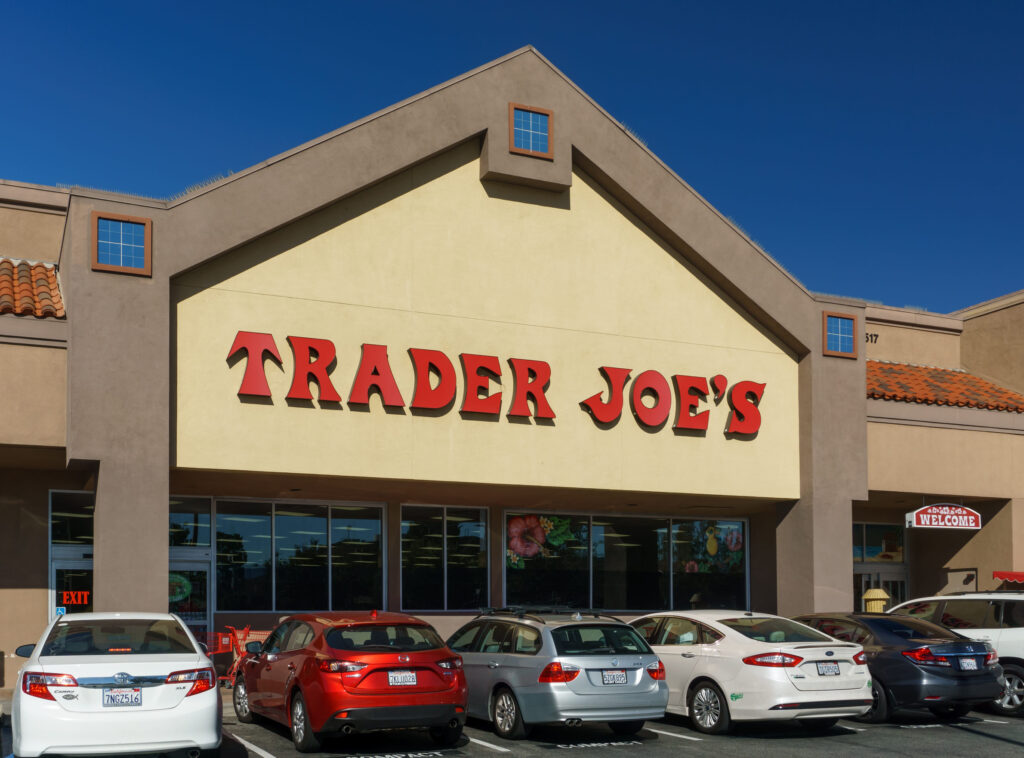
There is something unusual about walking through Trader Joe’s, and it often starts with the shelves. At first glance, everything seems familiar, yet slightly different. The arrangement, spacing, and flow do not follow the typical patterns most grocery shoppers expect.
As you move from section to section, the feeling becomes clearer. Products appear tightly packed, displays shift often, and certain items seem to come and go without warning. It creates an experience that feels less predictable but still engaging.
These details are not accidental. They reflect a distinct approach to how the store is designed and stocked. Understanding them reveals why the shelves feel a bit off and why many shoppers keep coming back.
1. The Layout Is Designed to Feel Different
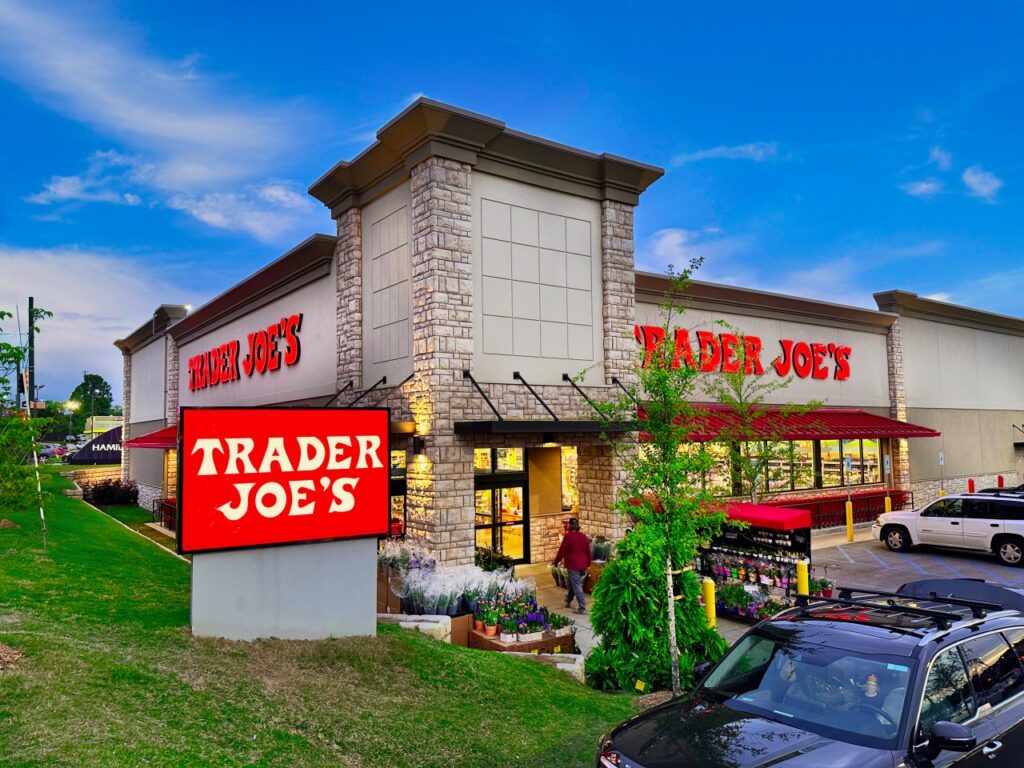
Step inside Trader Joe’s and the layout immediately stands apart from traditional supermarkets. Instead of long, uniform aisles, the store uses a more compact and slightly irregular arrangement that encourages browsing rather than quick navigation.
This design is intentional. It slows the shopping pace just enough for customers to notice products they might otherwise miss. Displays are often grouped in ways that feel less structured, which can make the space feel a bit unpredictable.
For shoppers, this creates a unique experience. It may feel slightly off at first, but it also adds a sense of discovery that keeps visits engaging and different from routine grocery trips.
2. Fewer Products Mean Fuller Shelves
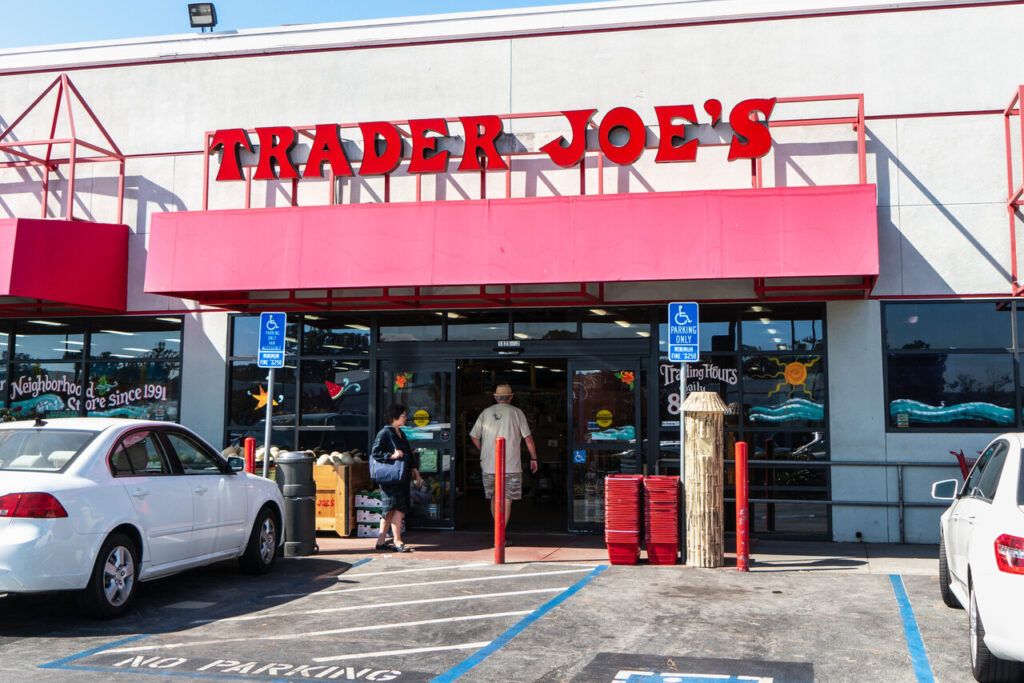
Trader Joe’s carries far fewer items than a typical grocery store, and this directly affects how shelves look. Instead of offering multiple brands for the same product, the store focuses on a limited selection of carefully chosen items.
Because of this, shelves are stocked more densely. Products are often stacked tightly, giving the impression of abundance while actually offering fewer choices. This can make displays feel slightly crowded compared to traditional stores.
For customers, the benefit is simplicity. With fewer options to compare, decisions become quicker. However, the compact presentation can also make the shelves feel visually different from what shoppers are used to.
3. Products Change More Often Than Expected
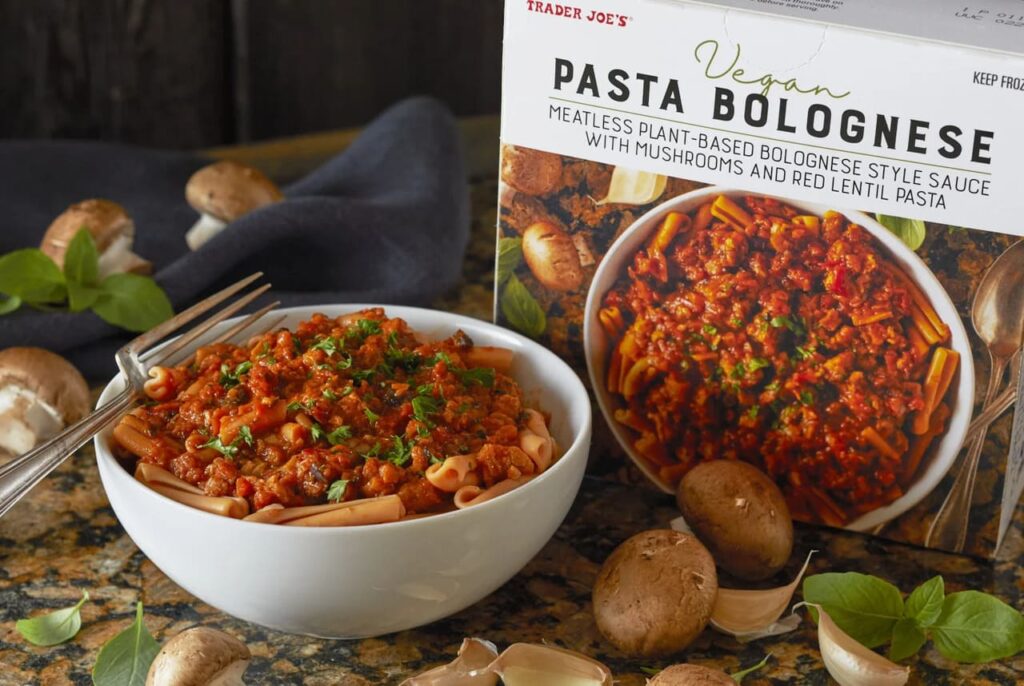
One reason shelves can feel unpredictable at Trader Joe’s is the frequency of product rotation. The store regularly introduces new items while discontinuing others, keeping the selection fresh but not always consistent for returning shoppers.
This constant change means that a product you saw last week may not be there today. Seasonal releases, limited batches, and test products all contribute to this pattern, making the store feel dynamic but also less stable over time.
For shoppers, this creates both excitement and uncertainty. There is always something new to discover, but it also requires flexibility when familiar items disappear, shift locations, or are replaced by newer alternatives.
4. Private Labels Shape the Entire Store
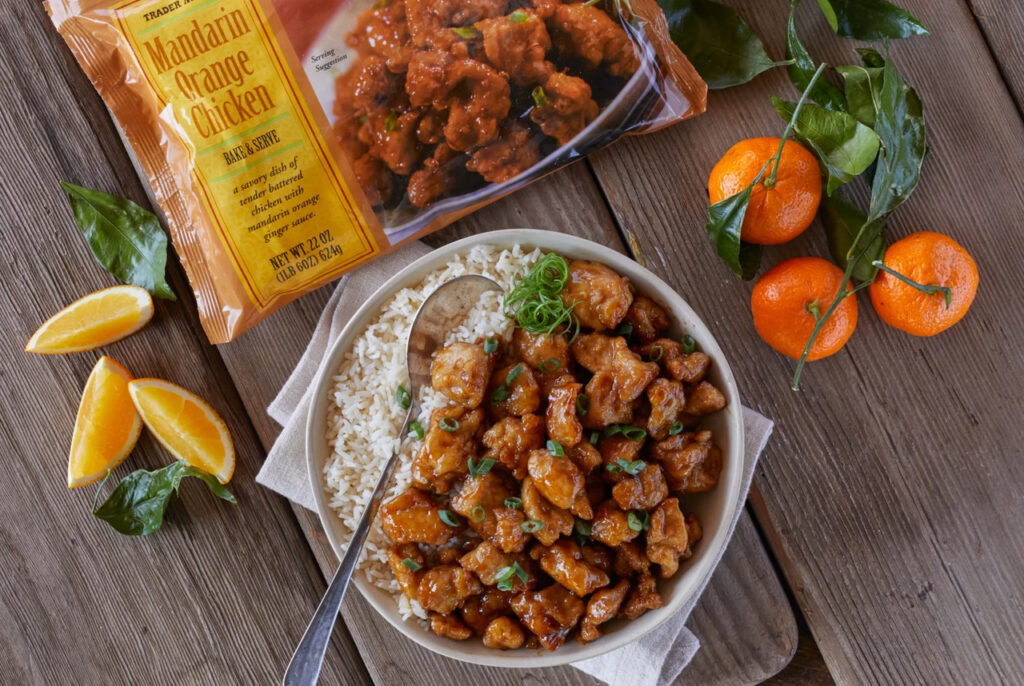
Nearly everything at Trader Joe’s is sold under its own label, which has a major impact on how shelves are organized and presented. Without multiple competing brands, displays can be arranged more efficiently and with clearer intent.
This approach simplifies stocking and allows tighter control over placement and product flow. Each item has a defined role on the shelf rather than competing visually with similar products from different brands, which changes how shelves look overall.
For shoppers, this creates a cleaner but different experience. The absence of familiar national brands may feel unusual at first, but it reduces clutter and helps make decisions quicker over time.
5. Smaller Spaces Create a Compact Feel
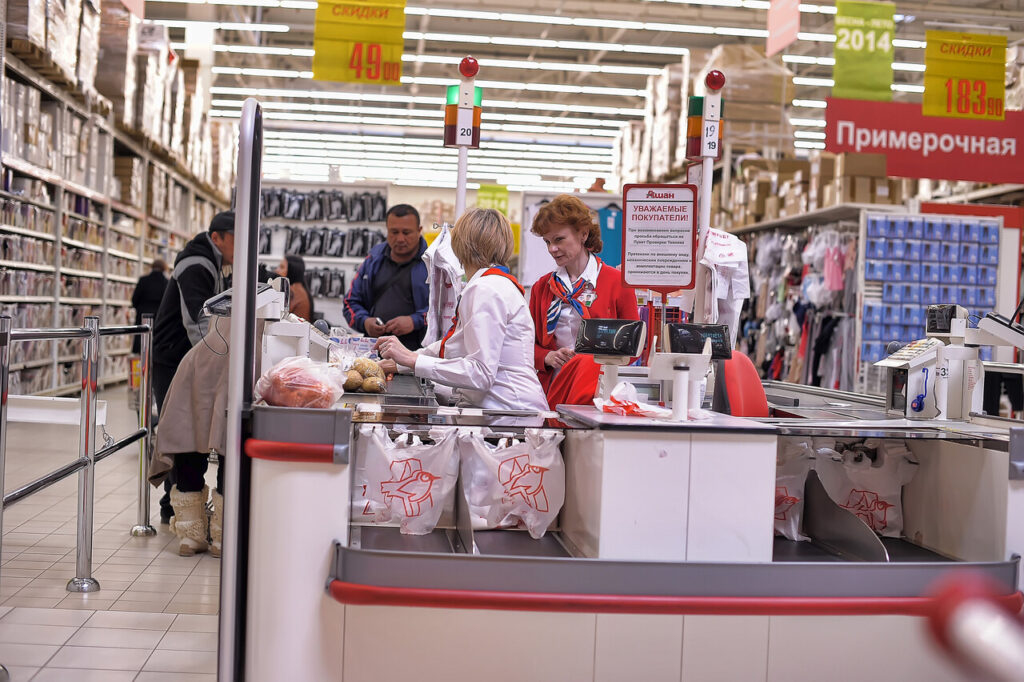
Trader Joe’s stores are typically smaller than standard supermarkets, and this directly shapes how everything is arranged. With limited space, shelves are placed closer together, and displays are more condensed to fit a wide range of items.
This compact setup makes the store feel busy, even when it is not crowded. It also encourages steady movement, since there is less room to pause or explore without affecting the flow of other shoppers nearby.
For customers, the experience feels more intimate but also slightly tight. While it supports quicker trips, it can make the layout seem more packed and visually dense compared to larger grocery stores.
6. Handwritten Signs Add to the Unusual Look
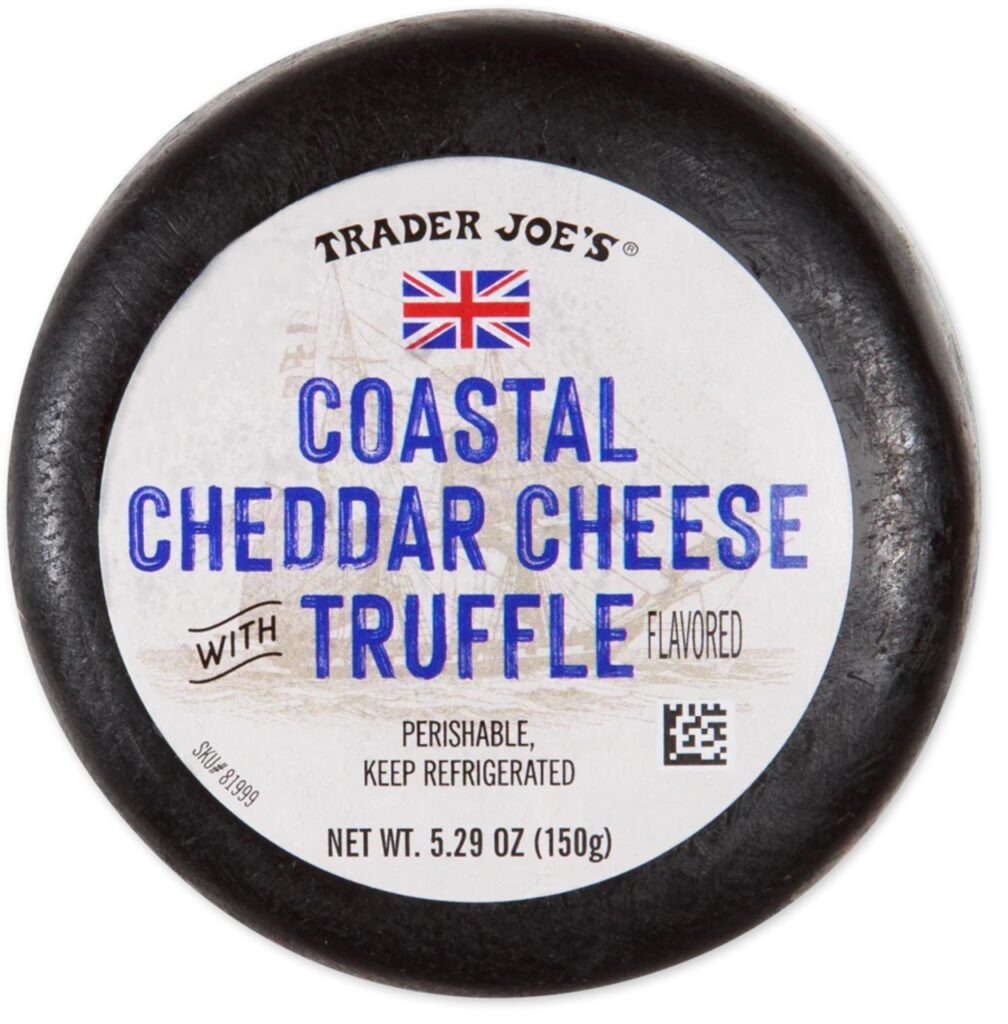
A defining feature of Trader Joe’s is its handwritten signage. Prices, product names, and promotions are often displayed on hand-drawn boards instead of standard printed labels used in most supermarkets.
This adds a personal and informal touch to the store environment. However, it also contributes to a layout that feels less uniform and more flexible, as signs can vary in style, size, and placement throughout the aisles.
For shoppers, this creates a relaxed and approachable atmosphere. At the same time, it can make scanning for prices or comparing items slightly less straightforward, especially during quick shopping trips.
7. Popular Items Disappear Quickly
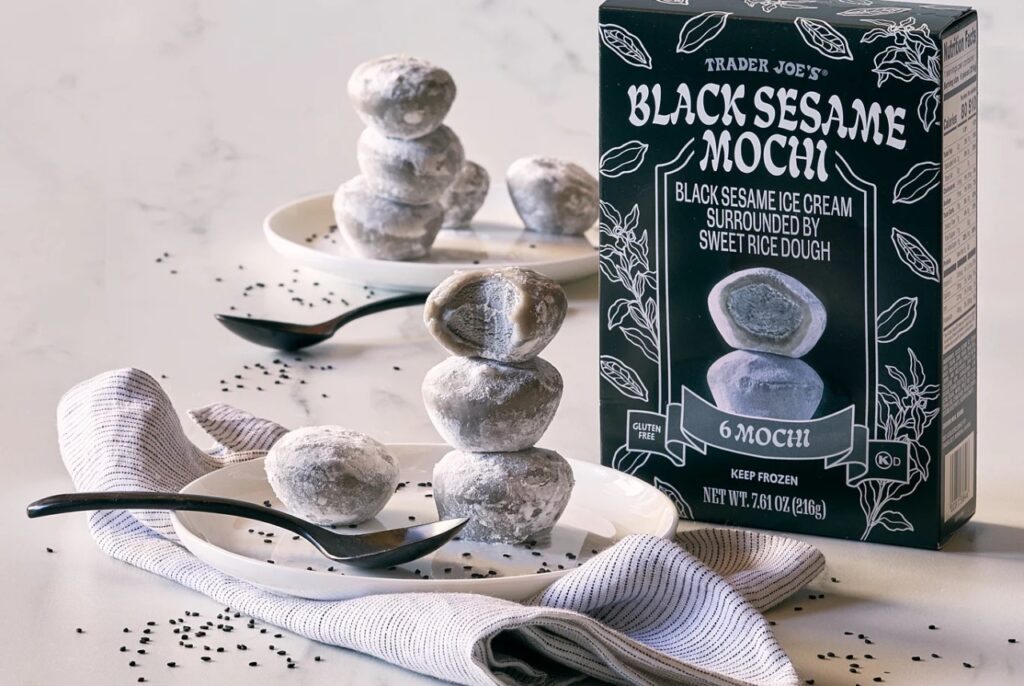
Another factor that makes shelves feel inconsistent is how quickly certain products sell out at Trader Joe’s. The store often stocks limited quantities, especially for popular or seasonal items that attract strong demand.
When demand spikes, shelves can develop noticeable gaps during the day. These empty spots are not always filled immediately, which adds to the uneven look and reinforces the idea of limited availability.
For shoppers, this means timing matters. Finding a specific item may depend on when you visit, and occasional empty shelves become part of the experience rather than something unusual or unexpected.