Shopping at Kroger Doesn’t Feel the Same Everywhere for 9 Reasons

Step into a Kroger store in one place, then visit another in a different city, and the contrast can be surprisingly clear. What feels familiar in one location may look and function differently in another, even though the name remains the same. This variation is not accidental.
As you move through the aisles, differences appear in pricing, layout, product selection, and even the pace of the store. Some locations feel modern and fast, while others lean more traditional. Each visit reflects a mix of local demand and company strategy.
Understanding these shifts helps explain why the experience can feel inconsistent. It also reveals how Kroger adapts to different communities, shaping each store to fit the people it serves.
1. Different Names, Different Experiences
Shopping at Kroger does not always look the same because the company operates under multiple regional banners. Stores may carry different names depending on the location, yet still belong to the same parent company. This structure allows Kroger to adapt to local markets.
Each banner often has its own identity, layout style, and product focus. What feels like a Kroger in one state may resemble a completely different grocery store in another. This can make the experience feel less uniform compared to other national chains.
For shoppers, this means expectations need to adjust by location. While the core systems may be similar, the visible experience is shaped by regional branding and local strategy.
2. Prices Shift Depending on Where You Shop
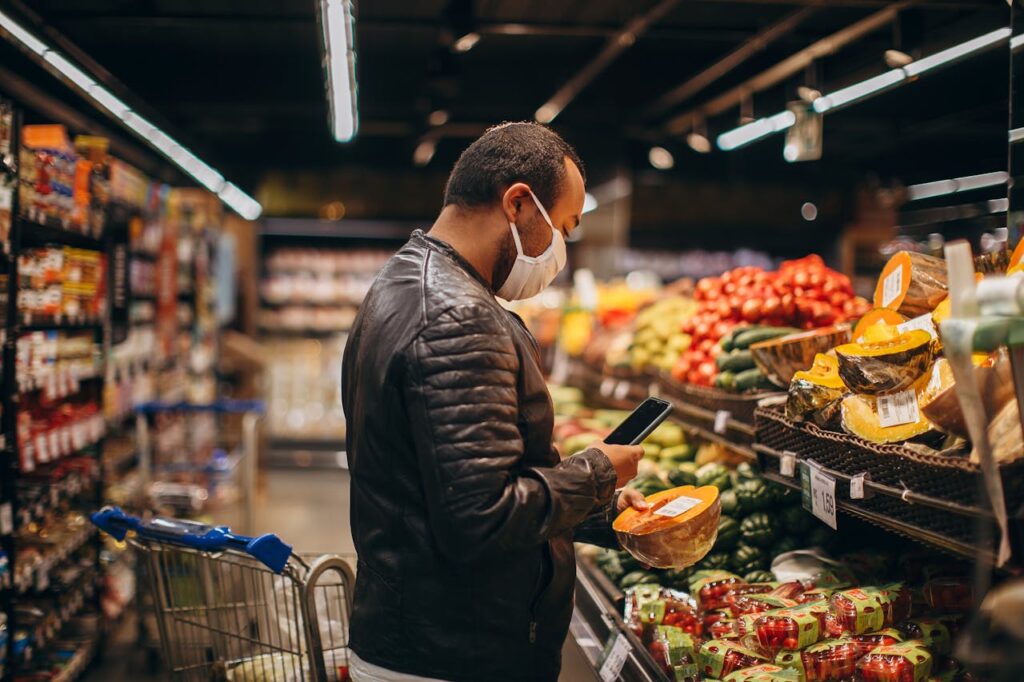
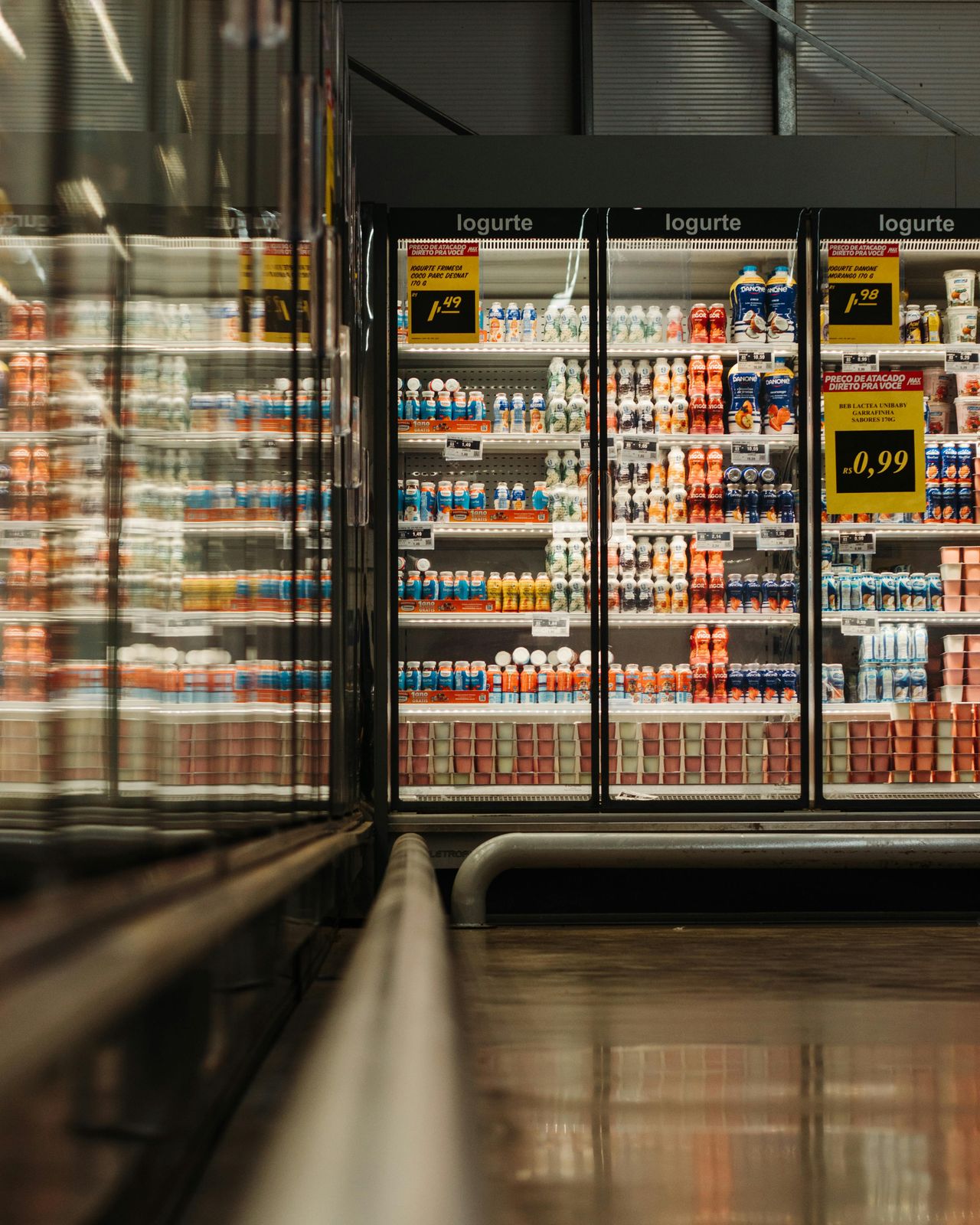
Pricing at Kroger is not fixed across all locations. Instead, it is influenced by local competition, cost of living, and regional demand. Stores in highly competitive areas may offer lower prices or more frequent promotions.
This flexibility allows Kroger to stay competitive in different markets. However, it also means that the same product can cost more or less depending on where you shop. Customers who travel between locations may notice these differences quickly.
For shoppers, this creates a more dynamic pricing environment. While deals can be better in some areas, consistency is not always guaranteed across stores.
3. Store Layouts Reflect Age and Investment
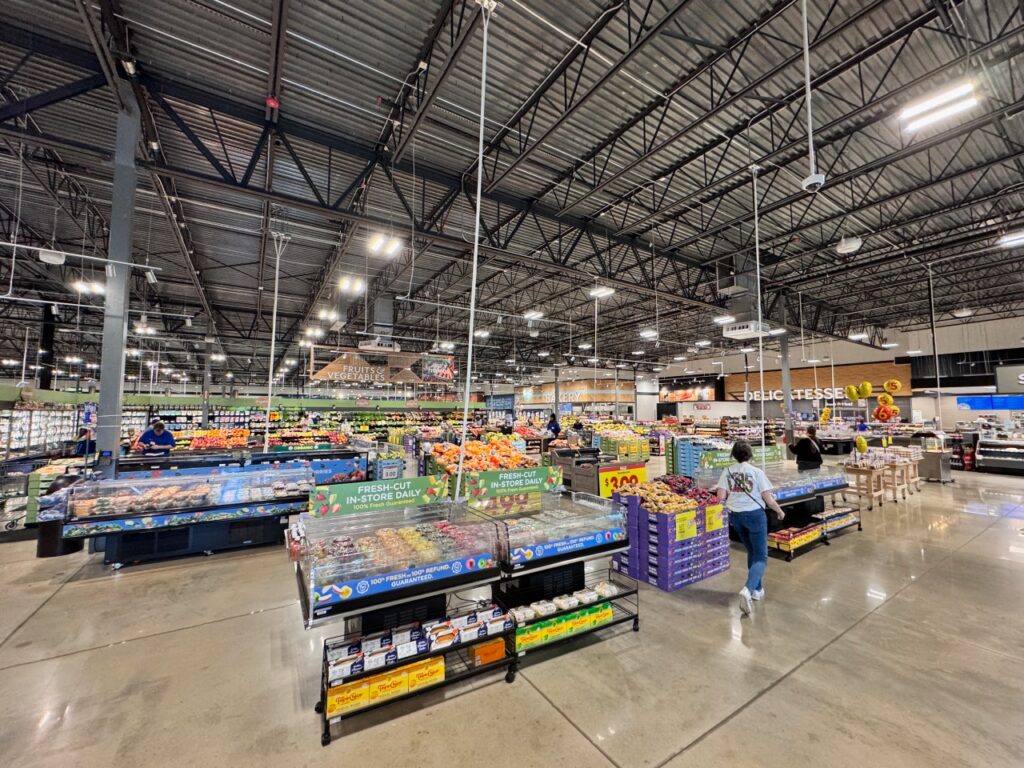
Not all Kroger stores are built or updated at the same time, which leads to noticeable differences in layout. Some locations have modern designs with wider aisles and updated sections, while others follow older formats that feel more traditional.
Remodeling schedules play a big role in this variation. Stores that have been recently upgraded often include improved lighting, clearer signage, and better organization. Older locations may lack these features.
For customers, this affects how easy it is to shop. A newer store may feel more intuitive and efficient, while an older one may require more time to navigate.
4. Product Selection Depends on the Region
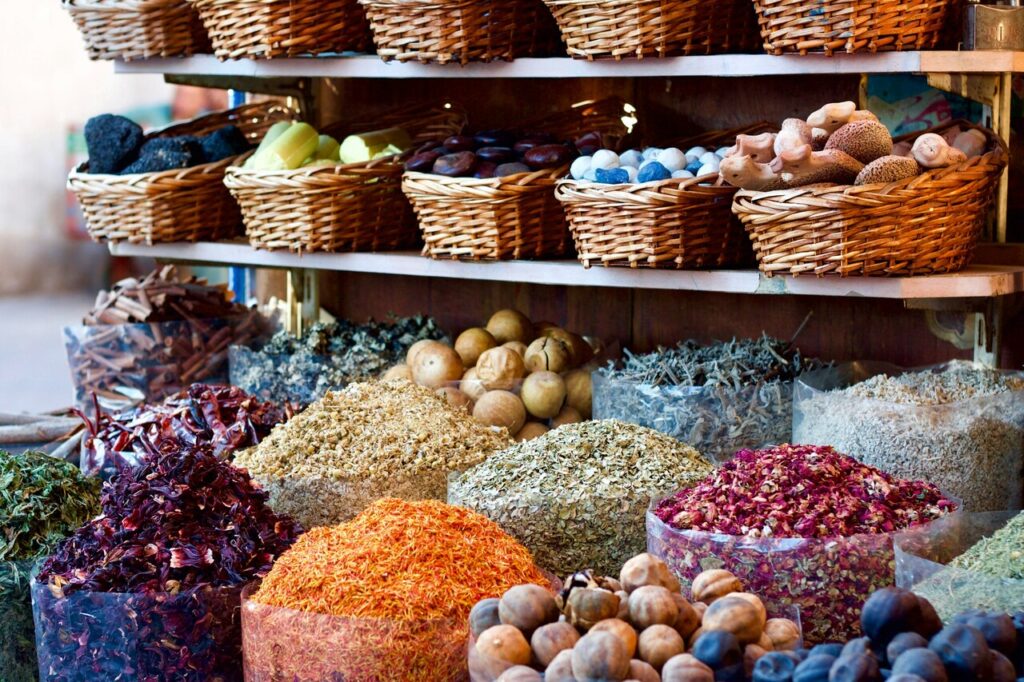
What you find on Kroger shelves can vary depending on the region. Stores adjust inventory based on local tastes, cultural preferences, and demand patterns. This helps ensure products match what nearby customers actually want during regular visits.
For example, certain foods or brands may be common in one area but rare in another. Fresh items, specialty goods, and packaged products can differ between locations, reflecting regional habits and seasonal demand.
For shoppers, this means variety can feel inconsistent. While some stores offer a tailored selection, others may seem more limited based on local demand. It also encourages customers to adapt their choices to what is available nearby.
5. Private Labels Are Not Always Equal
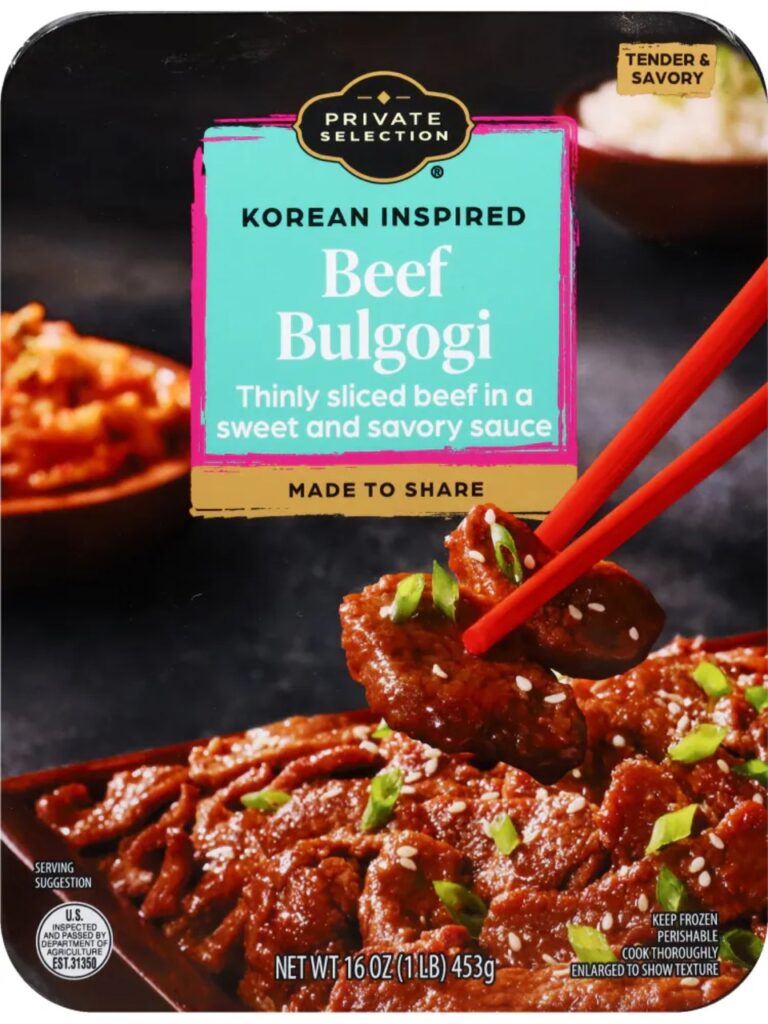
Kroger’s private label products are a major part of its offering, but their availability is not always consistent across locations. Some stores carry a full range of store brands, while others may have fewer options on shelves due to space or demand differences.
This often depends on store size, regional demand, and supply distribution. Larger or more updated stores tend to feature a wider variety of private label items, while smaller locations may focus mainly on everyday essentials.
For shoppers, this affects both choice and value. Since store brands are often more affordable, limited availability can change how much customers save depending on where they shop. It also influences brand loyalty over time.
6. Service Levels Can Vary by Store
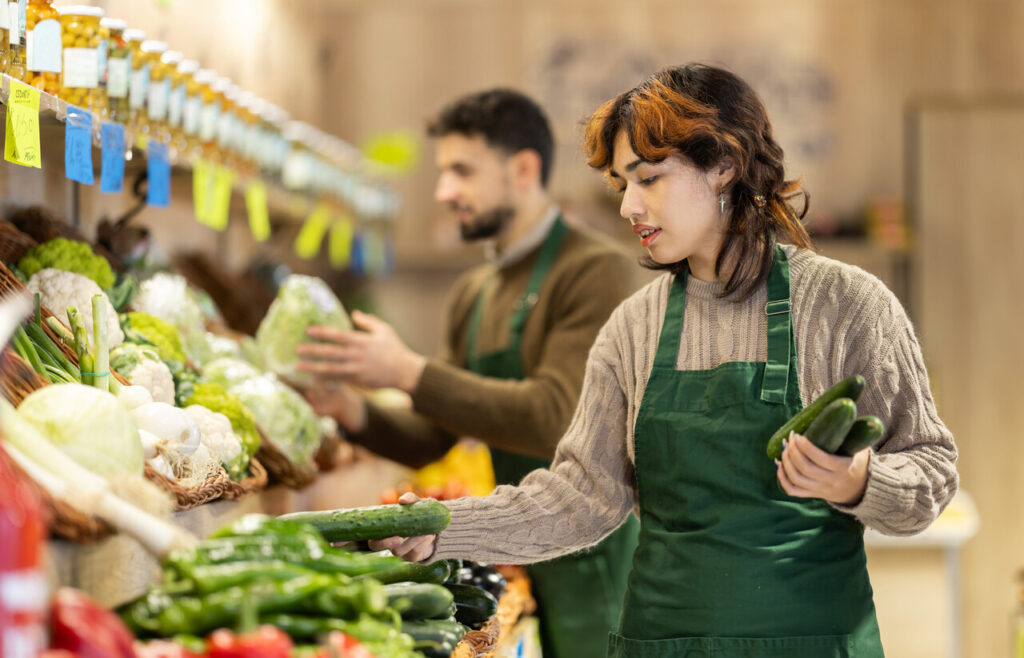
The level of service at Kroger can differ from one location to another. Staffing levels, employee experience, and management all play a role in how customers are assisted during their visit and how smoothly operations run.
Some stores feel well-staffed and responsive, with employees available to help quickly. Others may have fewer workers on the floor, leading to longer wait times, slower checkout experiences, or limited assistance in certain sections.
For shoppers, this impacts the overall experience. A helpful and attentive environment can make shopping easier, while inconsistent service can create frustration, especially during busy hours or peak shopping times.
7. Online Orders Change In-Store Flow
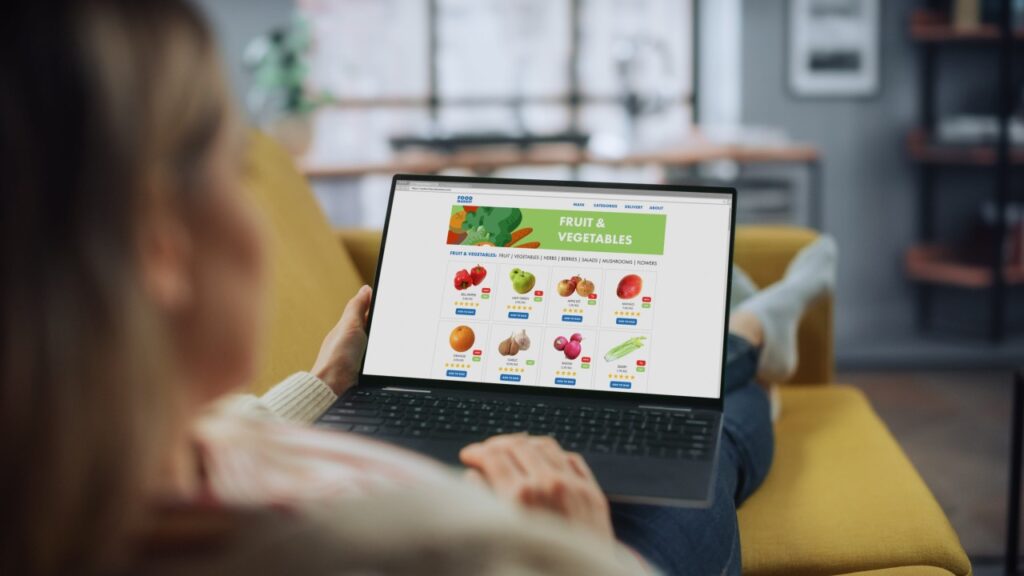
Many Kroger locations now support online order fulfillment, and this can influence what happens inside the store. Employees picking items for pickup or delivery are often moving through aisles alongside regular shoppers throughout the day.
This added activity can make some areas feel busier, especially during peak hours when both in-store and online demand are high. It also affects how inventory is managed, as products are selected for multiple purposes at once.
For shoppers, this creates a slightly different atmosphere. While it improves convenience for online orders, it can change the pace and flow of the in-store experience and require more awareness while navigating aisles.
8. Technology Is Not the Same Everywhere
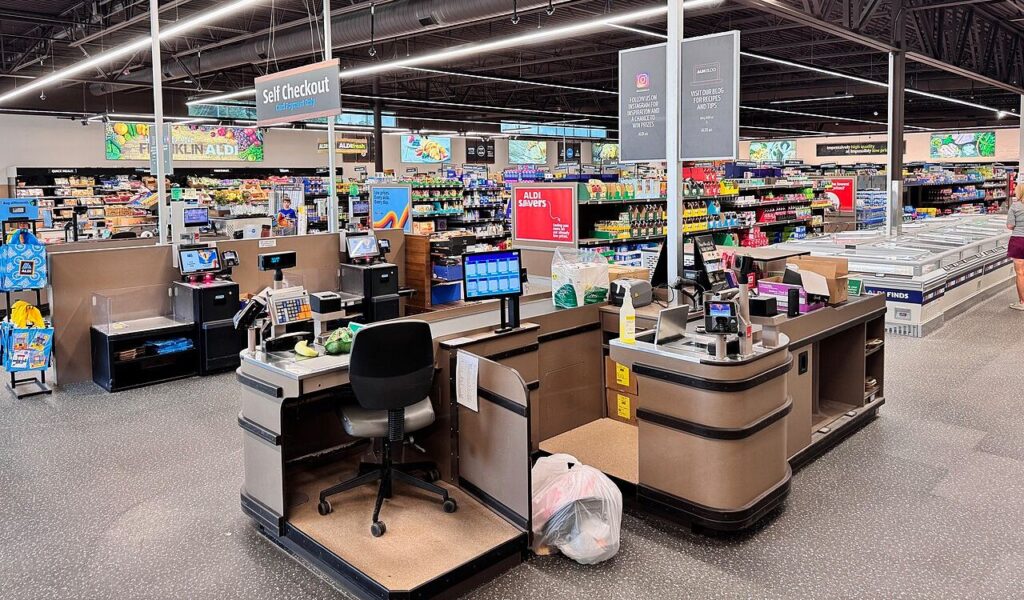
Kroger is introducing new technology across its stores, but adoption is not uniform. Some locations feature advanced self-checkout systems, digital price tags, and app-based tools, while others still rely on more traditional setups and manual processes.
This variation often depends on investment timing and store upgrades. Newer or remodeled locations are more likely to include modern features that streamline shopping and improve efficiency for both staff and customers.
For customers, this leads to different expectations. A store with updated technology may feel faster and more convenient, while another location may feel slower and less automated, depending on available systems.
9. Local Communities Shape the Experience
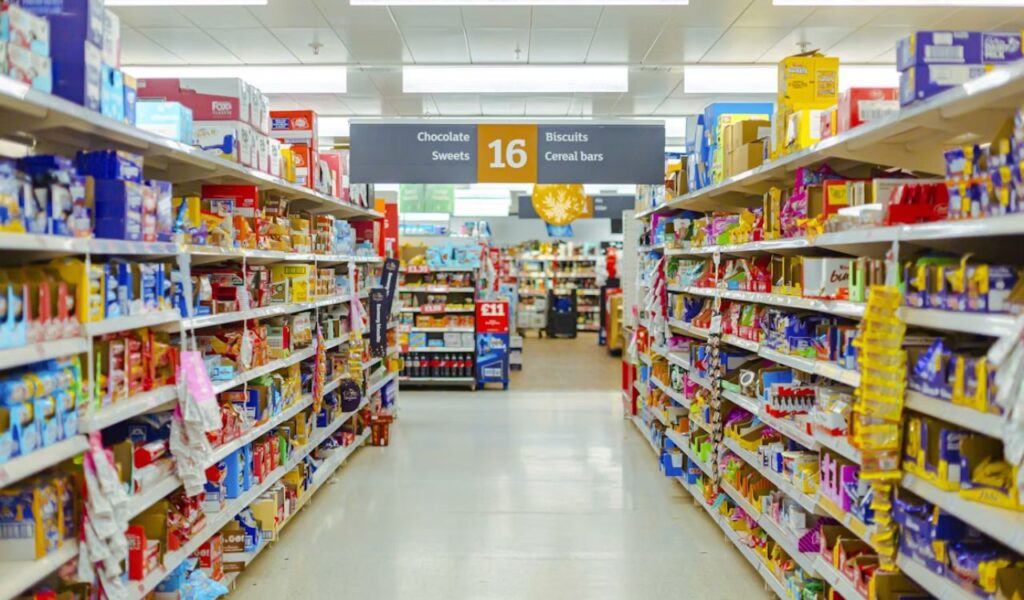
Perhaps the most important factor is the community around each store. Kroger locations are influenced by local demographics, including income levels, cultural preferences, and everyday shopping habits of nearby residents.
Stores adjust their offerings, pricing, and even layout choices to better serve the people nearby. This makes each location feel more connected to its community while still operating under the same overall brand.
For shoppers, this means no two Kroger stores feel exactly alike. The experience is shaped not just by the company, but by the people it serves in each specific area, creating a more localized shopping environment.