7 Essential Ingredients to Keep on Hand for the Holiday Season


The holiday season brings fuller tables, longer cooking days, and a steady stream of shared meals, all of which benefit from good preparation. Keeping a short list of dependable ingredients on hand reduces last-minute stress and allows dishes to come together smoothly. These essentials support baking, roasting, simmering, and finishing touches across both sweet and savory menus. With a well-stocked pantry and refrigerator, holiday cooking becomes more flexible, efficient, and enjoyable for hosts and guests alike.
1. Butter
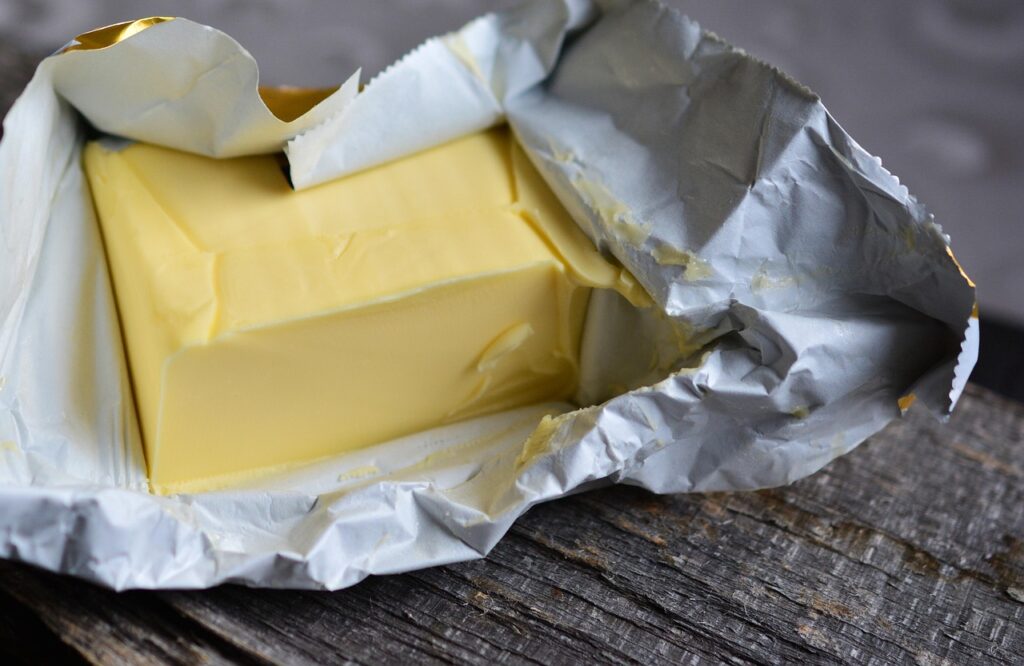
Butter sits at the center of holiday cooking because it performs multiple roles without calling attention to itself. In baking, it provides structure, tenderness, and flavor by trapping air when creamed with sugar and by melting predictably during baking. In savory dishes, butter carries aromatics, rounds sharp flavors, and adds richness to sauces, mashed vegetables, and roasted meats. Its fat content and other spices bloom gently and give gravies a smooth finish. Unsalted butter is especially useful because it allows precise taste and control over seasoning, which matters when recipes stack flavors.
2. All-purpose flour
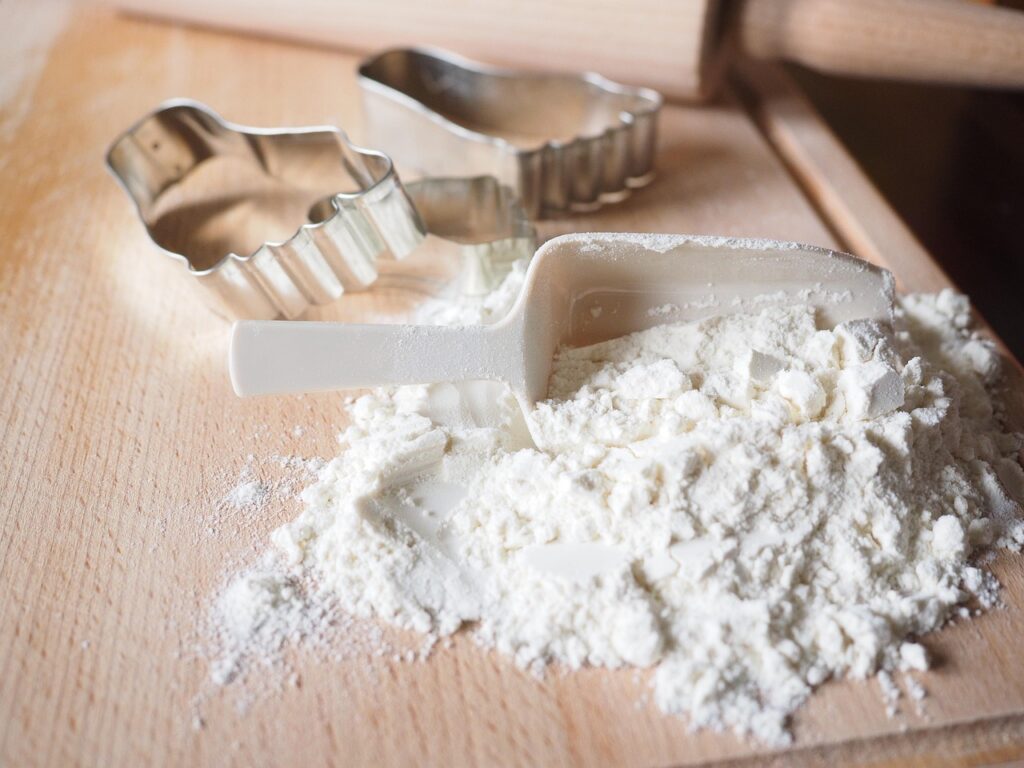
All-purpose flour earns its place as a holiday essential because of its adaptability across both sweet and savory cooking. Its balanced protein content allows it to form enough gluten for structure without becoming overly tough, which is why it works for cookies, cakes, quick breads, and pastry doughs alike. Beyond baking, flour thickens gravies, sauces, and soups when used as a roux or slurry. During the holiday season, when multiple dishes are prepared in succession, having a reliable flour eliminates the need to switch ingredients midstream. Its neutral flavor ensures it supports other ingredients rather than competing with them.
3. Granulated and Brown Sugar

Sugar does far more than sweeten holiday dishes, which is why both granulated and brown varieties are important to keep stocked. Granulated sugar contributes crispness, structure, and even browning in cookies and pastries. Brown sugar, with its molasses content, adds moisture and deeper flavor, making it essential for chewy cookies, glazes, and sauces. In savory cooking, sugar balances acidity in tomato-based dishes and enhances caramelization in roasted vegetables and meats. The different moisture levels between sugar types affect texture and shelf life, so having both on hand allows better control over final results.
4. Eggs
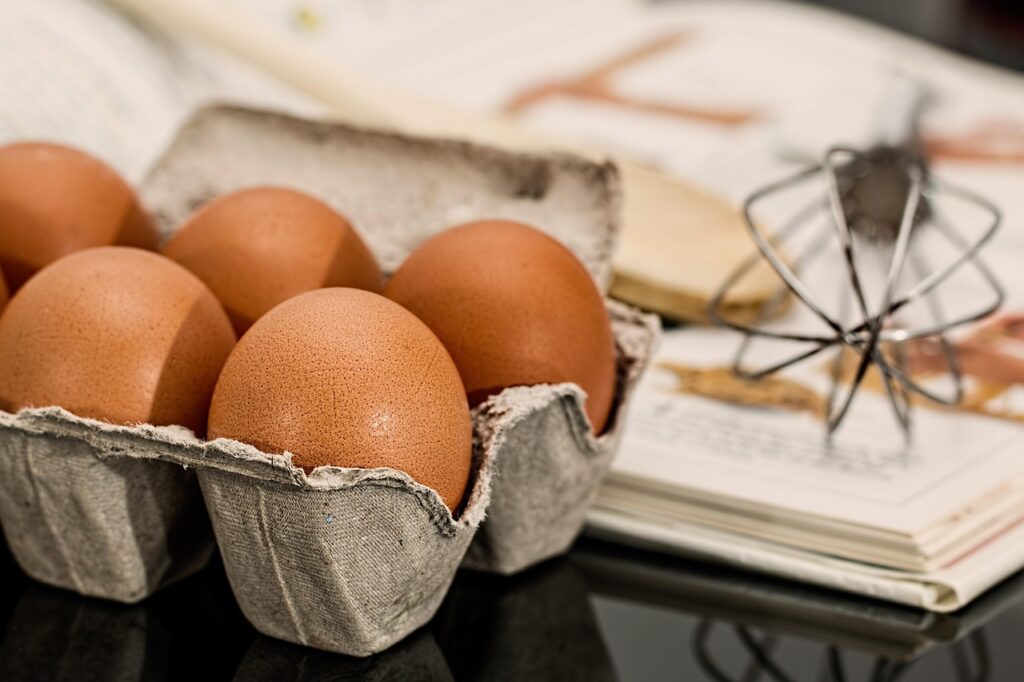
Eggs are one of the most versatile ingredients in holiday kitchens because they bind, leaven, thicken, and enrich a wide range of dishes. In baking, eggs provide structure through proteins that set during heat, while yolks contribute fat that adds tenderness and color. In custards and sauces, eggs thicken mixtures gently when heated carefully. Savory dishes rely on eggs for breakfast and stuffings that often appear during holiday brunches. Their ability to emulsify ingredients makes them key to smooth batters and dressings. Eggs also store well under refrigeration, making them easy to keep stocked for both planned recipes and spontaneous cooking.
5. Stock or Broth
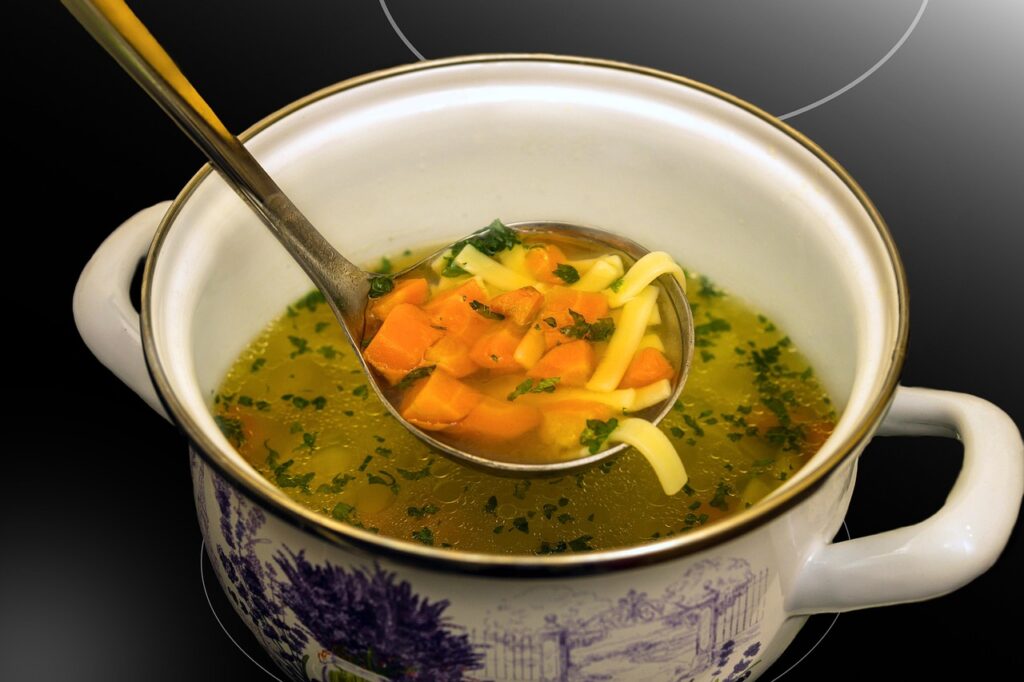
Stock or broth is a quiet workhorse during the holiday season, supporting many dishes without dominating flavor. It forms the base for soups, stews, gravies, and sauces, adding depth that water cannot provide. Stock also moistens stuffing and helps deglaze roasting pans, capturing browned bits that add richness. Whether homemade or store-bought, keeping a neutral chicken or vegetable stock allows flexibility across menus. Low-sodium versions offer better seasoning control, especially when multiple ingredients contribute salt. Stock freezes well, making it practical to prepare in advance or keep backups on hand during busy cooking days.
6. Canned Tomatoes
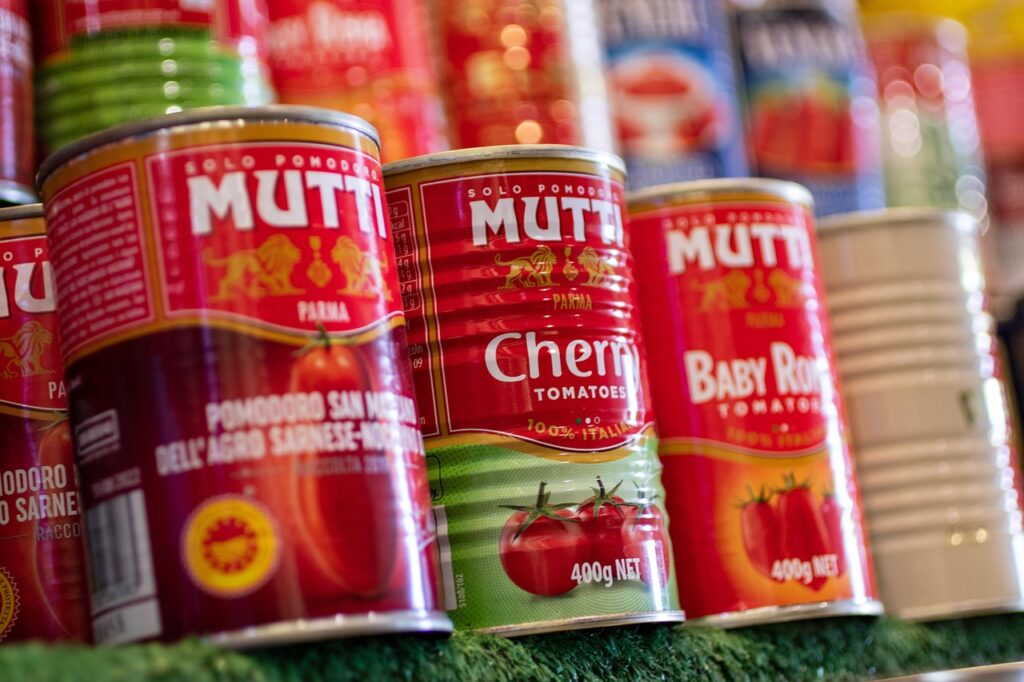
Canned tomatoes bring consistency and reliability when fresh tomatoes are out of season, which is common during the winter holidays. They provide acidity, sweetness, and body to sauces, soups, and braised dishes. Different styles, such as crushed, diced, or whole, offer control over texture depending on the recipe. Tomatoes also balance rich foods by cutting through fats with natural acidity. Their long shelf life makes them ideal for stocking ahead of time, reducing last-minute shopping trips. Because they are processed at peak ripeness, canned tomatoes often deliver better flavor than off-season fresh alternatives.
7. Fresh or Dried Herbs
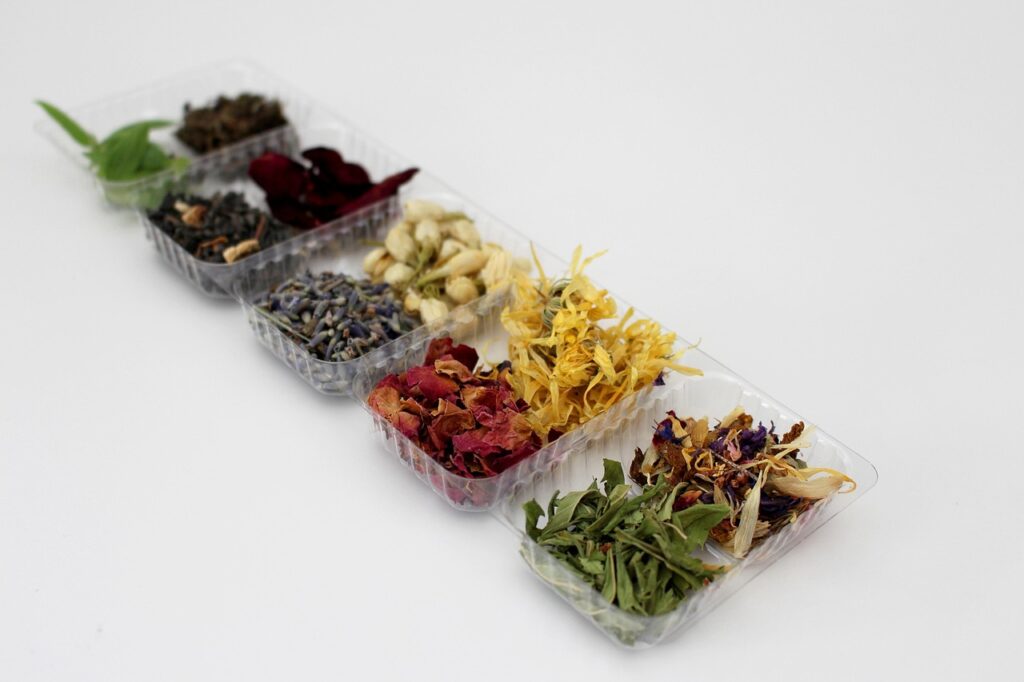
Herbs shape the character of holiday food by adding aroma and freshness that elevate even simple dishes. Fresh herbs like rosemary, thyme, and parsley bring brightness and visual appeal to roasts, sides, and garnishes. Dried herbs provide concentrated flavor and remain stable over long periods, making them useful backups when fresh options are unavailable. Understanding when to use each matters: fresh herbs shine at the end of cooking, while dried herbs release flavor slowly when heated. Keeping a small selection of both allows flexibility and consistency. Proper storage preserves potency, ensuring herbs deliver flavor when the holiday