12 Crookie Copycat Recipes That Turn Trendy Hype Into Expensive Disappointment


Trendy copycat recipes promise restaurant magic at home, but the reality is often far less glamorous. A crookie that looked flaky and molten online turns dense in your oven. That creamy pasta you loved at a chain spot separates or tastes flat. Here’s the thing: restaurant kitchens rely on controlled heat, specific ingredient ratios, and repetition that most home cooks simply do not have. What feels like a clever money-saving move can quickly become an expensive experiment. Before you buy specialty ingredients and clear your schedule, it helps to know where the hype tends to fall apart.
1. The Crookie That Looks Magical Online but Turns Dense at Home

The crookie, that viral croissant stuffed or topped with cookie dough, promises bakery drama in your own kitchen. On social media, it splits open in neat layers, with molten chocolate and crisp edges. At home, it is far less predictable. Laminated dough depends on cold butter layers staying intact. The moment your kitchen runs warm, or the dough rests too long, those layers collapse. What you get is a heavy spiral instead of delicate flakes.
The cookie portion creates its own challenge. Cookie dough spreads and releases fat as it bakes. Inside croissant dough, that fat can soak into the layers and prevent lift. Instead of a crisp outside and gooey center, you may end up with a greasy middle and an underbaked base. Getting both textures right at the same time demands careful temperature control and timing that most casual bakers underestimate.
Then there is cost. Good butter, quality chocolate, and ready-made croissant dough are not cheap. If you attempt laminated dough from scratch, you add hours of folding and chilling. For a trend that might taste similar to a bakery cookie with extra steps, many find the payoff does not justify the expense or effort.
2. The Olive Garden Shrimp Alfredo That Rarely Matches the Restaurant
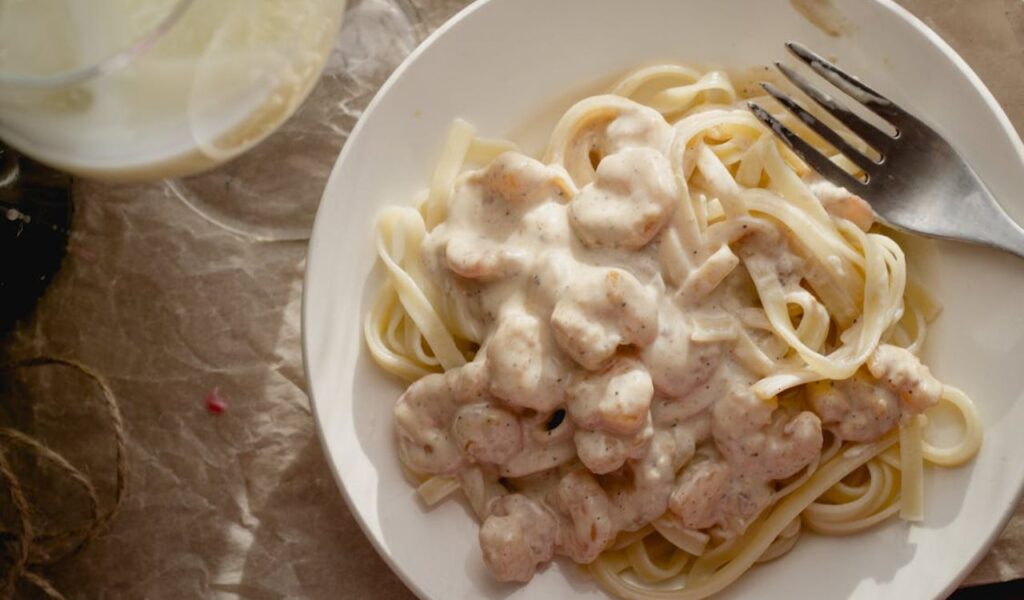
Shrimp Alfredo feels simple on paper: pasta, cream, butter, Parmesan, shrimp. Yet the restaurant version relies on precise seasoning and controlled heat to emulsify the sauce smoothly. At home, cream sauces often separate or thicken unevenly. If the heat runs too high, the cheese clumps. If too low, the sauce tastes flat and watery.
Shrimp adds another layer of risk. Overcook it by even a minute, and it turns rubbery. Undercook it, and texture suffers. Restaurants use consistent equipment and high-heat burners that allow fast searing without steaming the shrimp. Home stoves often lack that power, so shrimp releases water and dilutes the sauce.
The ingredient bill also climbs quickly. Heavy cream, fresh Parmesan, and decent-sized shrimp cost more than many expect. When the final dish tastes close but not quite right, it becomes clear that convenience and professional consistency are part of what diners were paying for.
3. The Panda Express Honey Walnut Shrimp That Turns Into a Sugary Mess
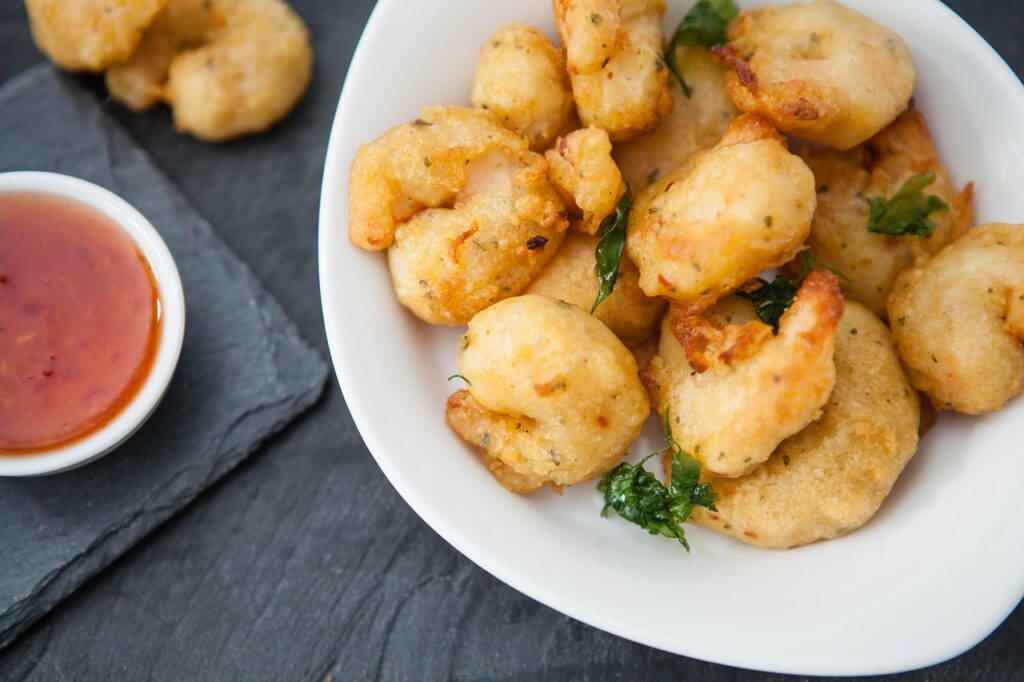
Honey Walnut Shrimp stands out for its crisp coating and glossy sweet sauce. Achieving that balance requires precise frying technique. The batter must stay light, the oil must hold a steady temperature, and the shrimp must be drained properly. Without that control, the coating absorbs oil and loses crunch within minutes.
The candied walnuts also demand attention. Sugar syrup must hit the correct stage before coating the nuts. Too little heat and the glaze stays sticky. Too much and it turns bitter. That delicate, sweet shell is one reason the restaurant version tastes polished.
At home, you may use more oil, more sugar, and more shrimp than expected. The result can feel overly sweet or greasy. For a dish that seems fun and indulgent, the margin for error is wide, and the cleanup is substantial.
4. The Kung Pao Chicken That Misses Its Bold Restaurant Punch
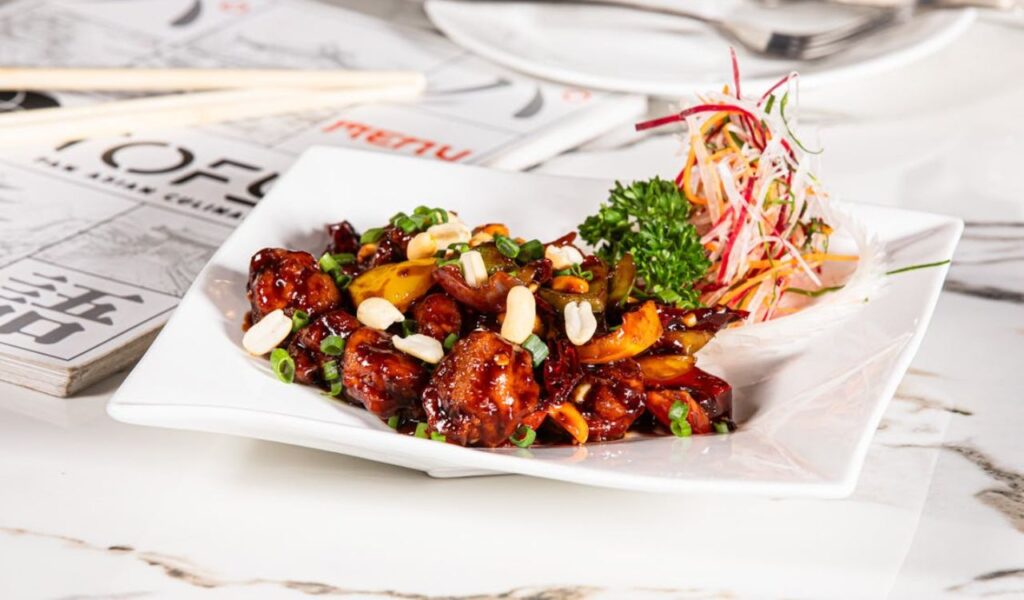
Kung Pao Chicken depends on contrast. It balances heat from dried chiles, savoriness from soy sauce, tang from vinegar, and crunch from peanuts. Many copycat recipes simplify this balance, which leads to a sauce that tastes one-dimensional rather than layered.
High-heat stir-frying is essential. Restaurants cook in woks over flames that quickly sear chicken and vegetables while keeping them crisp. Home kitchens often crowd pans or cook at a lower heat. The result is steamed chicken and soft vegetables, not the smoky depth people expect.
Specialty ingredients such as black vinegar or Sichuan peppercorns are sometimes skipped to save money. Without them, the dish loses its signature numbing spice and brightness. What remains is a basic sweet and salty stir-fry that does not justify the hype.
5. The Texas Roadhouse Chili That Tastes Flat Without Commercial Seasoning Blends
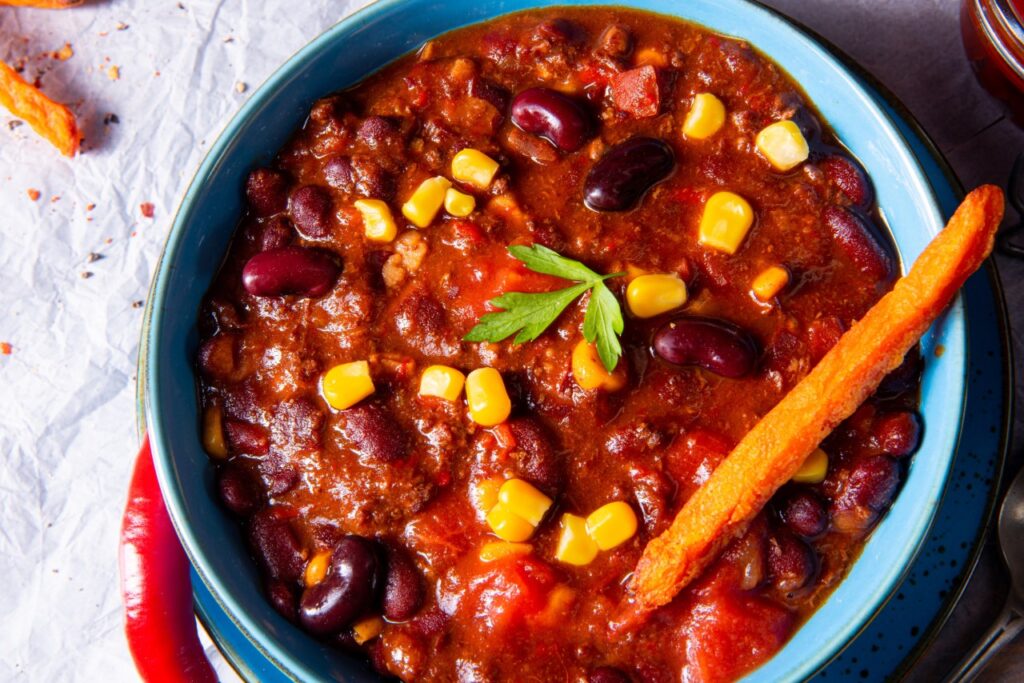
Chili seems like the easiest comfort food to copy. Brown meat, add spices, and simmer. Yet restaurant chili often uses layered seasoning blends developed for consistency. Home cooks may rely on generic chili powder, which varies widely in flavor and strength.
Meat quality also matters. Lean ground beef can dry out during long simmering. Higher fat blends provide richness but also release grease that needs careful management. Restaurants adjust ratios precisely to maintain texture.
The longer the chili cooks, the better it tastes. That means time and energy. For a bowl that diners remember as deeply seasoned and hearty, the homemade version can feel thinner or overly acidic. The gap between memory and result can be surprisingly noticeable.
6. The Cracker Barrel Chicken and Dumplings That Demand Patience
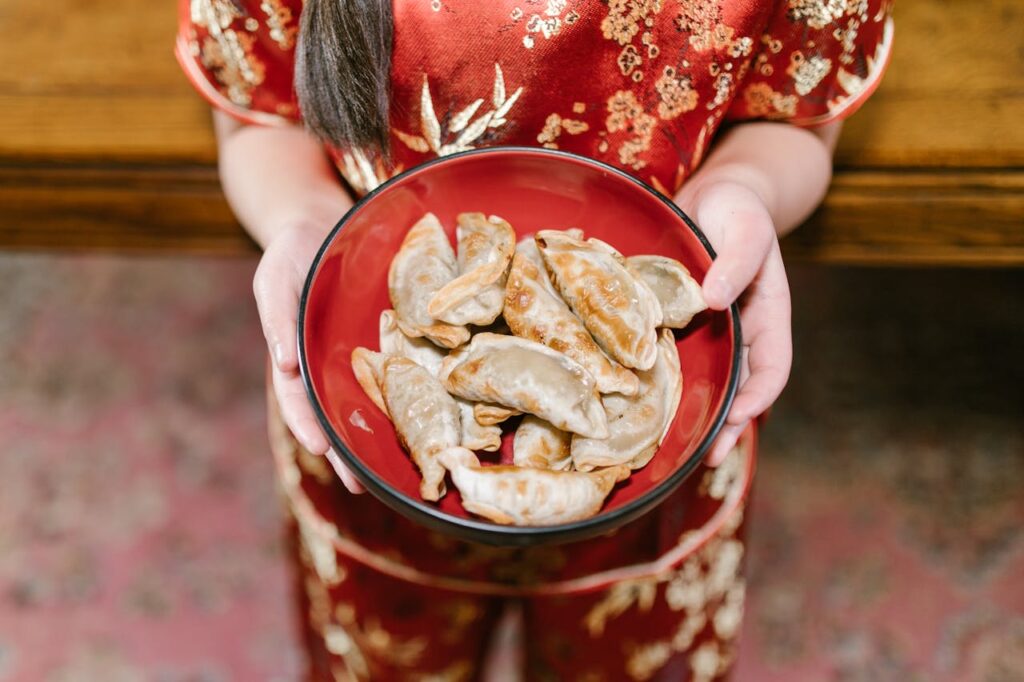
Chicken and dumplings are built on simplicity. Broth, shredded chicken, flour dumplings. Yet texture makes or breaks the dish. Dumplings must be tender but not gummy. That requires accurate flour measurement and gentle handling.
If the dough is mixed too long, gluten develops, and the dumplings toughen. If dropped into broth that is not simmering steadily, they break apart. Restaurants maintain controlled cooking conditions that keep the dumplings uniform.
The broth also needs depth. Long simmering with bones, vegetables, and seasoning builds flavor. Shortcut versions using boxed stock often taste thin. For a dish rooted in comfort, it can disappoint when it lacks that slow-cooked body.
7. The Rigatoni Alla Vodka That Feels Heavy Instead of Luxurious
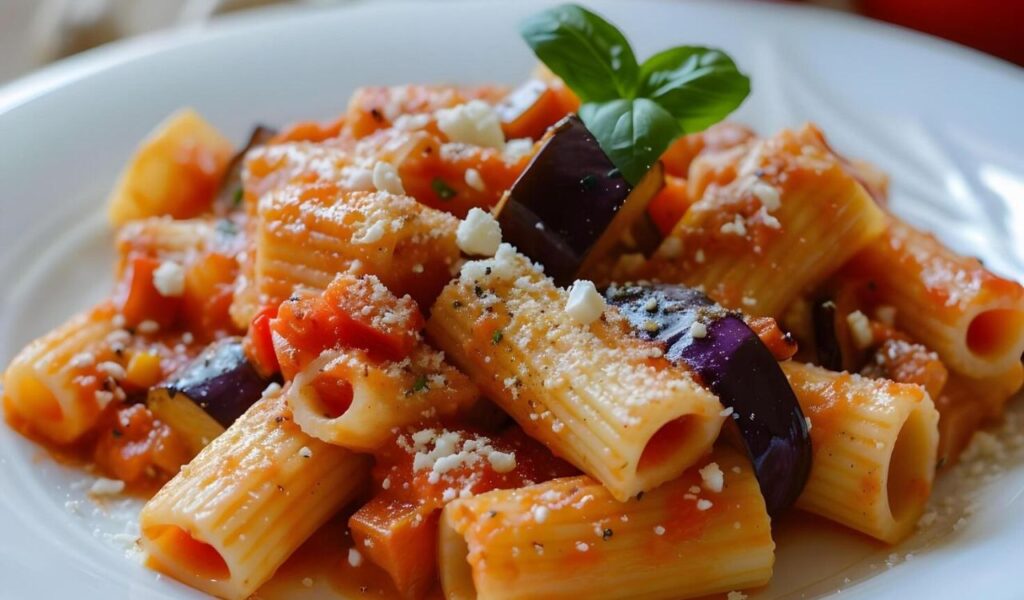
Vodka sauce sounds elegant, but it is easy to get wrong. The alcohol must cook off properly to mellow the tomatoes and enhance the aroma. If rushed, the sauce retains harsh notes. If overcooked, it loses freshness.
Cream integration is another challenge. Too much cream dulls acidity and makes the sauce heavy. Too little and it tastes sharp. Restaurants balance this carefully, often finishing with pasta water to emulsify the sauce smoothly.
High-quality canned tomatoes and Parmesan are essential. Cheaper alternatives change the flavor dramatically. What diners remember as silky and balanced can become dense and overly rich when proportions slip.
8. The Famous Burger Sauce That Never Tastes Quite the Same
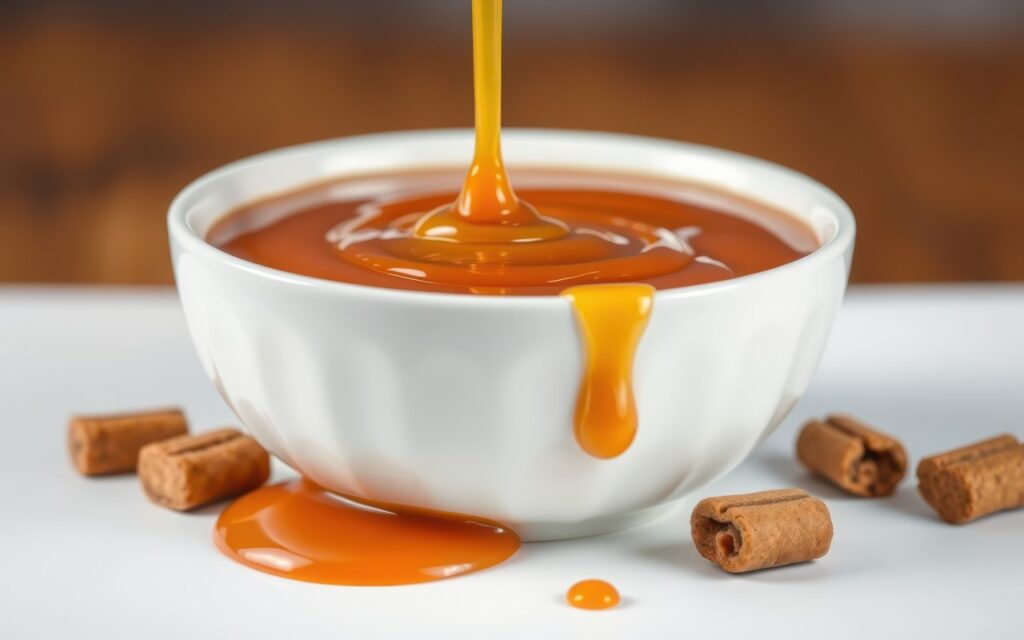
Special burger sauces seem simple. Mayo, ketchup, pickles, maybe mustard. Yet restaurant versions rely on specific ratios and sometimes proprietary ingredients. Small differences in acidity or sweetness alter the entire profile.
At home, recreations often end up too sweet or too tangy. The sauce may overpower rather than complement the burger. Texture can also vary if the relish releases excess moisture.
Buying separate condiments just for one sauce can feel excessive. When the flavor ends up close but not exact, many realize that the original’s appeal came from balance rather than mystery.
9. The Zuppa Toscana That Lacks Restaurant Richness
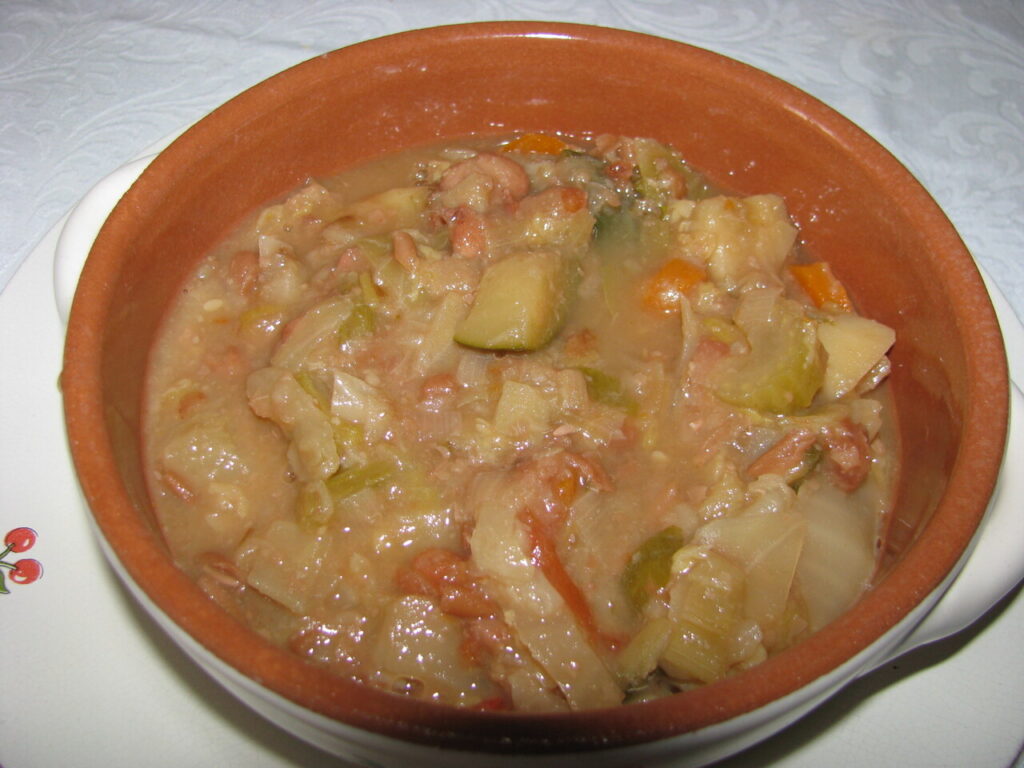
This creamy soup depends on sausage fat, potatoes, kale, and a seasoned broth. Achieving the right consistency requires careful layering of flavor. Browning sausage properly is key. If rushed, the broth lacks depth.
Cream must be added at the correct stage. Too early and it can separate. Too late, and it may not blend fully. Restaurants often adjust seasoning at multiple points during cooking.
Good sausage and fresh kale add cost. Without them, the soup tastes muted. While it appears straightforward, small missteps turn what should be comforting and balanced into something bland or overly heavy.
10. The Pasta e Fagioli That Feels Simpler Than It Sounds
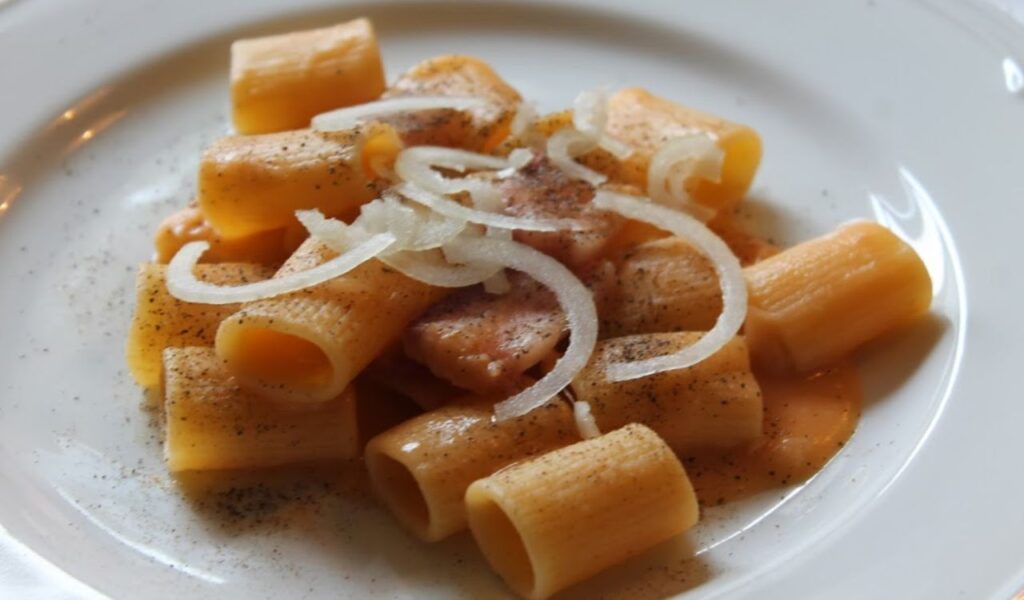
Pasta e Fagioli relies on humble ingredients, but depth comes from slow simmering and careful seasoning. Restaurants often build flavor with pancetta, herbs, and long cooking times. Quick versions skip these steps.
Beans must be cooked properly to avoid a chalky texture. Pasta must be timed so it stays tender but not mushy. Overcooking leads to a thick, stodgy pot that lacks contrast.
The appeal lies in the balance between tomato, broth, beans, and pasta. When one element dominates, the dish loses character. What should feel rustic and layered may come off as just another tomato soup with extras.
11. The Ten Vegetable Soup That Overpromises on Freshness
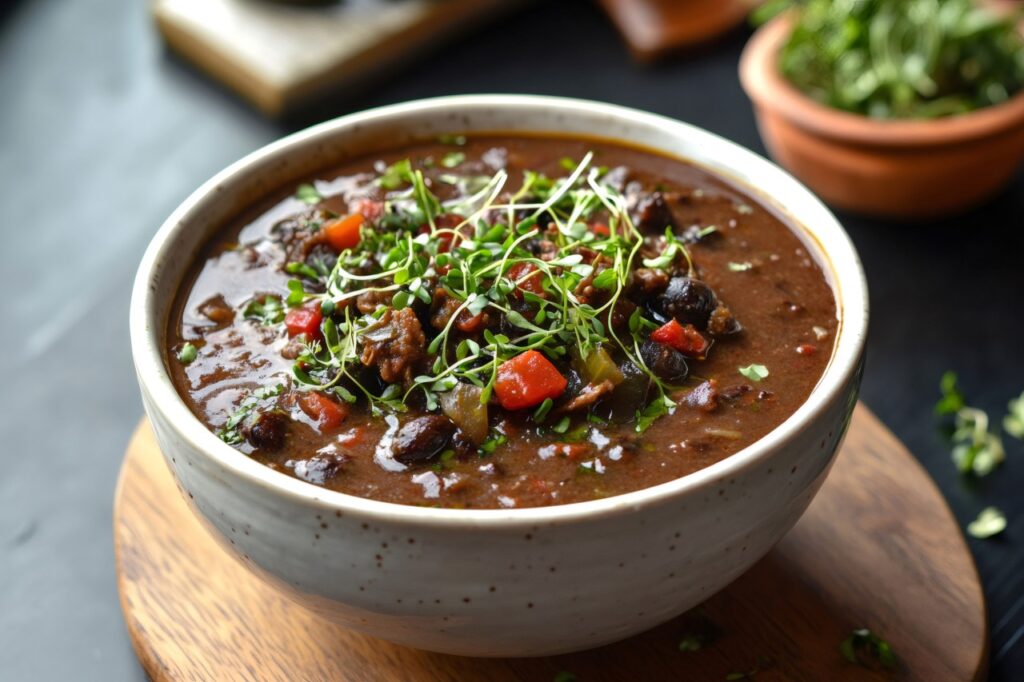
A vegetable-packed soup sounds wholesome and light. The challenge is preventing it from tasting watery. Each vegetable releases moisture and requires a specific cooking time.
Adding all vegetables at once results in uneven texture. Hard vegetables may stay undercooked while softer ones turn mushy. Restaurants stagger additions and adjust seasoning gradually.
Sourcing many fresh vegetables increases cost. Without careful seasoning, the soup lacks brightness. The idea feels healthy and satisfying, but execution determines whether it shines or disappoints.
12. The Texas Roadhouse Beef Tips That Demand Better Cuts Than Expected
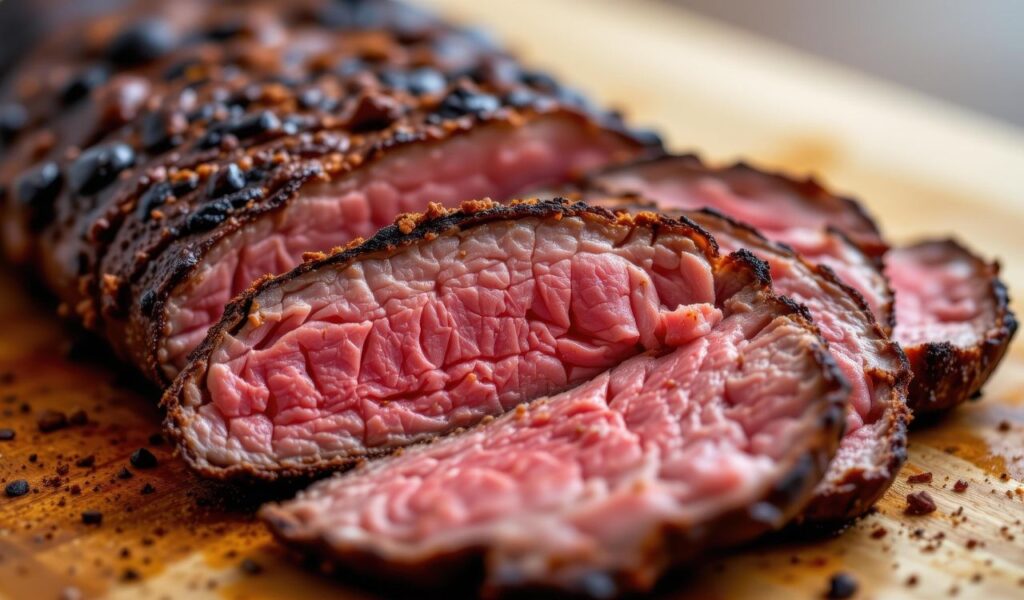
Beef tips and gravy appear comforting and simple. The key lies in meat quality and slow braising. Cheaper cuts can become tough if not cooked long enough or with enough moisture.
Restaurants often use controlled low-heat cooking that tenderizes meat evenly. At home, inconsistent oven temperatures or rushed stovetop cooking can leave meat chewy.
Rich gravy requires proper reduction and seasoning. Too thin, and it tastes bland. Too thic,k and it feels heavy. For a dish associated with tender bites and smooth sauce, anything less stands out immediately.