Why Creative Fusion Dishes Divide Customer Opinions

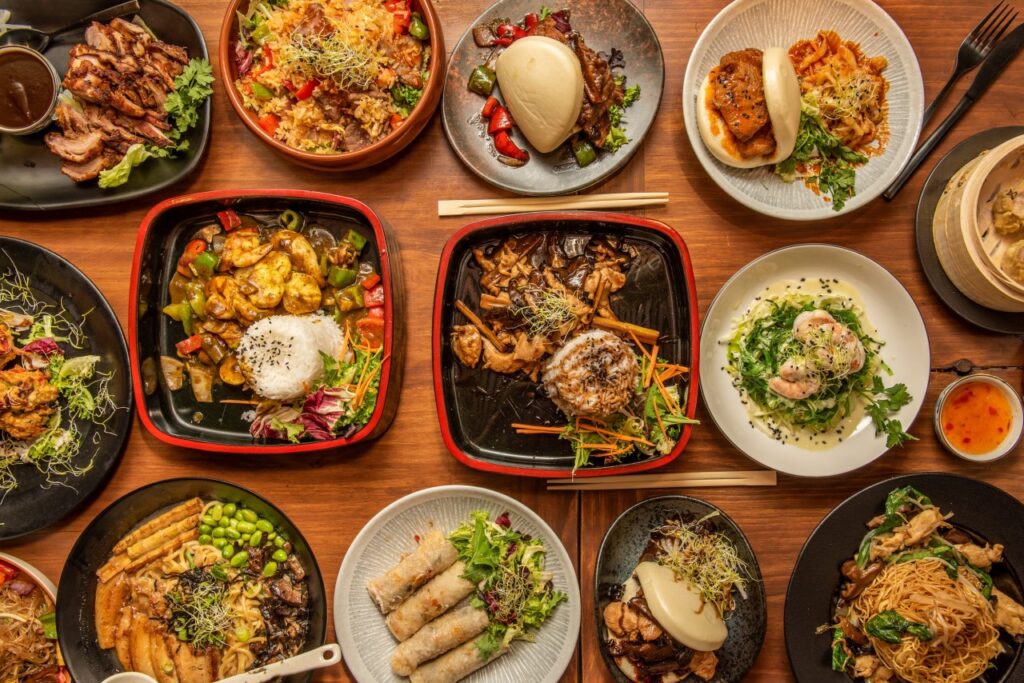
Step into a modern restaurant and you may find dishes that blend flavors from completely different parts of the world onto a single plate, creating combinations that feel both unexpected and intriguing. These creative pairings are designed to surprise and engage, offering something that goes beyond familiar menu choices. For some diners, this sense of innovation feels refreshing and adventurous, turning an ordinary meal into an experience that stands out and feels memorable. For others, it introduces an element of uncertainty, where unfamiliar combinations can challenge comfort and make the dining experience feel less predictable.
Fusion cuisine exists at the meeting point of creativity and expectation, where bold culinary ideas interact with deeply rooted food traditions and cultural identity. As chefs continue to experiment with ingredients, techniques, and presentation styles, diners are left to decide how far they are willing to step outside their usual preferences. This balance between curiosity and hesitation shapes how fusion dishes are received, making them a topic of ongoing discussion. The contrast in reactions reflects how personal taste, cultural familiarity, and openness to change all influence what people enjoy on their plates.
Why Fusion Dishes Spark Mixed Reactions
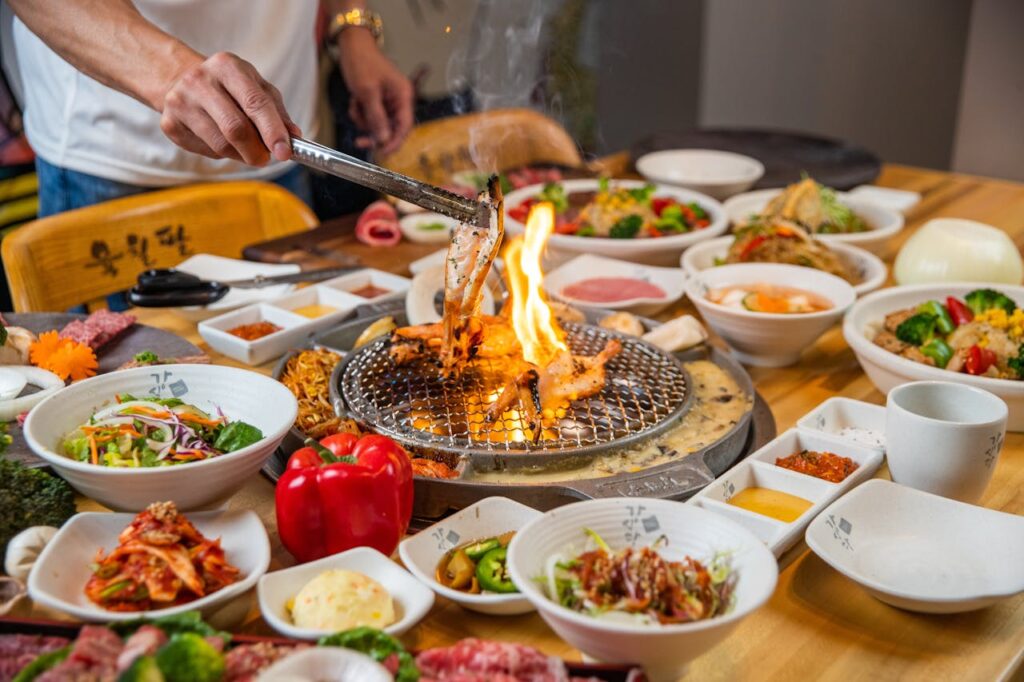
Creative fusion dishes rarely leave diners feeling neutral, and that is exactly what makes them so widely discussed across modern dining spaces. By combining elements from different cuisines, they challenge familiar expectations around taste, texture, and presentation in noticeable ways. For some diners, this creates excitement and curiosity, offering something new that feels innovative, engaging, and worth exploring. For others, it disrupts what they already know and enjoy, leading to hesitation or even disappointment when the result feels unfamiliar or difficult to connect with on the first try, especially when expectations are based on traditional flavors.
These mixed reactions often come down to how closely a dish aligns with personal expectations and prior food experiences. When flavors blend smoothly and feel intentional, fusion can enhance the dining experience and leave a lasting impression. However, when combinations seem forced, overly complex, or unclear in direction, it can feel like a mismatch rather than a thoughtful creation. This contrast explains why the same dish can be praised by some and criticized by others at the same time, highlighting how perception plays a key role in acceptance, along with individual openness to new culinary ideas.
The Fine Line Between Creativity and Confusion
Food innovation thrives on experimentation, but when it comes to fusion cuisine, that creativity must be handled with precision and purpose. Chefs often draw from multiple culinary traditions to create something distinctive, blending ingredients, techniques, and presentation styles in new ways. However, there is a tipping point where innovation can become difficult for diners to follow or appreciate. If a dish moves too far away from recognizable flavor structures, it may lose clarity, making it harder for people to connect with what they are eating or understand the intention behind it, especially when familiar taste cues are no longer present.
Successful fusion relies heavily on maintaining a strong sense of cohesion throughout the dish. Ingredients should work together in a way that feels natural, allowing each element to enhance rather than overpower the others. When this balance is achieved, the result feels thoughtful, refined, and satisfying. When it is not, the dish can come across as overly complex or disconnected, leaving diners unsure of how to interpret the flavors. This fine line between creativity and confusion is what ultimately determines whether a fusion dish feels innovative or overwhelming, and whether it leaves a lasting positive impression.
How Personal Taste Shapes Acceptance

Individual taste preferences play a central role in how fusion dishes are received, often shaping first impressions before the meal is even fully experienced. Diners who enjoy exploring new flavors and combinations are generally more open to experimentation, viewing unexpected pairings as exciting rather than unusual. On the other hand, those who prefer familiar tastes may approach fusion dishes with caution, especially when traditional elements are altered. This difference in mindset directly influences whether a dish is seen as creative and appealing or unnecessary and difficult to enjoy, depending on how comfortable someone feels with change.
Cultural familiarity further deepens how these dishes are perceived across different audiences. When a fusion dish blends cuisines that a diner already understands, it often feels more approachable and easier to accept. However, when it introduces unfamiliar ingredients, techniques, or flavor profiles, it can create hesitation or confusion. This variation in comfort levels explains why fusion cuisine rarely receives a uniform response, as personal background, exposure to different foods, and openness to change all play a role in shaping individual opinions, especially across diverse dining cultures.
The Challenge of Blending Cultures on a Plate
Fusion cooking goes far beyond simply combining ingredients from different cuisines, as it requires a deeper understanding of the cultural meaning and history behind each element used. When approached thoughtfully, it can reveal surprising connections between culinary traditions and create dishes that feel both innovative and respectful. This process allows chefs to build something new while still honoring the origins of each component, giving the final dish a sense of purpose and identity that resonates with diners who appreciate both creativity and cultural depth, especially when the storytelling behind the food is clearly reflected.
However, when cultural context is overlooked or treated lightly, fusion can quickly feel disconnected or even superficial to those experiencing it. Diners may question the intention behind certain combinations, especially if they seem to ignore traditional techniques, flavors, or preparation methods that define a cuisine. This can lead to skepticism rather than curiosity, reducing the appeal of the dish. For fusion to succeed, chefs must balance creativity with awareness, ensuring that each element contributes meaningfully rather than appearing random or purely experimental, while still respecting the expectations of those familiar with the cuisine.
The Future of Bold and Experimental Dining
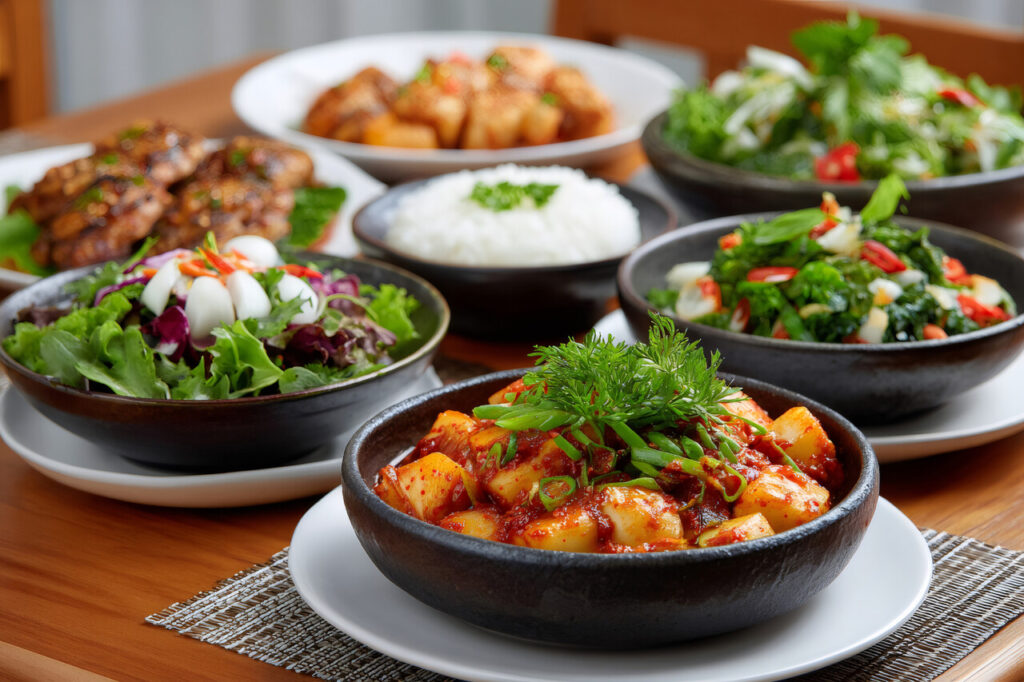
As dining trends continue to evolve, fusion cuisine is expected to remain a significant part of the modern culinary landscape. Increased global exposure, travel, and access to a wide range of ingredients are encouraging chefs to experiment more confidently across cuisines. This growing openness allows for the creation of dishes that blend techniques and flavors in ways that were once less common. At the same time, diners are gradually becoming more receptive to these combinations, especially when they are presented with clarity and a clear sense of purpose that makes the experience feel intentional and approachable, and easier to understand at first glance.
The future of fusion dining will likely depend on achieving the right balance between creativity and familiarity. Dishes that successfully combine bold ideas with clear flavor direction and respect for ingredients are more likely to gain wider acceptance. As both chefs and diners continue to refine their expectations, fusion cuisine may move beyond being seen as experimental or divisive. Instead, it could become a more widely appreciated form of culinary expression, where innovation feels natural and thoughtfully integrated into everyday dining experiences rather than unexpected or uncertain, and more aligned with evolving global tastes.