8 American Foods Tourists Often Regret Trying


Traveling to the United States often means discovering foods that feel completely new. From roadside diners to busy state fairs, American menus are full of dishes that locals grow up loving, and visitors are eager to try.
Yet curiosity does not always match expectations. Some foods carry unusual textures, surprising flavors, or ingredients that catch travelers off guard once they take the first bite.
That does not make these dishes bad. Many are deeply tied to regional traditions and cultural history. Still, for first-time visitors, a few iconic American foods can become memorable experiences for reasons they did not quite expect.
1. Spray Cheese (Canned Cheese)

Few foods surprise international visitors as quickly as spray cheese. The product comes in an aerosol can and dispenses a soft cheese spread onto crackers or snacks. For many Americans, it is a nostalgic convenience food, but tourists often approach it with curiosity.
The product is made from processed cheese mixed with emulsifiers, oils, and stabilizers that help it stay shelf-stable and easy to dispense. Its texture is smoother and lighter than traditional cheese, which can feel unusual to those expecting natural dairy.
For travelers used to aged cheeses and firmer textures, the consistency can feel disappointing. While it remains popular for casual snacking, many visitors try it once for novelty and then return to traditional cheeses.
2. Twinkies

Twinkies are one of the most recognizable snack cakes in the United States. The golden sponge cake filled with sweet cream has become a symbol of American packaged desserts.
The cake itself is made from enriched flour, sugar, and vegetable oils, while the filling is a sweet vanilla-flavored cream. Although the snack is famous for its long shelf life and nostalgic reputation, the flavor can be far sweeter than many visitors expect.
Tourists who anticipate a delicate pastry often find the taste overly sugary and the texture slightly artificial. While Twinkies hold cultural significance in American snack history, many travelers conclude that the experience is more interesting as a novelty than as a dessert they would eat regularly.
3. Deep Fried Butter
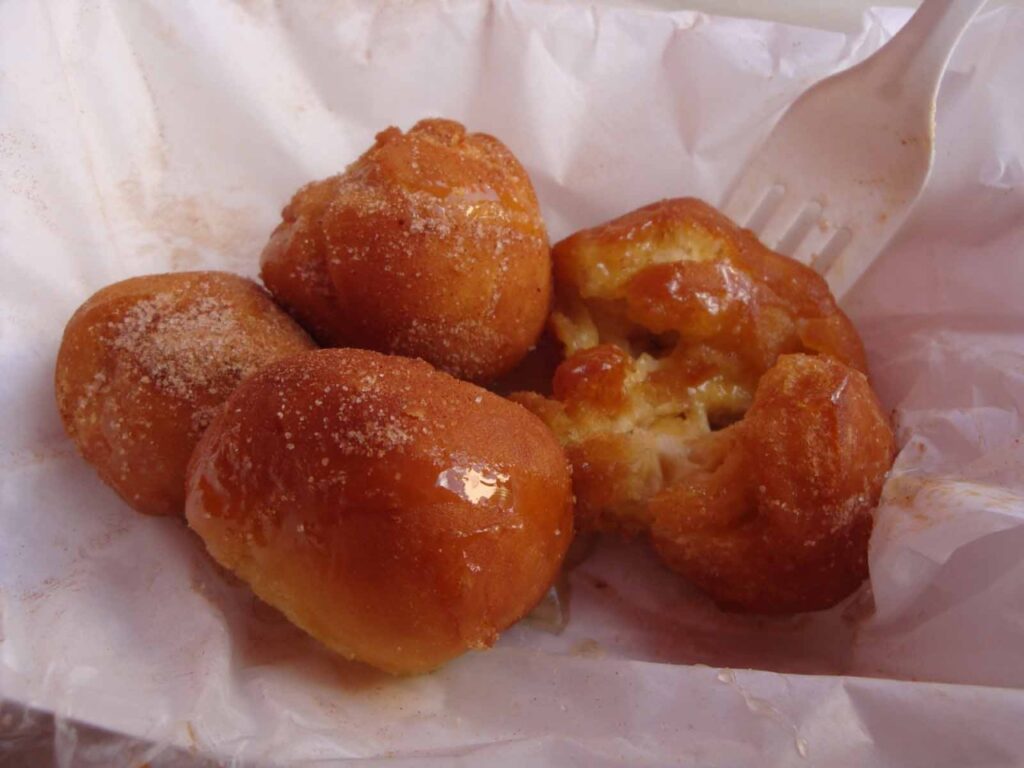
Few foods capture the excess of American fair cuisine quite like deep-fried butter. The dish typically appears at state fairs where adventurous snacks attract curious crowds.
Preparation involves freezing small portions of butter, coating them in batter, and quickly deep-frying them. The process creates a crisp outer shell while the inside melts into a rich liquid center.
For tourists, the concept alone can be surprising. While the taste resembles buttery pastry, the richness can be overwhelming after only a few bites. Many visitors try it out of curiosity, but the intense combination of fat and fried batter often proves heavier than expected.
4. Grits
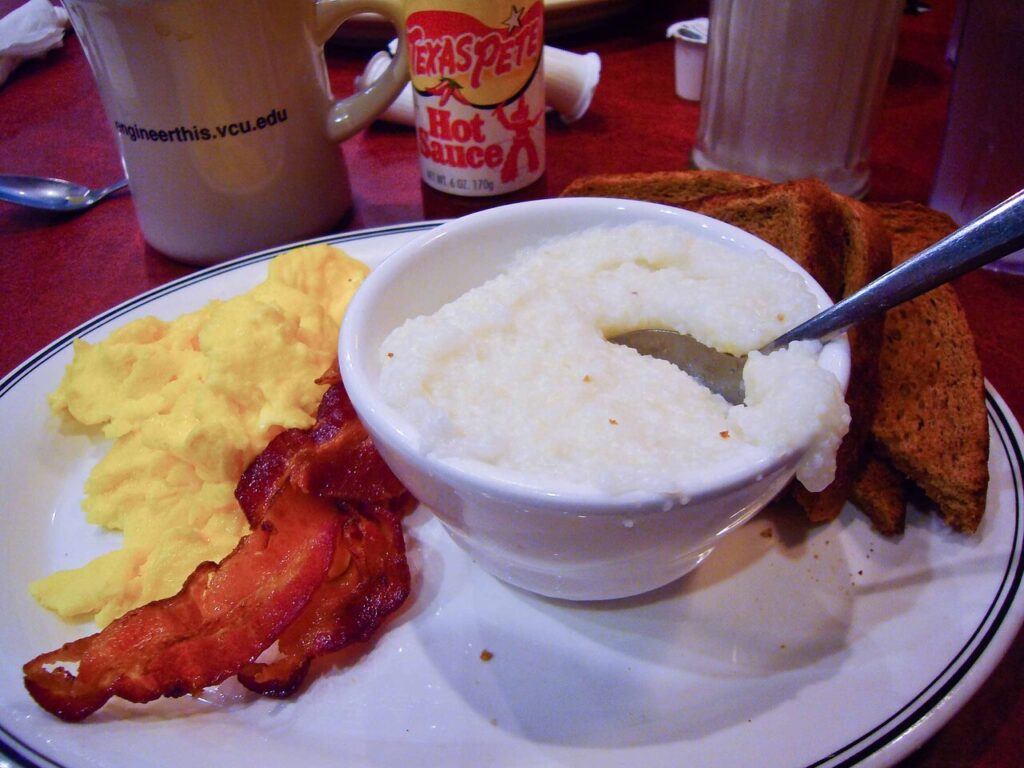
Grits are a staple in Southern American cooking and are made from ground corn simmered into a creamy porridge. They often appear at breakfast alongside eggs, bacon, or shrimp.
The dish has deep roots in regional food traditions and can be prepared with butter, cheese, or savory sauces. When made well, grits offer a smooth texture and mild corn flavor that complements many dishes.
However, tourists unfamiliar with the dish sometimes find the taste too plain. Because grits rely on seasoning and accompaniments for flavor, they can seem bland when compared with more strongly seasoned foods visitors might expect.
5. Root Beer

Root beer often surprises international visitors because its flavor differs greatly from that of typical soft drinks. The beverage developed from herbal root drinks once used in traditional medicine.
Modern versions usually contain sweeteners, carbonation, and flavorings such as sassafras or wintergreen. The result is a sweet soda with a distinctive aroma that many Americans associate with childhood treats and ice cream floats.
For tourists, the flavor can feel unusual. Some compare the taste to herbal syrup or even medicinal products common in other countries. Because of that association, many visitors find root beer difficult to enjoy despite its popularity in the United States.
6. Corn Dogs
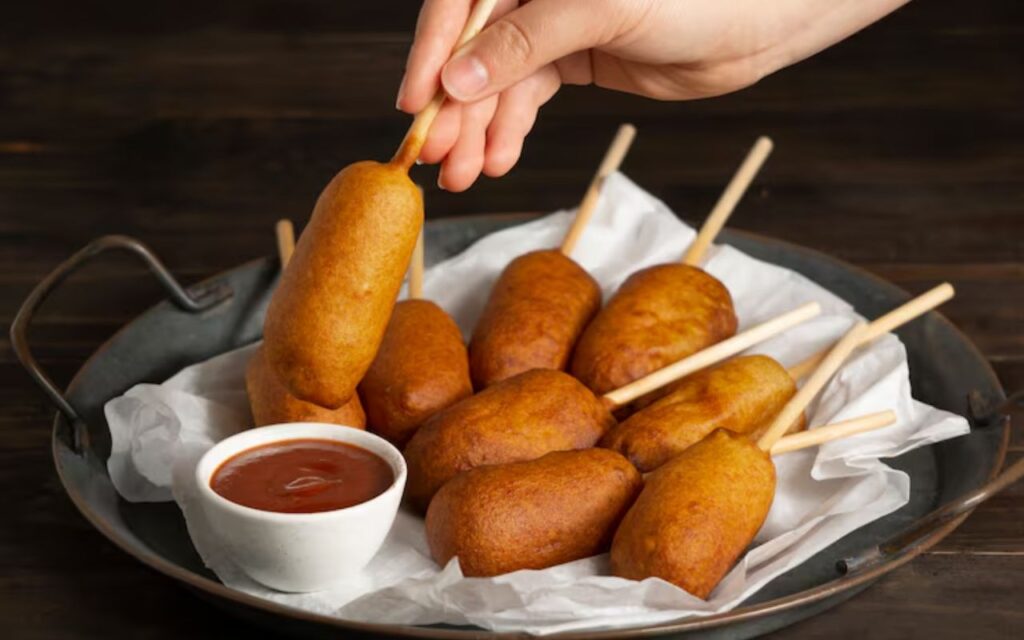
Corn dogs are a classic fairground snack consisting of a hot dog coated in cornmeal batter and deep-fried on a stick. They are commonly sold at festivals, amusement parks, and sporting events.
The batter forms a slightly sweet crust that contrasts with the savory sausage inside. For many Americans, the combination represents casual outdoor eating and nostalgic summer events.
Tourists often find the flavor combination unexpected. The sweetness of the corn batter paired with processed sausage can feel unusual to those accustomed to traditional sausages served with bread or buns. As a result, many visitors try corn dogs once but rarely seek them out again.
7. Biscuits and Gravy
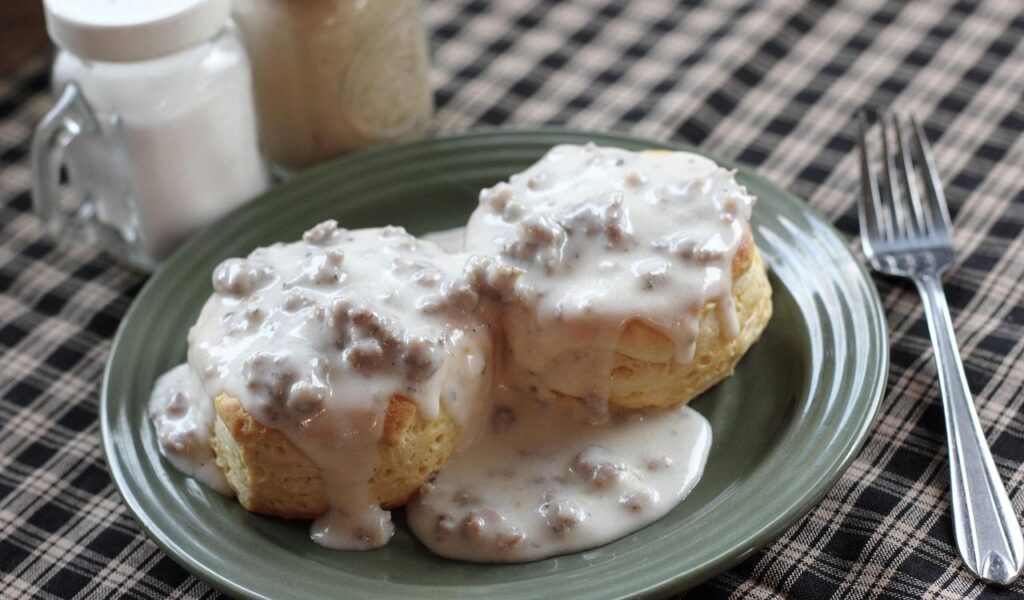
Biscuits and gravy are a hearty breakfast dish popular across the southern United States. The meal features soft, flaky biscuits topped with a creamy white gravy made from milk, flour, and sausage.
The gravy is rich and savory, often seasoned with black pepper and sausage drippings. For many Americans, it is a comforting breakfast that reflects rural cooking traditions.
Visitors sometimes struggle with the appearance and heaviness of the dish. The thick gravy can seem unfamiliar, especially to travelers expecting lighter breakfast foods. While locals appreciate its comforting flavor, tourists often find the richness overwhelming early in the day.
8. Rocky Mountain Oysters
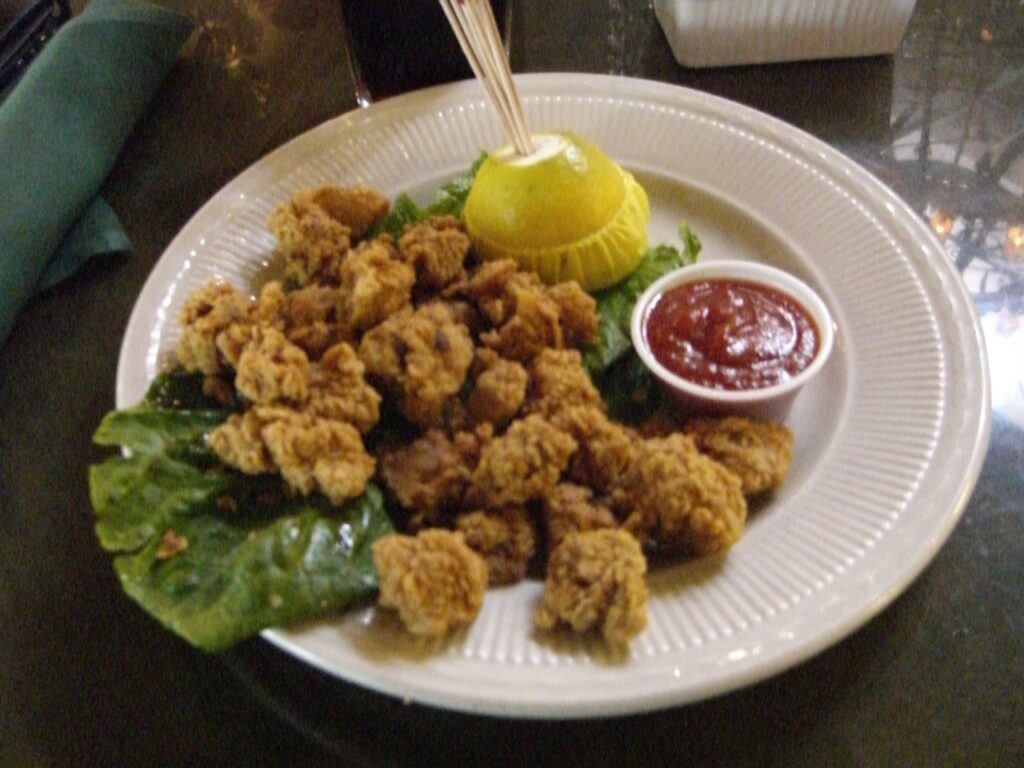
Despite the name, Rocky Mountain oysters are not seafood at all. The dish consists of breaded and fried bull testicles, traditionally served in parts of the western United States.
The preparation usually involves slicing, coating the pieces in seasoned batter, and deep frying them until crisp. The flavor is often compared to mild organ meat, similar to fried liver or other offal dishes.
For tourists, the surprise often comes after learning the true ingredient. While some approach the dish with curiosity, many visitors feel uneasy about the concept. Even though it has roots in ranching culture, it remains one of the most polarizing foods travelers encounter in America.