12 Vintage Salad Recipes That Are an Insult to Fresh Veggies

Mid-century potluck tables often featured colorful molded salads and creamy fruit mixes proudly served as side dishes. Yet many of these vintage recipes relied heavily on gelatin, canned fruit, whipped toppings, and sugary mixes that overshadowed the freshness salads are meant to showcase. What once symbolized convenience and creativity now feels disconnected from modern expectations of crisp, vibrant ingredients. Looking back reveals how past trends sometimes turned fresh produce into overly sweet or oddly textured creations.
1. Watergate Salad Buries Fruit Under Fluff
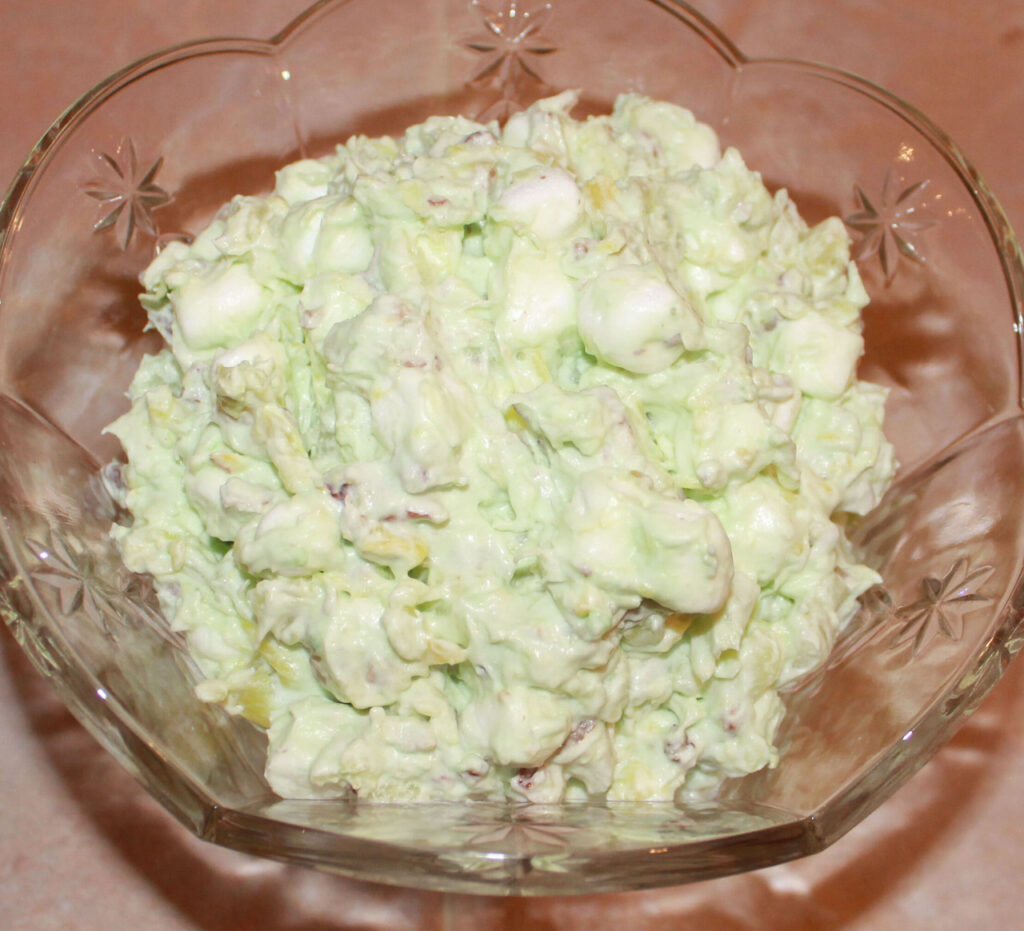
Watergate salad gained popularity in mid-century America as an easy dessert-like side dish that required almost no fresh ingredients. The mixture combines pistachio pudding mix, canned pineapple, marshmallows, and whipped topping, producing a sweet, creamy bowl often labeled a salad despite lacking real vegetables.
Because canned fruit and packaged ingredients dominate the recipe, any natural fruit flavor gets overshadowed by sugary components. Fresh produce plays almost no role, and texture leans heavily toward soft and processed rather than crisp or refreshing.
What once felt festive now feels overly sweet, showing how vintage convenience cooking often sidelined the freshness typically associated with salads today.
2. Seafoam Salad Turns Fruit Into Gelatin Dessert
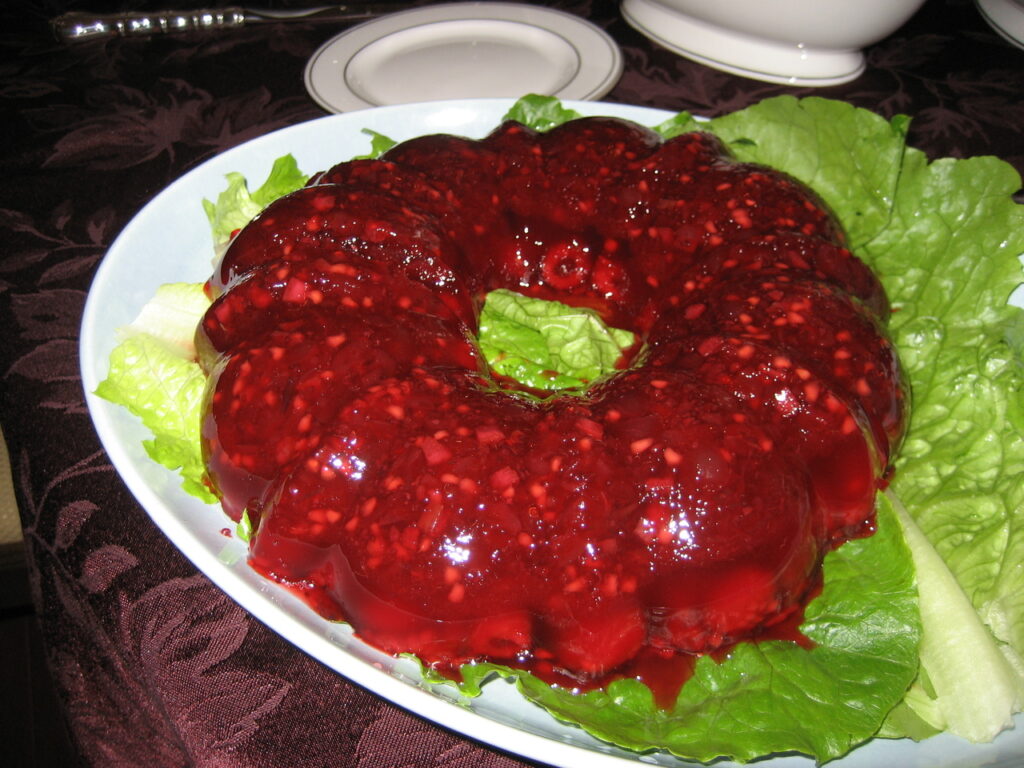
Seafoam salad became popular when gelatin dishes symbolized modern cooking convenience. Recipes combined gelatin, canned pears, cream cheese, and cherries, creating pastel-colored molds intended to impress guests during gatherings.
However, gelatin overwhelms the natural flavor and texture of fruit. Instead of enjoying crisp or juicy produce, diners encounter fruit suspended inside sweetened gel, altering both taste and mouthfeel away from anything resembling a fresh salad.
As food preferences evolved, many guests began preferring fruit served simply rather than molded into desserts. Seafoam salad remains a reminder of a period when visual novelty often mattered more than preserving the natural appeal of fresh ingredients.
3. Snickers Salad Turns Dessert Into Side Dish
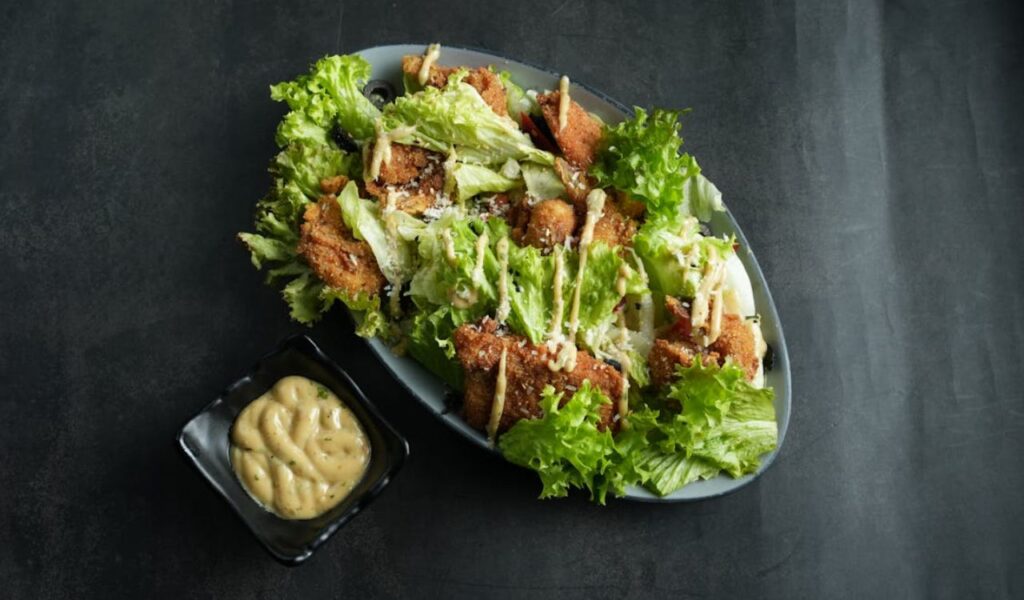
Snickers salad stretches the definition of salad by combining chopped candy bars with apples, whipped topping, and pudding mixtures. Apples become supporting players while sugar-heavy components dominate both flavor and texture.
While apples provide freshness, caramel and chocolate overwhelm their crisp sweetness. The dish resembles a dessert more than a vegetable or fruit salad, leaving little room for the natural flavors of produce to shine.
At modern gatherings, diners often treat Snickers salad as a novelty rather than a refreshing side. It highlights how convenience desserts once replaced vegetable-focused dishes at potlucks, overshadowing healthier interpretations of salad entirely.
4. Ambrosia Salad Masks Fruit With Sugar
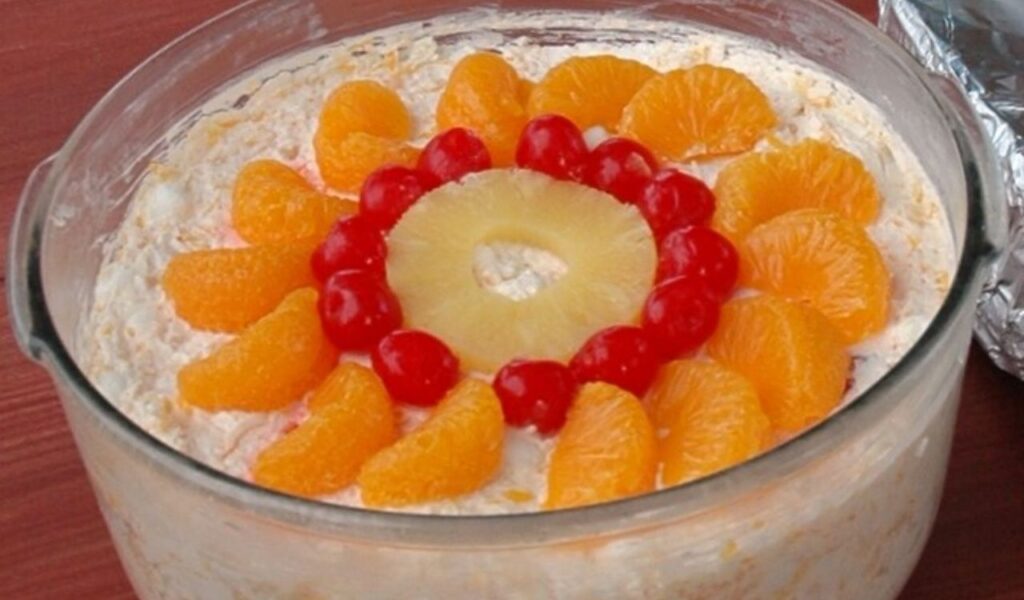
Ambrosia salad traces its roots to holiday traditions where canned fruit cocktail, coconut, marshmallows, and whipped topping formed a colorful side dish. The recipe prioritized convenience and sweetness rather than freshness or balance.
Heavy use of canned fruit syrups and sugary additions reduces the brightness normally associated with fresh fruit salads. Textures become uniformly soft, removing the refreshing crunch or juiciness that defines fresh produce.
Though nostalgic for some families, ambrosia salad often feels overly sweet to modern palates. Fresh fruit now stands better on its own, making this classic example feel more like a dessert disguised as a vegetable side.
5. Vegetable Aspic Locks Veggies in Gelatin
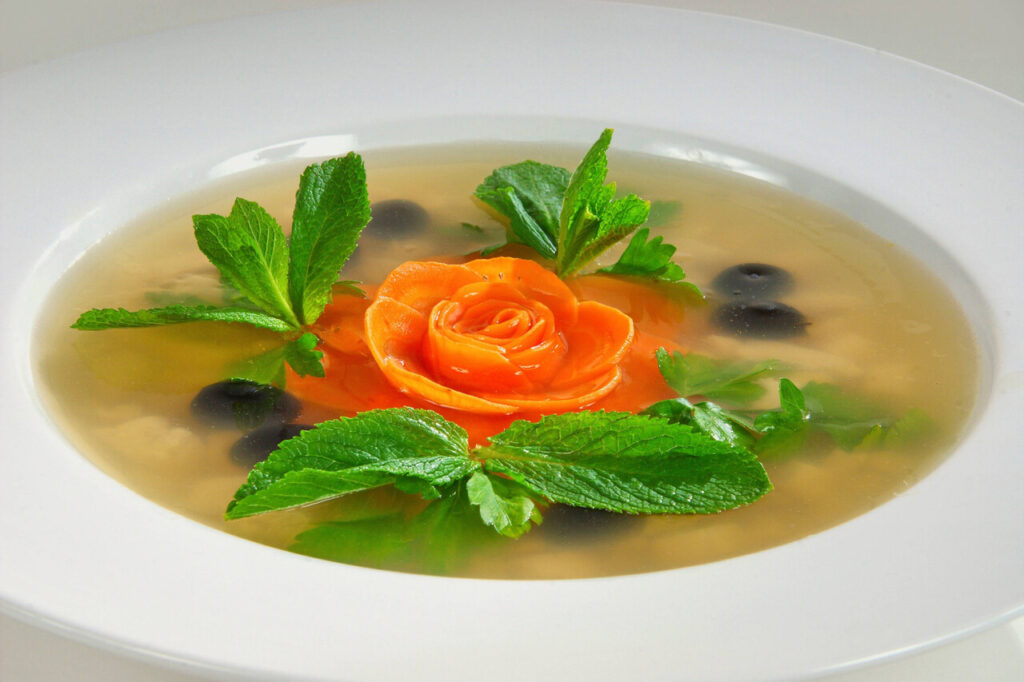
Vegetable aspic once appeared as an elegant centerpiece, suspending carrots, celery, or cabbage in clear gelatin molds. Hosts valued its decorative appearance, but flavor and texture rarely favored the vegetables themselves.
Gelatin alters how vegetables taste and feel, replacing crispness with a rubbery consistency. Instead of highlighting freshness, the mold traps vegetables in a sweetened structure that dulls natural flavors.
Today’s diners usually prefer vegetables served fresh or lightly cooked. Aspic now feels like an artifact of a time when presentation overshadowed taste, leaving many modern guests puzzled by the concept.
6. Cranberry Jell-O Salad Adds Sugar to Tart Fruit
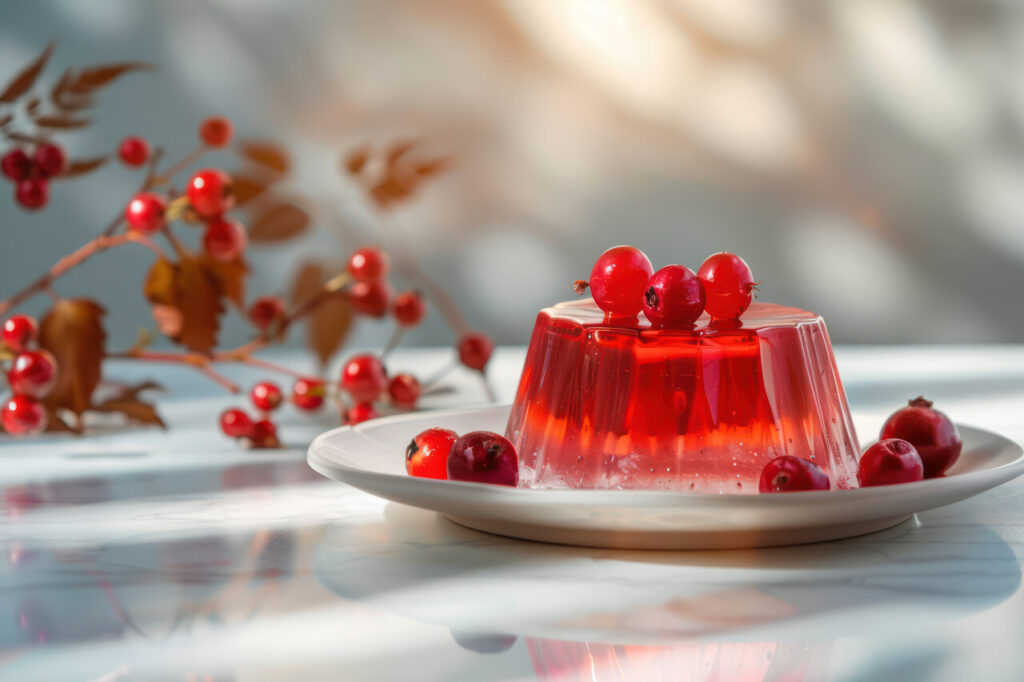
Cranberry Jell-O salad mixes gelatin with canned cranberry sauce and fruit, transforming naturally tart berries into sweet, molded dishes served during holiday meals. Convenience and color made it popular for festive tables.
However, added sugar and gelatin flatten cranberries’ bright flavor, turning the refreshing fruit into a candy-like sweetness. The texture also replaces the fresh fruit bite with a soft, uniform consistency.
Modern tastes often lean toward fresh cranberry relishes or lighter preparations. Gelatin versions feel dated because they hide rather than celebrate the sharp freshness that makes cranberries appealing in the first place.
7. Pink Fluff Salad Prioritizes Sugar Over Produce
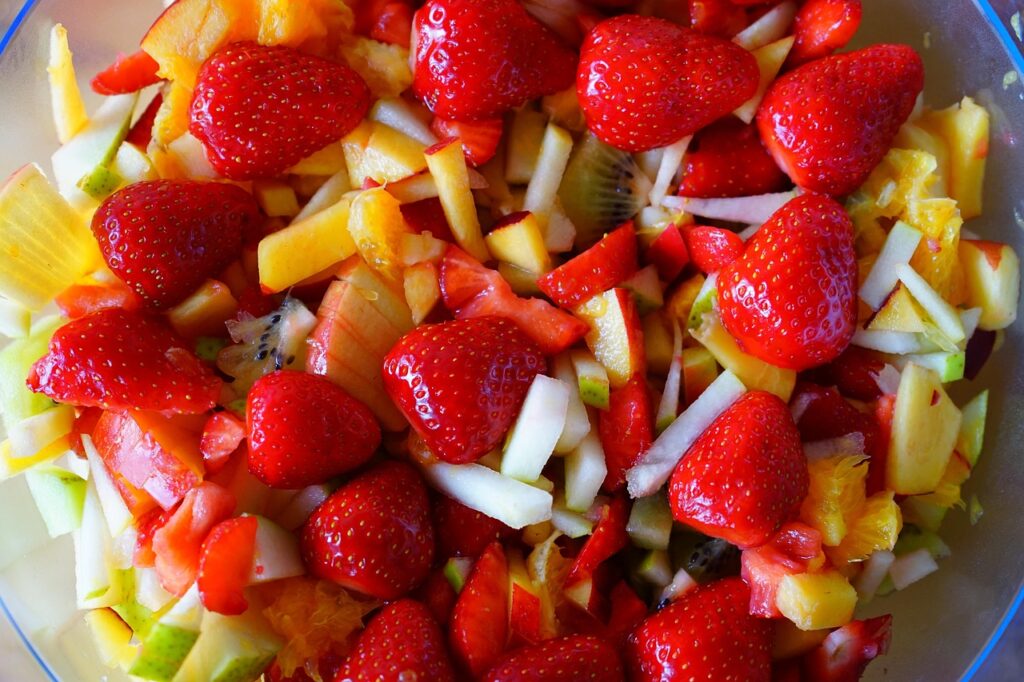
Pink fluff salad, built from strawberry gelatin, whipped topping, and canned fruit, became popular for its cheerful color and simple preparation. The dish frequently appeared at potlucks where easy desserts doubled as side dishes.
Fresh fruit plays only a minor role compared with sweetened gelatin and marshmallows. The dish tastes more like candy than produce, masking natural fruit flavors beneath sugary additions.
Today’s guests often gravitate toward lighter fruit salads instead. Pink fluff remains nostalgic but shows how mid-century recipes sometimes valued convenience and sweetness more than honoring fresh ingredients.
8. Perfection Salad Sacrifices Texture for Shape
Perfection salad attempted to combine vegetables with gelatin to create molded dishes meant to impress guests. Carrots, cabbage, and celery appeared suspended in clear forms meant to look sophisticated on serving platters.
Unfortunately, gelatin changes vegetable texture, removing crunch and replacing it with a slippery consistency. Instead of tasting fresh, vegetables feel muted and oddly sweetened.
Modern diners typically prefer vegetables served raw or lightly dressed. Perfection salad illustrates how older cooking trends sometimes prioritized visual presentation while unintentionally diminishing the qualities that make fresh vegetables enjoyable.
9. Molded Garden Salad Looks Better Than It Tastes
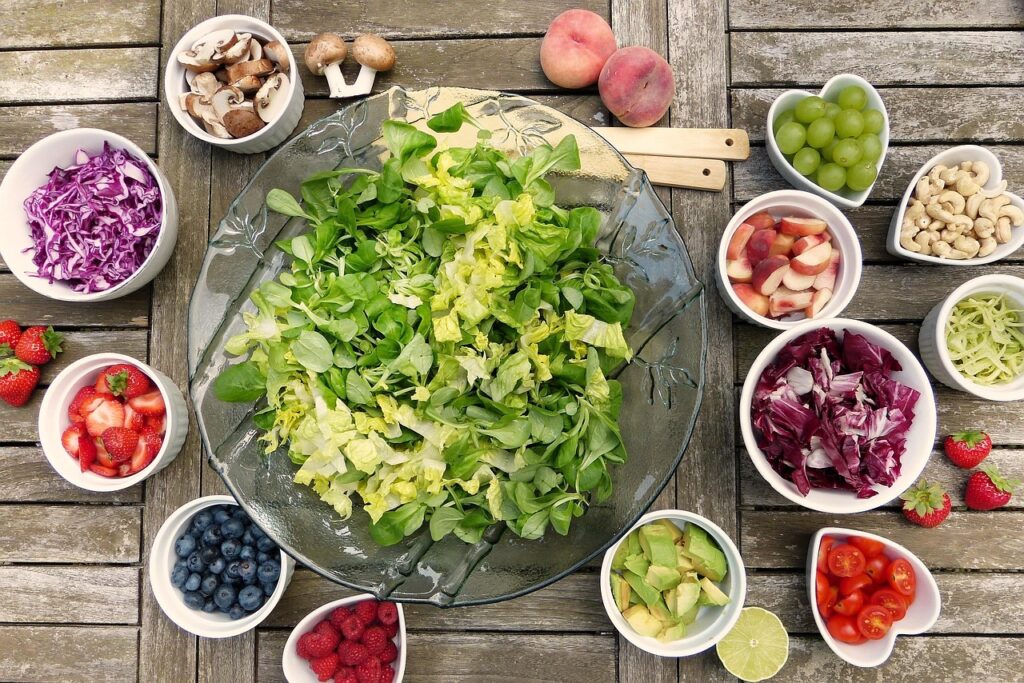
Molded garden salads featured vegetables arranged in decorative gelatin rings, often including radishes, eggs, or cabbage. Hosts served them as elaborate side dishes meant to showcase culinary effort.
Despite visual appeal, gelatin compromises vegetable texture and flavor. Crisp produce becomes trapped in soft molds, dulling freshness and making servings feel more novelty than nourishment.
Contemporary salads now focus on freshness and crunch, making molded versions feel outdated. Guests often approach these dishes cautiously, preferring salads that allow vegetables to retain their natural character.
10. Orange Sherbet Salad Feels Like Dessert
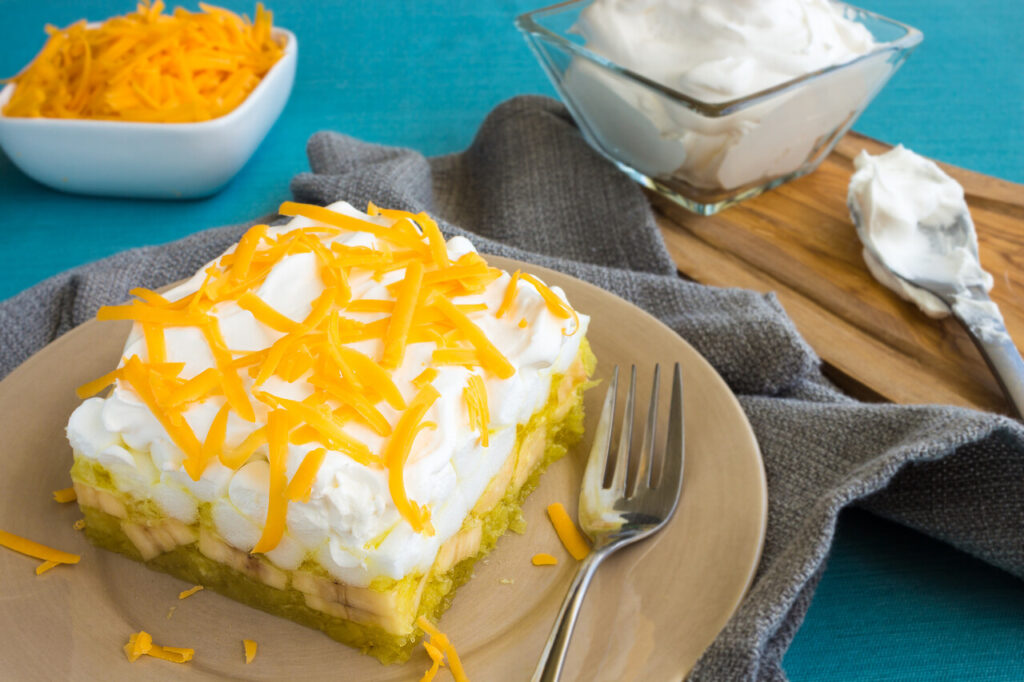
Orange sherbet salad combined frozen sherbet, gelatin, and whipped toppings into bright, creamy bowls served alongside savory dishes. Though called salad, it functioned more as a dessert than a vegetable accompaniment.
Sherbet’s sweetness dominates the dish, leaving no room for fresh produce flavors. Even fruit additions feel secondary to sugary components that blur the line between side dish and treat.
Modern potlucks increasingly separate desserts from salads, making sherbet salads seem misplaced. Fresh fruit or lighter salads now better satisfy expectations for refreshing meal complements.
11. Marshmallow Fruit Salad Overloads Sweetness
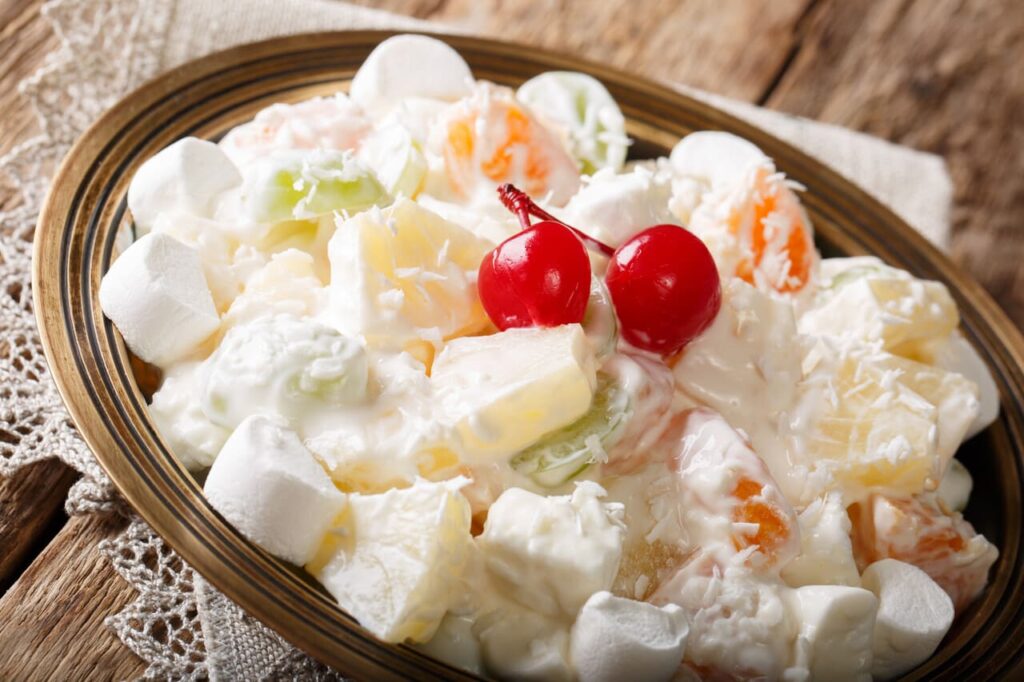
Marshmallow fruit salads mix canned fruit with whipped topping and marshmallows, creating dishes that emphasize sweetness and softness rather than freshness. These salads became popular because they required minimal preparation.
Canned fruits lose crispness and develop syrupy flavors, which marshmallows further sweeten. The result resembles a dessert more than a refreshing fruit dish that celebrates natural produce qualities.
Today, diners often prefer simple fruit bowls highlighting fresh textures and flavors. Marshmallow salads, while nostalgic, often feel overly sugary compared with modern preferences for lighter, fresher options.
12. Creamy Grape Salad Hides Freshness Under Sugar

Creamy grape salad combines fresh grapes with sweet cream cheese mixtures and sugary toppings, turning crisp fruit into a rich, dessert-like side dish served at gatherings.
Though grapes provide freshness, sugary coatings and toppings overwhelm their natural flavor. Texture shifts from refreshing crunch to heavy sweetness, masking what makes grapes enjoyable on their own.
While still popular in some circles, many guests now favor plain fruit or lightly dressed salads. Creamy grape salad highlights how vintage recipes often transformed fresh produce into indulgent sweets rather than celebrating their natural qualities.