8 Fake Artisanal Foods That Are Actually Made in a Factory Lab


Artisanal food labels promise small-batch craftsmanship, natural sourcing, and traditional preparation, yet many popular products marketed this way originate from large-scale industrial facilities. From flavored oils to sweeteners and dairy products, factory processes often replace traditional methods while packaging preserves an illusion of authenticity. As food fraud investigations grow, consumers increasingly discover that many premium items owe more to laboratory formulation and mass production than to handmade culinary heritage.
1. Truffle Oil Often Contains No Real Truffles
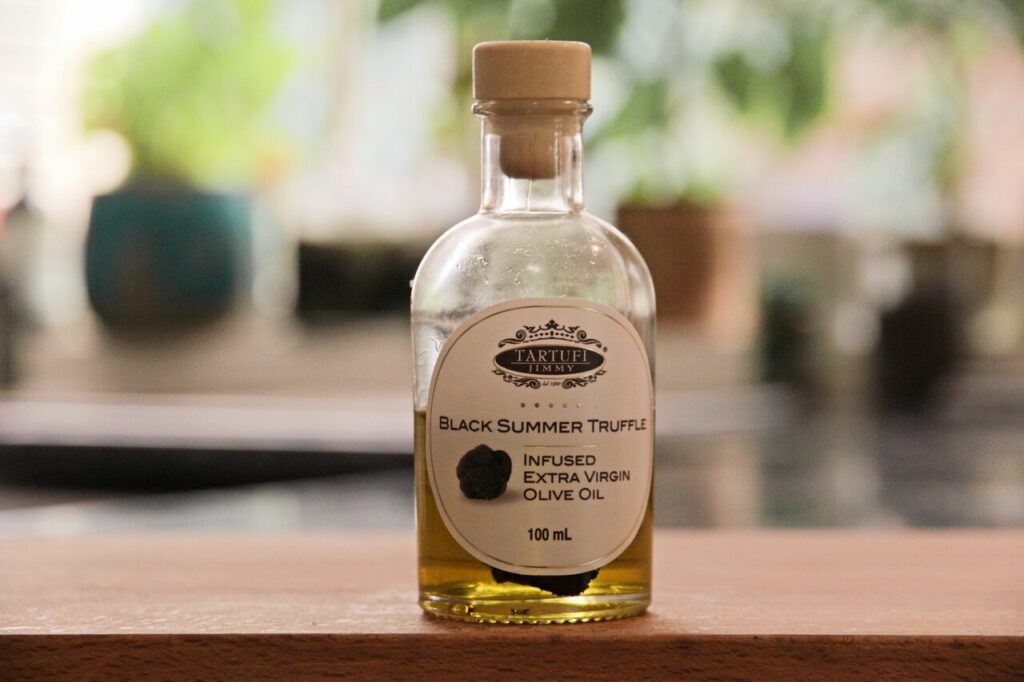
Truffle oil carries an image of luxury, yet many bottles rely on synthetic compounds designed to mimic truffle aroma rather than actual fungi. Manufacturers frequently use laboratory-produced flavor molecules blended with neutral oil to recreate the scent.
Real truffles are rare, seasonal, and expensive to cultivate, making genuine infusion difficult for mass-market production. Synthetic flavoring enables restaurants and packaged food producers to consistently offer truffle flavor.
As a result, consumers often purchase products marketed as gourmet even though they contain no authentic truffle ingredients. The gap between artisanal branding and industrial flavor engineering highlights the marketing over traditional craftsmanship.
2. Blueberry Pieces Often Replace Real Fruit

Many packaged baked goods and cereals advertise real blueberries but often contain manufactured fruit pieces instead. These substitutes combine sugars, starches, artificial coloring, and flavorings designed to resemble real berries in appearance and taste.
Processing real fruit can be costly due to spoilage risk and seasonal variation, encouraging manufacturers to rely on stabilized substitutes capable of lasting through extended storage and shipping conditions.
Shoppers expecting whole fruit benefits may instead consume processed blends with limited nutritional resemblance. The practice illustrates how convenience-driven production reshapes ingredients that appear natural but originate from controlled factory formulations.
3. Dairy Products Sometimes Mask Industrial Substitutes
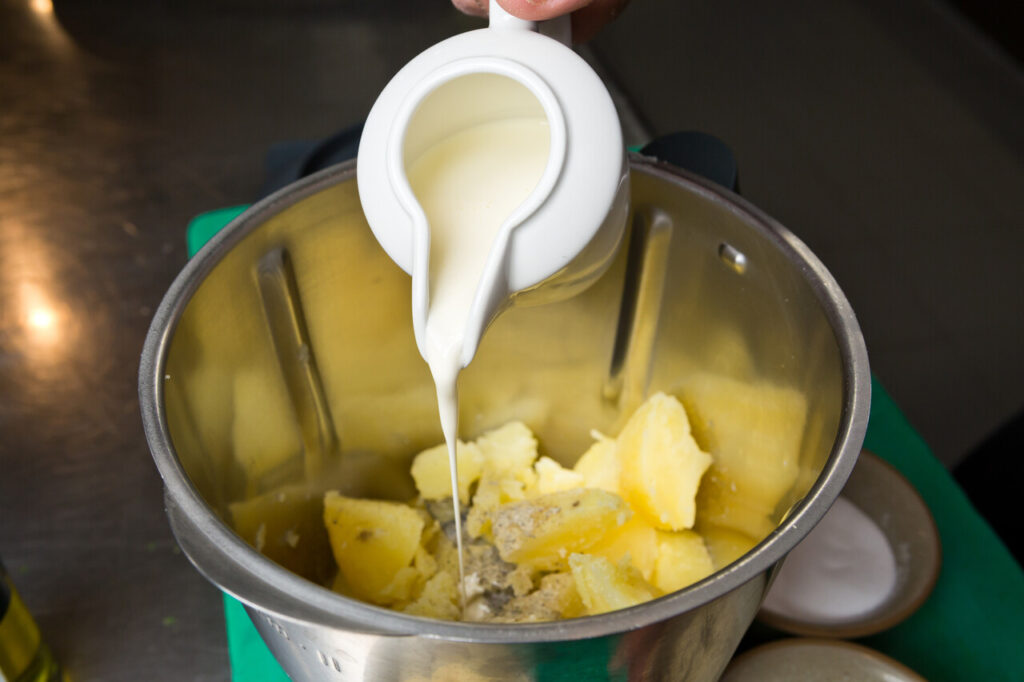
Milk and dairy products marketed as farm fresh or artisanal occasionally include additives or substitutions that stretch or modify authentic milk content. Dilution, stabilizers, or powdered components help manufacturers maintain a uniform supply across large distribution networks.
Industrial processing ensures consistent flavor and shelf life, yet such modifications can blur distinctions between small-scale dairy traditions and large-scale factory output. Marketing imagery often emphasizes pastoral origins despite extensive processing behind the scenes.
While most products meet safety standards, consumers seeking traditional dairy craftsmanship may unknowingly purchase items heavily shaped by industrial efficiency.
4. Honey Frequently Contains Added Syrups
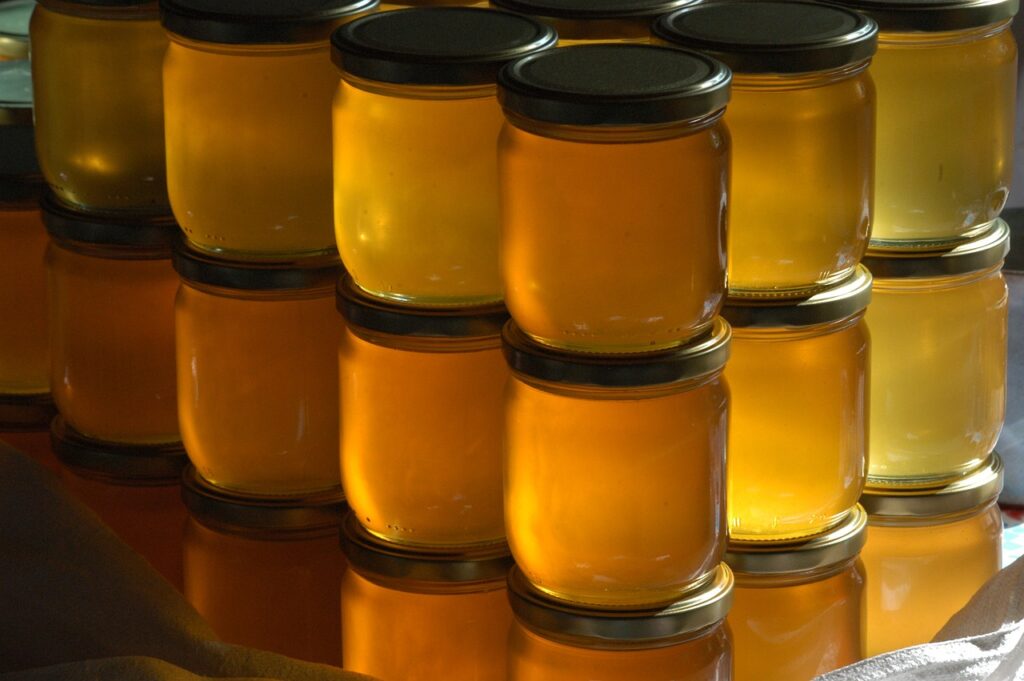
Honey enjoys a reputation as a pure natural sweetener, yet global food fraud investigations repeatedly uncover adulteration involving corn syrup or rice syrup blended into commercial honey supplies. These additions lower costs while preserving sweetness and appearance.
Authentic honey production depends on seasonal conditions and bee populations. Mixing syrups allows suppliers to stabilize inventory and maintain competitive pricing in large retail markets.
Consumers often struggle to detect adulteration without laboratory testing, meaning jars labeled natural may not always reflect traditional beekeeping output. The disconnect between label claims and product composition remains one of the most widespread cases of food authenticity challenges.
5. Olive Oil Often Contains Cheaper Blends
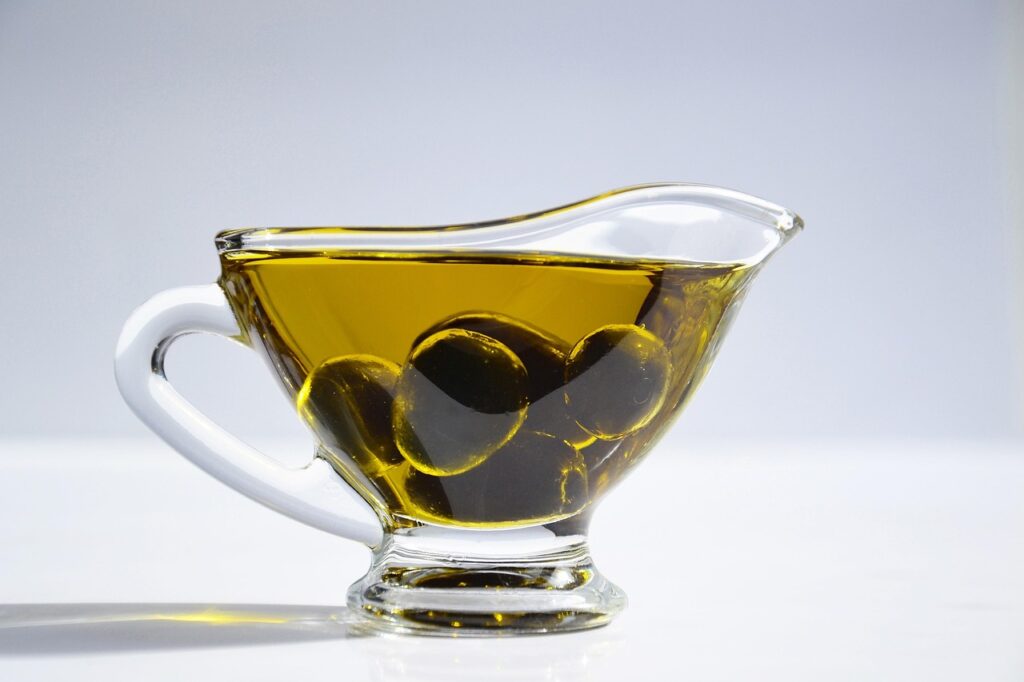
Extra virgin olive oil frequently appears in food fraud cases where products marketed as premium are diluted with lower-cost vegetable or refined oils. Blending reduces production costs while maintaining flavor profiles that pass casual taste checks.
True extra virgin olive oil requires careful harvesting and cold extraction methods, making authentic production expensive and sensitive. Industrial blending allows companies to meet global demand without relying solely on limited harvest yields.
Because visual differences are subtle, many consumers cannot distinguish genuine oils from blends. The resulting market confusion demonstrates how artisanal labels sometimes mask industrial processes designed to maintain supply.
6. Saffron Is Often Replaced with Dyed Fillers
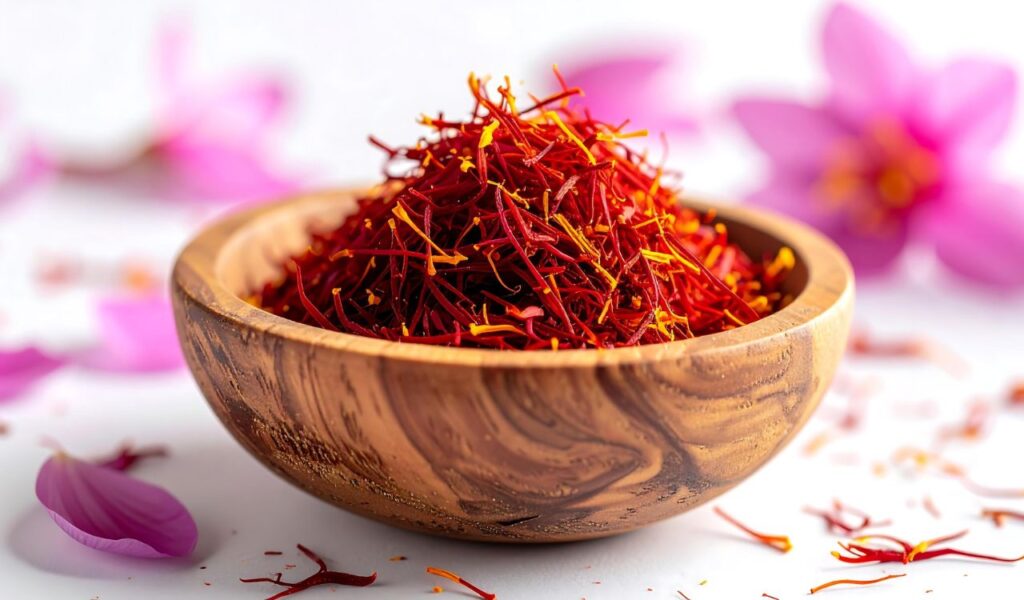
Saffron ranks among the most valuable spices in the world due to labor-intensive harvesting methods requiring manual collection of delicate flower stigmas. High market prices make it an attractive target for substitution using dyed plant materials.
Imitations often replicate saffron’s deep color while lacking its unique aroma and flavor characteristics. Such substitutes enable sellers to offer lower-priced products while preserving the visual impression associated with authentic spice.
Consumers seeking culinary authenticity may unknowingly purchase altered products, especially when ground or packaged forms obscure visual verification. This example shows how expensive artisanal ingredients often face replacement with factory-prepared alternatives.
7. Industrial Cheese Often Masquerades as Artisan
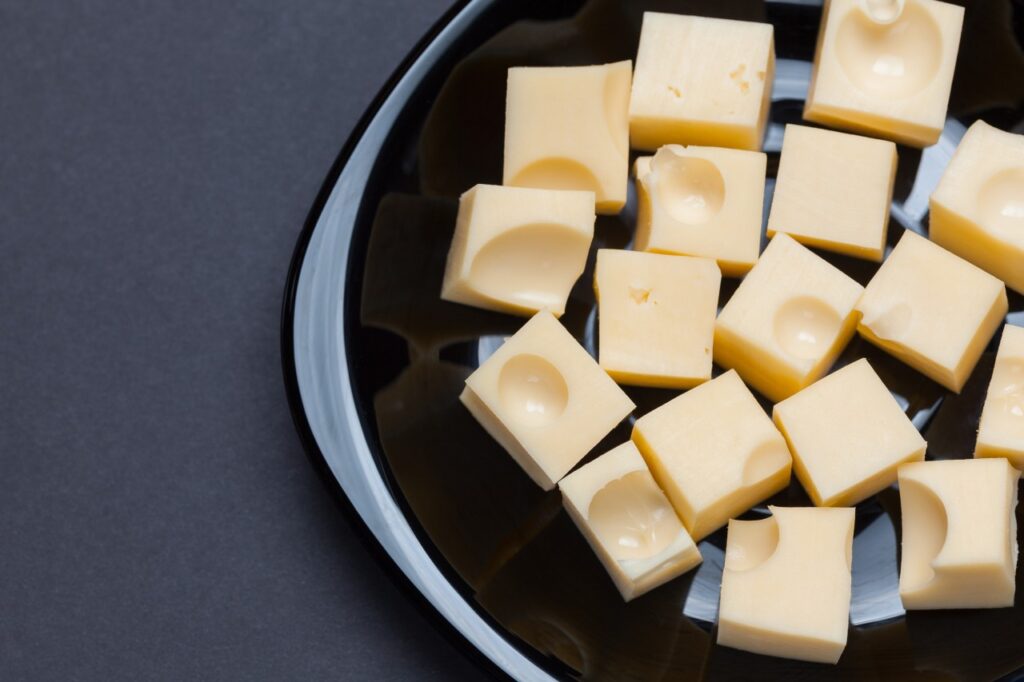
Cheese marketed as farmhouse or handcrafted sometimes originates from large-scale industrial facilities where production emphasizes consistency and speed rather than traditional aging or small-batch methods. Standardized processes deliver uniform products across markets.
Industrial cheese production often uses accelerated aging techniques, stabilizers, or blending practices that differ significantly from artisanal cheesemaking rooted in regional tradition.
Buyers expecting local craftsmanship may instead encounter products shaped primarily by automated manufacturing efficiencies. The distinction highlights how artisanal identity can be diluted when marketing narratives outpace production realities.
8. Vanilla Flavoring Often Comes from Synthetic Sources
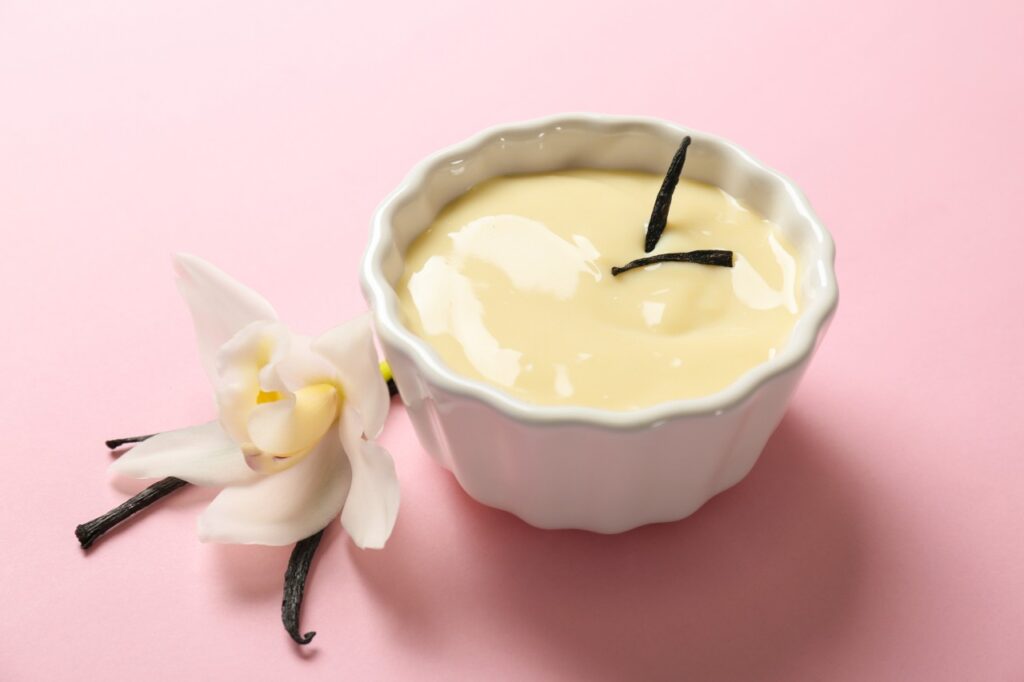
Vanilla stands among the most labor-intensive flavor crops, requiring careful hand pollination and lengthy curing processes that contribute to high prices. To meet global demand, manufacturers often substitute natural vanilla with synthetic vanillin produced in laboratories.
Synthetic vanillin delivers consistent flavor at far lower cost, making it common in packaged foods labeled with vanilla flavor. Industrial production ensures a stable supply regardless of agricultural fluctuations.
While safe for consumption, artificial flavoring shifts products away from traditional ingredient sourcing. Many consumers remain unaware that the familiar vanilla taste frequently originates from chemical synthesis rather than cultivated vanilla orchids.