7 Cheap and Easy Dinner Ideas That Sound Good but Rarely Deliver

Cheap and easy dinners have a special kind of appeal. They promise comfort without effort, savings without sacrifice, and a full plate at the end of a long day. On paper, these meals sound like smart solutions for busy schedules and tight budgets. In reality, many of them disappoint for the same reasons again and again. Cooking shortcuts often ignore how ingredients actually behave under heat, how flavors develop over time, and how texture plays just as big a role as taste. When technique is oversimplified, meals lose depth, balance, and satisfaction. These dinner ideas are popular because they sound practical and comforting, but they often fall short once they hit the table.
1. One-Pot Pasta
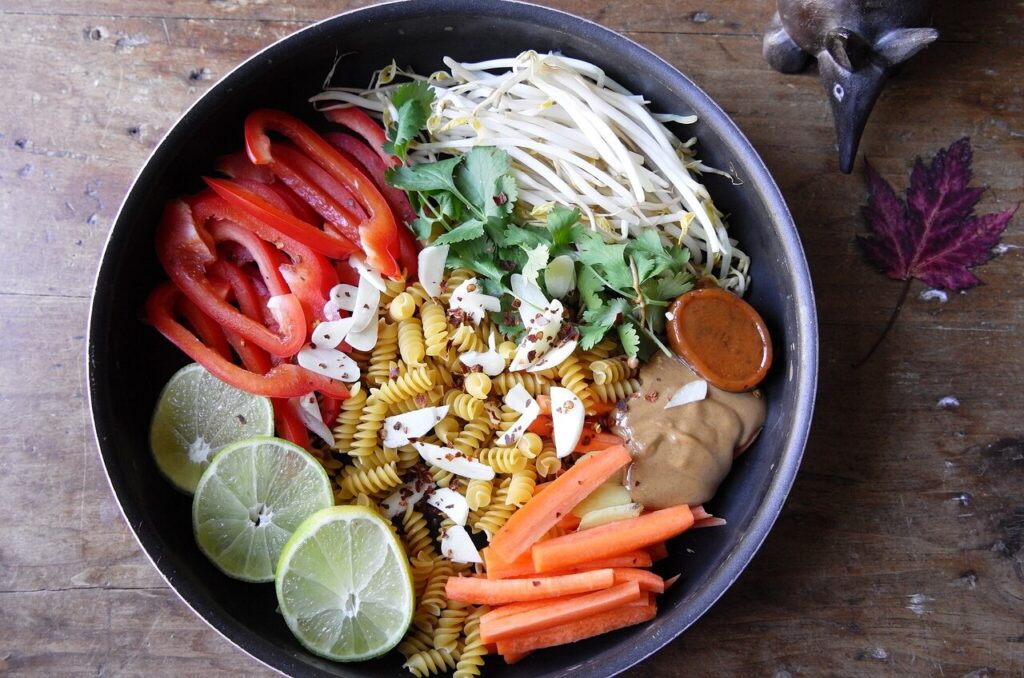
It sounds like the ultimate weeknight victory. One pot, minimal cleanup, and dinner done fast. The problem is that pasta is picky about how it cooks. Different shapes absorb water at different speeds, and sauces need time to emulsify separately. When everything goes into one pot at once, starch releases too quickly, thickening the liquid before flavors develop. The result is often gummy noodles sitting in a sauce that tastes flat rather than rich. Garlic and herbs do not bloom properly, acidic ingredients can turn harsh, and proteins overcook while waiting for the pasta to soften. Restaurants avoid this method for a reason.
2. Sheet Pan Chicken and Vegetables
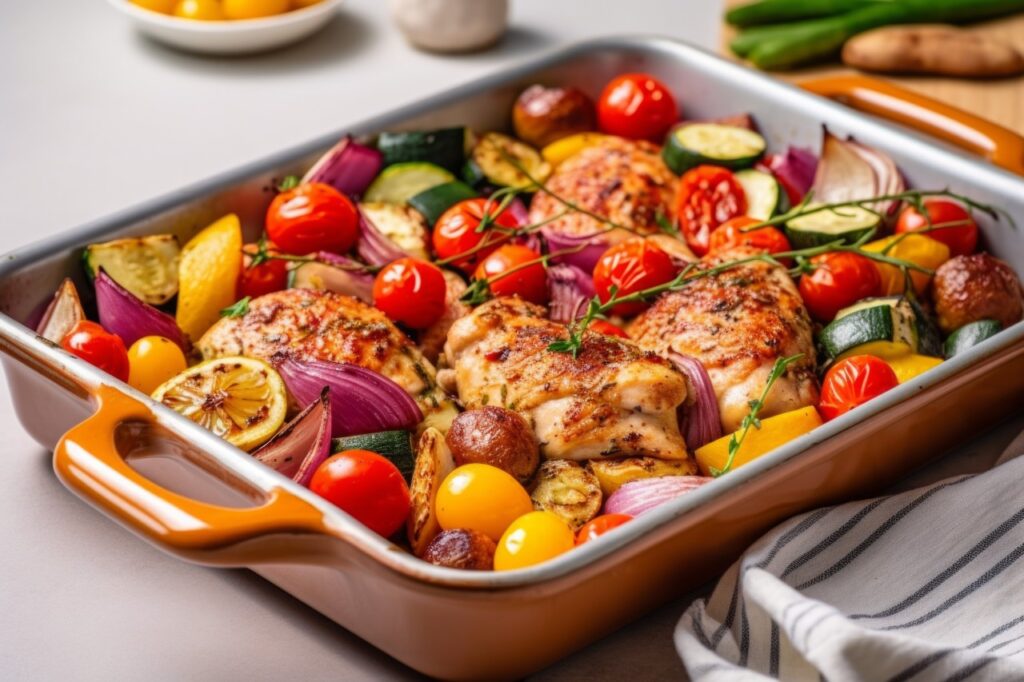
This idea feels efficient because everything cooks together, but chicken and vegetables follow very different rules in the oven. Chicken needs steady heat to stay juicy, while vegetables need space and high heat to caramelize. On a crowded pan, moisture gets trapped and turns roasting into steaming. Vegetables soften instead of browning, and chicken dries out by the time anything gains color. Seasonings also suffer because juices mix and dilute flavors rather than concentrating them. Even oven hot spots work against this method, causing uneven cooking across the pan. What looks colorful and appealing before cooking often comes out pale and tired.
3. Ramen Upgrade Bowls
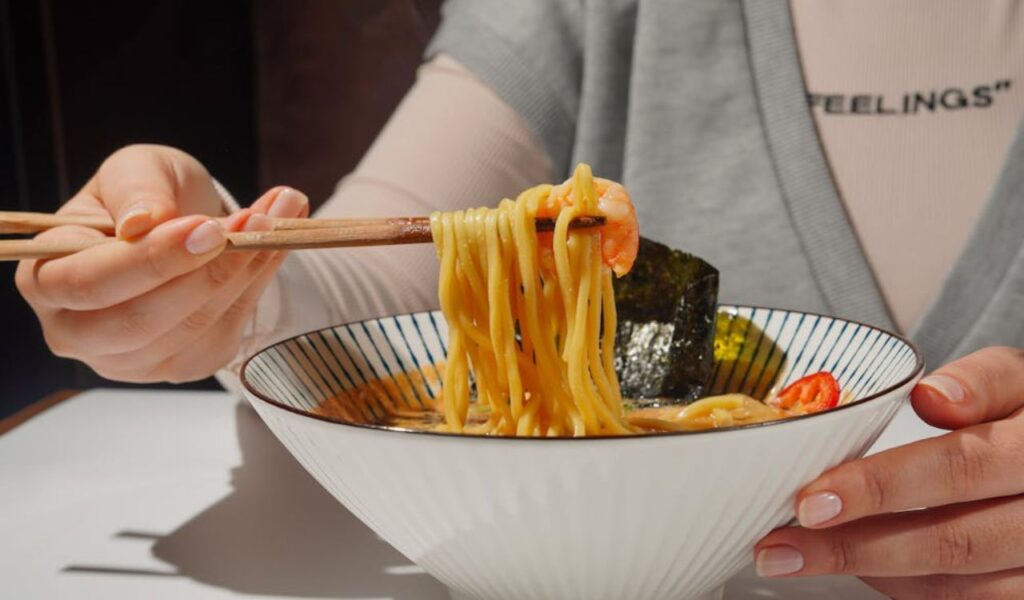
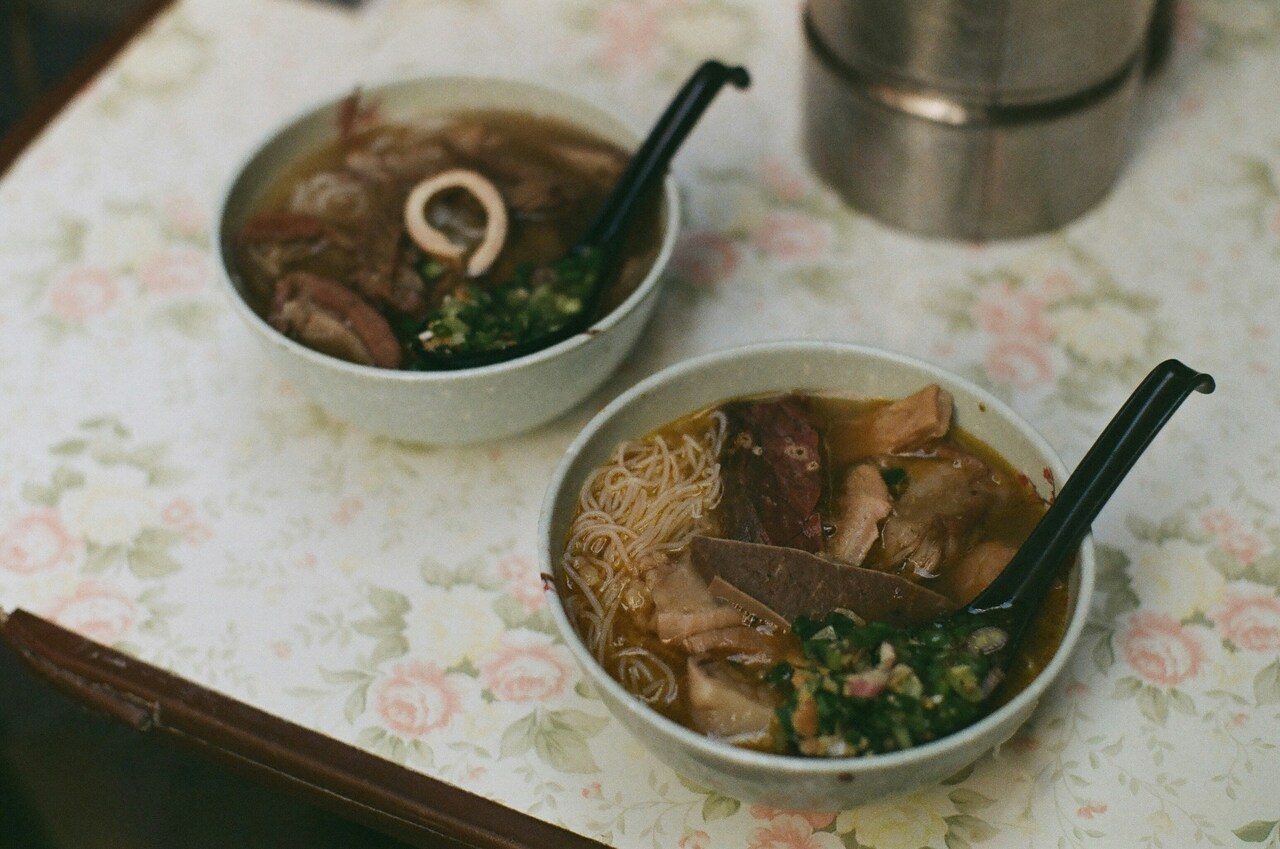
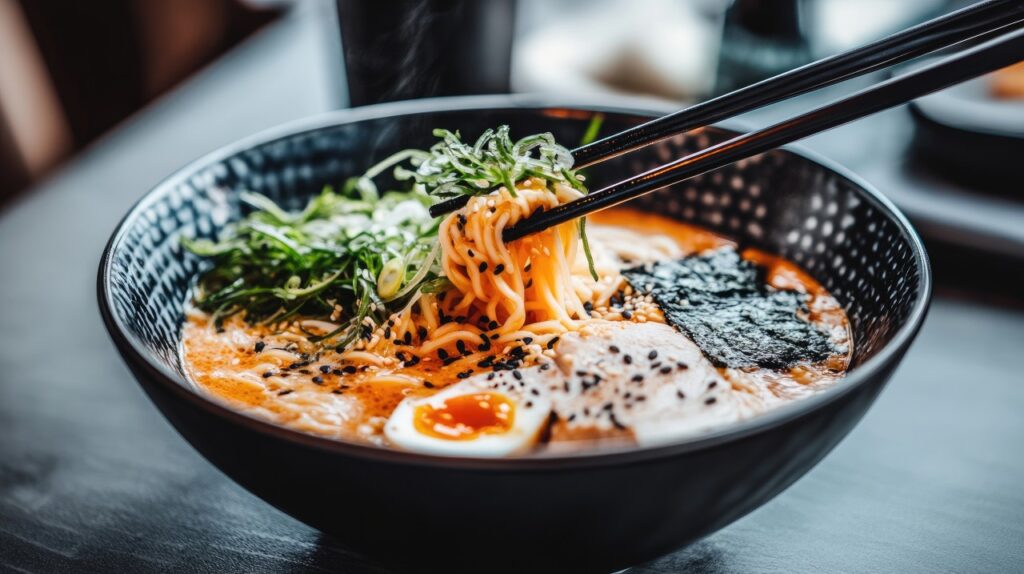
Instant ramen feels comforting, and adding toppings creates the illusion of a complete meal. The issue lies in the foundation. Most instant ramen broths rely on salt and artificial flavoring rather than depth. When hot water hits the seasoning packet, the result is thin and one-dimensional. Eggs, vegetables, or leftover meat can add texture, but they cannot fix the underlying imbalance. The broth overwhelms subtle flavors and leaves a lingering aftertaste. Noodles also soften too quickly, especially when toppings sit in the bowl. Instead of feeling nourishing, the meal often feels hollow. It looks warm and inviting, but the eating experience rarely matches the expectation set by the bowl.
4. Slow Cooker Everything
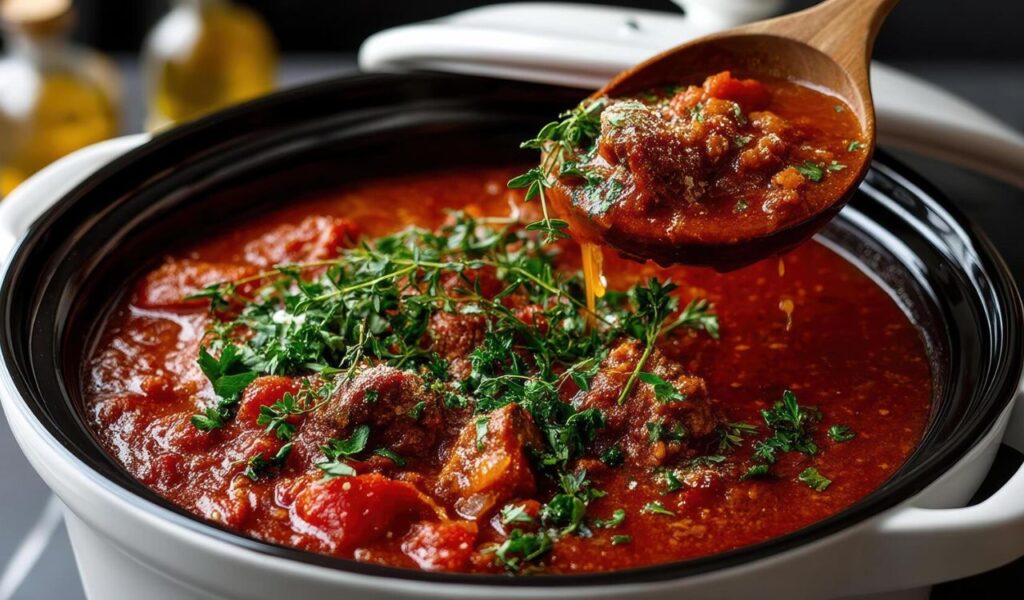
Slow cookers excel at breaking down tough cuts of meat, but they are often misused for meals that need precision. Long, low heat dulls spices, flattens herbs, and releases water from vegetables. Over time, textures blur together and sauces thin out instead of concentrating. Lean meats become dry even in liquid, while vegetables lose structure and flavor. Browning steps are skipped, removing the chemical reactions that create savory depth. Many slow cooker recipes depend heavily on salt to compensate, which can make food taste heavy rather than rich. What starts as convenient can end as food that feels soft, muted, and less satisfying than expected.
5. Quesadilla
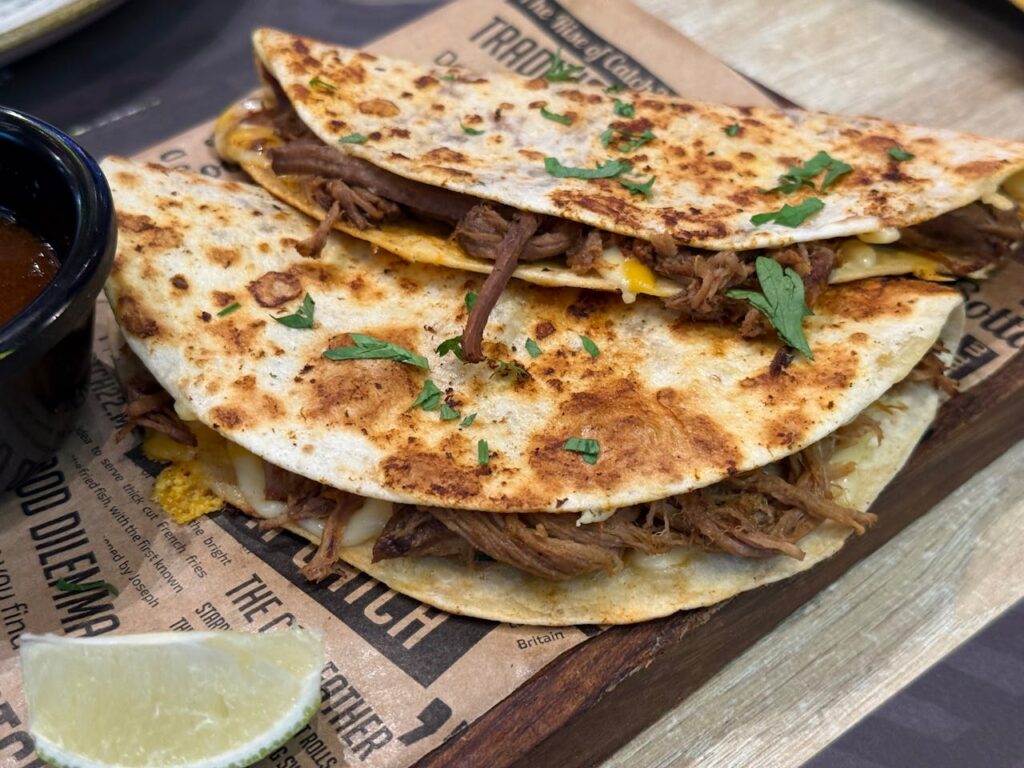
Few things smell better than tortillas crisping in a pan, but quesadillas often fall short as a dinner option. Cheese melts easily, which creates comfort but also hides flaws. Without enough filling variety, every bite tastes the same. Too much cheese leads to greasiness, while too little leaves the tortilla dry. Improper heat causes tortillas to brown before fillings warm through, or burn before cheese fully melts. Protein and vegetables release moisture, which can make the inside soggy. The result is something that feels more like a snack than a meal. It is enjoyable at first bite but rarely holds interest through the plate.
6. Fried Rice from Leftovers
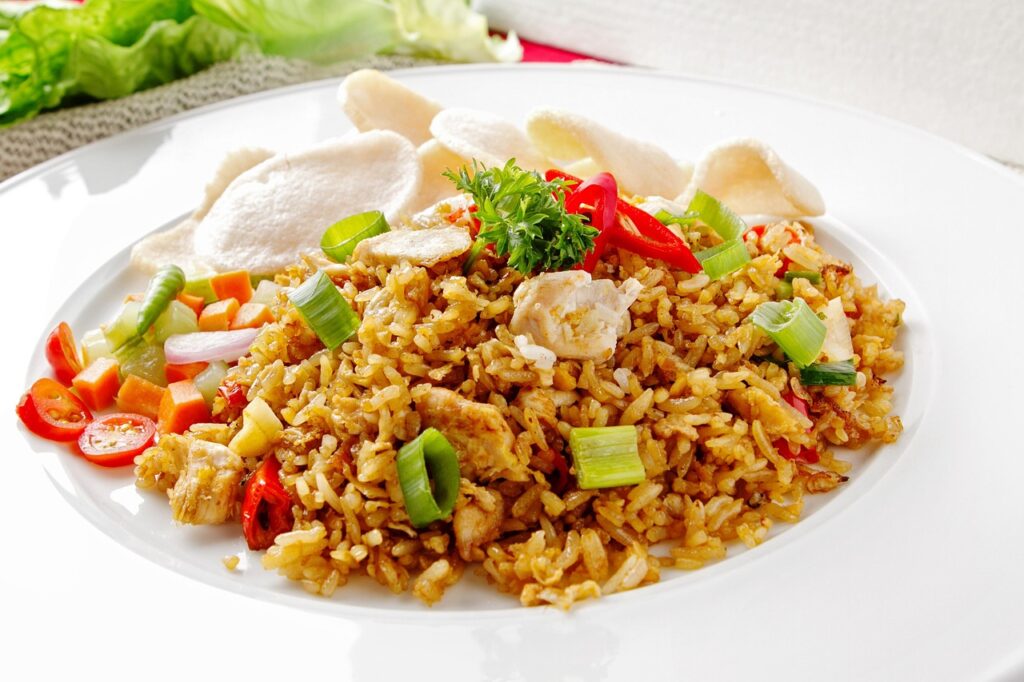
Fried rice is often treated as a catch-all solution, but good versions depend on strict technique. Rice must be dry and cold to fry properly. Most home kitchens crowd the pan and use heat that is too low. Instead of frying, the rice steams and absorbs moisture from vegetables and sauces. Soy sauce adds color but not enough depth on its own, and without proper browning, flavors stay muted. Eggs overcook or disappear into the rice. What should be smoky and crisp becomes soft and uniform. The idea is smart, but the execution rarely matches restaurant results without the right setup. High-powered burners, wide pans, and small batches create the texture most home kitchens struggle to achieve.
7. Baked Ziti Shortcut
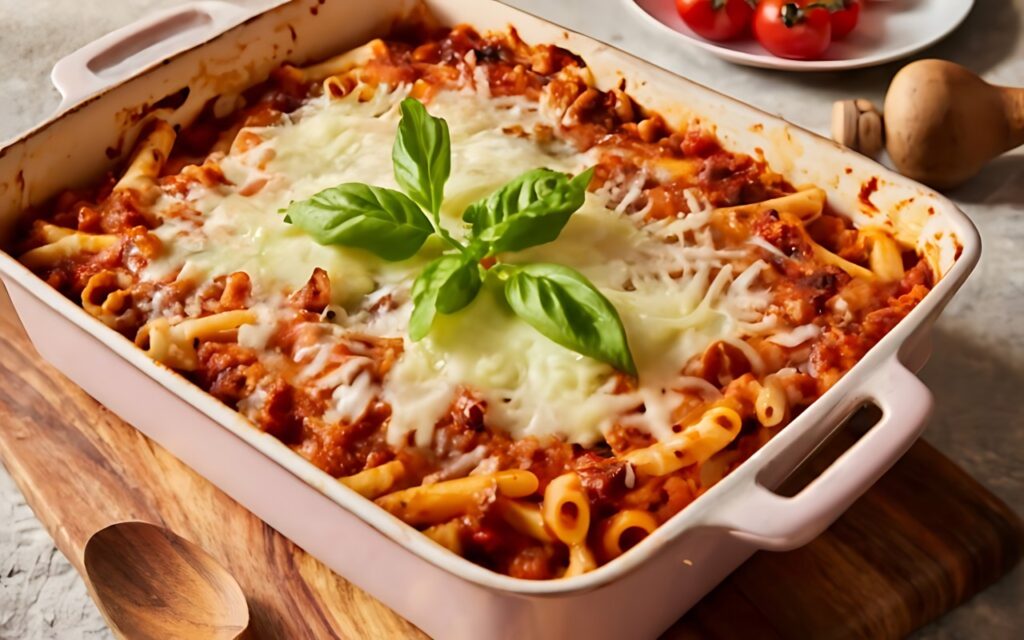
Baked ziti promises comfort with little effort, but shortcuts strip away what makes it satisfying. Overcooked pasta continues absorbing sauce in the oven, turning mushy. Jarred sauces often rely on sugar and salt rather than layered flavor, and baking dulls them further. Excess cheese creates heaviness without contrast, masking everything underneath. Without fresh herbs, acidity, or texture, the dish becomes dense and monotonous. The first few bites feel cozy, but fatigue sets in quickly. Instead of warmth and balance, the meal delivers weight and sameness. It fills the stomach, but rarely delivers the comforting payoff people expect.