What Happened to Portion Sizes in America and Why It Feels Off Now

Portion sizes in America have gone through a quiet but dramatic shift over the past few decades. What once counted as a large meal gradually became the standard, reshaping how people think about how much food is normal to eat.
At the same time, recent changes have introduced a new kind of confusion, with some portions shrinking while others remain oversized.
This mix of bigger expectations and inconsistent serving sizes has left many people feeling like something is off, even if they cannot quite explain why.
Understanding how portion sizes evolved helps explain both how we got here and why it feels different now.
When Portions Started Getting Bigger
What feels normal today would have looked excessive a few decades ago. Portion sizes in the United States began expanding steadily in the 1970s and continued growing through the 1990s. This shift changed how much food people expected in a single meal.
Restaurants and packaged food companies played a major role in this expansion. As competition increased, offering larger portions became a way to attract customers. Bigger servings created a sense of value that resonated strongly with consumers.
Fast food chains helped set the tone for this change. Meals that were once considered large became standard over time. Items like drinks, fries, and entrees grew significantly in size.
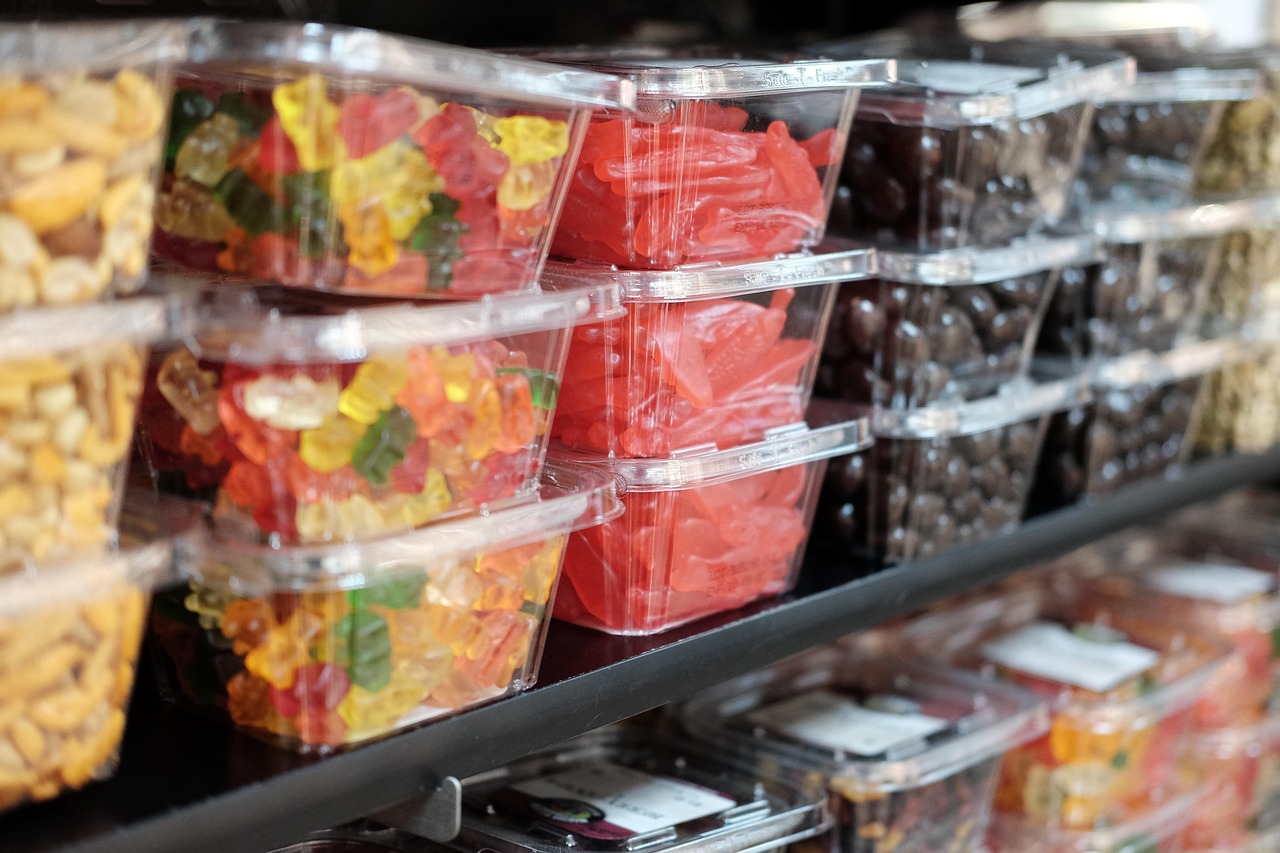
Packaged foods followed a similar pattern. Snacks and ready-to-eat products were sold in larger quantities, often without clear guidance on serving size. This blurred the line between a single portion and multiple servings.
As these changes became widespread, expectations shifted. What once seemed oversized began to feel normal. This normalization made it harder for people to recognize how much portions had grown.
The Psychology Behind Eating More Without Noticing
What people eat is often influenced by what is placed in front of them. Larger portions naturally lead to higher consumption, even when hunger levels remain the same. This happens without conscious awareness in many cases.
One key concept is known as unit bias. People tend to see a single portion as the appropriate amount to eat, regardless of its actual size. When portions grow, so does the amount consumed.
Visual cues play a strong role in this behavior. A full plate can signal completeness, encouraging people to finish what is served. This makes portion size a powerful driver of intake.
Environmental factors also contribute to this effect. Larger containers, plates, and packaging make bigger portions seem standard. Over time, this changes what people consider normal.
Because these influences are subtle, they often go unnoticed. People may feel they are eating the same way as before, even when portion sizes have increased significantly.
The Rise of Value Culture and Supersizing
At one point, bigger became synonymous with better. Fast food chains introduced supersized options as a way to offer more for a slightly higher price. This strategy made larger portions feel like a smart choice.
Pricing played a key role in this shift. The cost difference between regular and large portions was often small, encouraging customers to upgrade. This made larger sizes more appealing and more common.
Marketing reinforced this idea of value. Advertisements highlighted quantity as a benefit, focusing on how much food customers received. This shifted attention away from quality and toward size.
As a result, supersizing became part of everyday dining. Customers began to expect larger meals as the standard option. This expectation extended beyond fast food into other parts of the food industry.
Over time, the idea of value became closely tied to portion size. This connection made it difficult to reverse the trend, even as awareness of health impacts grew.
Why Portions Now Feel Inconsistent and Off
Today, portion sizes no longer follow a single direction. Some products and meals have become smaller, while others remain large. This creates a sense of inconsistency that many people notice.
One reason for this shift is changing consumer awareness. As health concerns have increased, some companies have reduced portion sizes or introduced smaller options. This reflects a growing focus on moderation.
At the same time, cost pressures have led to smaller packages without clear communication. This practice, often called shrinkflation, makes portions feel reduced without lowering prices.
These mixed signals can be confusing for consumers. A meal that once felt standard may now seem smaller, while other items remain oversized. This contrast makes portion sizes feel unpredictable.
As a result, expectations and reality no longer align. People are left trying to adjust to a new normal that is still evolving. This contributes to the feeling that something is off.
What Portion Sizes Mean for Health and Daily Eating
The growth of portion sizes has had a direct impact on calorie intake. Larger servings make it easier to consume more energy than needed. Over time, this can contribute to weight gain and related health issues.
Research shows that people often eat more when given larger portions, regardless of hunger. This makes portion size an important factor in daily eating habits. Small increases can add up over time.
Health experts have begun to emphasize portion awareness. Understanding serving sizes can help people make more informed choices. This is especially important in environments where large portions are common.
Some initiatives aim to encourage smaller portions in restaurants and packaged foods. These efforts focus on aligning serving sizes with nutritional guidelines. The goal is to support healthier eating patterns.
Ultimately, portion size is not just about how much food is served. It shapes how people eat, how they perceive value, and how they manage their health. Recognizing its impact is an important step toward change.