Regional American Dishes That Spark Endless Online Food Debates

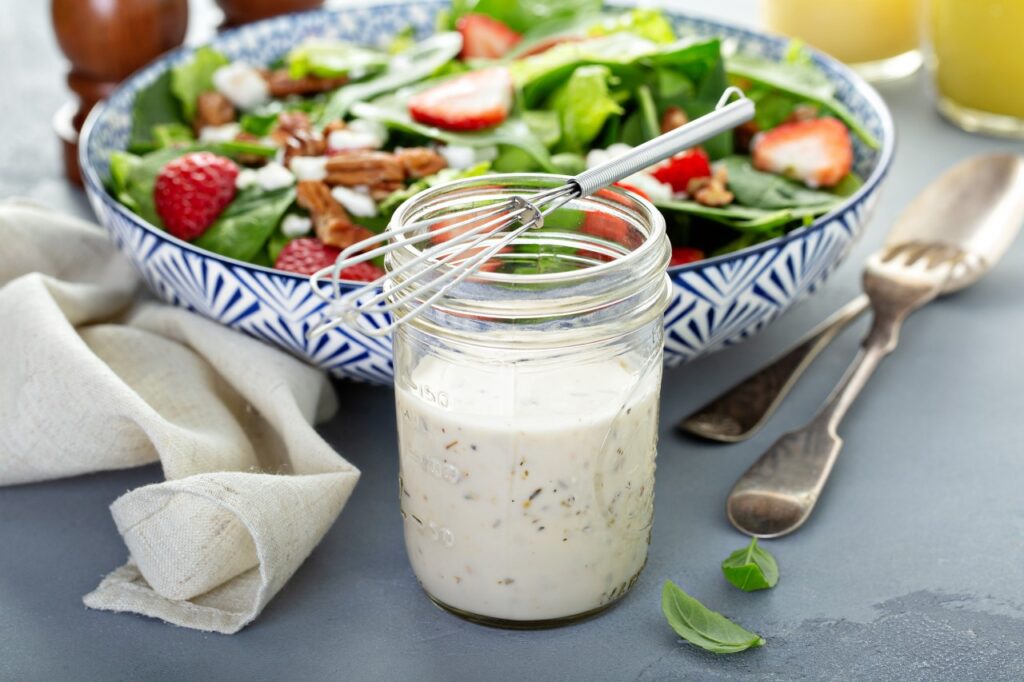
Food debates have a remarkable way of bringing people together, even when their opinions could not be more different. Across the United States, certain dishes and ingredients regularly spark lively conversations online. What begins as a simple question about toppings or condiments can quickly grow into passionate arguments between people who feel strongly about how a dish should be prepared or served. From pizza toppings to breakfast habits, these disagreements highlight how personal food preferences can be. A single ingredient can turn an ordinary meal into a topic that people eagerly discuss, defend, and debate across social media.
Social media has only amplified these conversations, giving everyday diners a place to share their thoughts on familiar foods. A single post about a controversial topping can quickly attract thousands of comments from people defending their favorite flavors or rejecting them completely. These discussions often blend tradition, regional pride, and individual taste, which makes them especially engaging to follow. While the arguments may seem lighthearted, they reveal how deeply food is connected to identity and experience. Even the simplest dishes can inspire strong opinions and endless online discussions among people who care about what they eat.
Pineapple Pizza Controversy
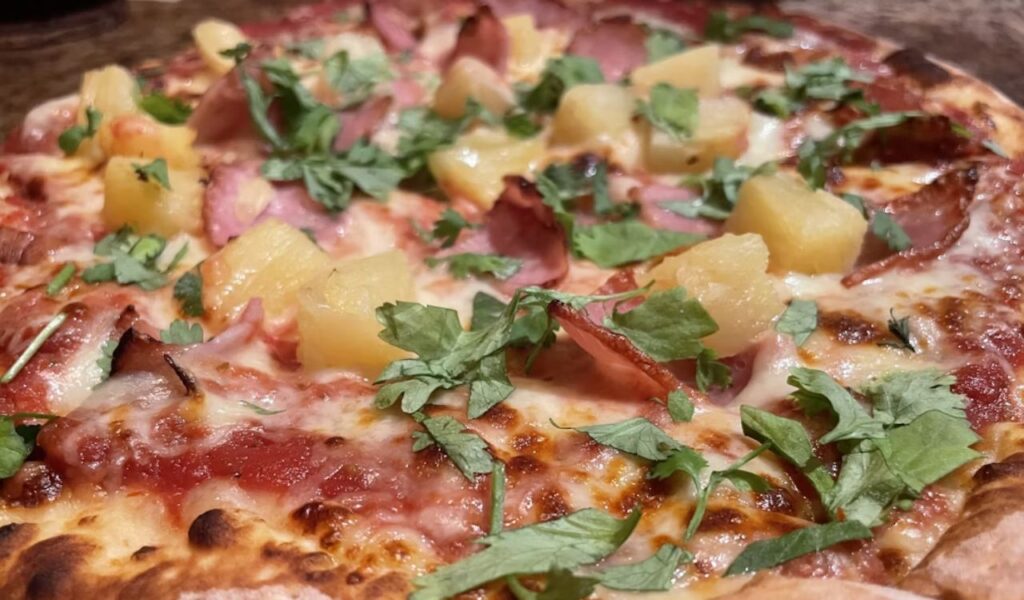
The debate over pineapple on pizza has become one of the most recognizable food arguments on the internet. This unusual pairing gained attention through the Hawaiian pizza, which combines pineapple with ham, cheese, and tomato sauce. Supporters say the fruit adds a natural sweetness that contrasts pleasantly with the salty meat and savory cheese. For many diners, that balance of sweet and salty flavors makes the pizza feel refreshing and different from more traditional toppings. Over time, the combination has appeared on countless restaurant menus and developed a loyal fan base across North America, especially among adventurous pizza lovers.
Critics, however, believe fruit has no place on a dish traditionally rooted in Italian cooking. Pizza, in their view, is built on a simple harmony of dough, tomato sauce, cheese, and savory ingredients such as sausage or vegetables. Adding pineapple is seen as disrupting that balance and moving too far from the dish’s original character. Because the topping challenges ideas of authenticity and tradition, it continues to spark heated online discussions. Restaurants often lean into this divide, knowing the controversy itself keeps people talking about pizza and sharing their strong opinions online.
Cilantro Divide
Cilantro has earned a reputation as one of the most divisive herbs in modern cooking, often sparking lively discussions wherever food lovers gather online. In many global cuisines, including Mexican, Southeast Asian, and Middle Eastern traditions, cilantro plays an important role in adding brightness and freshness to dishes. Its leafy texture and citrus-like notes can lift the flavor of salsas, soups, salads, and marinades. For diners who enjoy it, cilantro brings a lively herbal quality that balances spicy or rich ingredients, helping create the layered flavors that make these cuisines so distinctive and memorable.
Yet not everyone experiences cilantro in the same way, which is where the debate begins. Scientific research has shown that certain genetic traits influence how people perceive the herb’s flavor. Some individuals detect aldehydes in cilantro that remind them strongly of soap, creating a taste that feels unpleasant rather than refreshing. Even a small sprinkle can dominate an entire dish for those who are sensitive to it. Because reactions vary so dramatically from person to person, discussions about cilantro often become passionate online conversations, with fans praising its freshness while critics strongly avoid it.
Ketchup Eggs Argument
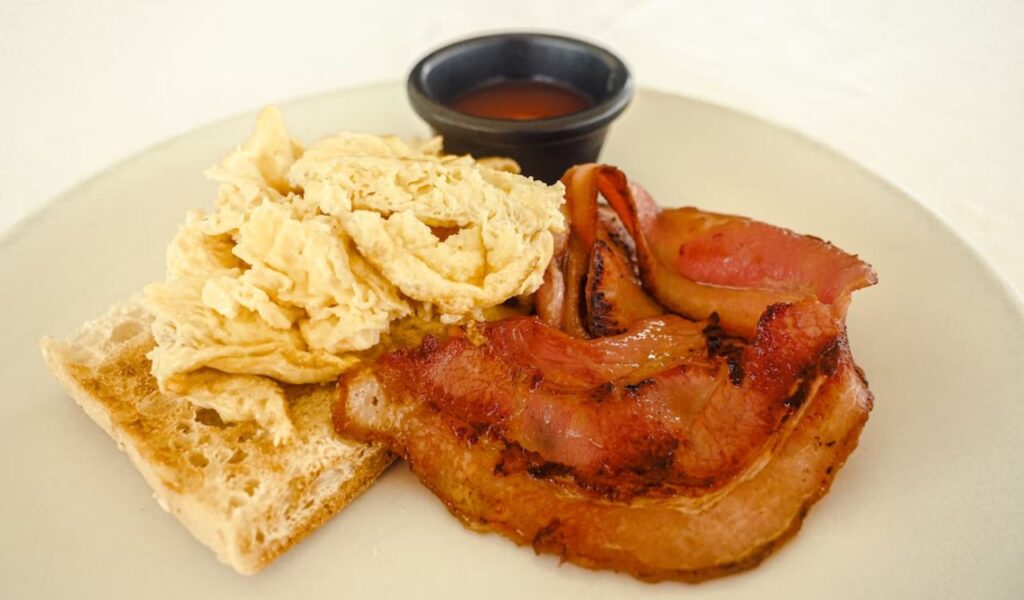
Few breakfast habits spark as much online debate as the simple decision to add ketchup to eggs. For many diners, especially those who grew up with classic American breakfast plates, ketchup feels like a natural companion to scrambled eggs, omelets, and breakfast sandwiches. The condiment’s sweet and tangy flavor can brighten the richness of eggs while blending easily with other savory ingredients such as bacon, sausage, potatoes, or melted cheese. Supporters often describe the pairing as comforting and familiar, a small tradition that reminds them of childhood breakfasts or quick diner meals enjoyed over the years.
Others see the combination very differently and strongly reject the idea of ketchup touching their eggs. Critics argue that eggs already have a subtle flavor that should be highlighted rather than covered by a bold sauce. Many people who prefer traditional breakfast preparation believe eggs are best enjoyed with simple seasoning such as salt, pepper, butter, or herbs, or paired with hot sauce that adds heat without sweetness. Because breakfast habits are often shaped by family traditions and regional preferences, the ketchup-and-eggs debate continues to spark strong opinions and lively online discussions.
Mayonnaise Burger Debate
Few burger toppings create as much discussion as mayonnaise. In many parts of the United States, especially across the South and along sections of the East Coast, mayonnaise is considered a normal addition to burgers and sandwiches. Its creamy texture adds moisture to the bun while balancing the savory flavor of grilled beef. Fans say mayonnaise helps bring the ingredients together and creates a smooth contrast to crisp lettuce, tangy pickles, onions, and toasted buns. For many diners, this combination delivers a richer bite that feels satisfying without overwhelming the burger itself, making it a staple topping in many regional burger styles.
Despite its popularity in some regions, mayonnaise still divides burger enthusiasts who prefer more traditional condiments. Many people believe classic toppings such as ketchup and mustard provide brighter flavors that cut through the richness of the meat instead of coating it. Critics often argue that mayonnaise can make the burger feel heavier or mask the taste of the beef. These opposing views frequently appear in online food discussions, where people strongly defend their preferred toppings. The ongoing debate highlights how regional habits and personal taste influence what diners believe belongs on a classic American burger.
Ranch Dressing Obsession
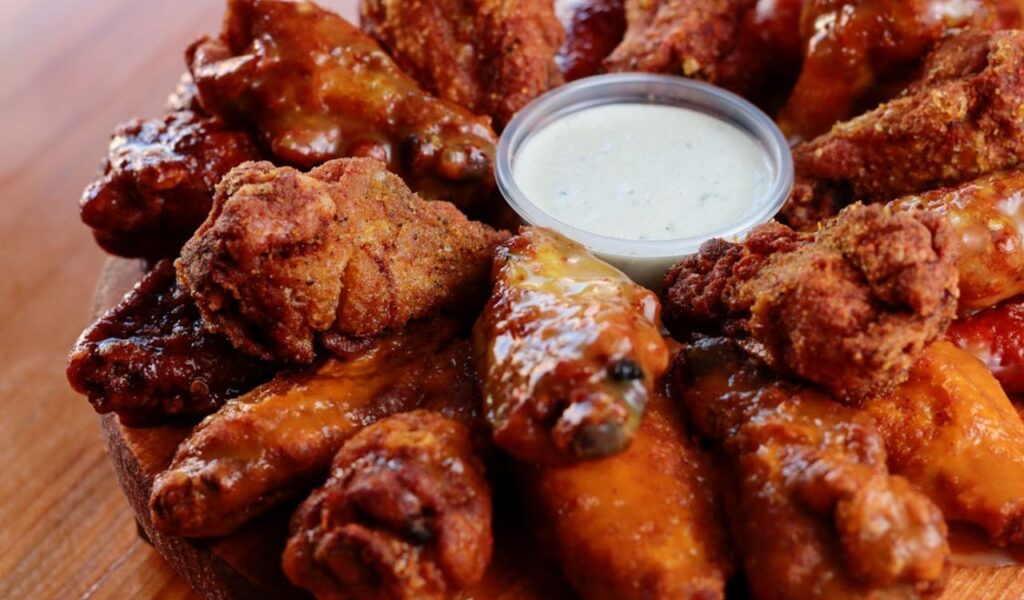
Ranch dressing has grown into one of the most recognizable condiments in American food culture, especially across the Midwest and the South, where its popularity runs deep. What began as a simple salad dressing made from buttermilk, herbs, garlic, and spices gradually expanded far beyond leafy greens. Today, it is commonly served as a dip for vegetables, chicken wings, pizza, fries, and many fried appetizers. Grocery stores carry dozens of bottled varieties, and restaurants frequently include ranch alongside side dishes and starters. Its creamy texture and cool, tangy flavor make it appealing to diners who enjoy a rich sauce that balances salty or spicy foods.
At the same time, ranch dressing’s widespread presence has sparked plenty of criticism in online food discussions. Some diners believe the condiment is used too often and can overwhelm the natural flavors of the foods it accompanies. Others argue that its popularity has turned it into a default dipping sauce that replaces more traditional condiments like blue cheese, barbecue sauce, or mustard. These contrasting views regularly surface across social media and food forums. While loyal fans praise ranch for its versatility and familiar taste, critics question whether it deserves such a dominant role on American tables.