Fast Food Chains Keep Bringing Back the Same Menu Items for a Reason

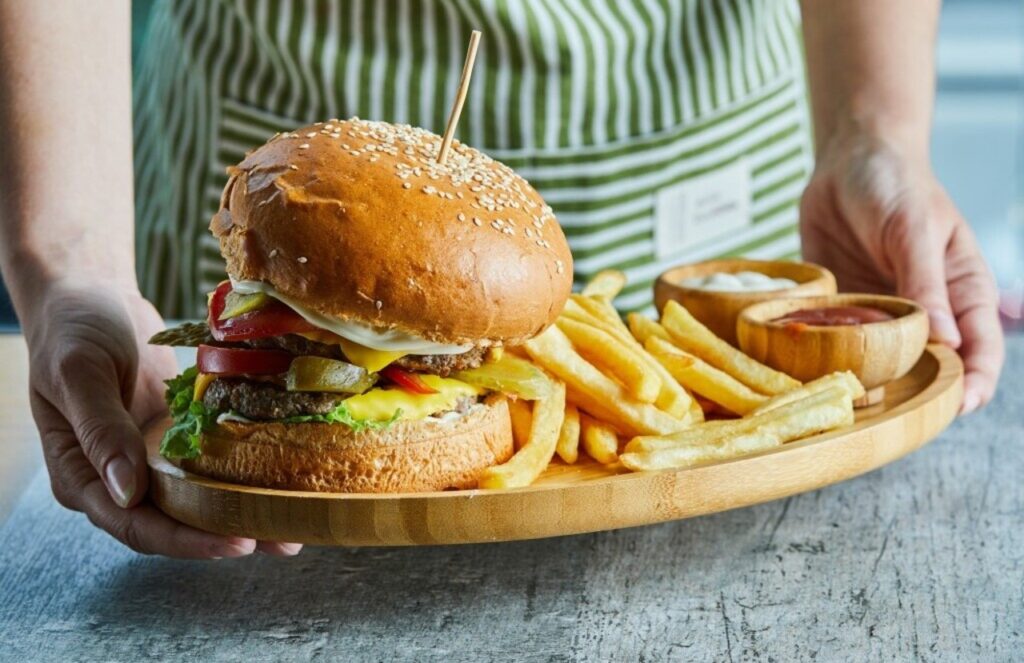
Fast food menus are constantly evolving, with new sandwiches, sides, and desserts appearing every year as chains compete to attract curious diners. Yet if you look closely, many restaurants continue revisiting familiar favorites from the past. Items that once disappeared from the menu often return with noticeable excitement, drawing attention from longtime customers who remember enjoying them years ago. These comebacks rarely happen by accident. Behind every returning burger, taco, or shake is a deliberate plan to reconnect with diners through foods that already hold a place in their memories and dining habits.
For fast food chains, reviving older menu items offers a dependable way to generate buzz without inventing something entirely new. Familiar foods already have a loyal audience, and their return can quickly spread through social media conversations and word of mouth. Restaurants also benefit from the sense of curiosity and nostalgia that surrounds these reintroductions. When people see a former favorite back on the menu, many feel encouraged to visit and try it again. By rotating well-loved classics back into the lineup, chains maintain customer interest while reminding diners why those foods became popular in the first place.
Nostalgia That Brings Customers Back
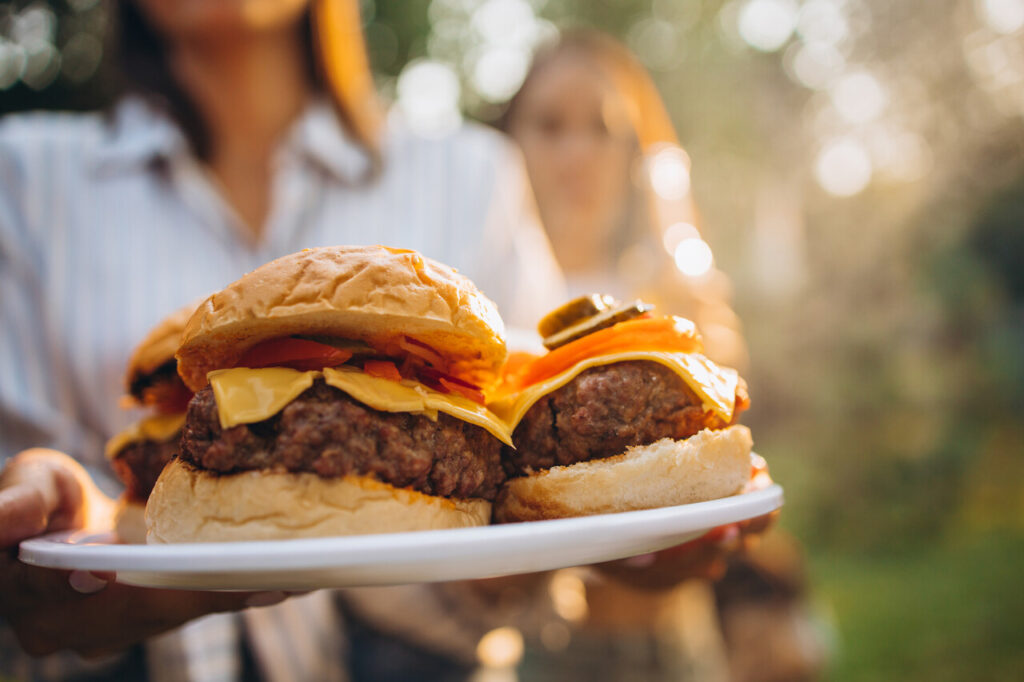
Nostalgia has become one of the most reliable forces shaping the fast food industry. Many diners associate certain menu items with earlier moments in their lives, whether it was a quick meal after school, a family road trip, or a favorite late-night snack. These memories create emotional ties that go far beyond taste alone. When a restaurant announces the return of a discontinued burger, dessert, or side dish, it often sparks curiosity among customers who remember enjoying it years ago. That sense of familiarity can draw people back to the restaurant in ways that brand-new menu items sometimes struggle to achieve.
Fast food companies recognize how strongly these emotional memories influence customer behavior. When a former favorite returns, longtime fans often feel excited to revisit something they once enjoyed, while younger diners become curious about a food they may have only heard about. The shared experience of rediscovering a classic item can quickly spread through social media and word of mouth. By reviving well-loved menu items tied to past experiences, restaurants create a sense of comfort and connection that encourages both returning customers and new visitors to walk through the doors and share the experience.
Fan Demand That Shapes Menu Decisions
Customer enthusiasm often plays a decisive role in shaping which discontinued menu items make a comeback. Fast food companies now pay close attention to what customers say across digital platforms, from social media posts and comment threads to online petitions and brand surveys. When a retired sandwich, snack, or dessert keeps appearing in conversations long after it left the menu, it sends a clear signal that the item still holds strong appeal. These steady waves of feedback help companies identify which foods continue to inspire loyalty among customers and may still perform well if they return.
Listening to customer voices also helps brands strengthen their relationship with diners. When people see that a restaurant responds to popular requests, it creates a sense that the company values its audience rather than simply pushing new products. Fans who feel heard often share their excitement online, spreading the news quickly among friends and followers. That attention can generate immediate curiosity and increased foot traffic when the item returns. By tracking this feedback carefully, fast food chains gain useful insight into which past favorites deserve another chance on the menu and bring excitement back to loyal customers.
Limited-Time Comebacks That Create Excitement
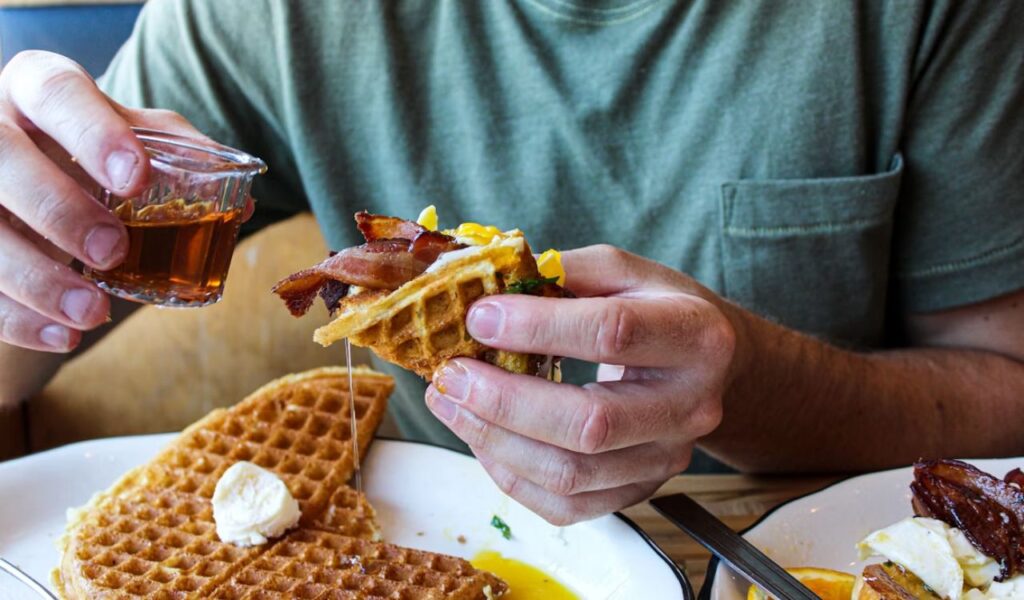
Reintroducing a discontinued menu item for a limited time creates a strong sense of urgency that motivates customers to visit quickly. When a restaurant announces that a once-popular sandwich, snack, or dessert will only return for a short window, longtime fans often feel encouraged to act before it disappears again. That limited availability turns the item into a small event rather than a routine menu addition. Customers who remember the item from years ago may revisit the restaurant just to experience it once more, while curious new diners try it for the first time. This temporary return often creates buzz among loyal fans and casual diners alike.
Short-term comebacks also give fast food companies a practical way to measure whether a former favorite still appeals to today’s customers. Sales during the promotional period reveal whether interest remains strong enough to justify bringing the item back permanently. At the same time, keeping the offer temporary prevents menus from becoming too crowded with older items. By rotating beloved classics in and out throughout the year, restaurants can maintain excitement, attract returning customers, and keep kitchen operations running smoothly during busy service hours while also refreshing customer interest.
Marketing Power Behind Classic Favorites
Classic menu items often carry a powerful marketing advantage because they already hold a place in the memories of many customers. Unlike brand-new products that require time to gain recognition, returning favorites come with a built-in story that people remember and talk about. When a fast food chain announces the comeback of a well-known sandwich, dessert, or side dish, the news frequently spreads quickly across social media, food blogs, and online communities. This natural buzz can generate widespread attention without requiring the same level of advertising needed to introduce something completely unfamiliar.
Restaurants often build entire promotional campaigns around these returning classics, using nostalgia and familiarity to capture interest. Advertisements, social media posts, and in-store displays highlight the item’s earlier popularity and invite customers to experience it again. Because many diners already know what the product tastes like, marketing messages can focus on rekindling excitement instead of explaining the item from the beginning. This approach allows fast food chains to generate strong customer engagement while keeping promotional efforts focused and relatively efficient compared with launching entirely new menu items.
Familiar Menu Items That Are Easier to Reintroduce
Fast food restaurants often return to older menu items because doing so fits smoothly within their existing kitchen systems. Many of these foods were originally created using ingredients, equipment, and preparation steps that are already familiar to staff and suppliers. When a company decides to revive a past favorite, it rarely needs to redesign its kitchen workflow or introduce complicated new processes. The original recipe usually relied on ingredients that are still part of the supply chain, which makes it easier to bring the item back without disrupting daily operations in busy restaurant kitchens.
This operational familiarity reduces much of the uncertainty that normally comes with launching brand-new menu items. Restaurants already know how long the food takes to prepare, how it performs during busy service hours, and how customers responded to it when it was first introduced. That knowledge helps managers plan staffing, ingredient orders, and cooking procedures more confidently. Because the risks are lower and the preparation process is already understood, returning menu favorites often becomes a practical way for fast food chains to refresh their offerings without creating major challenges for kitchen teams.