What’s Really Driving the Obsession With Throwback Packaging

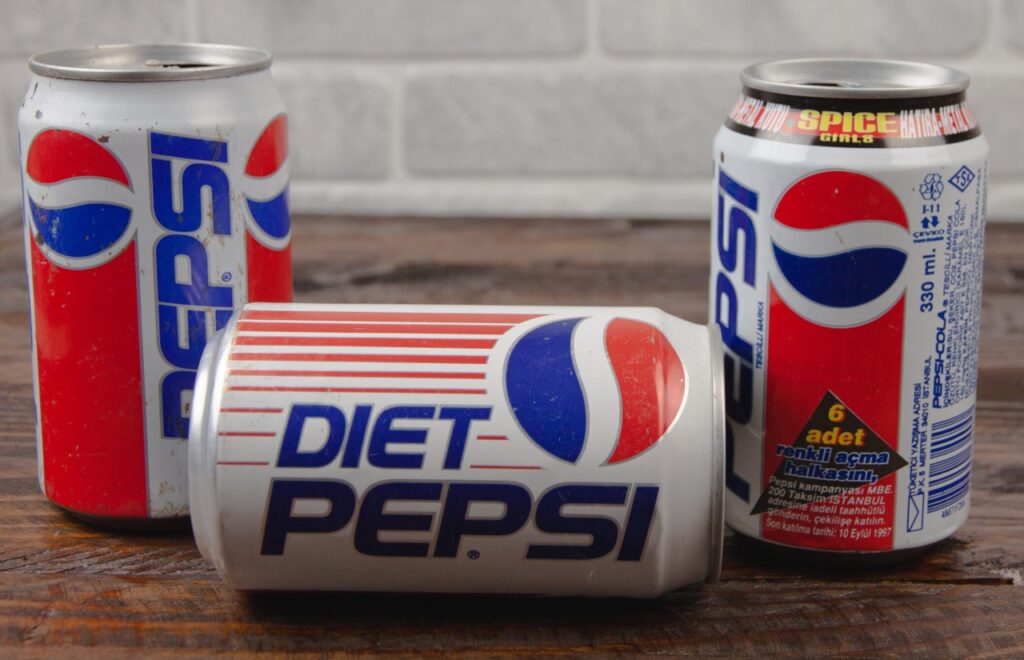
There’s something quietly magnetic about a product that looks like it belongs to another time. Before you even read the label, it already feels familiar.
That feeling is not accidental. It is carefully designed to spark recognition, comfort, and a sense of trust that modern visuals sometimes fail to create.
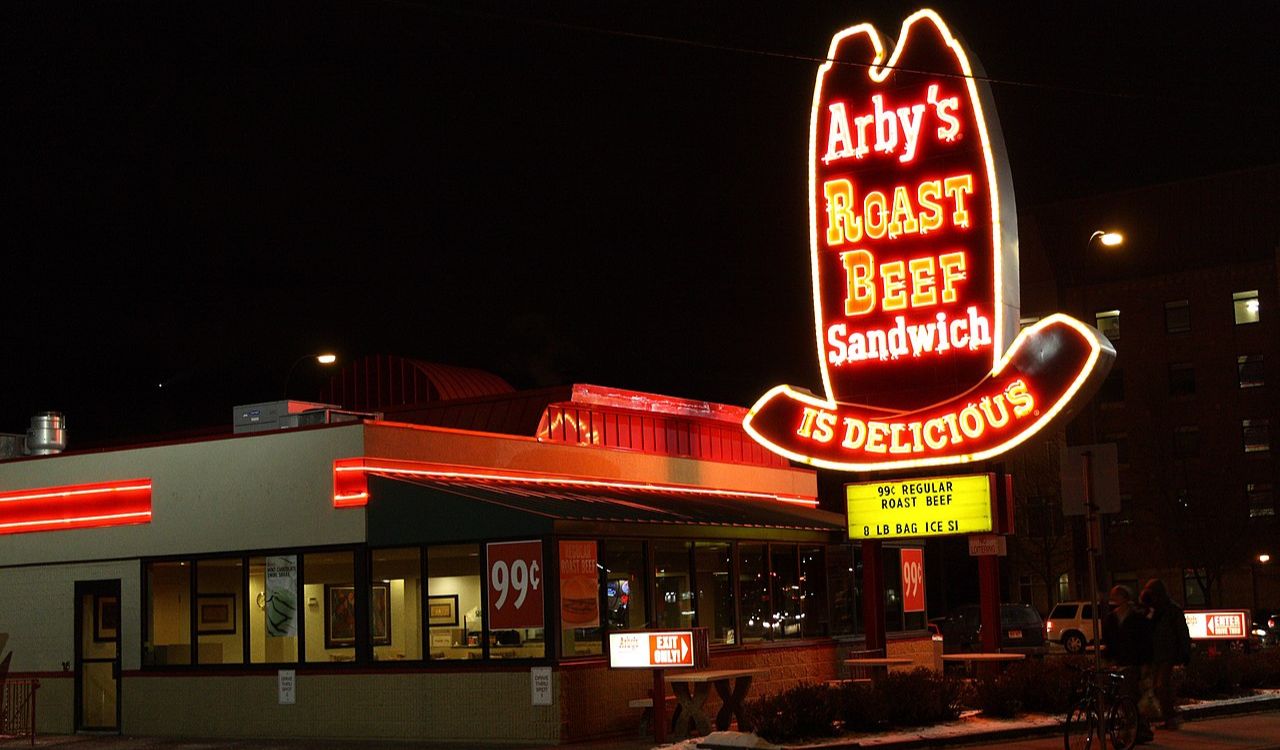
As brands compete for attention, many are turning backward instead of forward. Old-school packaging is reappearing in new ways, blending memory with marketing strategy.
What seems like a simple design choice is actually rooted in psychology, culture, and shifting consumer values that favor authenticity over perfection.
Behind every vintage label lies a deeper story about why we buy, what we remember, and how the past continues to shape modern decisions.
The Enduring Power of Nostalgia
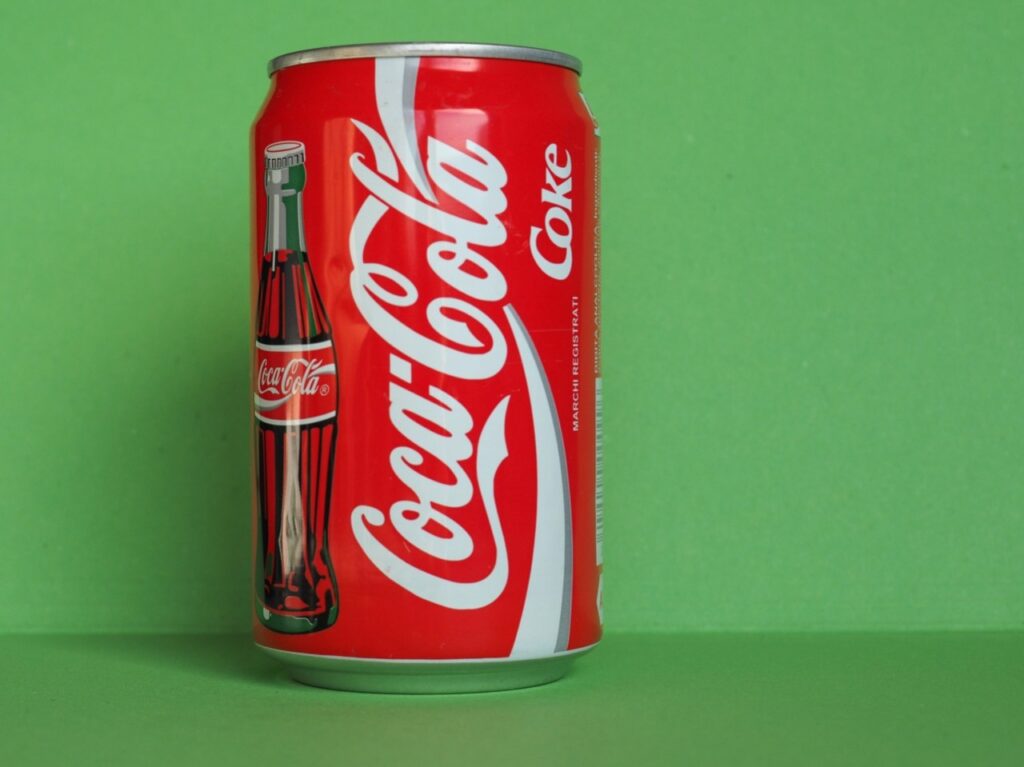
Nostalgia works because it taps into emotional memory rather than just visual appeal. When consumers see familiar packaging, it connects to moments that felt safe, joyful, or comforting, often without conscious thought.
Brands use this to reconnect with audiences who already recognize them. A retro label can remind people of childhood routines or simpler times, creating a sense of trust that modern designs often lack.
This appeal goes beyond older generations. Younger consumers are drawn to “borrowed nostalgia,” where vintage styles feel fresh and authentic compared to polished branding.
Trends move in cycles, allowing past designs to return with both familiarity and novelty. This makes them appealing across different age groups.
In essence, nostalgia reduces emotional distance. It makes products feel known, reliable, and rooted, which is valued in a fast-changing market.
Emotional Connections That Influence Buying Decisions
Buying decisions are strongly shaped by emotion, and packaging plays a key role in triggering those feelings. A familiar design can instantly create comfort and influence what people choose.
Throwback packaging reinforces this by linking products to positive memories. Even without changes to the product, the design can make it feel more reliable or satisfying.
It also improves brand recall. Familiar visuals are easier to remember and often carry positive associations, helping build long-term loyalty.
Vintage designs often suggest history and consistency, giving the impression that a product has stood the test of time. This adds to its perceived value.
These connections are often shared socially, turning nostalgic products into collective experiences that strengthen brand relationships.
Strategic Value for Modern Brands
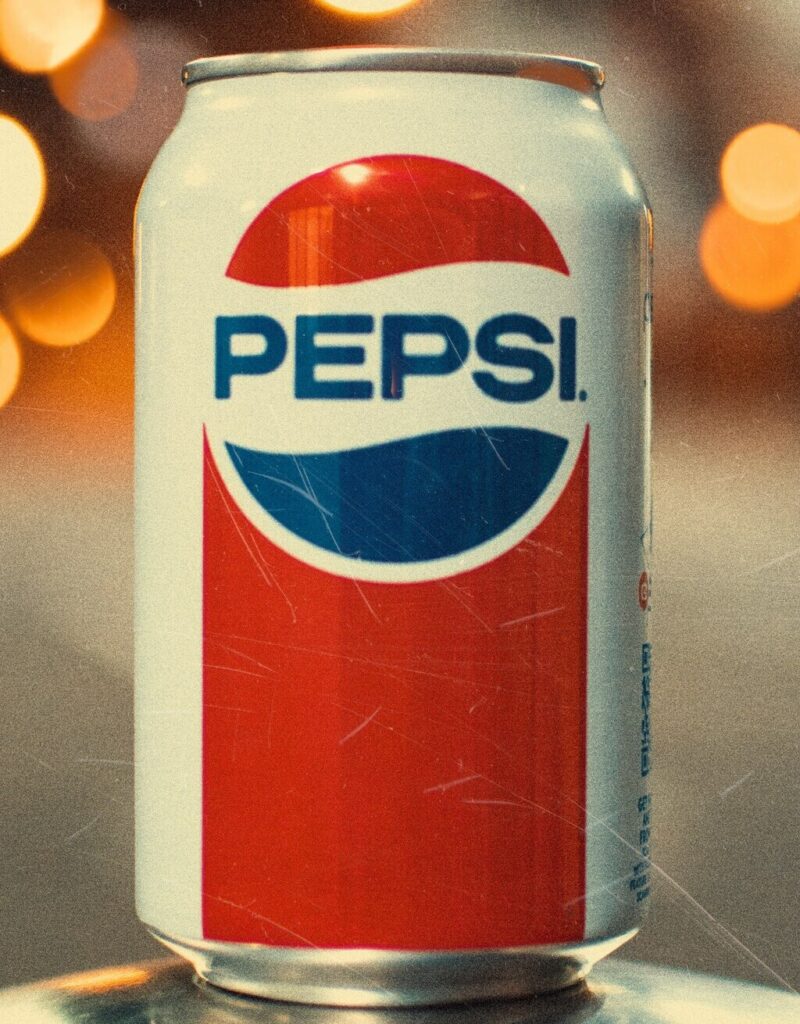
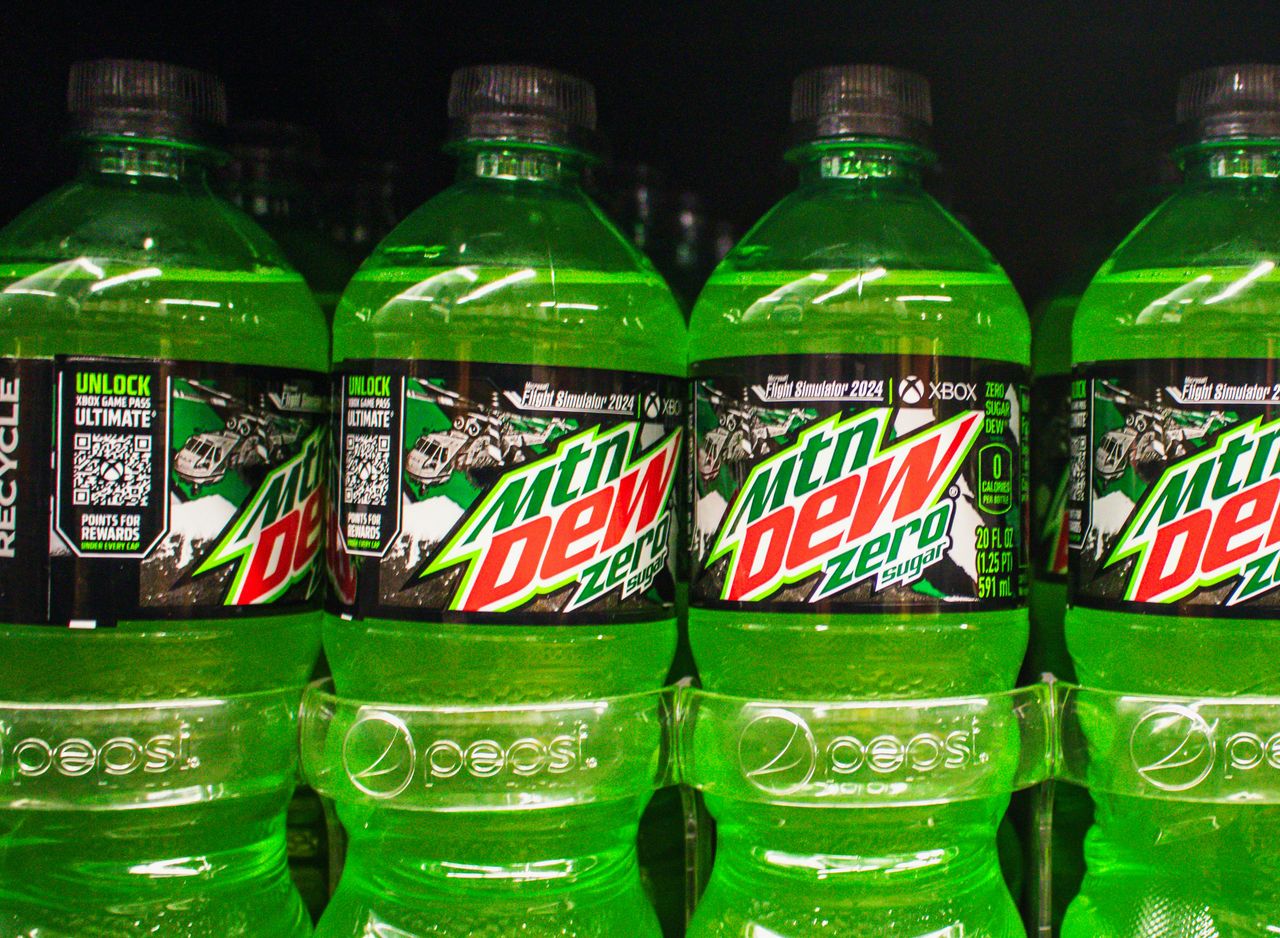
Throwback packaging is a strategic tool that helps products stand out in crowded markets. Against sleek modern designs, retro visuals quickly attract attention.
It allows brands to reuse existing recognition instead of building it from scratch. Familiar designs already carry trust, reducing the need for heavy marketing.
Limited-edition retro releases add urgency and exclusivity, encouraging quick purchases while reinforcing brand identity.
Retro styles also signal authenticity. In a world of polished branding, older designs feel more honest and grounded.
At the same time, they communicate brand history effortlessly, showing longevity and consistency without relying on complex messaging.
Challenges Hidden Behind Retro Appeal
Nostalgic packaging comes with risks, especially around relevance. What feels meaningful to one group may seem outdated to another.
Overuse is another issue. As more brands adopt retro styles, their uniqueness fades, making it harder to stand out.
There is also the risk of unmet expectations. If the product doesn’t match the emotional promise of the packaging, it can lead to disappointment.
Brands must balance vintage appeal with modern needs like usability and sustainability. Ignoring these can weaken effectiveness.
Authenticity is critical. If nostalgia feels forced rather than genuine, it can reduce trust instead of building it.
The Evolving Future of Throwback Packaging
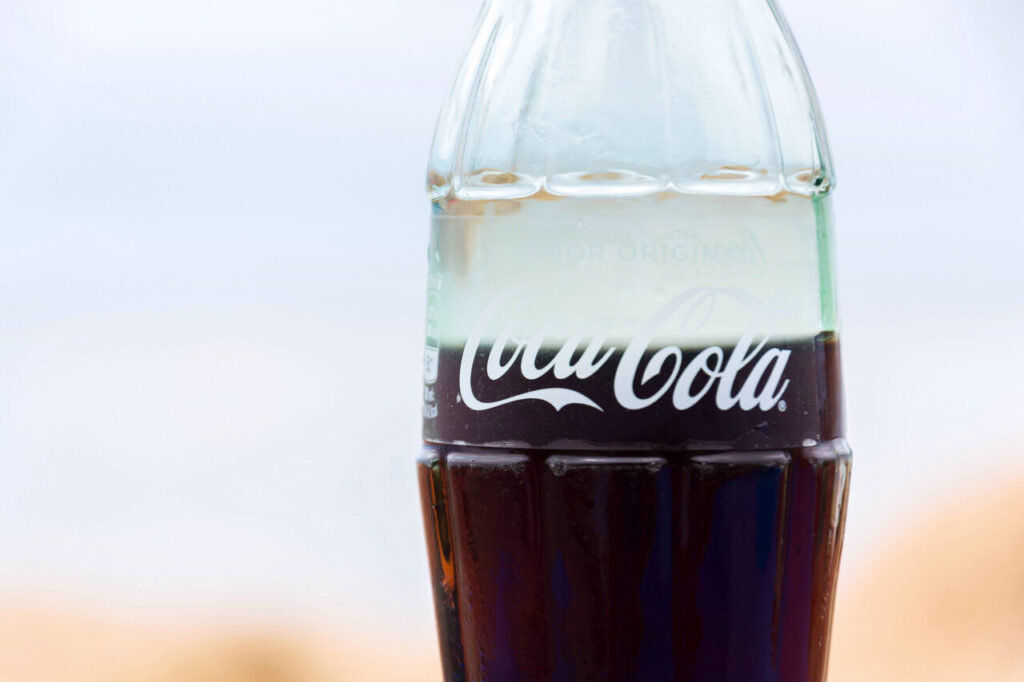
Throwback packaging is evolving into a blend of old and new. Brands are combining nostalgic elements with modern design to stay relevant.
Social media is amplifying this trend by turning retro designs into shareable content that extends beyond store shelves.
Sustainability is also shaping the future. Simpler, vintage-inspired designs often align with eco-friendly packaging goals.
Personalization may grow, allowing brands to tailor nostalgic elements to specific audiences or cultural references.
The future depends on balance. Brands that mix emotional appeal with innovation will succeed, while those relying only on nostalgia may fall behind.