7 Things About Safeway Store Brands Feels Different Now

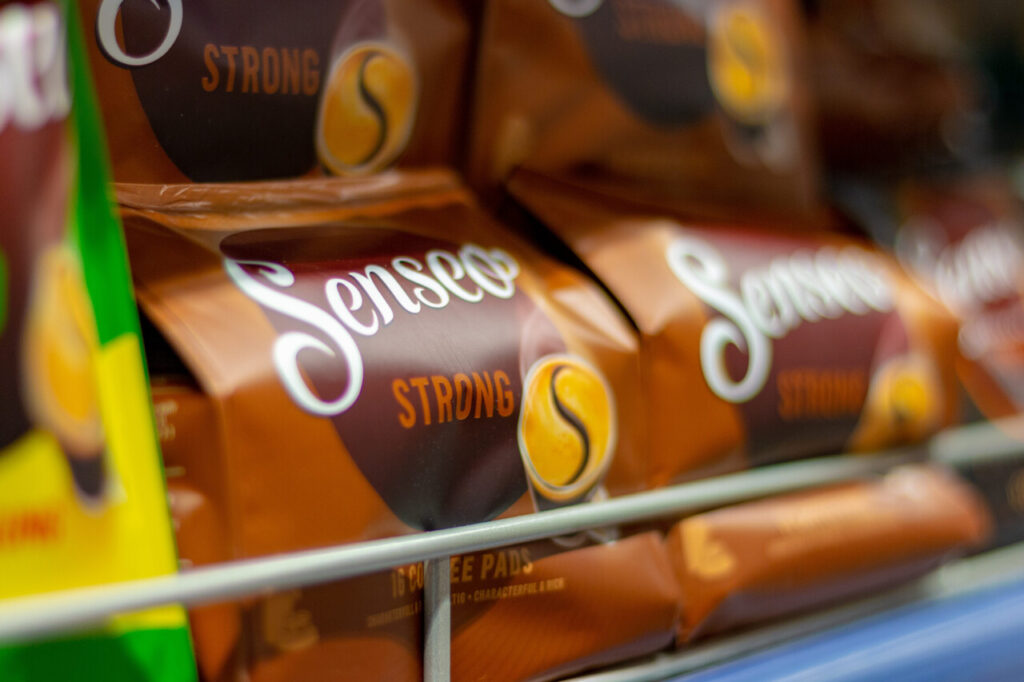
Safeway’s store brands have gone through a noticeable shift, but it is not the kind that happens overnight. It shows up in small ways across the store. A familiar product tastes slightly different, packaging looks more polished, and the same few brand names appear across more shelves than before. At first, it feels subtle. Over time, it becomes harder to ignore.
What is changing is not just the products themselves, but how they are positioned. Store brands are playing a bigger role, with more consistency in branding and a stronger focus on value, health, and shelf presence. At the same time, some shoppers feel that individuality and reliability have shifted along the way.
That mix of upgrades and trade-offs is what makes the difference stand out now.
1. The Quality Shift That Some Shoppers Say They Can Taste

One of the most common changes people notice is in taste and texture. Longtime shoppers often compare current store brand items to older versions and feel something is different. That difference can show up in subtle ways, like a thinner sauce, a softer texture, or a flavor that feels less distinct.
These changes are often tied to cost control. Ingredients may be adjusted, suppliers may change, and recipes can be reformulated to maintain price points. Even small tweaks can alter how a product feels overall, especially for items people buy regularly and know well.
The key issue is familiarity. When a product changes even slightly, it becomes noticeable to repeat buyers. Over time, those small differences shape perception, which is why quality is one of the first things people mention.
2. The Unified Branding That Replaced Older Labels
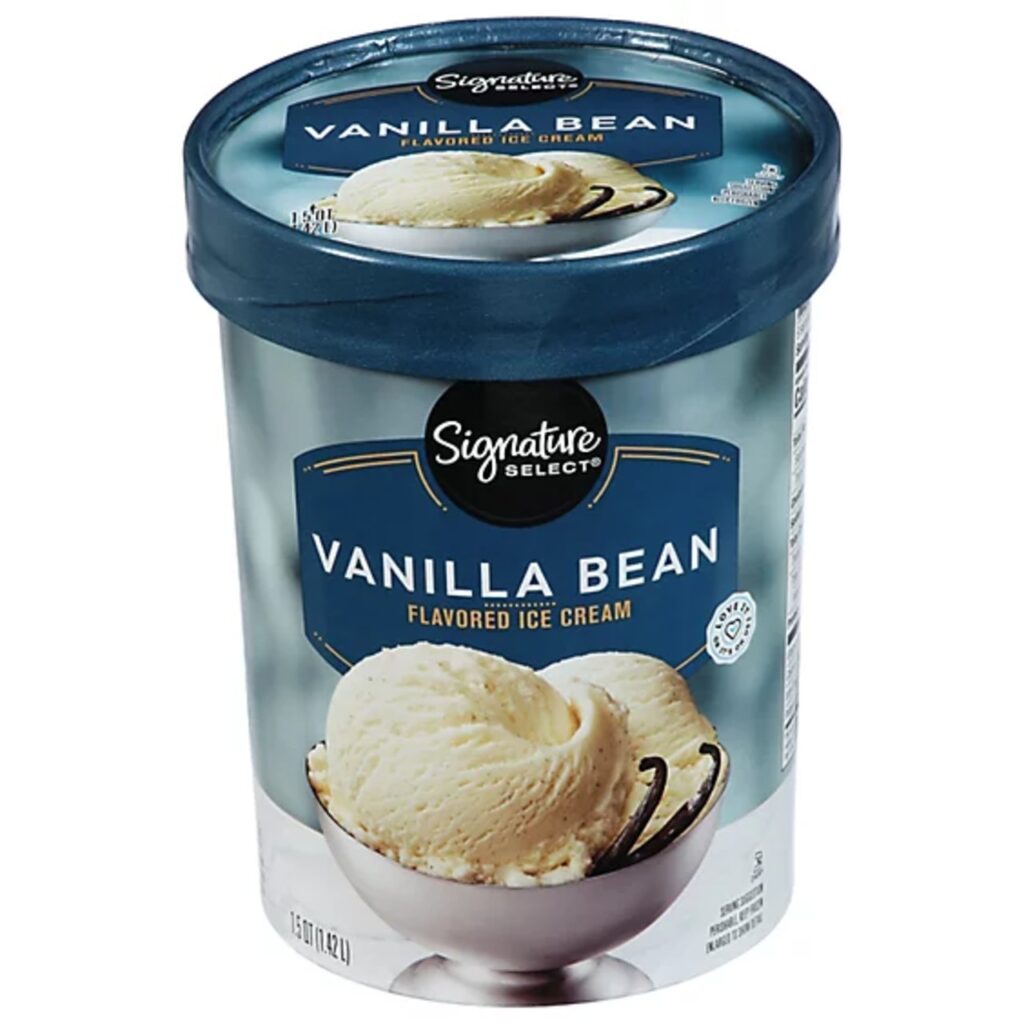
Safeway’s store brands now appear more streamlined, often under shared labels like Signature Select or similar lines. This creates a more consistent look across categories, from snacks to frozen foods.
Brand consolidation helps simplify operations and build recognition. Instead of managing multiple smaller labels, the company can focus on a few core brands. This also makes it easier for shoppers to identify store brand products quickly.
However, this shift also changes how products feel. Older labels often had their own identity, which gave certain items a sense of uniqueness. The newer unified branding trades that individuality for consistency, which some shoppers notice immediately.
3. The More Generic Feel Across Different Products
As store brands expand, many products begin to feel more standardized. This is often the result of using shared suppliers or production methods across multiple items. While this improves efficiency, it can reduce variation between products.
Standardization ensures consistency, but it can also make items feel interchangeable. For shoppers, this can translate into a sense that different products have similar textures or flavor profiles, even when they are in separate categories.
The shift is not always negative, but it changes the experience. Instead of each product feeling distinct, there is a stronger sense of uniformity. That difference is something regular customers tend to pick up on over time.
4. The Value Lines That Feel Less Predictable
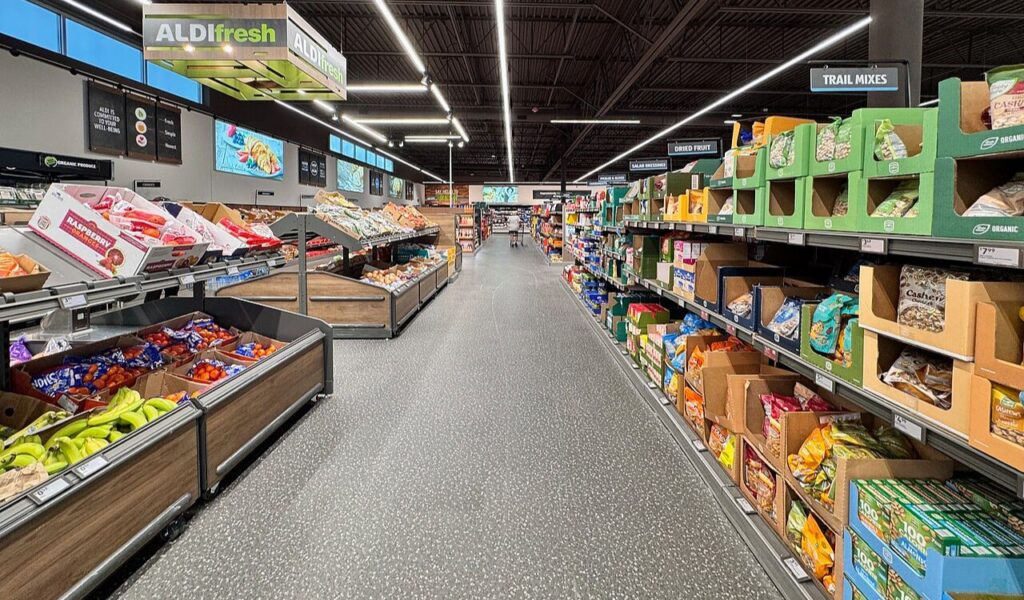
Lower-priced store brand lines are designed to compete with budget options. While they often deliver savings, some shoppers feel the quality can vary more from item to item.
This inconsistency can come from balancing cost and production. Some products perform well within tighter margins, while others may lose some of their original appeal. The result is a mixed experience depending on what you buy.
For customers, this creates a need to learn which items are reliable. Once they identify the stronger products, they tend to stick with them. But the variability itself is what makes the value tier feel different compared to the past.
5. The Packaging That Looks Better but Says Less
Modern store brand packaging has become more polished. Clean designs, bold labels, and consistent color schemes make products look more appealing on the shelf. This visual upgrade is easy to notice.
Design improvements are meant to elevate perception and compete with national brands. A well-designed package can make a product feel more premium, even if the contents remain similar.
At the same time, some shoppers feel that packaging now focuses more on appearance than detailed information. The emphasis shifts toward branding rather than explanation, which changes how people interact with the product at a glance.
6. The Health Focus That Shows Up Across More Products
Safeway has expanded its better-for-you offerings, including organic, natural, and specialty diet products. These items are now more visible across different sections of the store.
This reflects broader consumer demand. Shoppers are paying closer attention to ingredients, sourcing, and nutritional value. Store brands have adapted by offering more options that align with these priorities.
The difference is in availability. What used to be a smaller niche is now a larger part of the store brand lineup. This makes it easier for customers to find products that match specific dietary preferences without switching brands.
7. The Growing Shelf Presence of Store Brands
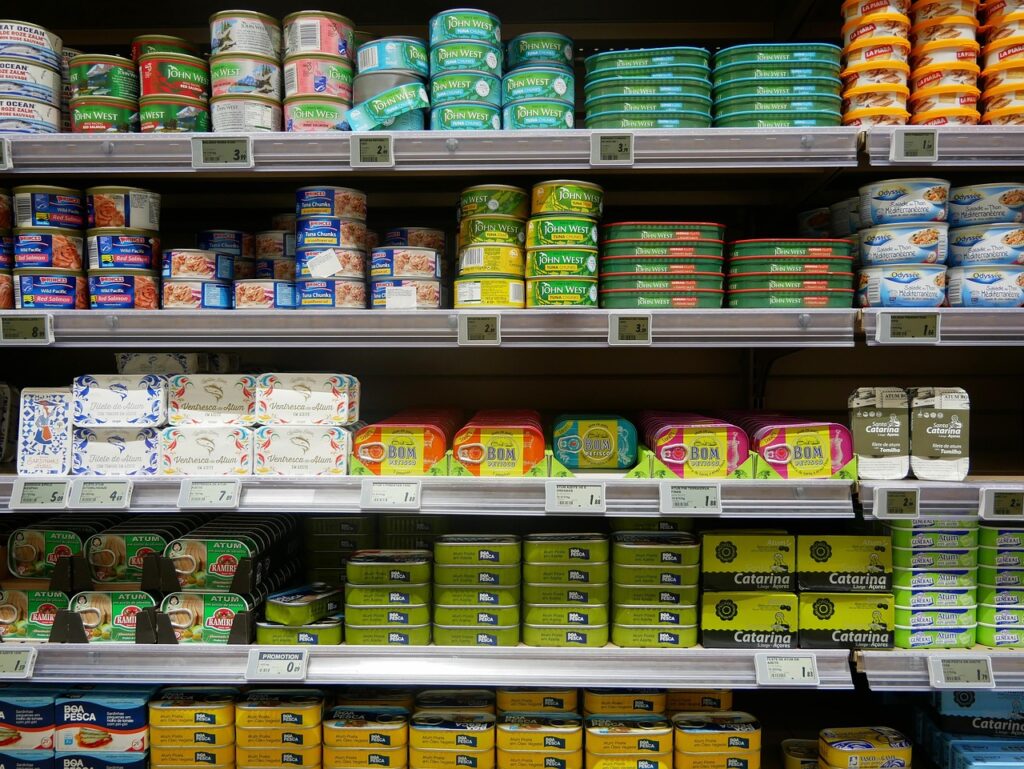
Store brands now occupy more space than they did in the past. In many categories, they sit alongside or even replace national brands, making them more prominent in the shopping experience.
This expansion is driven by margins and control. Retailers earn more from private label products and can manage pricing and supply more directly. Increasing shelf space supports that strategy.
For shoppers, the change is easy to see. There are more store brand options than before, which increases exposure and familiarity. Over time, this presence shapes buying habits, making store brands a more central part of the overall experience.