How Weight Loss Drugs Are Reshaping Restaurant Portion Sizes


For decades, bigger portions were a selling point in American restaurants. Plates arrived overflowing, and value was measured by how much food you could barely finish. Now that formula is shifting. As weight-loss medications like GLP-1 drugs reshape how people experience hunger and fullness, restaurants are noticing real changes in ordering habits. Diners are sharing more, leaving more behind, or opting for lighter meals altogether. In response, chains and independent operators alike are quietly rethinking portion sizes, menu design, and what “value” actually means in 2026.
Why Portion Sizes Are Shrinking at Restaurants
Two seemingly unrelated trends, a surge in prescriptions for weight-loss medications and evolving customer expectations, are quietly rewriting how restaurants think about portion sizes. In recent years, drugs known as GLP-1 receptor agonists have moved from niche medical use into mainstream conversations about weight and appetite. Medications like semaglutide and similar therapies don’t just help people lose weight; they change how hungry they feel, how quickly they get full, and what kinds of foods they crave. For an industry that has long equated generous portions with value, these shifts are nudging leaders in the hospitality sector to take notice.
Restaurants are not adjusting portion sizes solely because of health fads. The data shows real shifts in consumer behavior. Diners on these medications often find that portions that once felt satisfying now leave them overly full or uninterested. Feedback from server staff and restaurant point-of-sale data indicates that some customers are more likely to share dishes, order appetizers instead of main courses, or ask for half portions when available. Chain restaurant executives have told industry outlets that they are increasingly hearing from franchise managers who see these patterns play out week after week. As a result, portion decisions that once centered on ingredient cost and perceived generosity are now also informed by evolving appetite norms shaped by medical treatments.
What Smaller Portions Look Like on the Menu

What exactly changes when portion sizes shrink? In practice, restaurants are making shifts that go beyond simply cutting back on food quantity. Many menus now highlight lighter, more nutrient-dense options with an emphasis on quality over sheer volume. Entrées once served with oversized sides are being reimagined with smaller, more refined accompaniments. A grilled salmon dish might be paired with a modest portion of seasonal vegetables instead of a huge helping of fries, not only reducing calories but also creating a plate that feels balanced and intentional.
This doesn’t mean every restaurant is handing out tiny plates. The approach varies widely. Fast-casual chains experimenting with smaller entrée sizes might offer more customizable options, allowing diners to choose add-ons rather than receiving a fixed, oversized portion. Sit-down restaurants are focusing on plant-forward dishes with moderate protein servings and more emphasis on sides that complement rather than overpower. In both cases, the menu language often reflects these changes: terms like “light,” “balanced,” or “fit” appear more frequently, signaling that restaurants are catering to diners who care about health outcomes just as much as flavor. These adjustments reflect a broader trend toward personalization in dining, where the one-size-fits-all meal is giving way to choices that align with shifting appetites and nutritional goals.
How Diners Are Responding to the Shift
The diner response to smaller portions is a study in contrast and adaptation. Some customers embrace the trend, especially those who feel overwhelmed by traditional restaurant servings or are actively managing their health and weight. These diners appreciate the chance to enjoy eating out without the discomfort of overlarge plates, and they often view smaller, premium meals as better value for what they want and need. For this group, a lighter entrée with thoughtfully chosen ingredients feels more satisfying than a massive plate they feel compelled to finish.
Yet there’s another side to the reaction. A segment of diners, particularly those who associate restaurant dining with indulgence and abundance, perceive smaller portions as a loss of value. They remember the days when a steak dinner came with sides that could feed two, and they chafe at what they see as “less food for the same price.” That sentiment is especially pronounced among customers who eat out socially, where the pleasure of a generous meal is part of the experience. Restaurants are navigating this tension by providing options: some offer larger portions, others smaller ones, and many introduce shareable appetizers and side plates that let groups customize how they eat. Ultimately, customer satisfaction now hinges not just on taste but on aligning portion size with diverse expectations.
How the Industry Is Adapting Beyond Portion Size
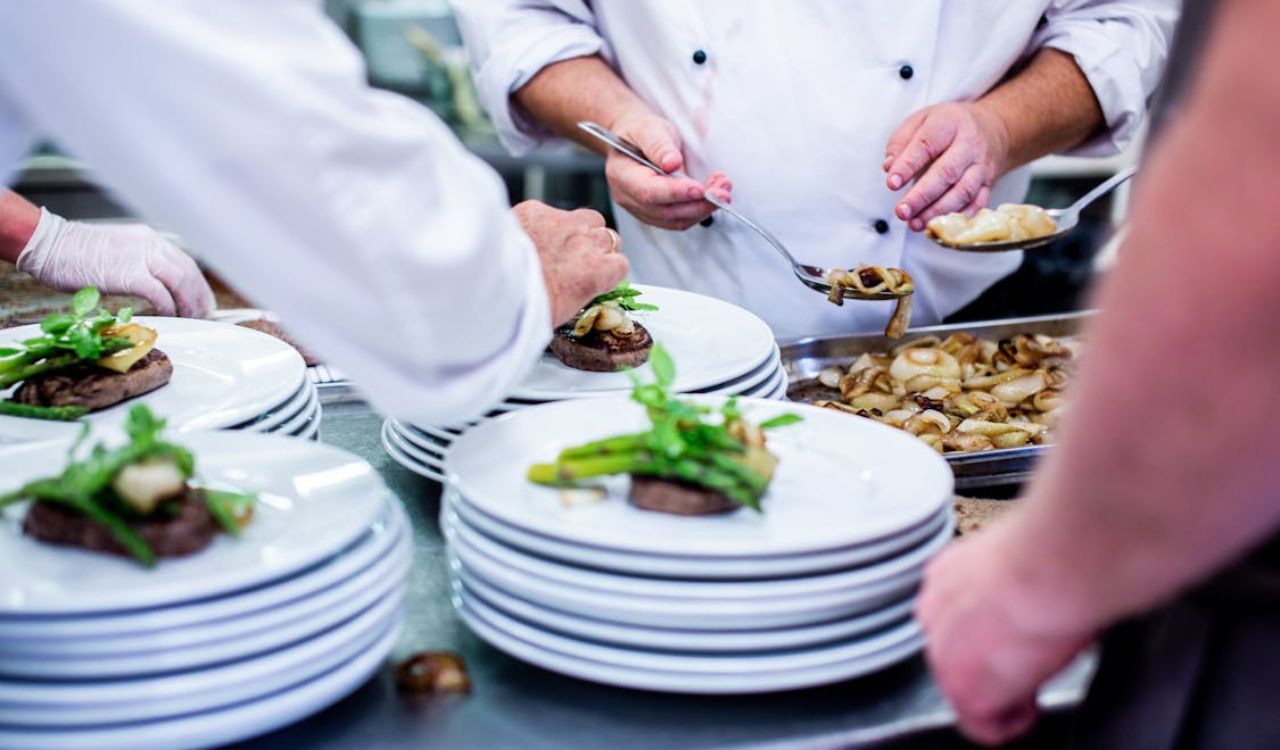
Portion resizing is just one piece of how restaurants are adapting to changing appetite trends. Behind the scenes, operators are reengineering menus to deliver perceived value through composition and creativity rather than sheer bulk. That might mean combining smaller main portions with high-quality ingredients, like grass-fed proteins or chef-selected produce. Presentation becomes more important, too: diners are more likely to feel satisfied when a plate looks vibrant, thoughtfully arranged, and unpretentious. Restaurants are also experimenting with menu sequencing, encouraging patrons to view appetizers and side dishes as integral parts of the dining experience, rather than afterthoughts to a giant main course.
Pricing strategies are shifting accordingly. Instead of tying value strictly to portion size, some restaurants are moving toward tiered pricing or “built your own” meal structures that let customers choose exactly what they pay for. Others are incorporating wellness-oriented language and calorie information to help diners make informed choices at the point of ordering. Marketing is increasingly focused on experience and flavor narratives rather than quantity. For example, a restaurant may promote a “farm-to-table tasting plate” as a curated journey rather than a hefty dinner. The industry’s overarching challenge is balancing profitability with customer satisfaction, crafting menus that appeal to both diners seeking indulgence and those seeking mindful eating.
What This Means for the Future of Eating Out
The influence of weight-loss drugs on restaurant portion sizes is emblematic of a broader evolution in how Americans eat. Dining out used to be dominated by norms of generosity and excess, oversized burgers, towering pasta servings, and dessert portions meant for sharing. Now, as more people embrace personalized health journeys, including medications that affect appetite, restaurants are discovering that the old rules don’t always apply. Customer satisfaction, it turns out, doesn’t necessarily come from the size of the portion but from how well the meal aligns with individual needs and expectations.
Looking ahead, the hospitality industry is likely to continue this trend of flexible portioning, menu engineering, and health-aware design. Restaurants that succeed in the coming years will be those that provide choice and clarity, where customers understand what they’re ordering and why it’s worth the price. That may also mean more transparent nutritional information, more creative menu options that satisfy a range of appetites, and a deeper understanding of how medical and cultural shifts reshape dining preferences. Eating out will remain a social and sensory pleasure, but it will be one increasingly balanced with health, personal goals, and evolving customer values.