14 Store Brand Copycats That Fail to Match the Original

Walk down any grocery aisle, and you’ll see it instantly. Familiar national brands sit right beside store label lookalikes that promise the same experience for less. Sometimes the swap works. Other times it becomes clear that imitation has limits. Flavor balance, texture, ingredient sourcing, and even nostalgia all shape how we judge what lands in our cart. When the difference shows up in the first bite or sip, shoppers notice fast. And that is where brand loyalty quietly rebuilds itself.
1. Store Brand Cola vs Coke and Pepsi
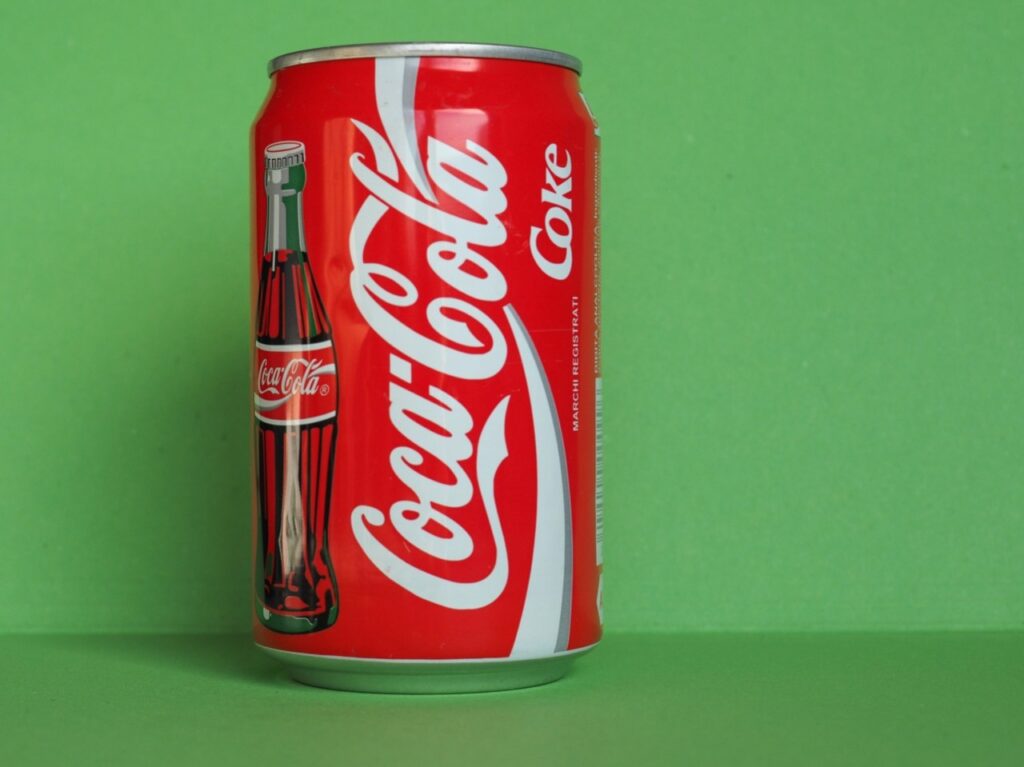
Few products expose the limits of imitation faster than cola. The formula behind leading brands has been refined for more than a century, balancing sweetness, acidity, carbonation, and aroma in a very controlled way. Store brand colas often rely on simpler syrup blends and slightly lower carbonation levels, which changes how the drink feels and tastes from the first sip.
The biggest complaint is flavor depth. Name-brand colas layer caramel notes, citrus oils, and subtle spice undertones that linger. Generic versions can taste flatter, either too sugary or slightly metallic. Even minor differences in phosphoric acid levels or sweetener blends can shift the balance enough for loyal drinkers to notice immediately.
Brand loyalty plays a major role here. Research on private label competition consistently shows that when taste is the primary driver, consumers lean toward originals. Cola is a sensory product. When people expect a certain profile and do not get it, disappointment feels immediate and personal.
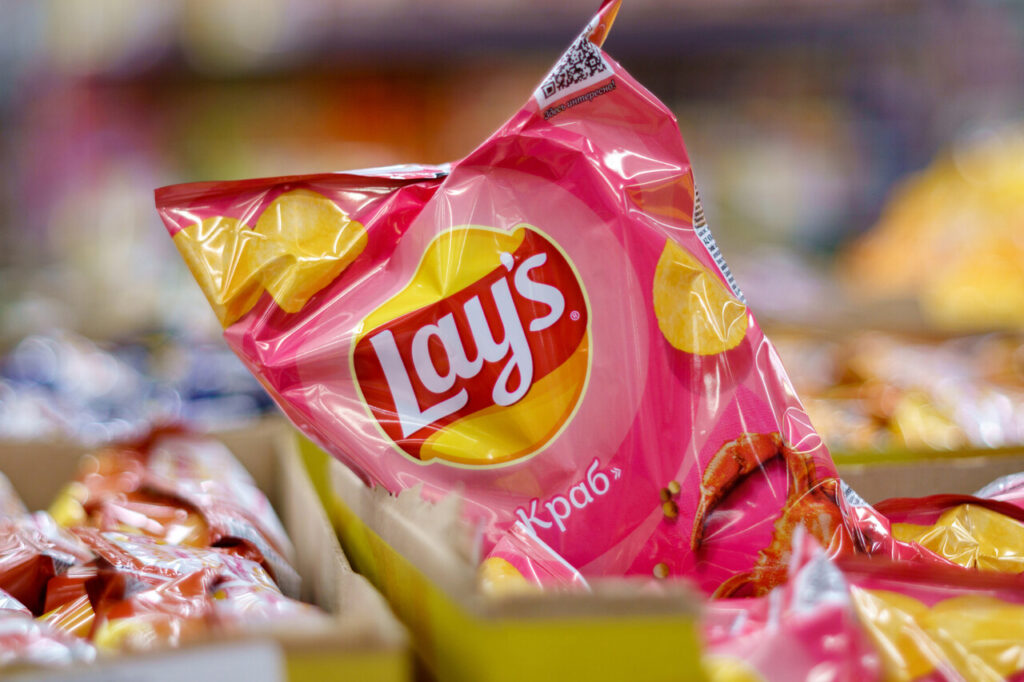
2. Generic Potato Chips vs Lay’s
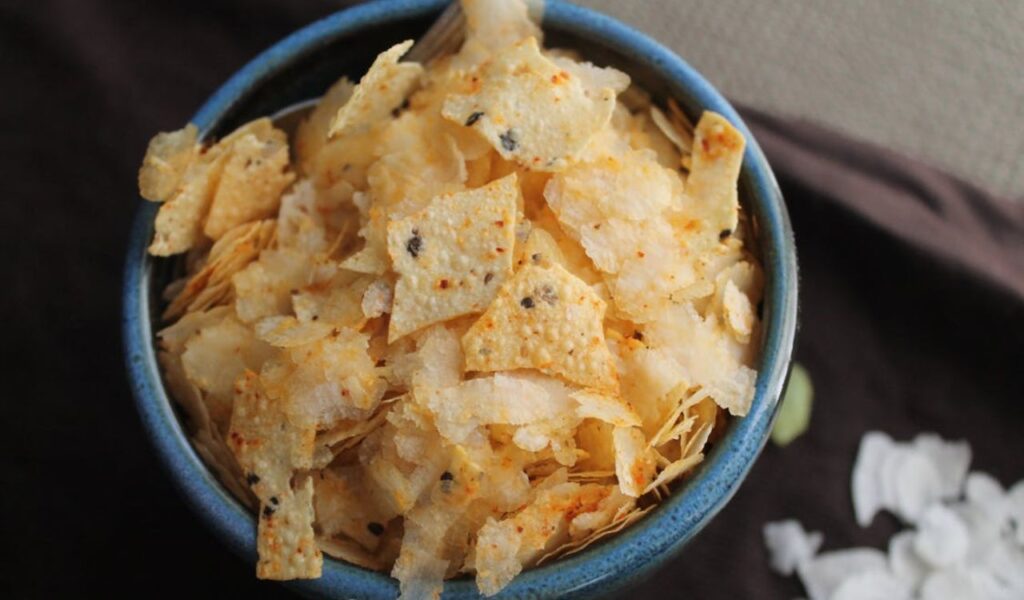
Chips look simple, but the texture is highly engineered. Leading brands control potato variety, slice thickness, frying temperature, and oil quality with precision. Store brands often use mixed potato batches and slightly different fry times, which affects crunch and oil absorption.
Consumers frequently mention uneven seasoning. Original brands invest heavily in flavor coating technology that ensures seasoning adheres evenly. Generic chips may have patches of strong salt and others that feel bland. That inconsistency is what people tend to remember.
There is also a freshness factor. National brands move inventory quickly, meaning product turnover is high. Store brands sometimes sit longer in distribution, which can reduce crispness. For a snack defined by crunch, even a small texture shift changes the entire experience.
3. Imitation Butter Cookies vs Danish Butter Cookies
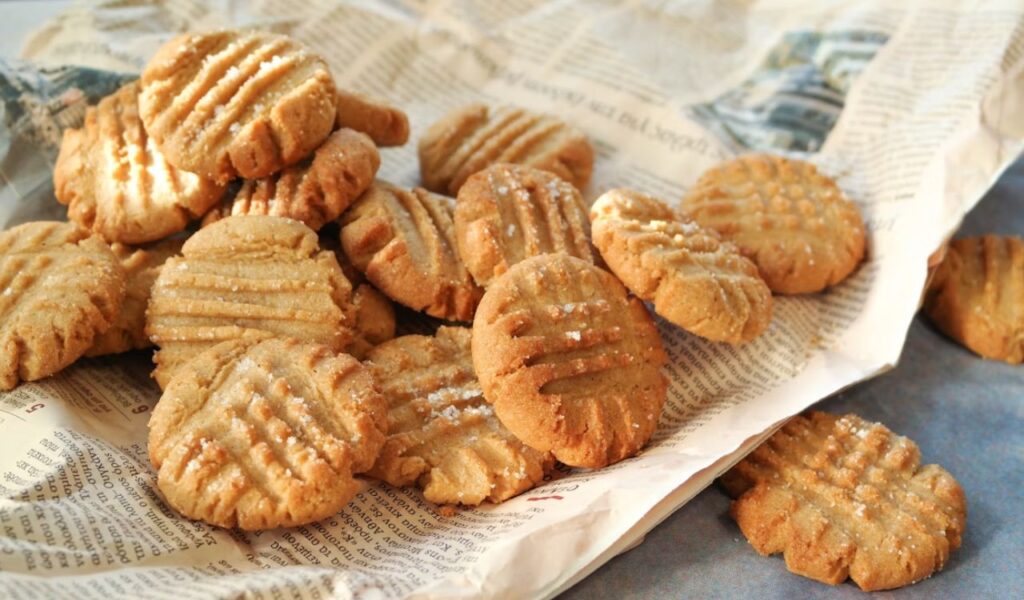
Butter cookies are built on simplicity, which means every ingredient matters. Authentic Danish butter cookies rely on high butter content and precise baking temperatures to achieve a delicate snap and clean finish. Store versions often use more vegetable oil blends to cut costs.
That substitution changes mouthfeel. Instead of a crisp edge that melts smoothly, generic cookies can feel greasy or dense. The aroma also differs. True butter produces a richer scent that signals quality before you even take a bite.
Packaging may look similar, often using familiar tins and classic imagery. Yet consumers quickly notice the difference once opened. With products this minimal, there is nowhere to hide shortcuts in fat quality or baking precision.
4. Store Brand Peanut Butter vs Jif and Skippy

Peanut butter is more technical than it seems. The texture depends on grind size, stabilizers, and oil content. Leading brands fine-tune their grind to achieve a consistent creamy spread that holds together without separating quickly.
Many store brands use simpler formulations. Oil separation can happen sooner, requiring stirring and altering the texture. That can create a thinner spread or a slightly gritty mouthfeel compared to the smoothness people expect.
Taste also matters. Premium brands roast peanuts under tightly controlled conditions, which enhances sweetness and depth. A small shift in roasting time can result in bitterness or a flatter flavor, and frequent peanut butter buyers pick up on that difference right away.
5. Generic Yogurt vs Greek Brand Yogurt
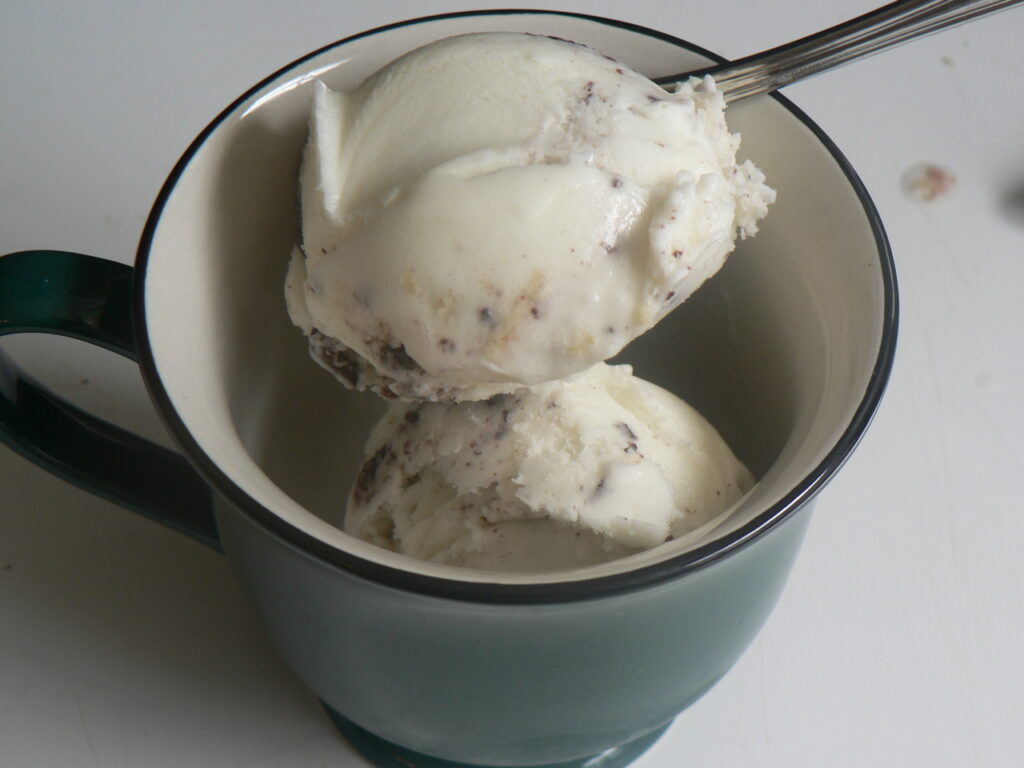
Greek yogurt in particular depends on straining methods that remove whey and concentrate protein. Established brands invest in filtration systems that create a thick, almost velvety texture. Store brands may use shorter straining times or add thickeners to mimic that consistency.
The result can feel different on the spoon. Instead of a dense, creamy product, some generics lean thinner or slightly chalky. Flavor intensity can also be milder, lacking the clean tang that defines authentic Greek-style yogurt.
There is also a nutritional perception gap. Even when protein numbers appear similar on the label, consumers often associate known brands with higher quality milk sourcing and production standards. That perception influences satisfaction beyond just taste.
6. Store Brand Granola Bars vs Nature Valley
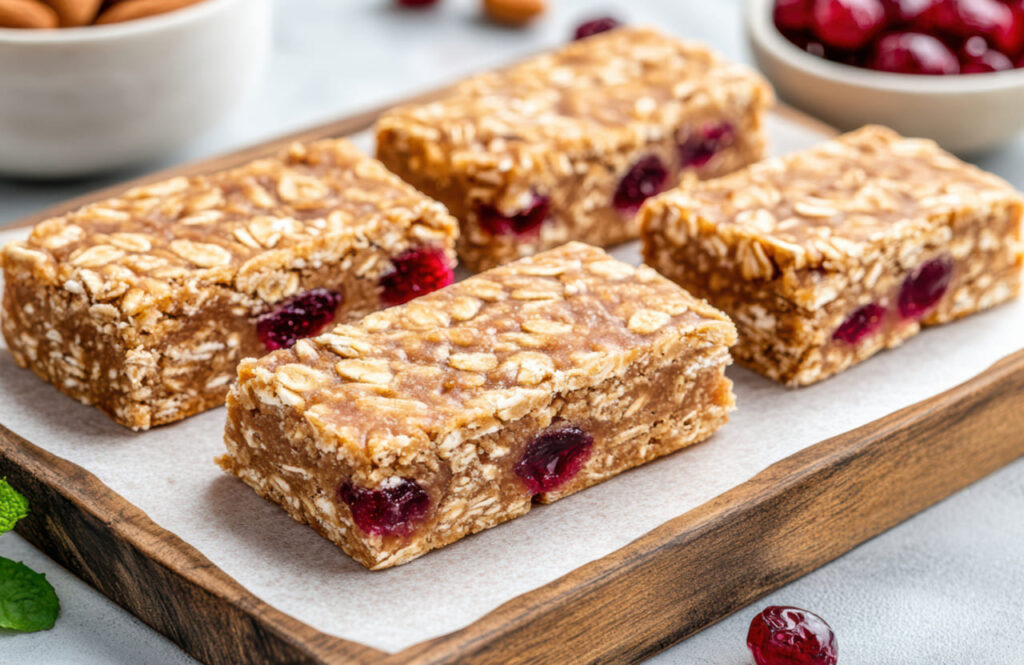
Granola bars walk a tight line between structure and crumble. National brands use binding syrups that hold oats and nuts together without turning the bar sticky. Store brands sometimes miss that balance.
Many consumers report that generic bars break apart easily, leaving crumbs everywhere. That signals a difference in syrup ratio or compression during production. Texture is key. If the bar does not hold together, it feels less satisfying.
Flavor layering also plays a role. Established brands tend to toast oats and nuts carefully to bring out natural sweetness. Copycats may rely more heavily on sugar or flavoring, which can create a flatter overall taste.
7. Generic Frozen Pizza vs DiGiorno
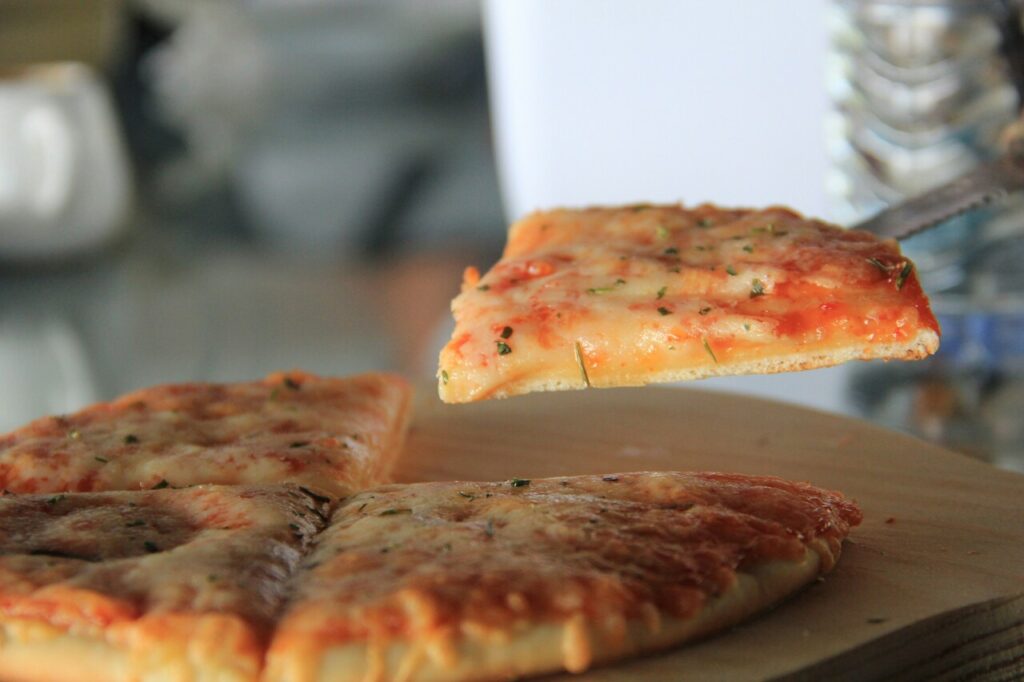
Frozen pizza quality hinges on crust technology. Leading brands invest in dough formulations that rise well in home ovens and crisp properly. Store brands may use simpler dough bases that bake unevenly.
The crust often reveals the difference first. A soggy center or overly dense edge changes the experience completely. Cheese distribution and sauce seasoning can also feel less balanced in generic versions.
Consistency is another factor. Major brands standardize production across facilities to ensure predictable results. Store brands sometimes vary more batch to batch, and that unpredictability reduces trust over time.
8. Store Brand Flour Tortillas vs Mission
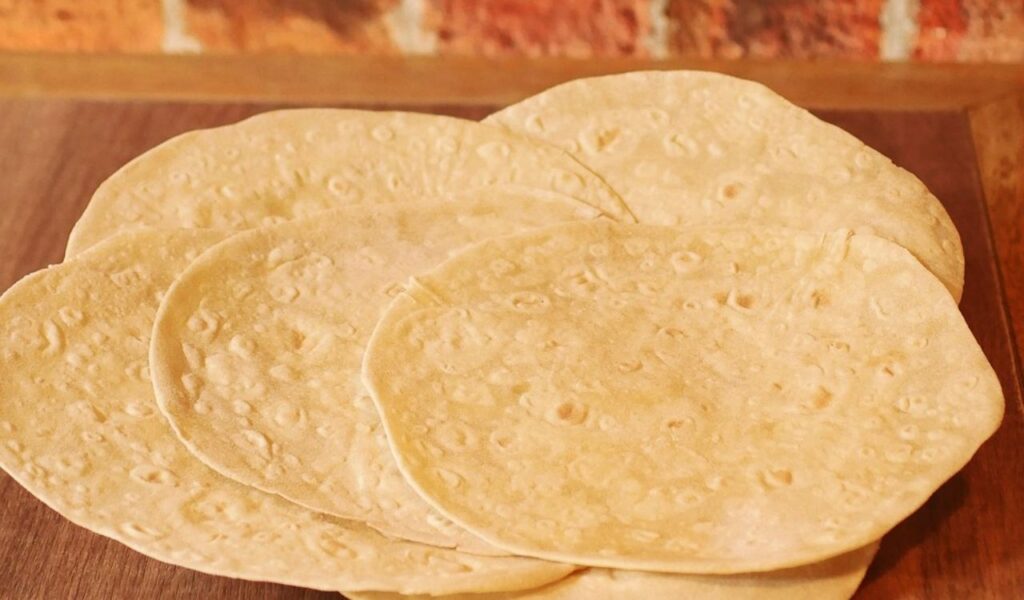
Tortillas appear straightforward, but softness depends on fat ratio and hydration levels. Established brands refine their formula to create pliable tortillas that bend without cracking.
Generic tortillas can feel stiffer or dry out faster once opened. That makes wrapping burritos or tacos more difficult and affects the final dish’s texture.
Shelf life stability also matters. Leading brands often use controlled packaging methods to retain moisture longer. Store brands may not maintain the same softness over several days, which frustrates frequent buyers.
9. Imitation BBQ Sauce vs Sweet Baby Ray’s
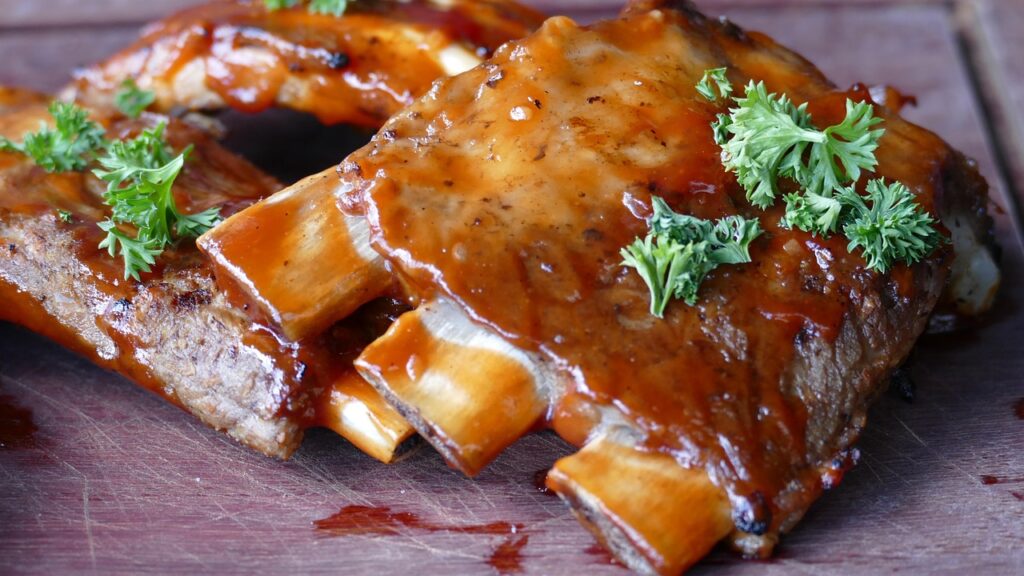
Barbecue sauce is about a balance between sweet, tangy, smoky, and spicy elements. National brands spend years refining that ratio. Store versions sometimes lean too heavily on vinegar or sugar.
Consumers often describe generic sauces as sharper or thinner. Texture matters because a thicker sauce clings to meat better and caramelizes properly when heated.
Flavor depth is also tied to ingredient quality. Molasses, spices, and natural smoke flavors vary in cost. Cutting corners can result in a one-dimensional sauce that lacks the layered taste people expect.
10. Store Brand Fruity Cereal vs Fruity Pebbles
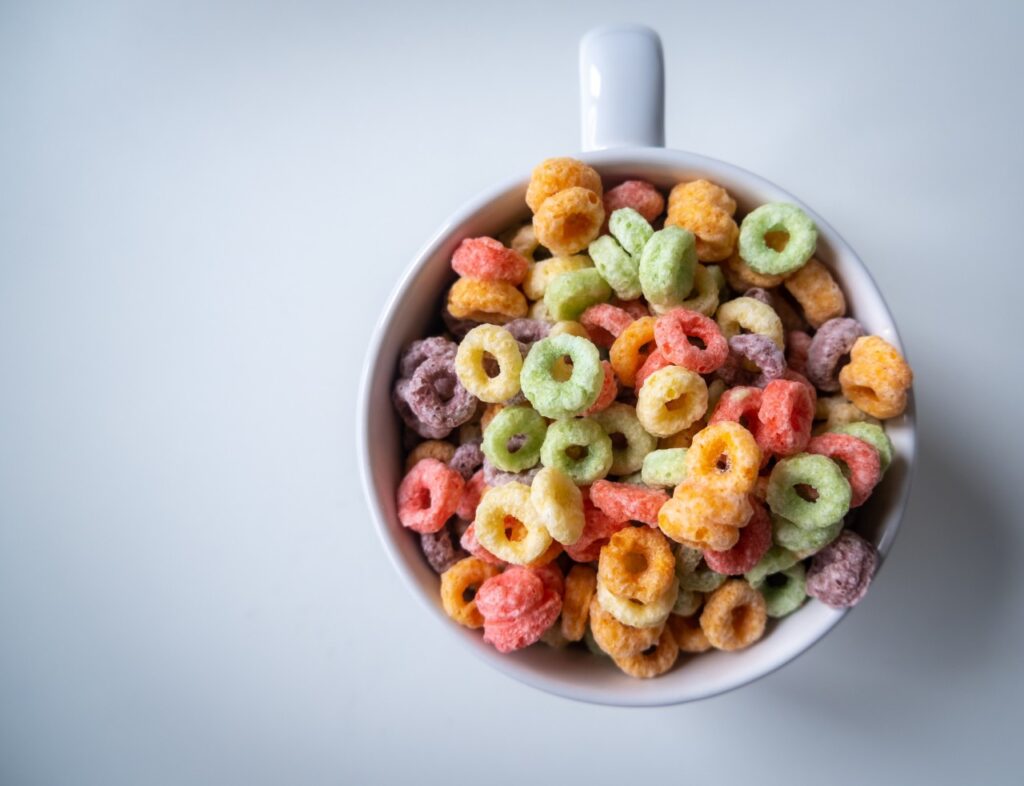
Bright cereals rely heavily on flavor chemistry. Original brands use carefully developed fruit flavor blends that deliver a strong aroma and sweetness.
Generic versions may look identical in color but taste milder or overly sweet without nuance. Texture can also differ, especially in how quickly cereal softens in milk.
Children and adults alike notice this quickly. When the cereal turns mushy too fast or lacks bold flavor, repeat purchases decline, reinforcing the strength of the original brand.
11. Generic Ice Cream vs Ben and Jerry’s

Ice cream texture depends on air incorporation, known as overrun, and fat percentage. Premium brands use higher fat content and controlled churning to create a dense, creamy result.
Store brands may incorporate more air, which makes the product lighter but less rich. That difference becomes obvious with every spoonful.
Mix-ins also matter. Brands known for indulgent flavors include generous chunks and swirls. Generic versions often contain fewer inclusions, which reduces the overall sensory experience.
12. Store Brand Mac and Cheese vs Kraft
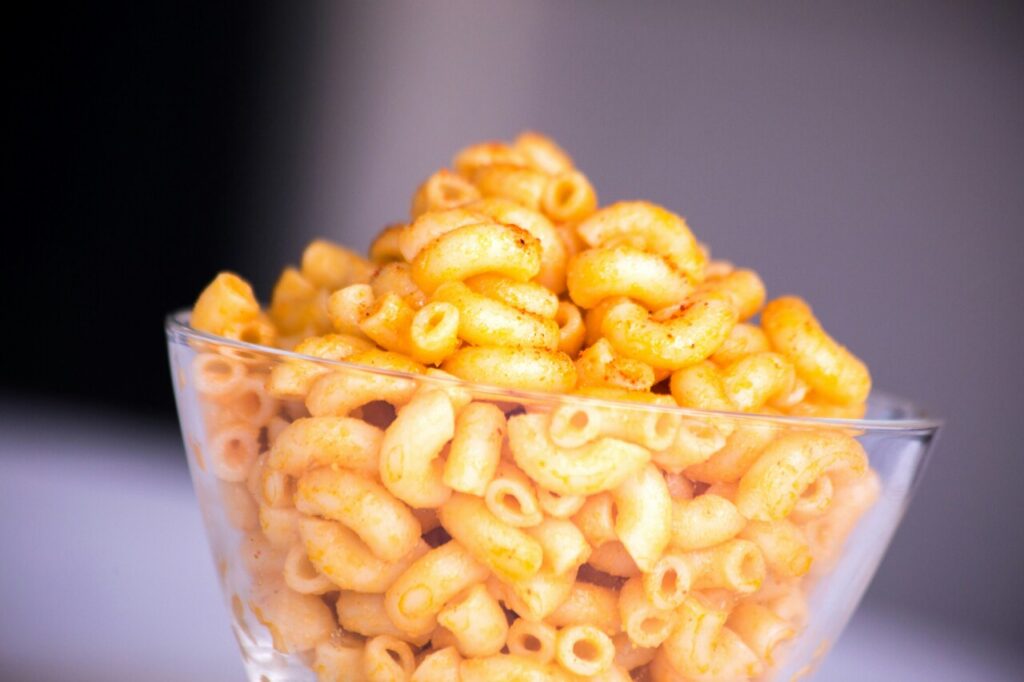
Boxed mac and cheese is built around its powdered cheese blend. The original formula combines dairy solids, color, and seasoning in a specific ratio.
Store brands frequently struggle to match the bright orange color and signature flavor. The sauce may taste thinner or slightly bland once mixed.
Nostalgia adds another layer. Many consumers grew up with a specific taste profile. When a generic version feels even slightly off, the emotional comparison amplifies the difference.
13. Generic Bottled Water vs Premium Brands

Water may seem interchangeable, yet mineral composition affects taste. Premium brands often highlight natural spring sources with specific mineral balances.
Store brands typically use purified municipal water that is filtered and treated. While safe and clean, it may lack the subtle mineral taste that some consumers prefer.
Perception drives much of the preference here. Packaging, branding, and perceived purity influence satisfaction, even if laboratory differences are small.
14. Store Brand BBQ Chips vs Branded BBQ Chips
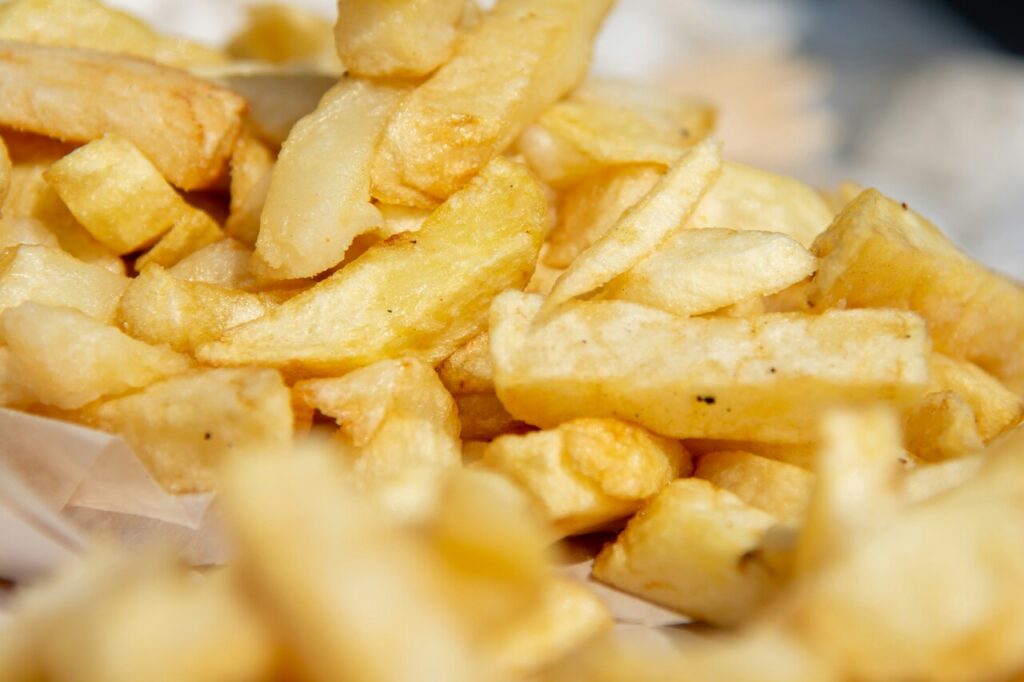
Barbecue chips depend on seasoning blend precision. Leading brands test spice ratios extensively to achieve a smoky sweetness that feels bold but balanced.
Generic versions often underdeliver on flavor intensity. Some taste overly salty while others feel muted, missing that signature barbecue kick.
Texture can also differ. Slight variations in slice thickness and frying oil quality affect crunch. When both flavor and crunch fall short, consumers quickly return to the original.