11 Costco Buys You’re Stocking All Wrong


Costco shopping feels like winning before you even get home. Oversized carts, bulk deals, and pantry-stretching quantities promise savings, convenience, and fewer grocery runs. But the real mistake often happens after the receipt is printed. Many of the most popular Costco buys are quietly ruined by the way they’re stored, portioned, or ignored once they cross the kitchen threshold. The issue isn’t the products themselves. It’s treating bulk food like regular groceries. Understanding how these items behave once exposed to air, light, heat, or moisture makes the difference between smart stocking and silent loss.
1. Rotisserie Chicken
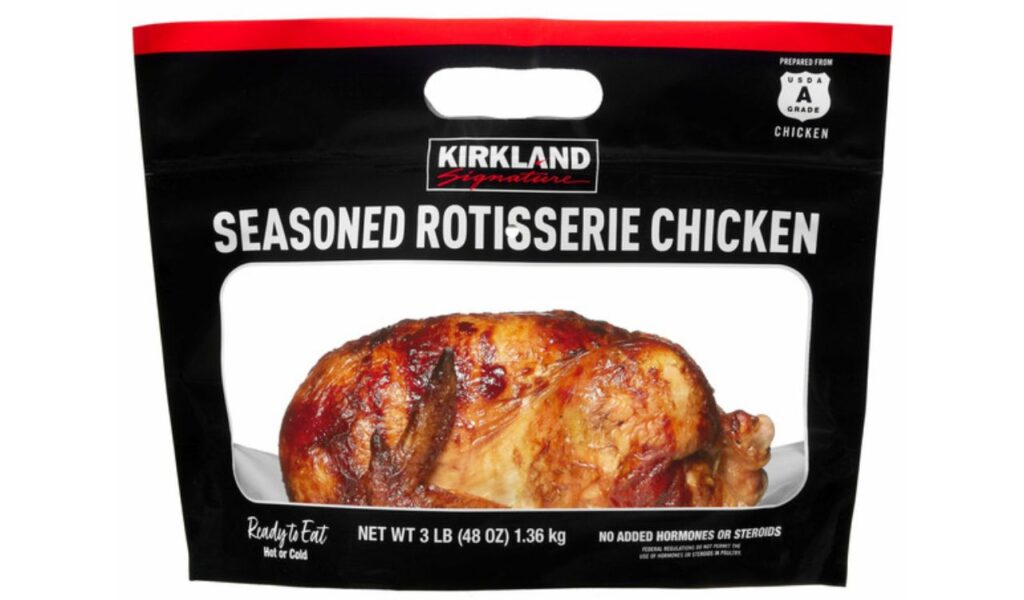
The rotisserie chicken feels foolproof because it is already cooked, warm, and ready to eat. That convenience is exactly why many people store it wrong. Leaving the chicken whole in its plastic container traps steam, which quickly turns the skin rubbery and dries out the meat underneath. The smart move is breaking it down while it is still slightly warm. Separating breast, thighs, wings, and carcass allows moisture to stabilize and cool evenly. The bones can be frozen for stock, while meat portions stay fresher longer. Stored properly in airtight containers, the chicken becomes a flexible ingredient for salads, soups, and wraps instead of a soggy leftover you forget about by day three.
2. Bulk Bread and Bagels

Bulk bread feels like a deal until mold shows up faster than expected. Costco bread is often made with fewer preservatives, which improves flavor but shortens shelf life. Leaving extra loaves on the counter exposes them to air and humidity that encourage mold growth within days. Refrigeration is not ideal either, as it dries bread out and dulls texture. Freezing is the correct solution. Slicing before freezing allows you to remove only what you need without thawing the entire loaf. Bread frozen properly retains structure and flavor far better than bread left to stale. Stored this way, bulk bread becomes a long-term convenience rather than a recurring waste problem.
3. Large Bags of Rice
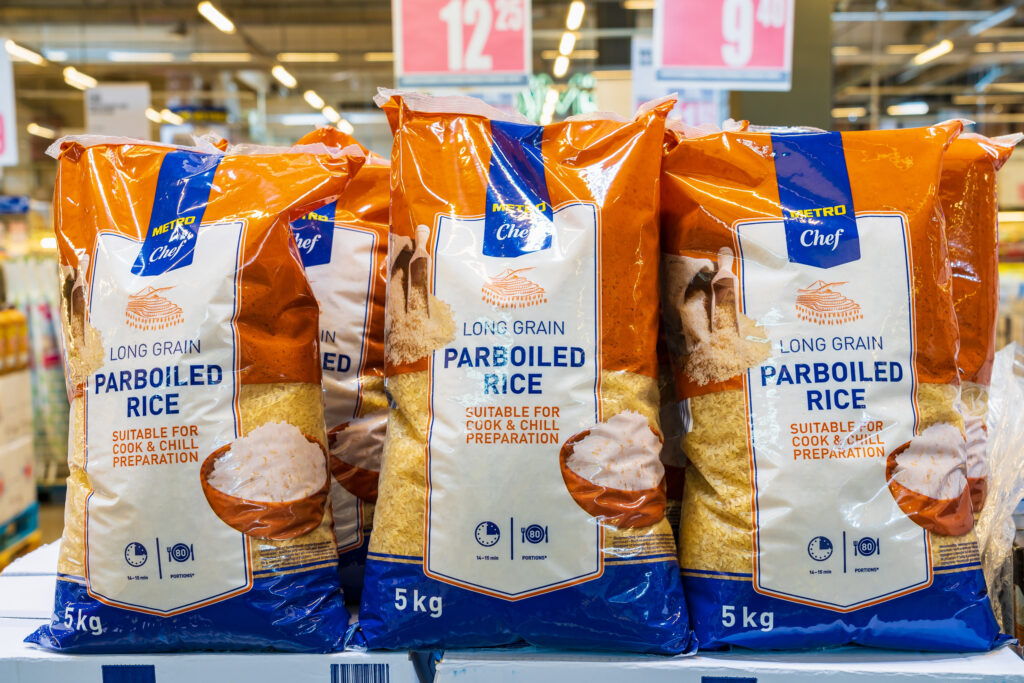
Rice seems shelf-stable, but bulk bags introduce risks many people overlook. Thin packaging allows air, moisture, and pantry pests to enter easily. Even if bugs are not visible, oxidation slowly degrades flavor and aroma. White rice can last for years under proper conditions, but only if sealed tightly. Transferring rice into airtight containers immediately after purchase protects it from contamination. Brown rice is even more sensitive due to its natural oils, which can turn rancid quickly at room temperature. Refrigeration or freezing extends its life significantly. Proper storage preserves quality and prevents the unpleasant surprise of opening a bag that smells stale or worse.
4. Giant Cheese Blocks
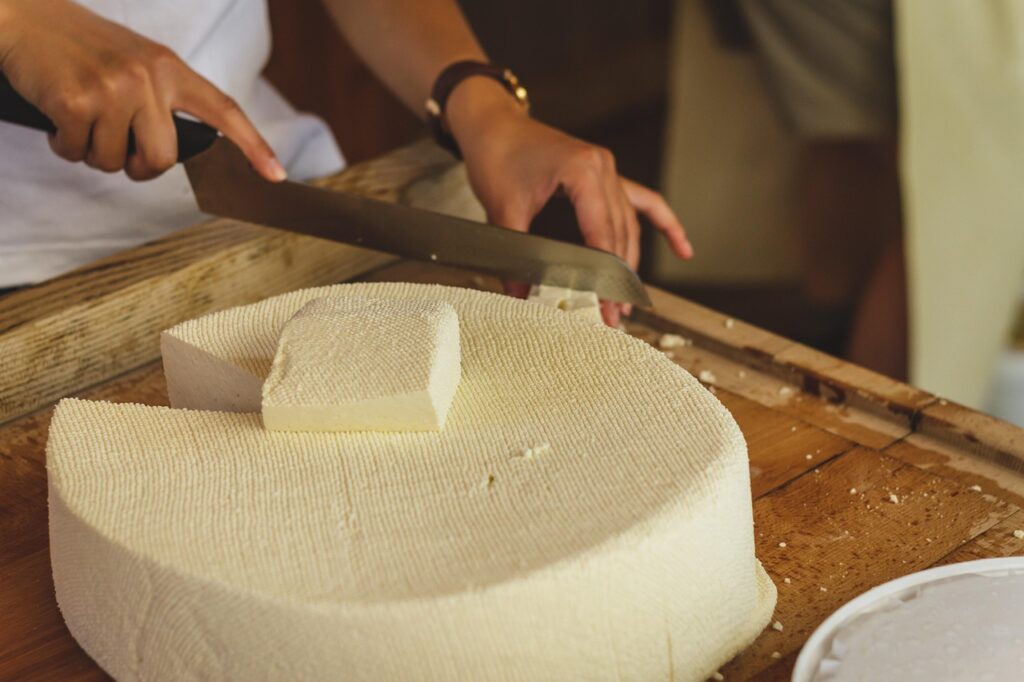
Large blocks of cheese are cost-effective, but improper storage ruins them fast. Wrapping cheese loosely in plastic traps moisture in some spots and dries out others, encouraging mold growth and texture loss. Cheese needs to breathe slightly while staying protected. Cutting large blocks into smaller portions reduces exposure each time you open them. Wrapping portions in cheese paper or parchment, followed by a loose outer wrap balances airflow and moisture. Stored this way, cheese maintains flavor and consistency far longer. What should be a long-lasting staple instead of a race against mold becomes a reliable fridge essential.
5. Big Jars of Nuts
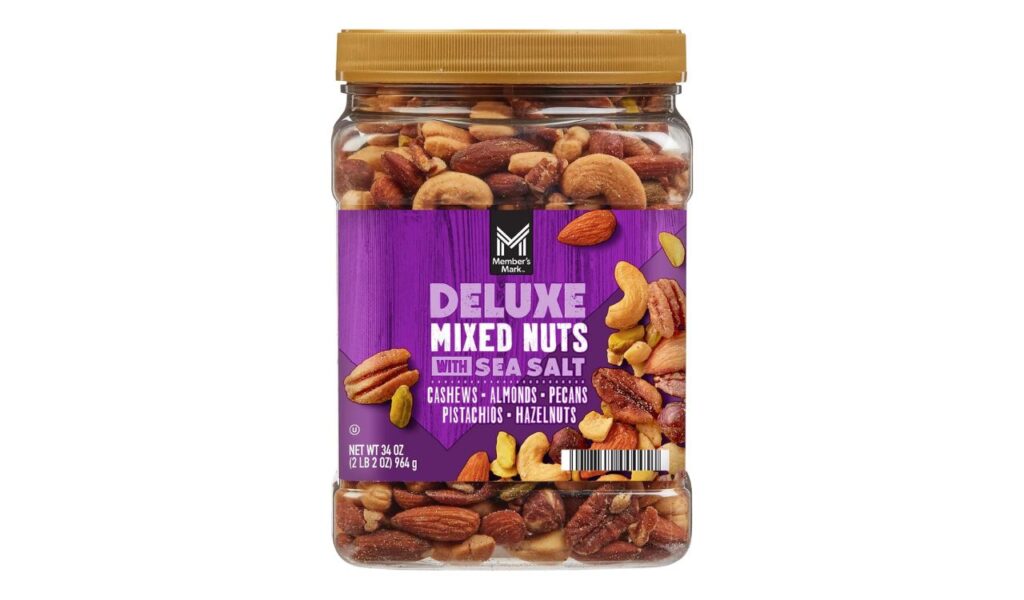
Nuts are rich in healthy fats, and those fats are fragile. Heat, light, and oxygen cause oils to oxidize, leading to rancid flavors that many people mistake for natural bitterness. Storing large jars of nuts in a warm pantry speeds up this process. Refrigeration slows oxidation dramatically, while freezing preserves freshness for months. Nuts stored cold retain crunch and flavor without changing texture once thawed. Because bulk containers are opened frequently, proper storage matters even more. Treated correctly, nuts remain a nutritious snack instead of an expensive disappointment. Even a few weeks of poor storage can permanently dull their flavor and aroma.
6. Frozen Berries
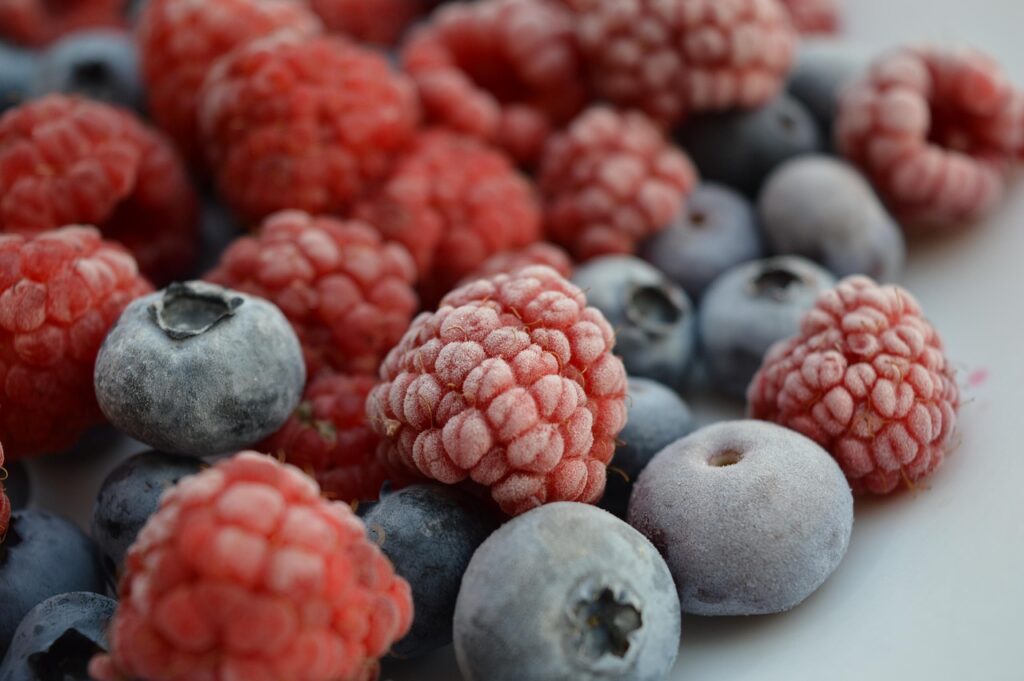
Frozen berries seem safe from spoilage, but repeated exposure to air causes freezer burn and clumping. Opening the bag multiple times allows moisture to refreeze unevenly, damaging texture. Portioning berries into smaller freezer-safe containers or bags reduces exposure and prevents waste. Properly stored berries maintain shape and flavor better when used for smoothies, baking, or sauces. While texture will never fully match fresh fruit, good storage preserves quality far better than constantly reopening one large bag. This small step keeps frozen fruit usable rather than icy and bland. It also prevents excess ice crystals from watering down recipes.
7. Family-Size Olive Oil

Olive oil degrades faster than most people realize. Heat, light, and air break down flavor compounds and antioxidants. Storing a large bottle near the stove exposes it to constant temperature changes and light. The better approach is decanting oil into a smaller bottle for daily use while keeping the main container sealed in a dark, cool space. This limits oxygen exposure and preserves flavor longer. Rancid olive oil does not just taste flat. It loses nutritional benefits as well. Proper storage protects both quality and value. Fresh-tasting oil makes a noticeable difference in simple dishes. Once oil turns rancid, no cooking technique can bring its flavor back.
8. Bulk Spices
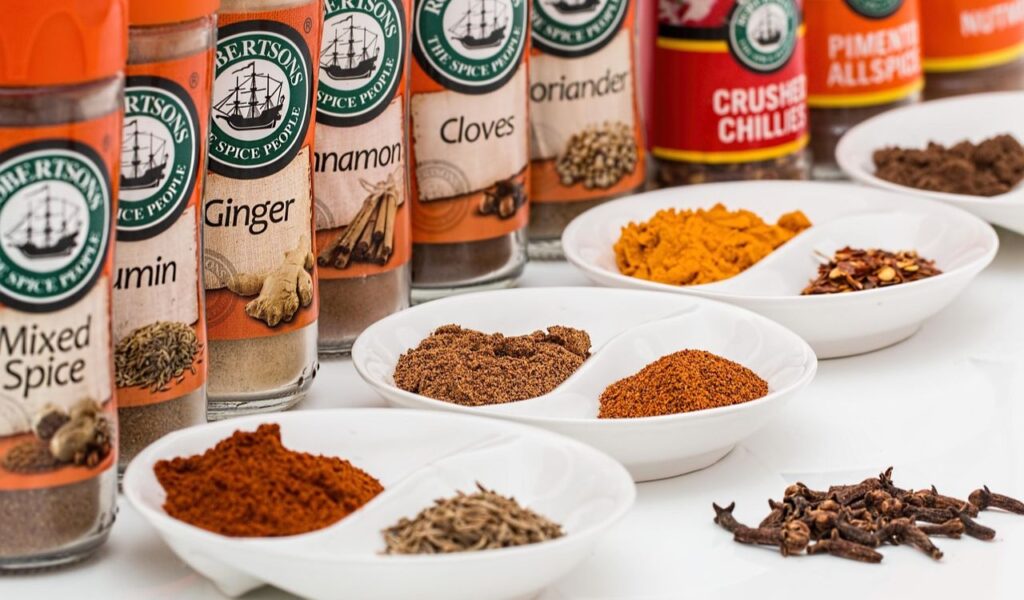
Spices lose potency over time, not because they expire, but because volatile oils evaporate. Buying large containers only makes sense if storage is handled correctly. Heat and light accelerate flavor loss, especially when jars sit near the stove. Dividing spices into smaller airtight containers reduces exposure each time they are opened. Storing them in a cool, dark cabinet preserves aroma and strength. Without these steps, bulk spices become dull powders long before they are used up. Correct storage keeps meals vibrant instead of bland. Stronger spices also mean you use less overall. Weak spices often lead to over-seasoning without actually improving flavor.
9. Huge Packs of Bacon
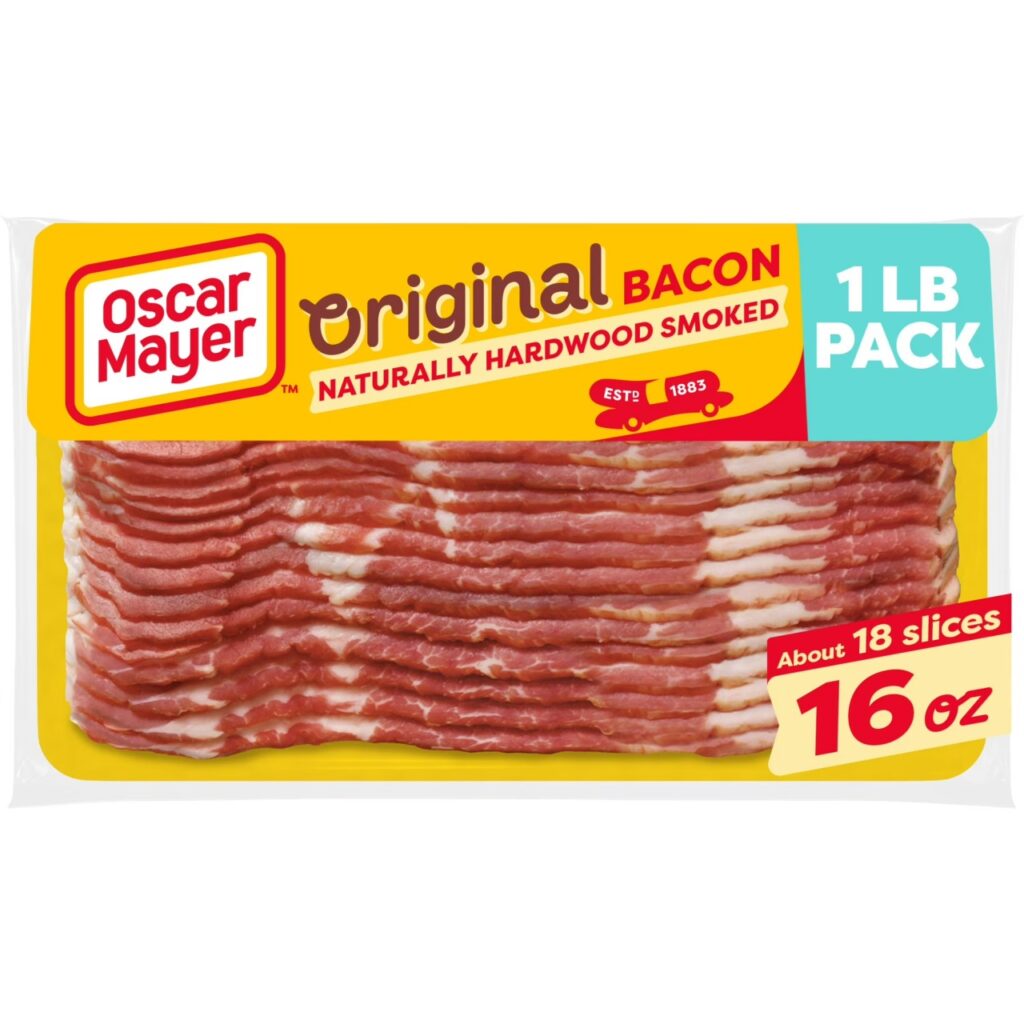
Bacon is cured, but it is not immune to quality loss. Once opened, exposure to air accelerates oxidation and drying. Leaving a full pack in the fridge often leads to uneven texture and off flavors. Portioning bacon into smaller packs and freezing them prevents waste. Frozen bacon thaws quickly and cooks nearly the same as fresh. Proper portioning also makes weekday cooking easier. Instead of forcing yourself to use an entire pack, you only take what you need. Storage transforms bacon from a pressure item into a flexible ingredient. It also prevents last-minute cooking just to avoid spoilage. This approach saves both money and fridge space over time.
10. Mega Snack Boxes
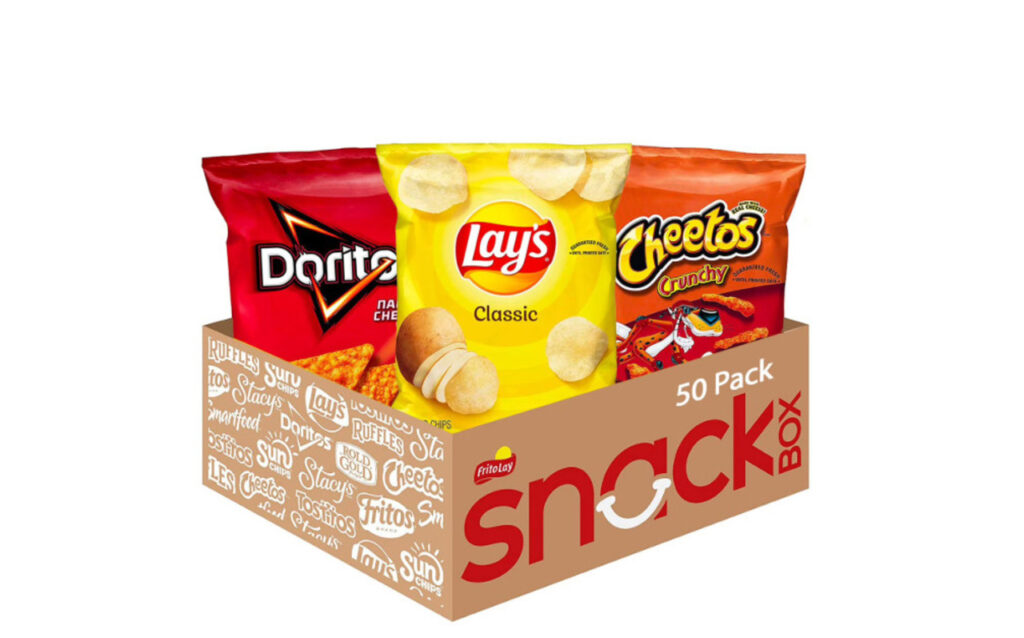
Snack variety packs feel convenient, but once opened they invite staleness. Different snacks absorb moisture and odors at different rates, especially when stored together. Leaving open bags in the box leads to limp chips and muted flavors. Transferring snacks into airtight containers keeps them fresh and prevents flavor transfer. Clear containers also make it easier to track what is actually being eaten. This approach reduces waste and keeps snacks enjoyable rather than disappointing halfway through the box. It also helps stop half-eaten bags from disappearing into clutter. Better visibility often leads to fewer forgotten snacks going stale.
11. Large Bags of Flour
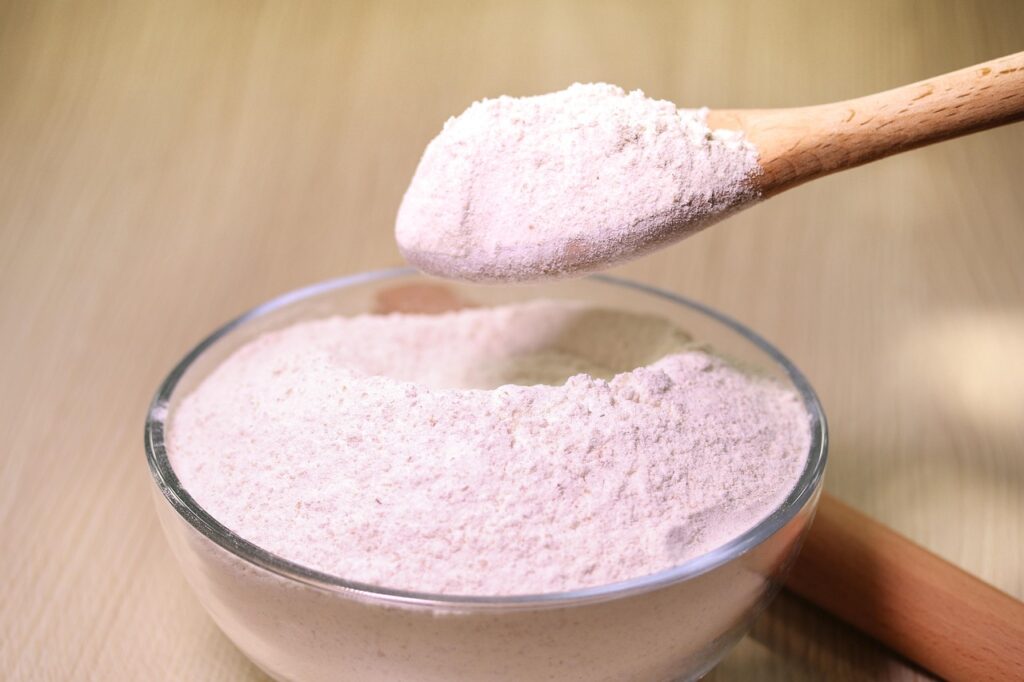
Flour seems stable, but it is highly absorbent. It picks up odors and moisture from the environment, leading to off flavors and clumping. Pantry storage also increases the risk of pests. Freezing flour for a few days after purchase kills insect eggs, while airtight storage protects it long-term. Properly stored flour retains baking performance and flavor. What looks like a dry ingredient actually benefits greatly from careful handling. Good storage ensures baked goods taste clean and consistent instead of musty or flat. Fresh flour makes dough behave more predictably. Even small storage improvements can noticeably improve baking results.