12 Dishwasher Hacks That Do More Than Clean Plates

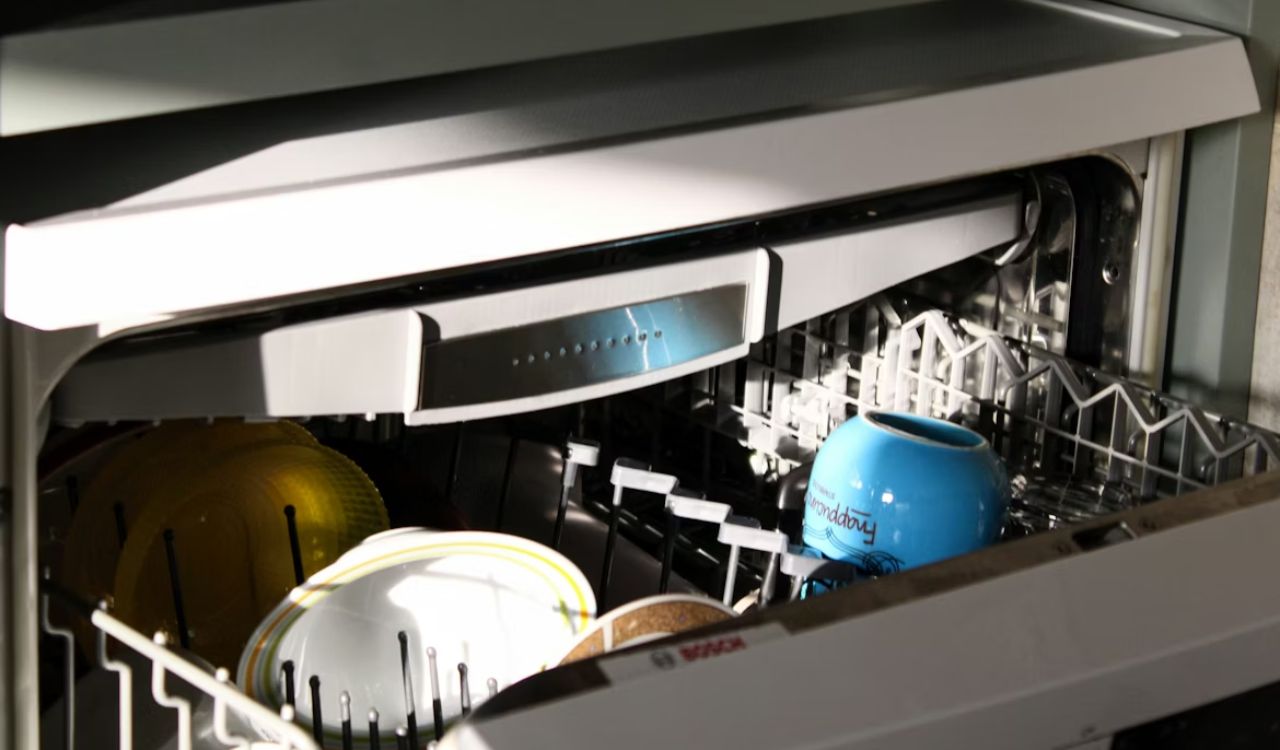
Most people load a dishwasher, press start, and think no further about what the machine can do. Yet beyond plates and glasses, this everyday appliance quietly offers heat, water pressure, and sanitation that can benefit many parts of the home. When used thoughtfully, a dishwasher can refresh items that collect grime, odors, or bacteria through daily use. These lesser known tricks save time, reduce hand washing, and improve hygiene without extra tools or products. From kitchen accessories to household basics, the dishwasher can handle more than expected. The hacks below show how to get extra value from an appliance already built for thorough cleaning.
1. Cleaning Plastic Kitchen Tools
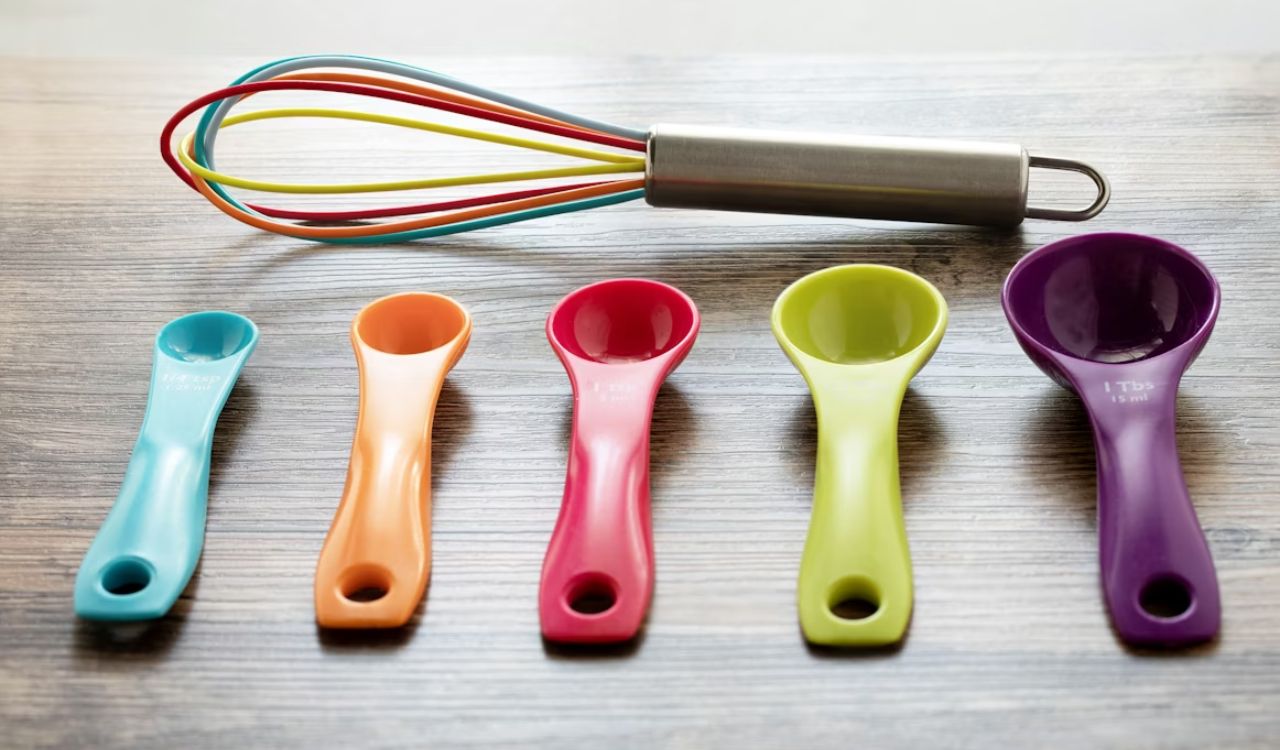
Plastic kitchen tools like spatulas, measuring cups, and cutting boards can trap grease and odors that normal rinsing leaves behind. Placing them on the top rack of the dishwasher exposes them to steady heat and detergent that break down residue more effectively than hand washing. The spray reaches seams, grooves, and textured surfaces where bacteria often hide. Using the top rack prevents warping, and skipping heated drying protects thinner items. This method refreshes tools evenly, improves kitchen hygiene, and reduces scrubbing time while extending the usable life of everyday plastic essentials.
2. Sanitizing Sponges and Scrub Brushes
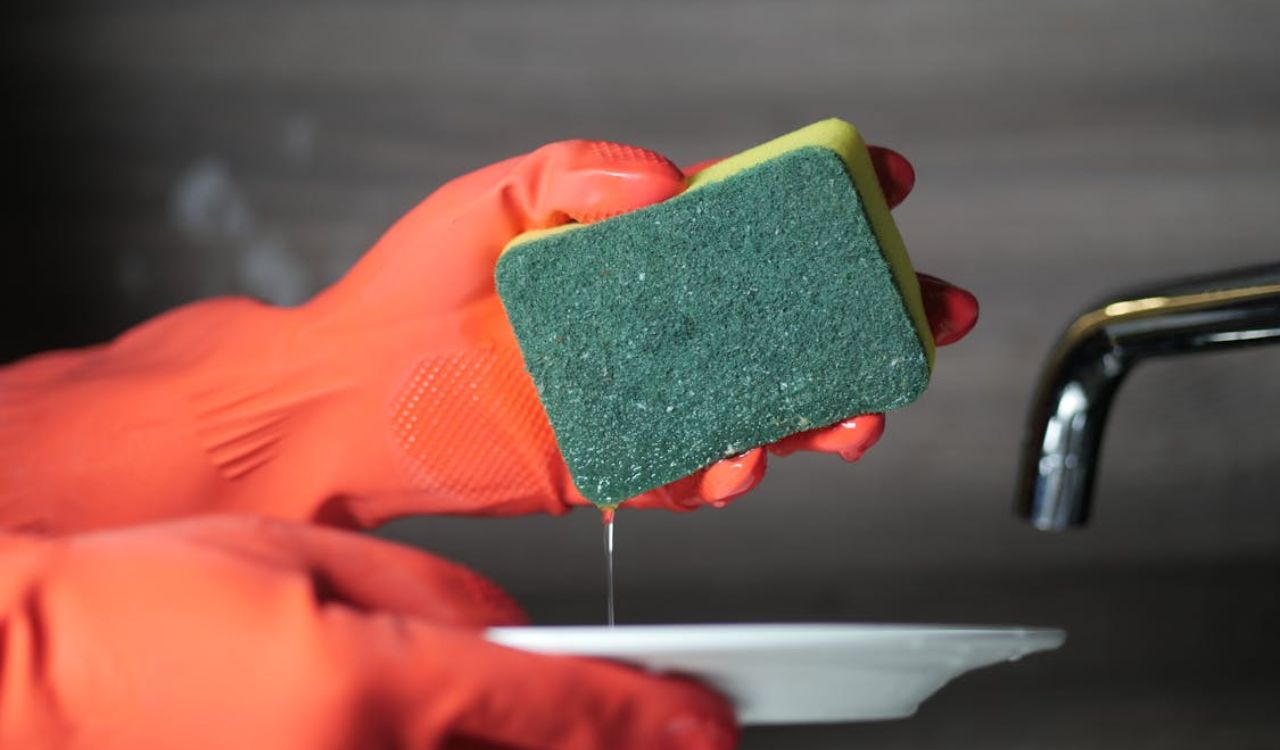
Kitchen sponges and scrub brushes collect bacteria quickly, even when they look clean. Running them through a dishwasher cycle exposes them to sustained heat and water pressure that help reduce germs and lingering odors. Sponges should be placed on the top rack, while brushes should face bristles downward so water flows through completely. This method does not replace regular replacement, but it improves cleanliness between changes. Compared with simple rinsing, dishwashing sanitizes more evenly and limits bacteria transfer around sinks and counters, making routine cleaning safer and more effective.
3. Washing Refrigerator Shelves and Drawers

Refrigerator shelves and drawers collect spills that harden and become difficult to remove with basic wiping. Many removable glass shelves and thicker plastic bins are dishwasher safe and can be placed securely on the bottom rack. A gentle cycle allows warm water to reach corners, edges, and seams that are often missed by hand cleaning. Skipping heated drying helps prevent cracking, clouding, or warping over time. This method reduces the need for strong chemical cleaners and heavy scrubbing. Always check the appliance manual first, but when approved, dishwasher cleaning makes refrigerator maintenance faster, more consistent, and far less frustrating overall.
4. Cleaning Vent Covers and Range Hood Filters
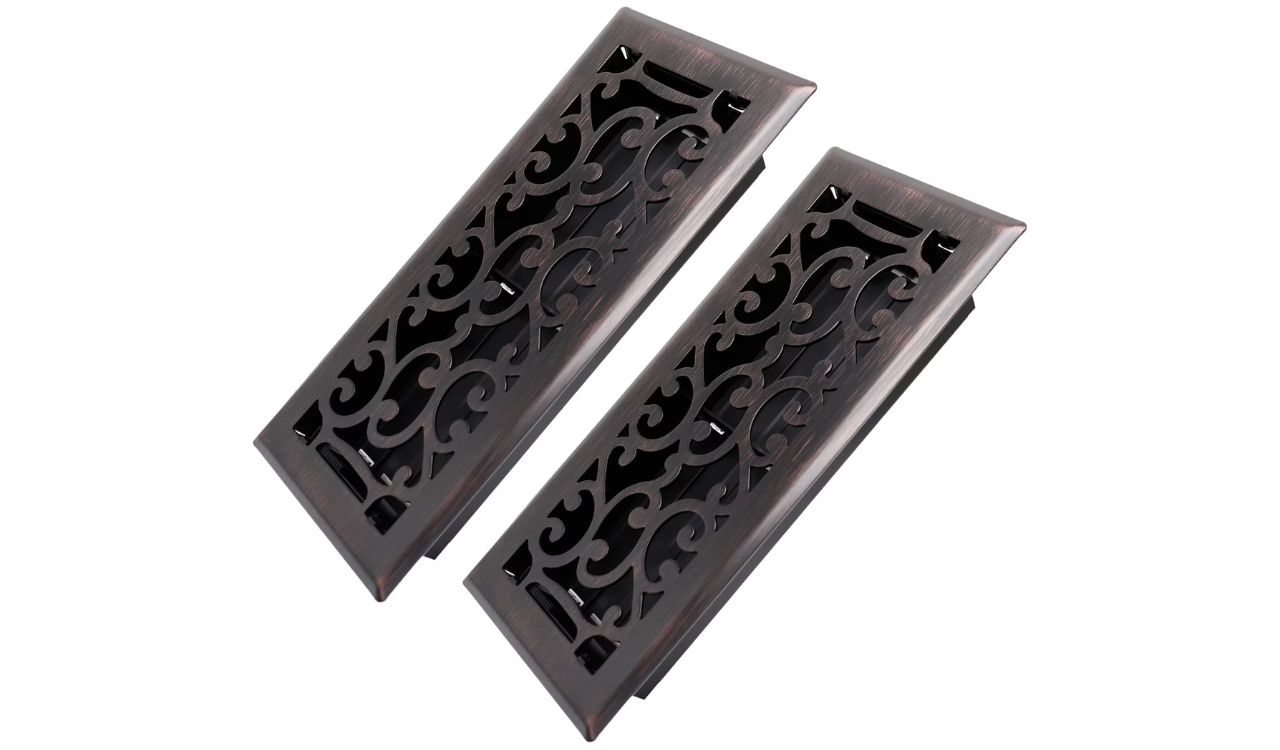
Vent covers and range hood filters slowly collect grease, dust, and cooking residue that can affect airflow and trap odors. Many metal filters are designed to be dishwasher safe and benefit from hot water and detergent. Placing them upright on the bottom rack allows water to pass through the mesh evenly, breaking down sticky buildup that soaking often leaves behind. Heated drying should be skipped to protect finishes and prevent discoloration. Regular dishwasher cleaning helps filters work more efficiently and keeps kitchens smelling fresher. Always confirm manufacturer instructions, but when allowed, this method turns an unpleasant chore into a quick and effective maintenance habit.
5. Refreshing Dishwasher Safe Toys
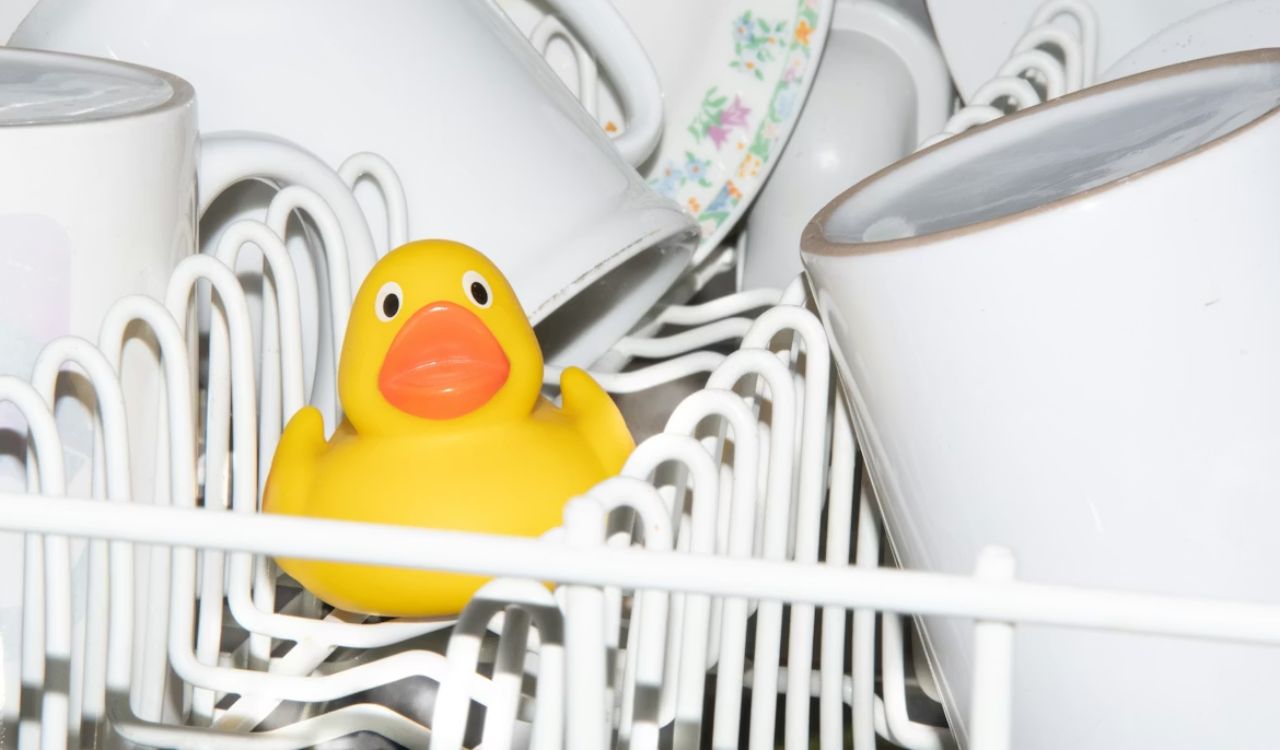
Hard plastic toys collect dirt, germs, and residue from floors, hands, and mouths, making them harder to clean thoroughly by hand. Many toys without batteries or electronics are dishwasher safe and can be placed on the top rack. A normal cycle with mild detergent allows warm water to clean seams, grooves, and textured surfaces evenly. Small toys can be secured in a mesh bag to prevent movement. This method sanitizes more consistently than wiping and saves time during busy routines. Always check manufacturer labels first, but when approved, the dishwasher offers a reliable way to keep toys cleaner, fresher, and safer for everyday use.
6. Cleaning Reusable Water Bottles and Lids

Reusable water bottles and lids often trap moisture, leading to odors and hidden bacteria buildup over time. Dishwasher safe bottles can be placed on the top rack so hot water reaches interior walls more evenly than hand washing. Lids, caps, and straws should be separated and positioned so spray can access small crevices. Skipping heated drying helps preserve seals and prevent warping. Regular dishwasher cleaning improves hygiene and keeps bottles tasting fresh. Always confirm manufacturer guidance, but when allowed, this method reduces scrubbing effort and extends the usable life of everyday drinkware.
7. Washing Baseball Caps and Visors

Baseball caps and visors absorb sweat, oil, and dust that regular wiping cannot fully remove. Many structured caps made from cotton or synthetic blends are dishwasher safe when cleaned correctly. Placing them on the top rack and using a gentle cycle allows warm water to clean fabric evenly without crushing the shape. A cap frame or bowl can help maintain form during washing. Heated drying should be avoided to prevent shrinking or warping. This method refreshes caps more thoroughly than hand washing and helps eliminate lingering odors. Always check care labels first, but when approved, the dishwasher offers a convenient way to keep frequently worn hats cleaner and more presentable.
8. Cleaning Toothbrush Holders and Soap Dishes
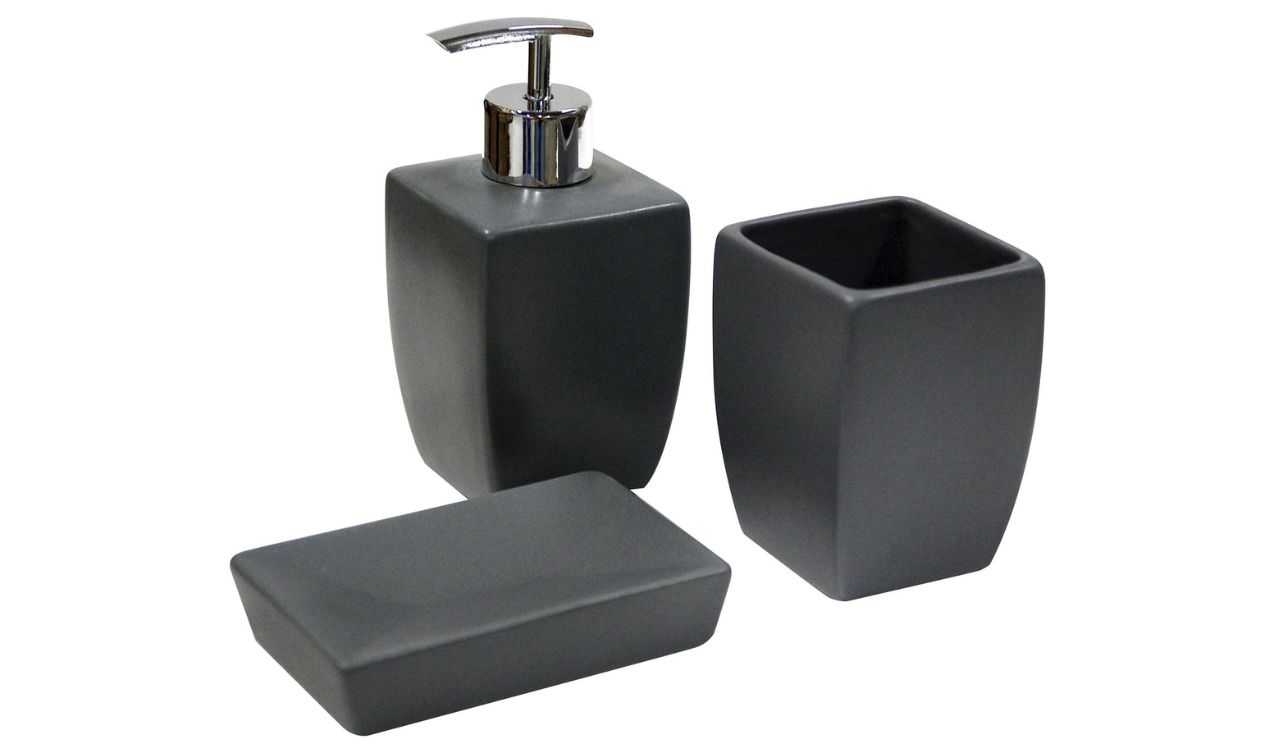
Toothbrush holders and soap dishes often collect moisture, residue, and bacteria that are easy to overlook during regular cleaning. Many ceramic, glass, and dishwasher safe plastic versions can be placed on the top rack for thorough washing. The dishwasher’s heat and water pressure reach interior corners and drainage holes that hand washing often misses. Skipping heated drying helps protect finishes and prevent cracking. Running these items through the dishwasher reduces buildup and odor while improving bathroom hygiene. Always check manufacturer guidance, but when approved, this method keeps frequently used bathroom accessories cleaner with minimal effort.
9. Washing Oven Knobs and Control Panels
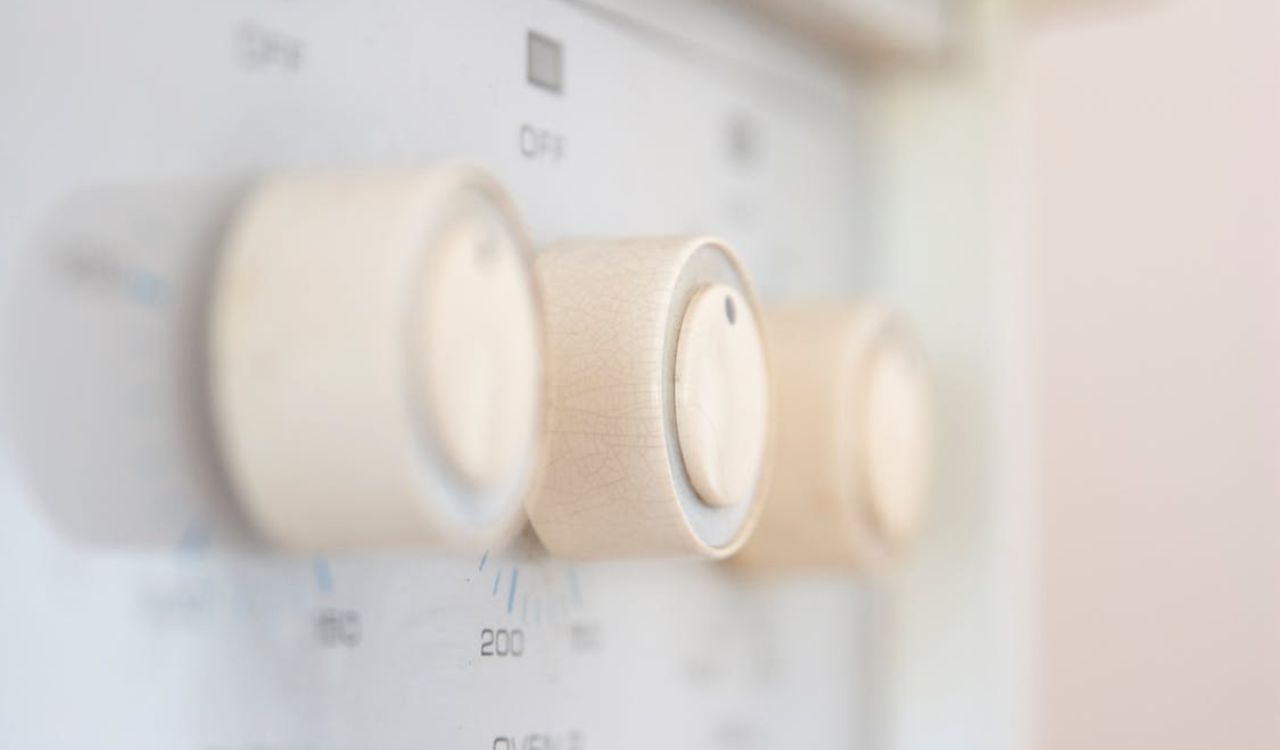
Oven knobs and removable control dials collect grease, fingerprints, and cooking residue that are difficult to clean with quick wiping. Many knobs are dishwasher safe once removed from the appliance. Placing them in the top rack allows hot water and detergent to break down buildup evenly, especially around grooves and edges. Using a small basket helps keep them secure during the cycle. Heated drying should be avoided to protect printed markings. This method restores appearance and improves kitchen hygiene. Always consult the appliance manual first, but when approved, dishwashing saves time and delivers more consistent results than hand cleaning.
10. Cleaning Silicone Baking Mats and Oven Liners
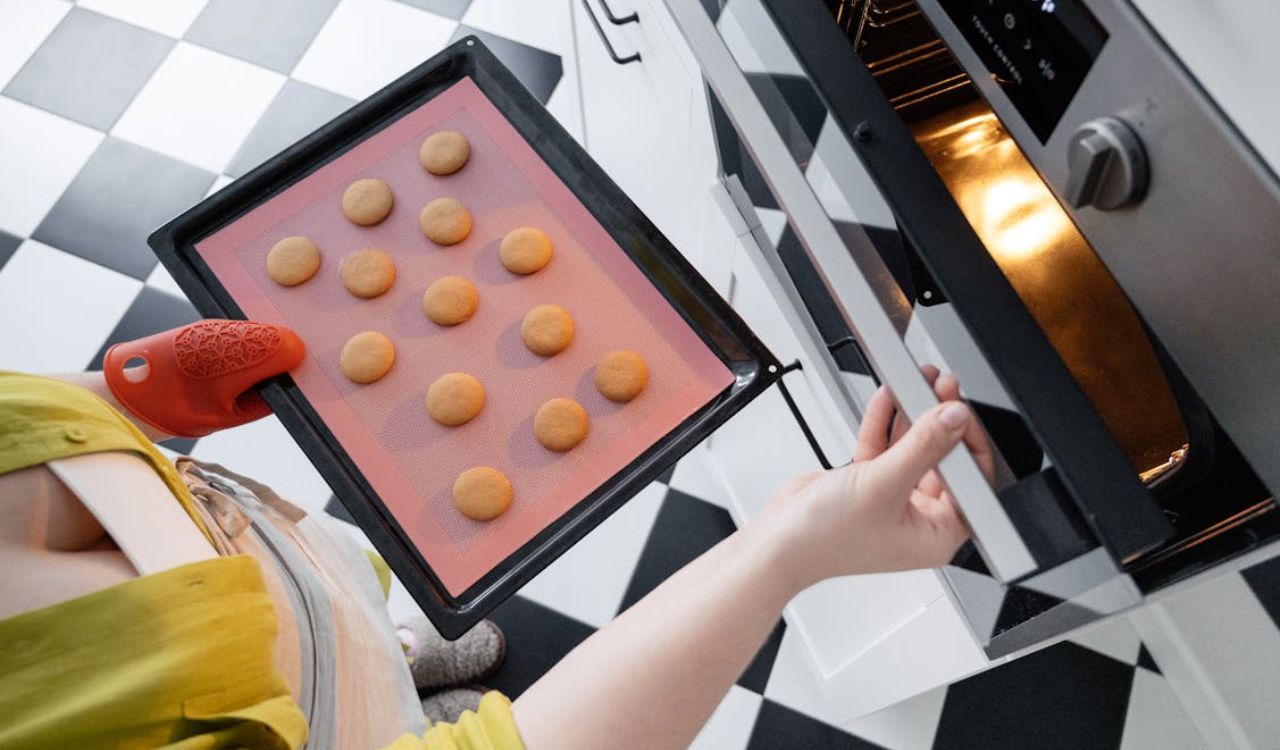
Silicone baking mats and oven liners collect grease and baked on residue that can feel slippery or sticky over time. When dishwasher safe, placing them flat on the top rack allows hot water and detergent to break down oils more evenly than hand washing. The spray reaches textured surfaces that sponges often miss. Skipping heated drying helps preserve flexibility and prevents curling. Regular dishwasher cleaning keeps mats from transferring old flavors to food and restores their nonstick performance. Always confirm manufacturer instructions, but when approved, this method reduces scrubbing and extends the useful life of reusable baking accessories.
11. Washing Shower Caddies and Bathroom Racks
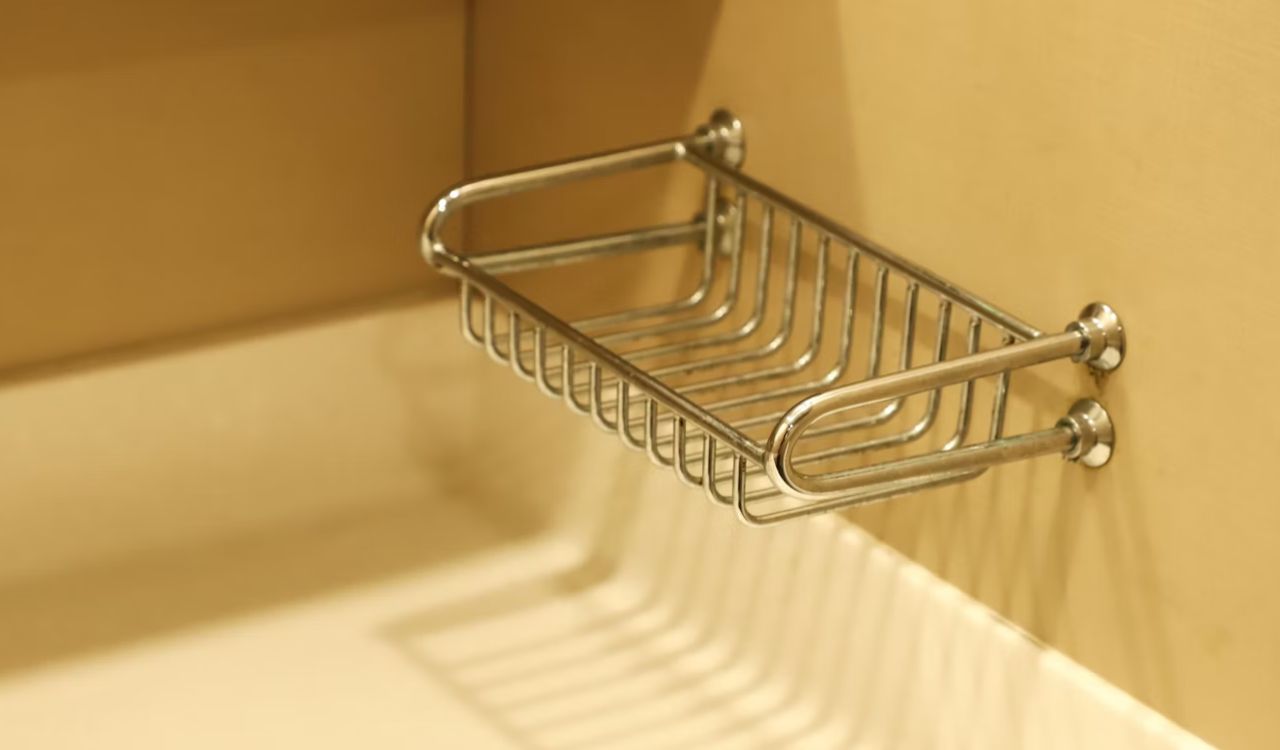
Shower caddies and bathroom racks collect soap residue, mineral deposits, and moisture that can be difficult to remove by hand. Many metal or plastic versions that are dishwasher safe can be placed on the bottom rack for a thorough clean. Hot water and detergent help loosen buildup in joints and wire corners where grime hides. Skipping heated drying protects finishes and reduces the risk of rust or warping. Regular dishwasher cleaning improves bathroom hygiene and keeps storage items looking fresher. Always check manufacturer guidance first, but when approved, this method saves time and avoids harsh scrubbing.
12. Cleaning Light Fixture Covers and Switch Plates
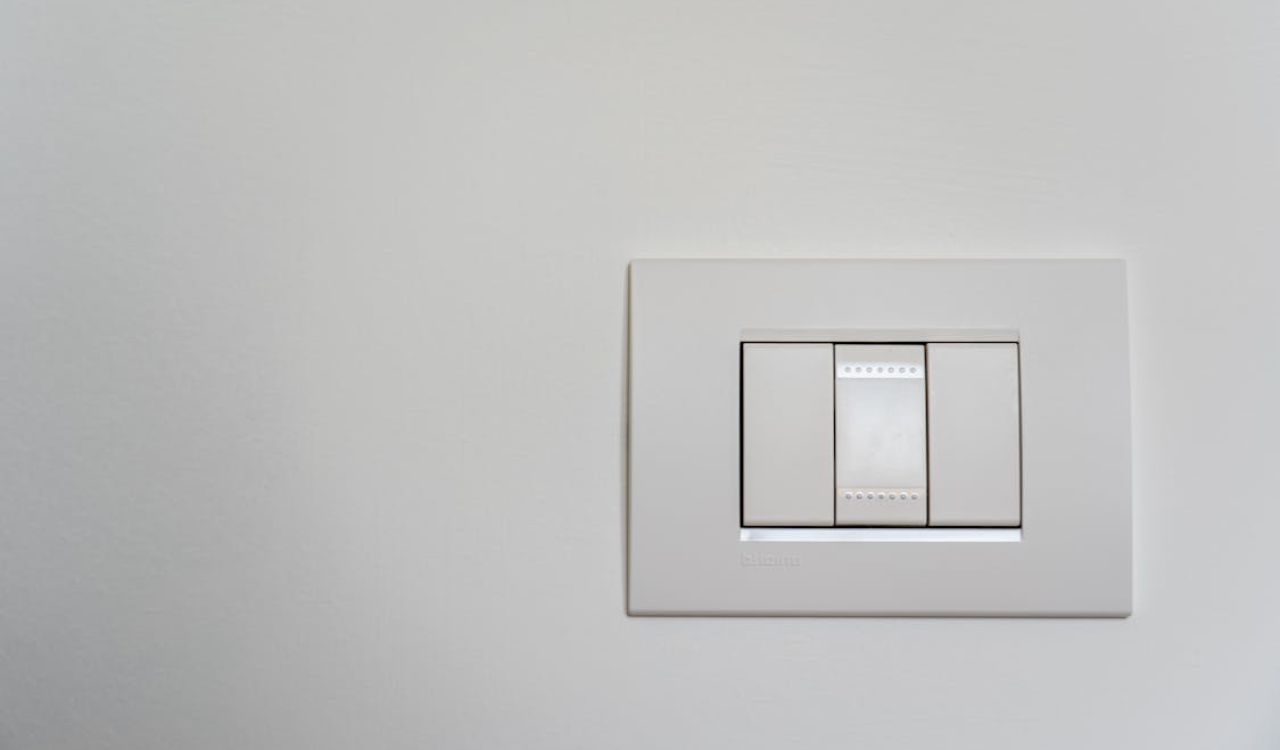
Light fixture covers and removable switch plates slowly collect dust, oils, and residue from daily contact. Many plastic and glass covers are dishwasher safe and fit securely on the top rack. Running a gentle cycle allows warm water to clean textured surfaces and edges evenly. Heated drying should be avoided to prevent clouding or damage. This approach restores clarity and improves overall room cleanliness without hand washing each piece. Always turn off power and check care instructions first, but when approved, the dishwasher offers a convenient way to refresh frequently touched household fixtures.