The Taste Gap People Notice Between Chain Restaurant Locations

Have you ever ordered your favorite chain restaurant meal in a different city and paused after the first bite, wondering why it doesn’t taste quite the same? The logo is identical, the menu board hasn’t changed, and the recipe is supposed to be standardized down to the gram. Yet something feels subtly different. That experience is what many diners describe as the “taste gap” between locations. It is rarely dramatic, but it is noticeable enough to spark comparison and even loyalty to one specific branch over another. What should be a predictable experience sometimes becomes a reminder that food, even in large systems, is never completely mechanical.
Chain restaurants are built on the promise of consistency, with strict corporate guidelines governing ingredients, portion sizes, and cooking procedures. Still, real kitchens introduce real-world variables that influence outcomes in ways customers can taste. Regional sourcing differences, staff training levels, equipment calibration, and even daily workflow pressures all shape flavor and texture. A few seconds on a grill or a slight variation in seasoning can shift the balance noticeably. These subtle operational gaps explain why the same dish can feel perfectly balanced in one location and slightly off in another, revealing how challenging true uniformity is in large-scale dining operations.
The Consistency Illusion
Chain restaurants are built on the promise of predictability. The same logo, identical menu boards, and standardized recipes create the expectation that every location will deliver the same meal. Customers walk in assuming the burger, pasta, or salad will taste just as it did the last time they ordered it. Yet many diners notice subtle but clear differences from one branch to another. This gap often stems from the practical limits of standardization. Corporate manuals can specify measurements, temperatures, and timing with precision, but once those instructions reach individual kitchens, real-world conditions begin to shape the outcome in ways that are difficult to fully control.
Small deviations in execution accumulate quickly. A grill running slightly hotter, a fryer oil changed less frequently, or a cook pulling food a few seconds early can influence texture and flavor balance. Humidity levels affect baked goods, storage methods impact freshness, and ingredient handling alters moisture retention. Even portioning tools can vary slightly in use. The illusion of uniformity remains central to brand identity, yet food preparation still depends on human timing, attention, and judgment. No matter how detailed corporate guidelines become, everyday kitchen variables make flawless duplication across hundreds or thousands of locations nearly impossible.
Regional Sourcing Differences
Not all ingredients follow the exact same journey before arriving in a restaurant kitchen. Large chains often depend on regional distribution networks to lower transportation costs and ensure steady supply. While corporate specifications outline quality standards, approved suppliers can vary by location. Produce, dairy, meat, and baked goods may come from different farms or processors depending on geography. Seasonal shifts, climate conditions, and feed variations influence flavor, fat composition, and texture at the source. Even when two suppliers meet the same guidelines, natural agricultural differences can produce subtle changes that carry through to the final dish served on the plate.
These small variations can meaningfully influence taste. Tomatoes grown in warmer climates often develop higher sugar content, while cooler conditions may yield firmer texture and sharper acidity. Ground beef with slight differences in fat ratio affects juiciness and mouthfeel during cooking. Bread made with flour milled from different wheat crops can vary in softness and flavor depth. Dairy sourced regionally may shift in richness depending on feed and processing. Chains work to standardize quality, but agricultural variability and regional sourcing realities make absolute uniformity difficult, leaving diners able to detect small yet noticeable taste differences between locations.
Training and Turnover Gaps
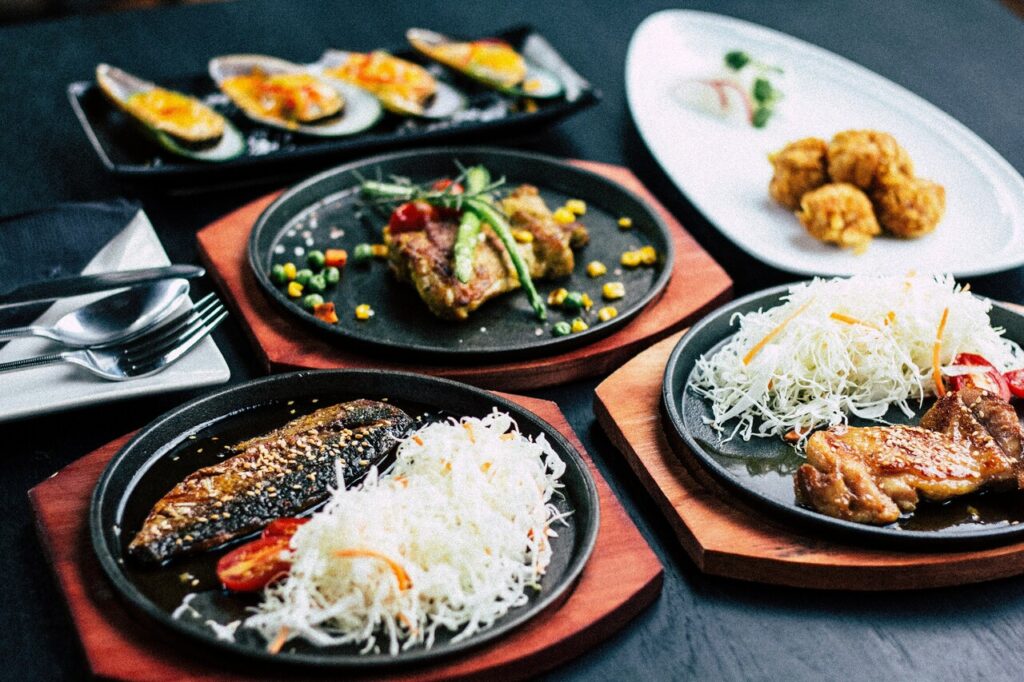
Behind every plated meal is a team of employees turning a corporate recipe into a finished dish. Training programs are designed to standardize preparation, covering portion sizes, cook times, food safety, and presentation details. However, the effectiveness of that system depends heavily on how well procedures are taught, reinforced, and supervised at each location. Restaurants with experienced managers and stable staff often show greater consistency because routines are well practiced and expectations are clear. When teams understand not just what to do but why it matters, execution tends to be more precise and repeatable.
High employee turnover can weaken that consistency. New hires may still be learning timing cues, equipment behavior, and portion accuracy while simultaneously handling busy service periods. Even minor deviations in seasoning, assembly order, or cooking duration can noticeably change texture and flavor balance. In fast-paced environments, shortcuts may develop when oversight is limited. Over time, differences in staff experience and managerial consistency create subtle but persistent variations between branches. Customers may not see the operational details, but they often taste the results, forming preferences based on how reliably a location executes the same corporate recipe.
Kitchen Equipment Variations
Even when menus and recipes are identical, the equipment used to prepare them can introduce variation. Chain restaurants install standardized grills, fryers, ovens, and refrigeration systems across locations to maintain uniform output. However, performance depends on maintenance, calibration, and daily handling. A grill that runs slightly hotter can produce a darker sear and reduced moisture, while one running cooler may yield a softer texture. Fryer oil that is filtered less often can affect crispness and flavor clarity. Over time, wear and tear on heating elements, thermostats, and ventilation systems influence cooking consistency in ways customers can taste.
Maintenance routines also shape results. Oil filtration schedules, oven calibration checks, and refrigeration accuracy directly impact food quality. A well-maintained grill distributes heat evenly, allowing proteins to cook uniformly and retain juiciness. In contrast, uneven heat can dry out certain sections while undercooking others. Even slight temperature fluctuations during storage affect ingredient freshness before cooking begins. These operational details may seem minor individually, but together they influence texture, aroma, and flavor balance. Across locations, small equipment differences accumulate, creating noticeable variations in what is meant to be the same signature dish.
Why Your Favorite Location Tastes Better
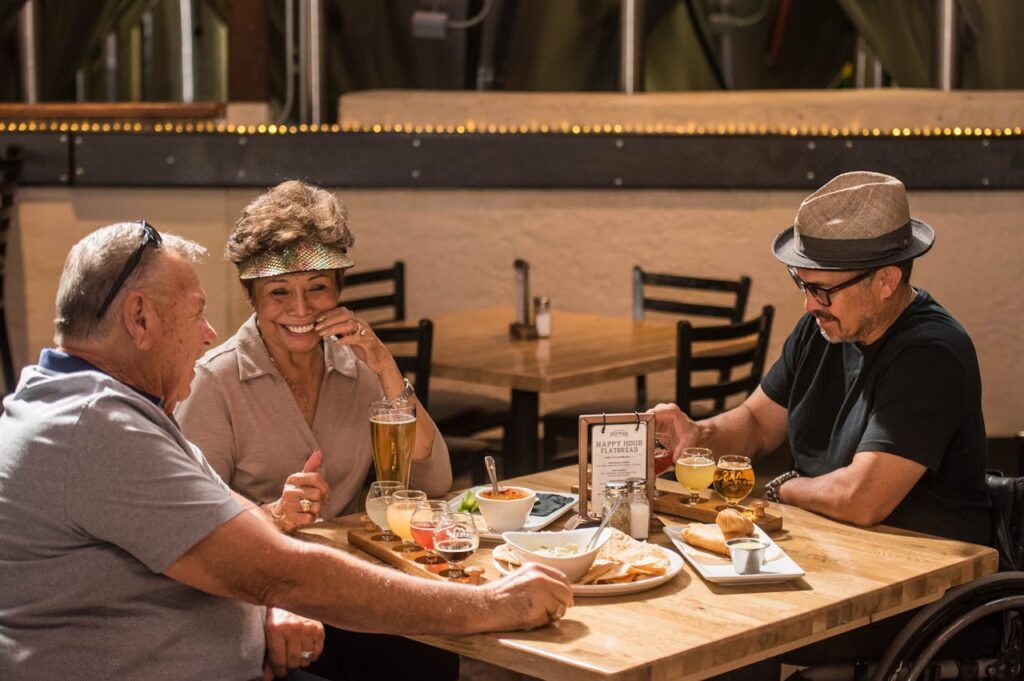
Personal experience plays a powerful role in how food is perceived. Customers often develop loyalty to a particular branch not only because of taste, but because of consistent service, familiar surroundings, and previous positive visits. Comfort influences perception. When diners walk into a location where staff recognize them or where past meals met expectations, they are more likely to evaluate the food favorably. Mood, timing, and even company at the table can subtly shape how flavors are interpreted. A meal enjoyed during a relaxed evening may seem richer and more satisfying than the same dish eaten during a rushed lunch break.
Consistency builds trust over time. When a specific location repeatedly delivers balanced seasoning, proper cooking, and attentive service, customers associate that branch with reliability. Small operational strengths, careful portioning, fresh ingredient handling, and attentive oversight reinforce that perception. Even minor improvements in execution can elevate the overall experience. While corporate systems aim for uniform results, everyday details create distinct impressions. The taste gap between locations is often subtle rather than dramatic, but it reflects the combined influence of operational precision and human psychology working together at the table.
Reference
- Restaurants have everything and they all taste the same! – medium.com
- Fast food innovation is missing the point. Here’s what 5,500 customers say they actually want. – pwc.com