9 Private Label Snacks That Cut Corners on Ingredients

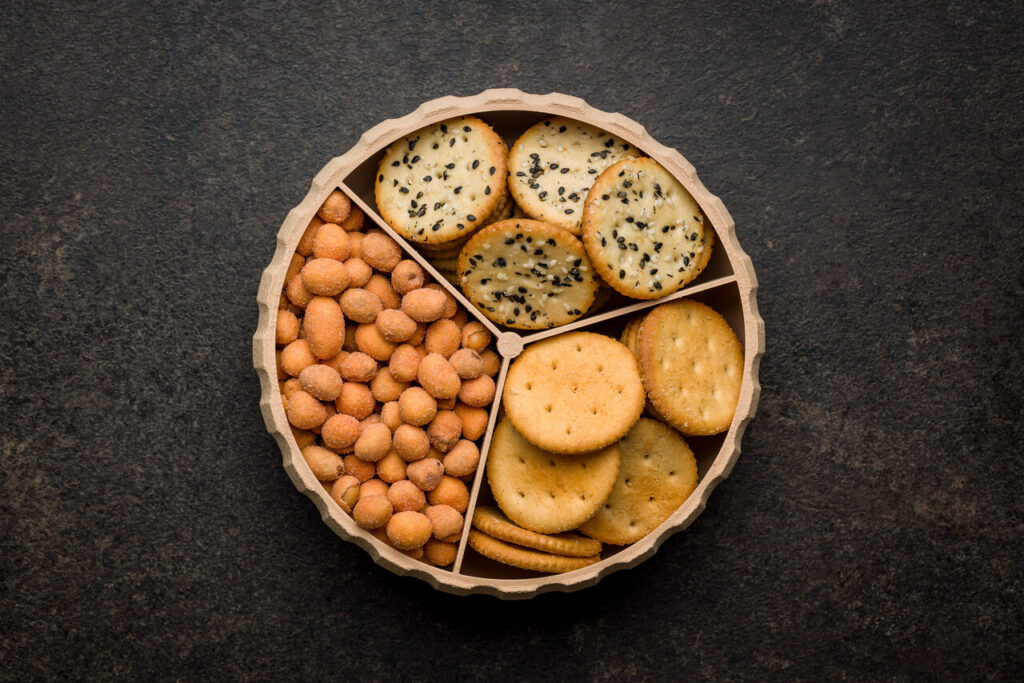
Store brands promise big savings, and in many aisles they absolutely deliver. But when it comes to snacks, the difference between cutting costs and cutting corners can become obvious fast. From chips and crackers to granola bars and popcorn, private label versions often look nearly identical to the originals. The packaging is familiar, the flavors are similar, and the price tag is tempting. Yet once you flip the bag over and read the ingredient list, or take that first bite, subtle compromises start to show.
Some rely more heavily on salt instead of layered seasoning. Others swap real butter for cheaper fats or use filler starches that add bulk without boosting flavor. On paper, the differences seem small. In your mouth, they are harder to ignore.
1. Great Value Potato Chips That Rely on Basics Over Bold Flavor
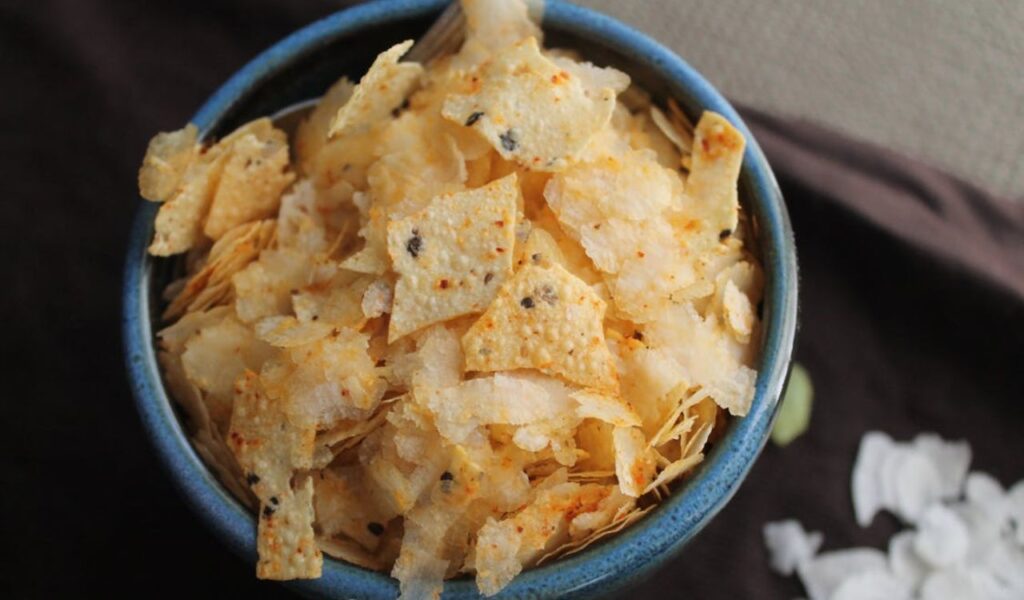
Potato chips seem simple, but making a snack that tastes great is surprisingly technical. Leading brands spend decades refining their oil blends, seasoning adhesion, and crispness so that every bite feels balanced. In contrast, budget private label chips like Great Value often use more basic oils and simpler seasoning mixes to keep costs down.
What this means in practice is that instead of a layered flavor that hits salty, savory, and slightly sweet notes in just the right way, private-label chips can taste one-dimensional. The salt can feel front-loaded, and the seasoning lacks depth. Texturally, the chips can be less crisp, leaving a slightly oily or limp sensation in the mouth.
For snack lovers, that difference becomes obvious quickly. Chips are often eaten straight from the bag, and when the first few bites feel flat compared to name brands, the whole eating experience feels average. In groceries where private label options are meant to save money, the trade-off in flavor and texture becomes apparent.
2. Aldi’s Snack Chips That Cut Corners on Ingredients
Discount grocery chains like Aldi are known for competitive pricing, often achieved by simplifying recipes and ingredient lists. Private-label snack chips under such banners can save money by using refined starches and relying more heavily on salt than on a nuanced seasoning blend.
This approach affects both flavor and satisfaction. Instead of complex tastes that unfold slowly, these chips can feel aggressively salty or plain. The seasoning becomes a blunt instrument rather than a crafted complement to the potato base. Many shoppers report that these snacks feel “basic” or “unfinished” compared to more recognizable brands.
When eating snacks becomes a matter of convenience rather than enjoyment, the experience suffers. While budget snacks can temporarily satisfy a craving, the noticeable differences in seasoning and ingredient quality determine whether people return to them again and again.
3. Simple Truth Granola Bars With Processed Sweeteners
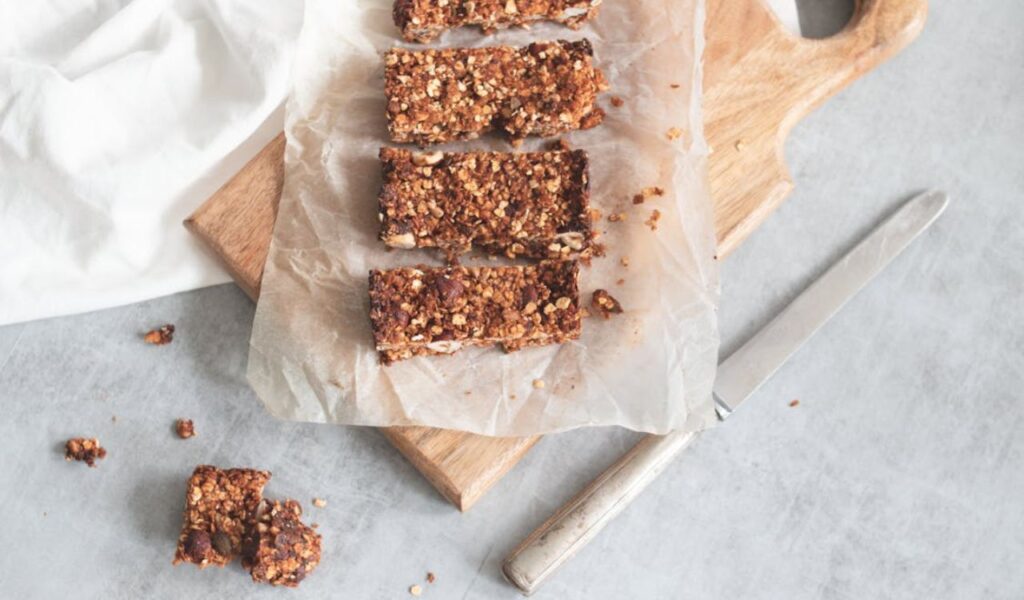
Granola bars marketed as healthier alternatives can occasionally miss the mark by leaning on refined sugars and processed grains instead of whole, nutrient-dense ingredients. In the case of some private label options like Simple Truth, the idea is to offer wholesome convenience, but the ingredients do not always reflect that promise.
Instead of using oats, nuts, and dried fruit in higher proportions, these bars sometimes depend on syrups and sweeteners to bind and flavor the mix. That can boost shelf life and lower cost, but it reduces real nutritional benefit. The result is a snack that looks healthy on the label but tastes more like candy than whole grain.
Consumers who buy granola bars as a breakfast substitute or mid-day fuel often expect sustained energy. When the ingredient list prioritizes cheap sweeteners over protein and fiber, the snack may fail to deliver lasting satisfaction. Over time, people notice the gap between marketing appeal and actual performance.
4. Good & Gather Crackers That Use Fillers Rather Than Quality Grains
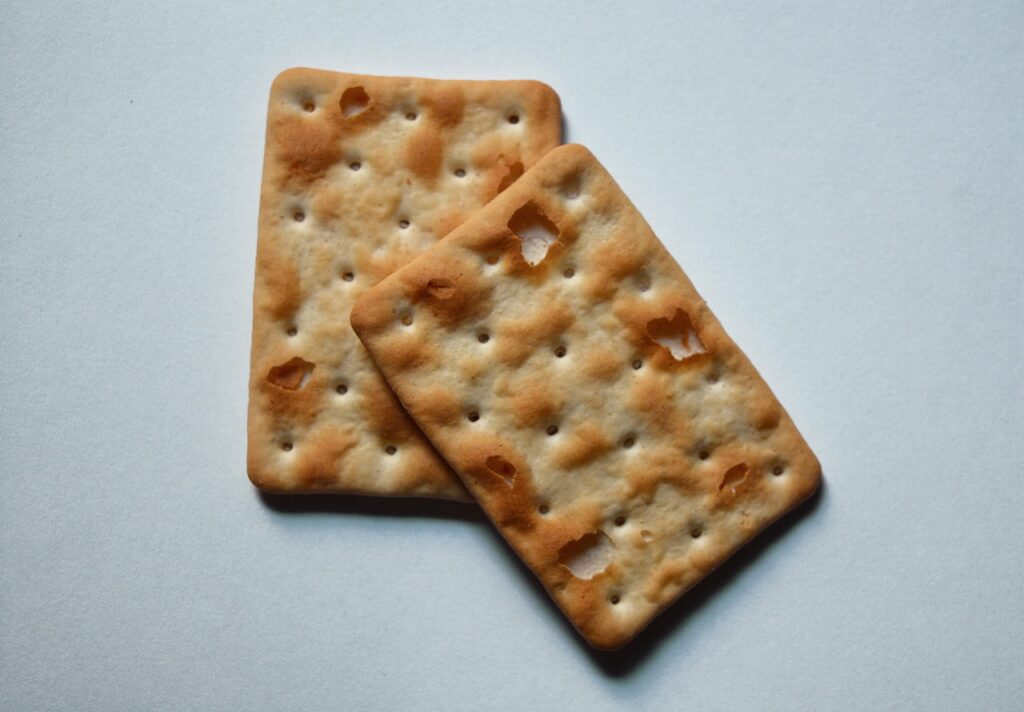
Crackers are deceptively simple snacks. High-quality versions balance flour, fat, and seasoning so that each bite feels crisp and flavorful. Private label versions like those from Good & Gather can achieve a similar texture, but often do so by using cheaper flours and additives that fill gaps in structure.
Instead of whole or enriched grains that add taste and nutrition, some private-label crackers include emulsifiers and filler starches. Those ingredients help hold the cracker together but do not contribute much to taste. Over time, this can create a product that feels slightly hollow, with a texture that lacks the satisfying snap of premium crackers.
For people who pair crackers with cheese or dips, that difference matters. A cracker that dissolves quickly or tastes faint can alter the overall enjoyment of a snack or appetizer. When ingredients are simplified to save costs, the product can lose personality and appeal.
5. Marketside Bakery Cookies With Preservatives Over Real Butter

Bakery-style cookies in private label lines like Marketside aim to evoke the fresh-baked appeal of classic cookies. The challenge comes when cost pressures push producers to include preservatives and artificial sweeteners to extend shelf life rather than using real butter and quality vanilla.
Real butter adds aroma and richness that drive the appeal of a cookie. When replaced with cheaper fats or oils, the final product tastes more uniform and less indulgent. Preservatives can also alter mouthfeel, leading to a slightly waxy or synthetic sensation that contrasts with the soft, buttery texture people expect.
Shopping for cookies is often about pleasure. When the ingredients feel engineered for durability rather than delight, the experience shifts. Instead of reaching for them as an enjoyable treat, consumers may reserve them for situations where convenience trumps flavor.
6. Freshness Guaranteed Popcorn With Basic Seasoning
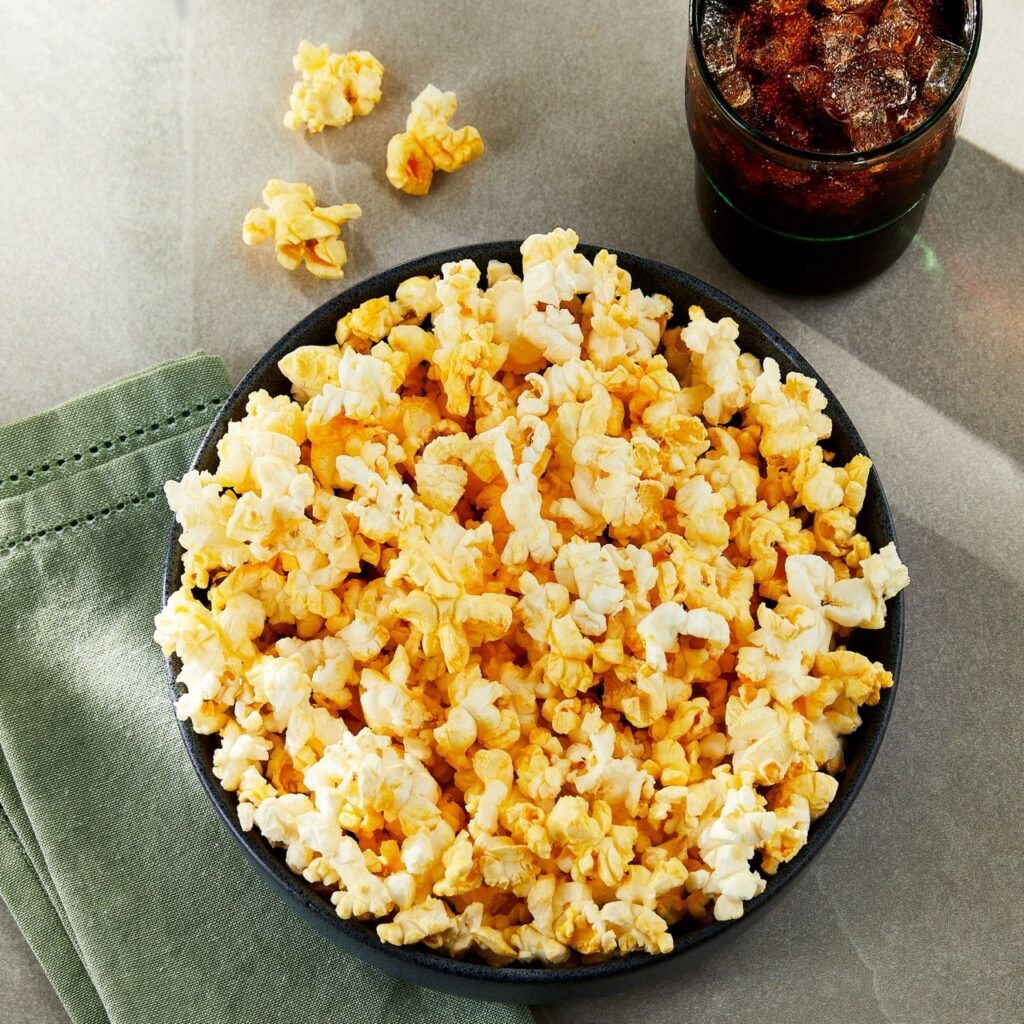
Popcorn can be a healthful, satisfying snack when made well. The key lies in seasoning that complements the natural corn flavor rather than overwhelming it. Private label options under labels like Freshness Guaranteed sometimes rely on heavy salt and minimal seasoning blends to create taste, missing out on more complex profiles.
When snack producers cut corners, they often choose inexpensive flavorings and high levels of sodium to boost perceived taste without adding real depth. The result is popcorn that can feel harsh on the palate or one-note instead of rich and layered.
Texture also plays a role. Lighter, airier kernels often need just a slight nudge of seasoning. When the coating is too heavy or the base ingredients are of lower quality, the snack loses its crispness or feels greasy. For frequent popcorn eaters, those differences build into a clear preference for higher-quality versions.
7. Safeway/Albertsons Pretzels That Rely on Salt Over Whole Grains
Pretzels have a long cultural history as a snack that pairs well with cheeses, beers, and spreads. Modern pretzel lovers expect a satisfying crunch and subtle bread flavor. Private label pretzels, such as those under Safeway or Albertsons, sometimes prioritize cost savings by using cheaper grains and higher sodium content.
The use of refined flours and simple salt seasoning can make pretzels feel less nuanced. Instead of a crisp interplay of wheaty flavor and light salt, the snack can taste overly salty or slightly flat. That is often a result of using lower-grade grains that lack natural sweetness and texture.
Because pretzels are eaten both on their own and with accompaniments, any shortfall in base quality becomes more obvious. A pretzel that feels hollow or lacks a wholesome grain taste can change how enjoyable the overall snack feels.
8. Kroger Brand Crackers Built on Filler Starches
Crackers from Kroger’s store brand lineup are popular for their affordability and general versatility. Yet the very measures that keep them inexpensive, using filler starches and lower-grade fats, can also dilute their flavor impact.
Filler starches contribute structural integrity without adding taste. That can result in crackers that feel slightly chalky or bland, especially when eaten plain. Once toppings are added, the lack of a strong base flavor becomes more apparent.
Cracker lovers often describe premium versions as having a “toasty” or “bready” flavor. When that profile is missing, the snack feels forgettable rather than complementary. The simplicity of the ingredient list becomes a detriment when flavor and texture matter most.
9. Good & Gather Popcorn Chips With Basic Flavor Enhancers
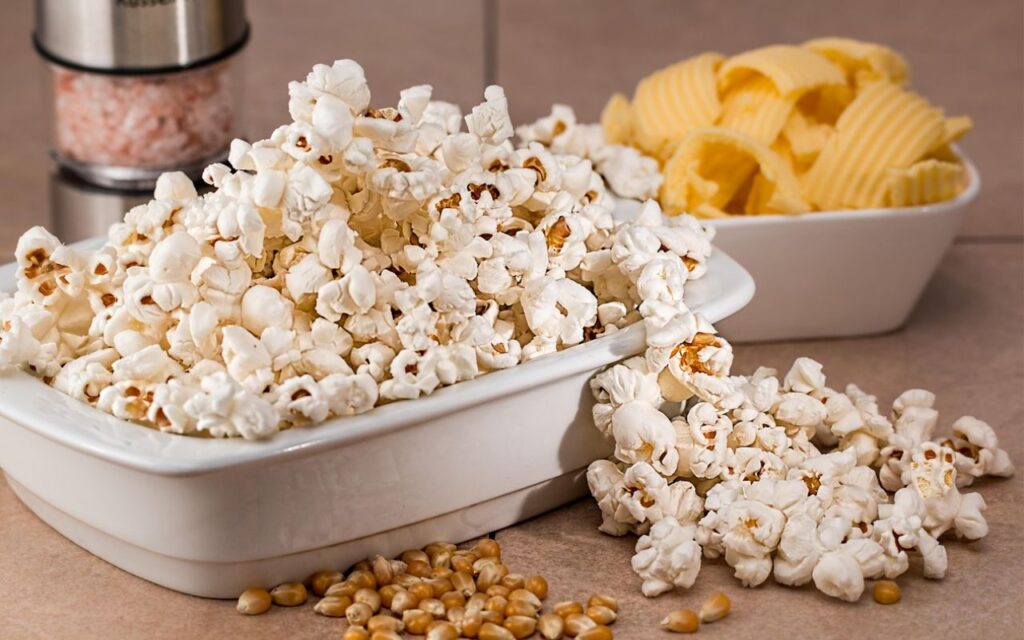
Popcorn chips try to bridge the gap between popcorn and traditional chips, but ingredient choices matter. Private label versions like Good & Gather often use artificial flavor enhancers and basic seasoning tools rather than more complex blends that create lasting taste.
Artificial enhancers can trigger an initial burst of flavor, but they lack the depth of natural seasoning like smoked paprika or real cheese powder. That makes the snack taste more engineered than crafted. Some eaters describe the flavor as sharp or synthetic compared with higher-end chips.
Texture also plays into satisfaction. High-quality popcorn chips often use careful frying or baking techniques to create a light crunch. When base ingredients or seasoning application shortcuts are taken, the result can be denser and less pleasing to munch on.