Why Airline Food Portions Feel Smaller Than Ever

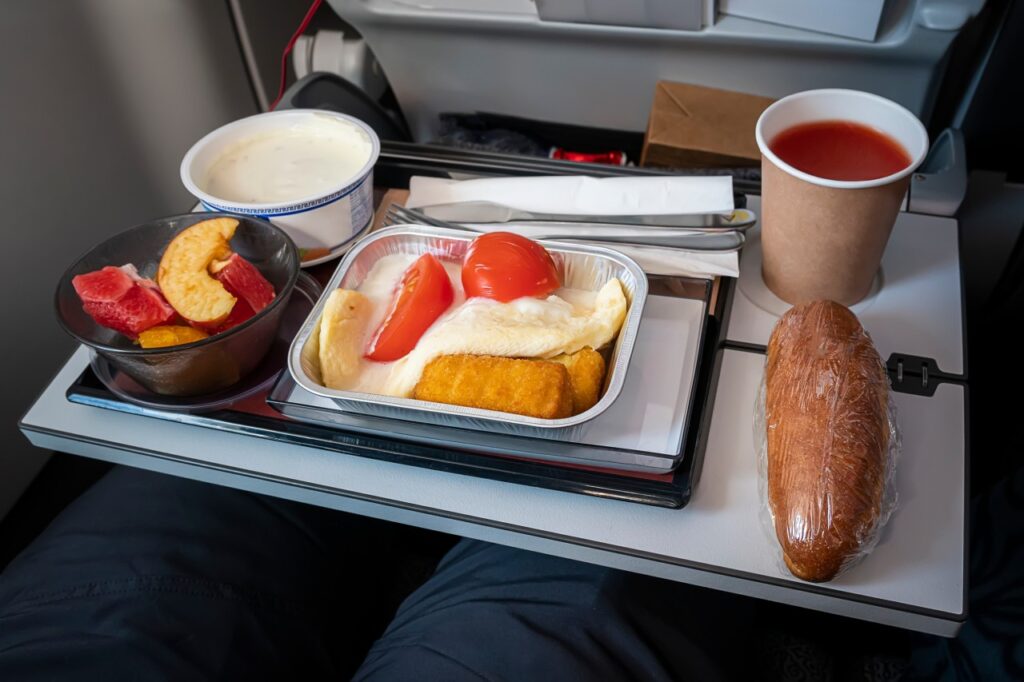
There’s something oddly humbling about peeling back the foil on an in-flight meal and wondering if that’s really it. The neatly packed tray, the compact entrée, and the miniature dessert all seem carefully arranged, yet noticeably restrained. For frequent flyers and occasional travelers alike, airline food portions appear to have quietly shrunk over time, sparking the same question at cruising altitude: why does it look so limited? What once felt adequate can now seem modest, especially when compared to restaurant servings on the ground, leaving passengers curious about what changed behind the scenes.
The explanation stretches well beyond simple cost-cutting. Every tray served in the sky is shaped by strict aircraft weight calculations, narrow galley storage, standardized catering equipment, and the realities of preparing thousands of meals in advance. Airlines must balance efficiency, safety, and fuel consumption while still offering a complete dining experience in a confined cabin. Even factors like cabin pressure and dry air influence how filling and flavorful food feels. When all these elements intersect, portion sizes reflect careful planning rather than oversight, revealing how aviation logistics quietly shape what lands on your tray table.
Why Airline Meals Keep Shrinking
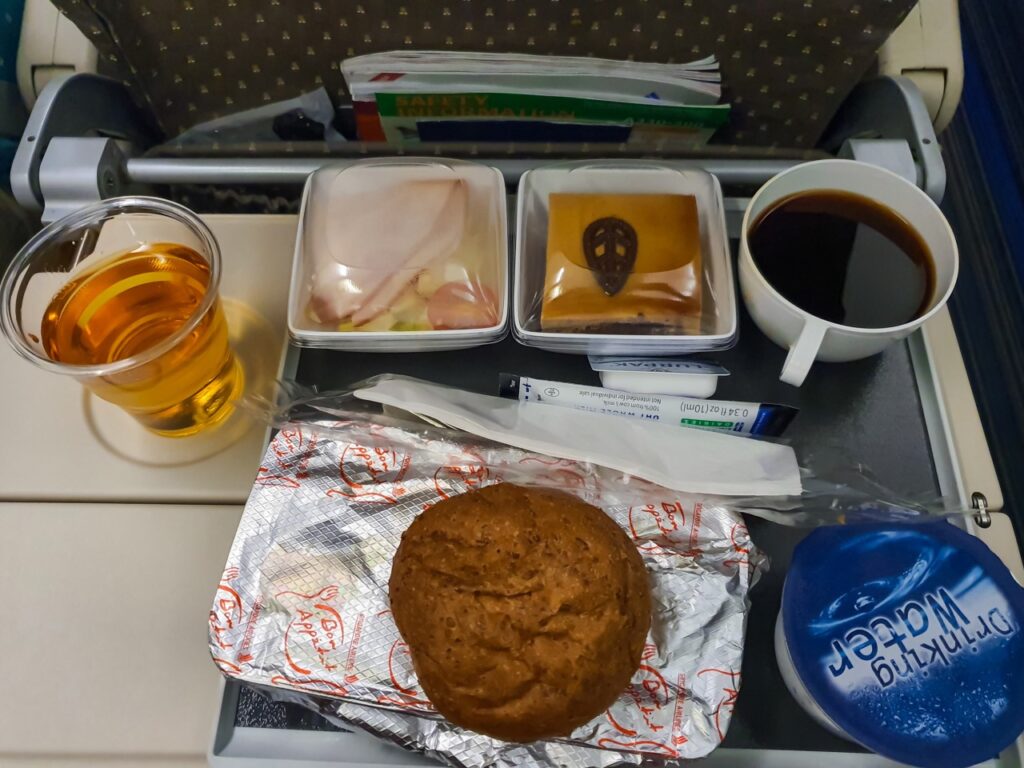
Stepping onto an airplane and opening your meal tray can feel like a subtle letdown. The entrée looks neatly arranged, the sides are carefully portioned, and the dessert is perfectly compact, yet the overall serving often seems smaller than expected. Many travelers walk onboard remembering fuller trays from years past, only to find today’s portions appear more restrained. The shift has been gradual rather than sudden, which makes it harder to pinpoint. What feels like shrinkage is actually the outcome of steady operational adjustments that prioritize efficiency, safety, and consistency across thousands of daily flights worldwide.
Unlike a restaurant kitchen that cooks to order, airline catering operates on strict timelines and precise measurements. Meals are prepared in large batches, chilled, packaged, and loaded into standardized carts that must fit into tightly designed aircraft galleys. Even small increases in portion size affect storage capacity, cart weight, and service flow in narrow cabin aisles. At cruising altitude, space and weight are tightly controlled variables, not flexible conveniences. Every gram and every inch matter, and those practical constraints ultimately determine how generous a meal can appear once it reaches your tray table.
Space and Weight Restrictions on Every Flight
One of the least visible influences on airline meal size is the strict control of space and weight inside an aircraft. Cabin storage is carefully engineered, and galley areas are compact by necessity. Every meal cart must fit into designated slots, and every tray must stack precisely within those carts. Increasing portion sizes would require larger containers, which would reduce the number of meals that can be loaded per flight. When hundreds of passengers must be served within a narrow aisle and a limited galley footprint, even small adjustments in packaging or portion volume can disrupt the entire service system.
Weight is equally critical in aviation operations. Aircraft performance, fuel planning, and safety calculations are all tied to total payload. Adding extra ounces to each meal may seem insignificant, but multiplied across hundreds of trays, the increase becomes substantial. Additional weight leads to higher fuel consumption and operating costs on every route. Airlines track these variables carefully, trimming where possible to maintain efficiency. By keeping meal portions compact, carriers help control fuel burn, preserve balance limits, and ensure smooth service without adding unnecessary strain to aircraft systems or crew operations.
Catering Logistics and Tray Limitations
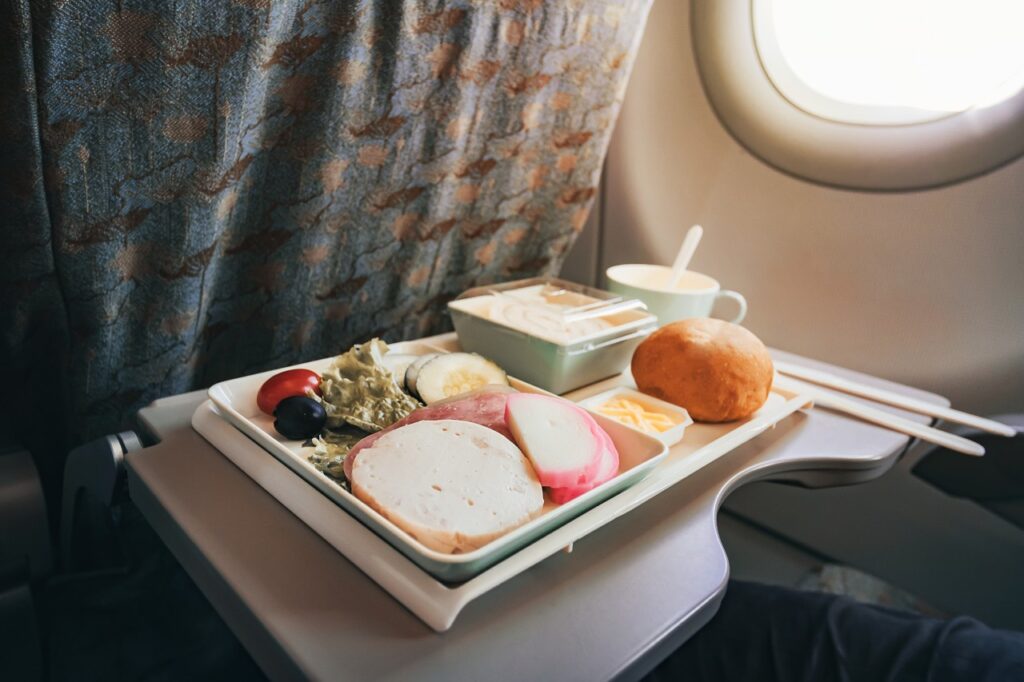
Preparing airline meals is a logistical exercise built on precision rather than flexibility. Unlike a traditional restaurant kitchen, where dishes can be adjusted at the last minute, in-flight catering operates on tight production schedules and standardized systems. Meals are cooked in large quantities at industrial catering facilities, rapidly chilled to meet food safety standards, and assembled hours before departure. Each component is measured, portioned, and packaged according to exact specifications so it can be loaded efficiently onto aircraft bound for different routes and service classes. There is little room for improvisation once the process begins.
Meal carts and trays are engineered to match the fixed dimensions of aircraft galleys, leaving no tolerance for oversized containers or additional sides. Every entrée, roll, dessert cup, and utensil must fit within a predefined layout that allows crew members to distribute meals quickly in narrow aisles. If trays are overfilled, lids may not close securely, carts become harder to maneuver, and service slows significantly. That strict choreography determines portion size long before passengers board, ensuring consistency and efficiency at cruising altitude. Even minor adjustments in container size or weight can affect storage, balance, and timing.
Cost Pressures and Competitive Pricing
Airlines operate within one of the most cost-sensitive industries in the world, where even minor expense increases can significantly affect profitability. Fuel, aircraft maintenance, airport fees, labor contracts, and regulatory compliance already consume a substantial share of revenue. Adding larger complimentary meal portions into that equation would raise catering expenses, increase onboard weight, and generate more waste handling costs after landing. When multiplied across thousands of daily flights, even a modest increase in portion size translates into considerable financial impact. In such a tight-margin environment, careful cost control becomes essential to long-term sustainability.
To keep fares competitive in a price-driven market, many carriers look for subtle ways to manage expenses without directly raising ticket prices. Reducing portion sizes is often less noticeable than adding fees or increasing base fares. Some airlines have shifted toward buy-on-board offerings or reserve full meals for premium cabins, limiting complimentary service in economy class. These adjustments allow carriers to align food costs more closely with revenue streams. While passengers may perceive smaller servings as reduced value, for airlines, the strategy represents a measured effort to balance service expectations with financial reality.
How the Environment Affects Taste Perception
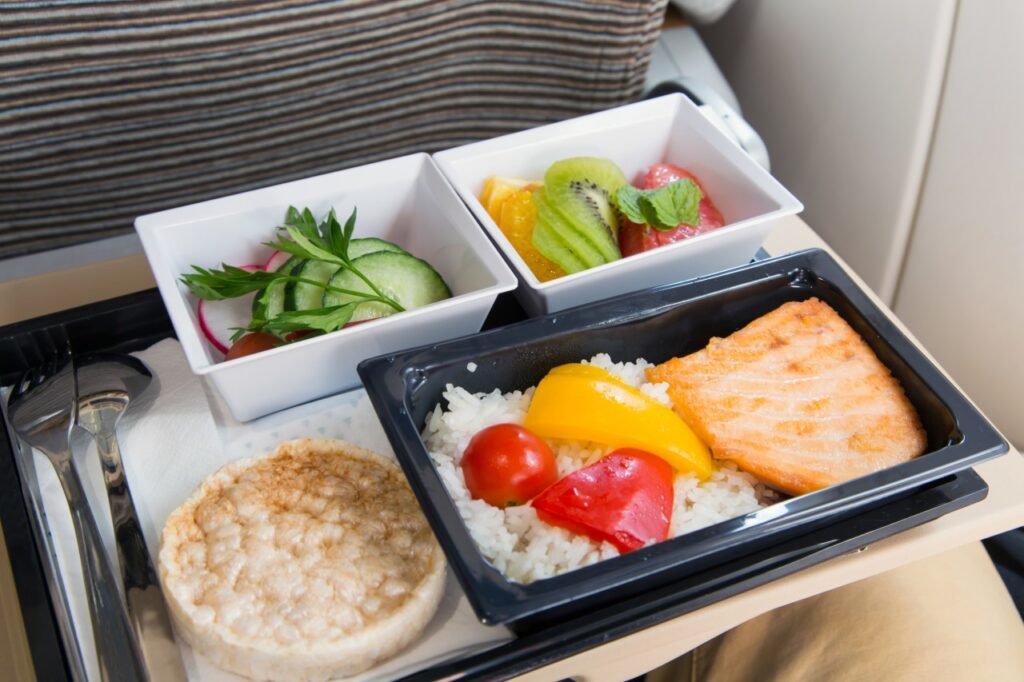
At cruising altitude, your senses are not operating at full strength, and that directly affects how satisfying a meal feels. Aircraft cabins are pressurized to levels comparable to standing on a mountain several thousand feet above sea level, and humidity levels often drop below what most people experience on the ground. This combination of low air pressure and dry cabin air can dull taste buds and reduce sensitivity to both sweet and salty flavors. Background engine noise also plays a role, subtly interfering with how the brain processes taste and aroma during a flight. Together, these conditions create a dining environment very different from eating on the ground.
Airline caterers are well aware of these sensory shifts and often adjust recipes to compensate, adding stronger seasoning or selecting ingredients that hold flavor better in dry conditions. Even so, recreating a satisfying taste experience at altitude is challenging. When food tastes muted, passengers may feel less satisfied overall and perceive portions as smaller than they actually are. If a dish lacks intensity, it can seem less filling, even when calorie counts remain consistent. These environmental factors quietly influence perception, reinforcing the belief that airline meals are shrinking, even when the measured serving size has not dramatically changed.