How New Nutrition Label Rules Could Change Snack Foods

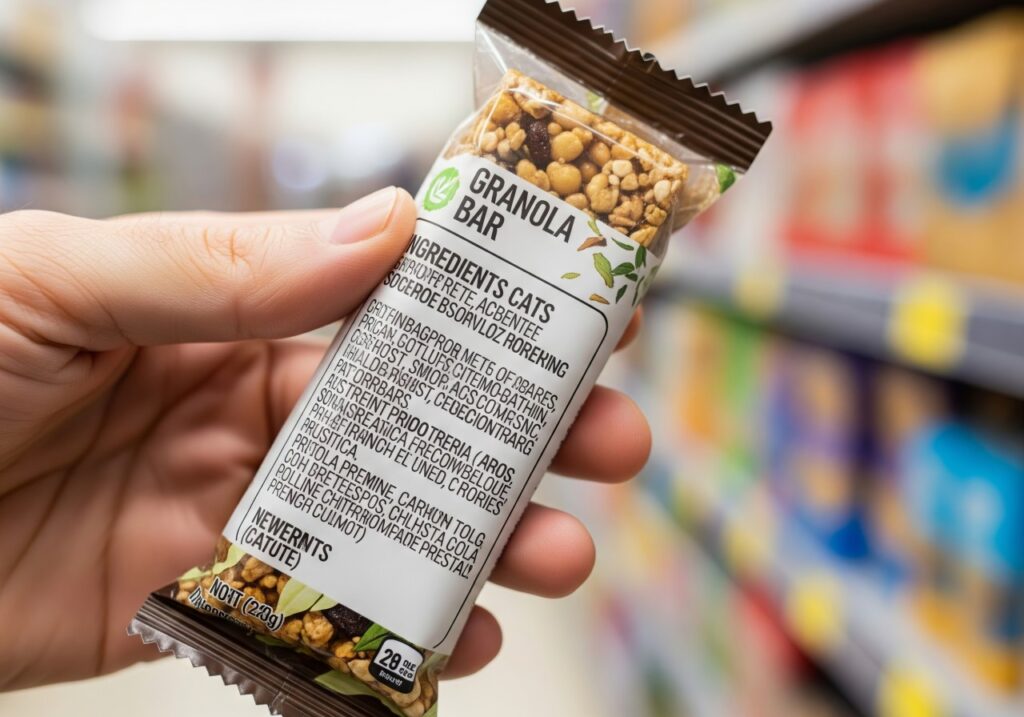
Brightly colored snack packages have long relied on bold claims and eye-catching designs to win attention, but the fine print on the back is now moving into clear view. Updated nutrition label rules are reshaping how details appear on everything from chips to granola bars, making key facts more prominent and easier to read. Calorie counts are displayed more clearly, added sugars are separated from naturally occurring sugars, and serving sizes are adjusted to reflect what people actually eat. Information that once required careful comparison may soon be understood in seconds, subtly influencing how shoppers judge value, healthfulness, and portion expectations.
Behind these revisions is a wider effort to improve transparency and address diet-related health concerns. Policymakers aim to ensure that consumers are not misled by unrealistic serving sizes or vague ingredient breakdowns. At the same time, food manufacturers are working quickly to revise packaging, reassess formulations, and align marketing strategies with stricter disclosure standards. The ripple effects may extend beyond label design, prompting measurable changes in sugar content, sodium levels, and overall product composition. As clearer disclosures meet growing consumer scrutiny, the snack aisle could gradually reflect a shift toward accountability and more informed decision-making.
A New Standard for Nutrition Transparency
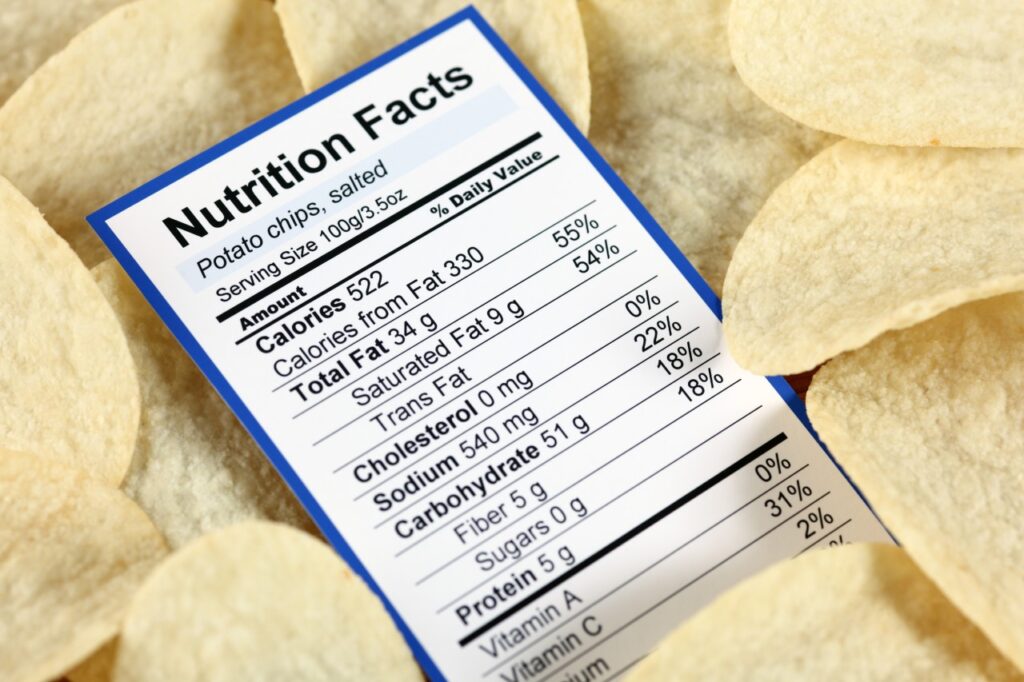
A small rectangular panel on the back of a snack package is taking on far greater significance than many shoppers realize. Updated nutrition labeling rules are intended to make food information clearer, more prominent, and more difficult to overlook during quick purchasing decisions. Regulators want consumers to better understand exactly what they are eating, particularly when it comes to calories, added sugars, sodium, and saturated fat. By emphasizing these details and standardizing how they appear, policymakers hope to support more informed choices and respond to persistent concerns about obesity, diabetes, and cardiovascular disease.
For snack foods, which are frequently calorie-dense and highly processed, the impact of clearer labeling may be meaningful. When added sugars are separated from natural sugars and serving sizes reflect realistic consumption patterns, nutrient totals can appear higher than expected. That visibility can reshape perception, influencing how shoppers evaluate indulgence versus moderation. Standardized disclosures also create consistent benchmarks across brands, limiting the ability to obscure less favorable data. Over time, this transparency may not only affect purchasing habits but also encourage manufacturers to adjust recipes and reposition products within a more health-conscious market.
Stricter Label Rules and What They Require
At the center of the updated framework is a push for clearer and more precise disclosure. Nutrition labels must now separate added sugars from naturally occurring sugars, giving shoppers a more accurate picture of how much sweetener has been introduced during manufacturing. Serving sizes are also being recalibrated to reflect what people typically consume in one sitting, rather than smaller, idealized portions that can make calorie totals appear lower than reality. In addition, calorie counts are often displayed in larger, bolder type, ensuring that energy content stands out immediately during quick purchasing decisions.
Beyond the traditional nutrition panel, some regulations introduce front-of-package symbols or interpretive icons that flag high levels of sugar, sodium, or saturated fat. These visual markers are designed to simplify complex data and allow faster comparisons between competing products. Compliance extends across physical packaging, online listings, and promotional materials, requiring coordination across multiple departments. Errors or omissions can lead to product relabeling, financial penalties, or reputational harm, making regulatory accuracy and ongoing monitoring a critical priority for snack manufacturers.
How Snack Brands Are Reformulating Products
When nutrient totals become more visible to shoppers, product formulas rarely stay the same. To avoid labels that prominently display high amounts of added sugars, sodium, or saturated fat, snack manufacturers are taking a closer look at their ingredient lists. Reformulation strategies often involve trimming sugar content, lowering salt levels, replacing certain fats, or incorporating ingredients such as whole grains, legumes, and added fiber. Each adjustment requires careful calibration, since even minor changes can affect flavor balance, texture, shelf stability, and overall production costs in measurable ways.
Research and development teams must protect brand identity while improving nutritional profiles. Loyal customers quickly notice differences in sweetness, crunch, or mouthfeel, which makes gradual adjustments more practical than dramatic overhauls. Extensive testing is required to ensure that new formulations maintain taste expectations and production consistency at scale. Companies also evaluate how ingredient substitutions influence sourcing, pricing, and supply reliability. Over time, these calculated modifications can reshape the snack aisle, leading to products that align more closely with evolving labeling standards and growing consumer interest in balanced nutrition.
The Financial Impact on Food Manufacturers
Compliance with updated nutrition labeling standards brings both immediate and long-term financial implications for food manufacturers. Packaging artwork must be redesigned to reflect revised formatting rules, nutrient disclosures, and serving size adjustments. Printing plates, digital templates, and supply contracts often require modification, and existing packaging inventory may need to be phased out to avoid waste. For multinational brands operating across several regions, coordinating these updates can involve extensive logistical planning and significant capital investment, especially when timelines are tight and regulatory deadlines are firm.
Beyond packaging, reformulation efforts can further increase operational costs. Adjusting recipes to reduce added sugars or sodium may require sourcing alternative ingredients that carry higher price points or more limited supply availability. Additional product testing, quality assurance checks, and regulatory reviews add layers of expense before revised items reach store shelves. Smaller manufacturers, in particular, may face disproportionate strain due to limited regulatory teams and narrower profit margins. While transparency can strengthen consumer trust over time, the path to compliance demands careful financial planning and disciplined execution.
What These Changes Mean for Shoppers

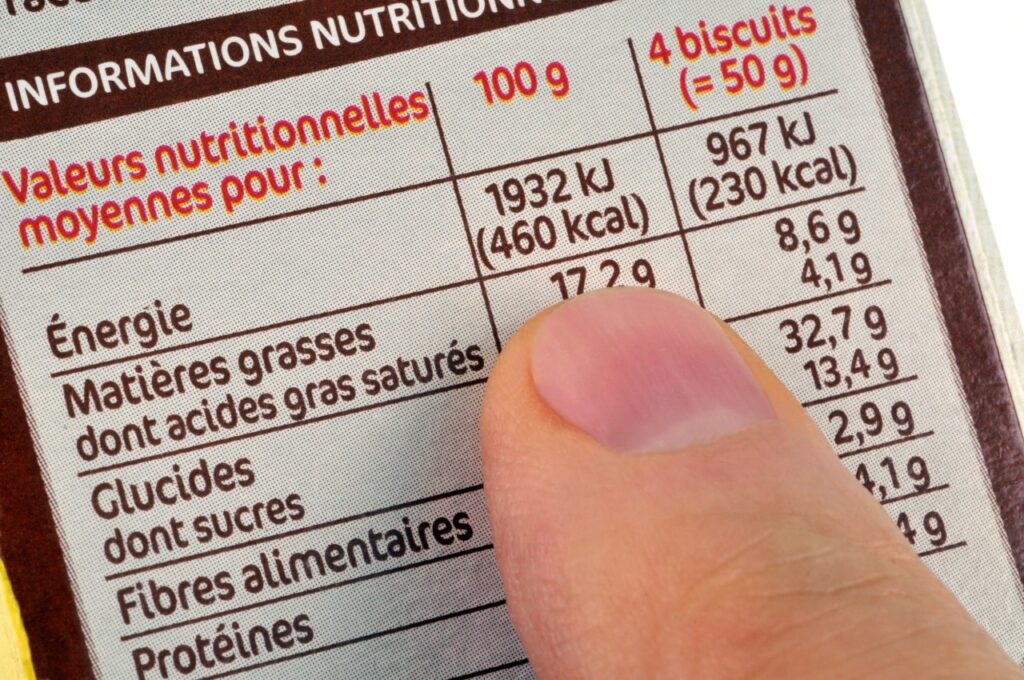
For shoppers walking down the snack aisle, the most immediate change will be improved clarity. Larger calorie numbers, clearer separation of added sugars, and more realistic serving sizes make it easier to understand what a single portion actually contains. Front-of-package cues or simplified nutrient highlights can speed up comparisons between similar products, reducing the need to decode fine print. For consumers actively trying to manage sodium, sugar intake, or overall calorie consumption, these adjustments provide more practical guidance during quick purchasing decisions. This added transparency places a clearer nutritional context directly in the hands of everyday buyers.
Still, clearer labels do not automatically transform behavior. Price promotions, flavor preferences, convenience, and long-standing brand loyalty continue to influence what ends up in the shopping cart. Many buyers balance health goals with budget limits and taste expectations, making trade-offs that extend beyond nutritional data alone. Even so, consistent exposure to transparent and standardized information can gradually shape awareness. Over time, this heightened visibility may encourage more thoughtful choices and foster a marketplace where measurable facts carry greater weight than marketing slogans alone.