13 Meals That Cost Less to Order Than to Cook at Home

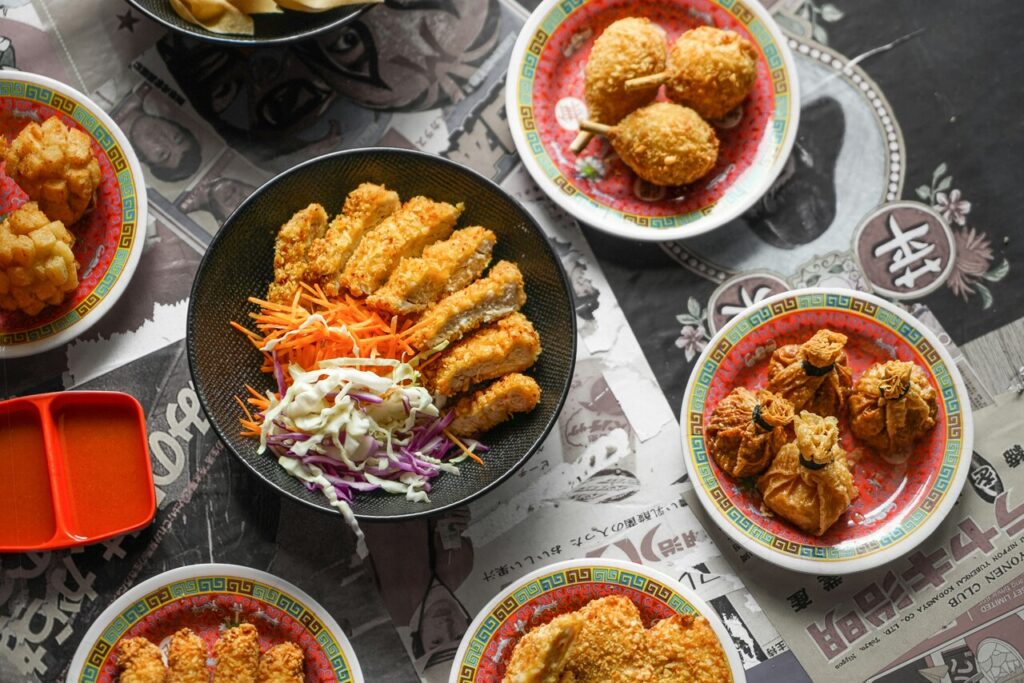
Cooking at home is often seen as the cheaper option, but that assumption does not always hold up. For certain meals, especially those with multiple ingredients or time-intensive preparation, ordering from a restaurant can actually cost less. Bulk purchasing, streamlined prep, and reduced food waste allow restaurants to price some dishes more competitively than home kitchens can manage for small portions. These meals show why eating out can sometimes be the smarter financial choice.
1. Restaurant Fried Chicken Platters Often Beat Home Frying Costs
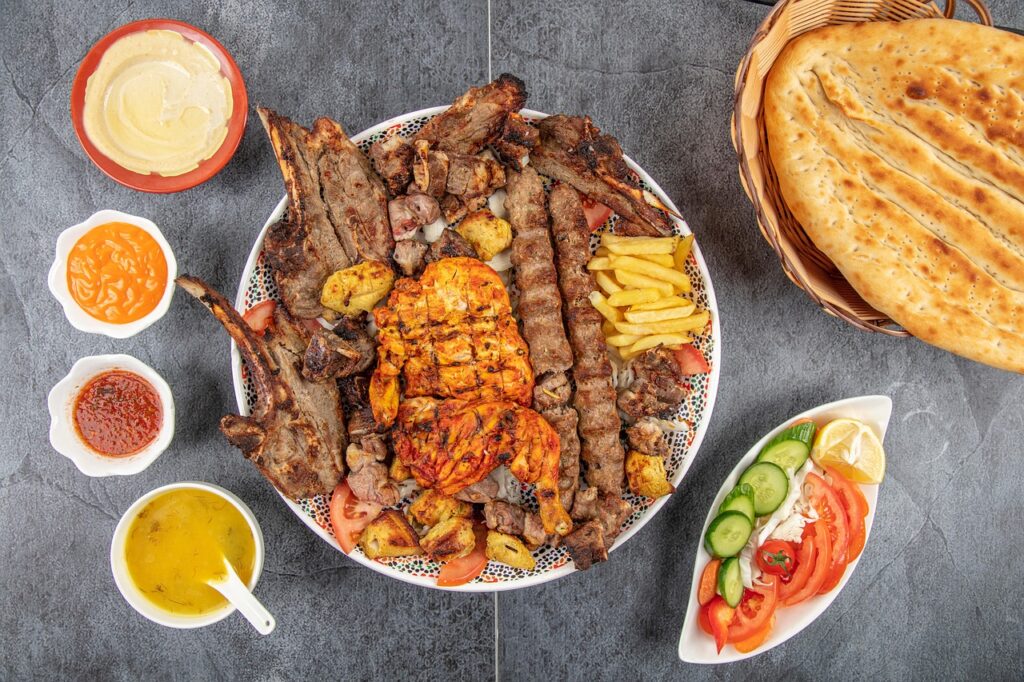
Fried chicken seems simple until you try to make it at home for just one or two people. Between buying raw chicken pieces, flour, spices, eggs, and a large amount of frying oil, the costs add up quickly. Oil alone is a major expense, especially when it must be replaced regularly for safety and flavor. Restaurants spread these costs across hundreds of orders, which allows them to price a full fried chicken meal competitively. Add sides like biscuits, coleslaw, or mashed potatoes, and the restaurant option often becomes cheaper. Cleanup and time investment further tilt the balance toward ordering out rather than frying at home.
2. Sushi and Poke Bowls Can Cost More to Make Safely at Home
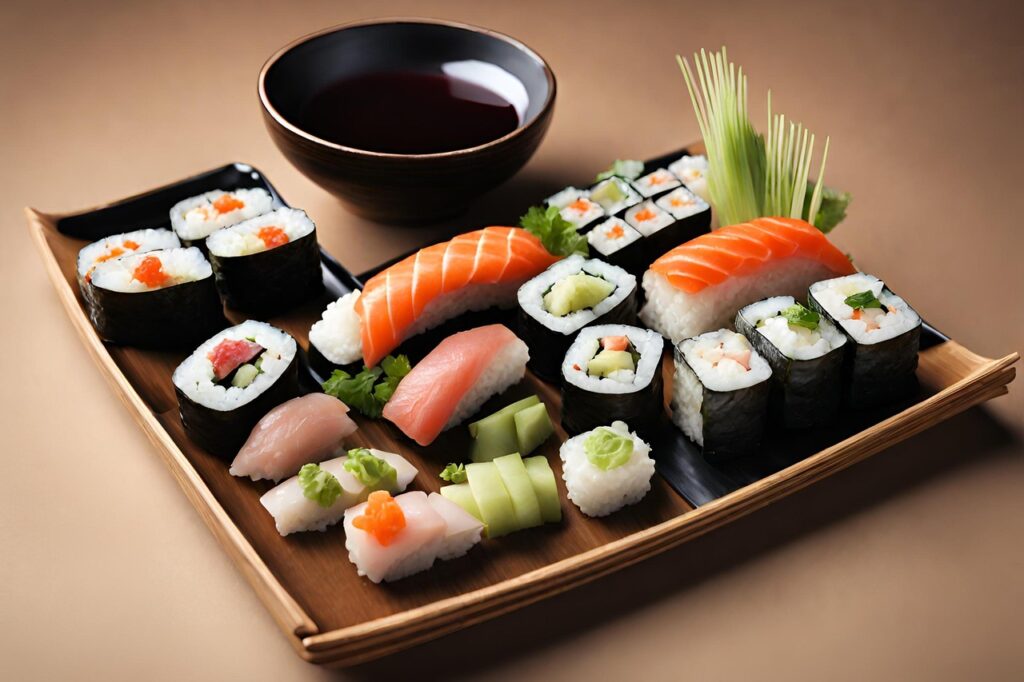
Quality sushi-grade fish is expensive and difficult to source safely for home use. Grocery store seafood suitable for raw consumption often comes at a premium, especially when purchased in small quantities. Add in rice vinegar, nori, sesame seeds, sauces, and fresh toppings, and costs climb quickly. Restaurants use high-volume purchasing and precise portioning to keep prices reasonable. When making sushi or poke at home, unused fish and ingredients can lead to waste, pushing costs even higher. For a single bowl or roll, ordering from a reputable restaurant is often cheaper and safer than cooking at home.
3. Authentic Ramen Bowls Are Costly to Recreate at Home
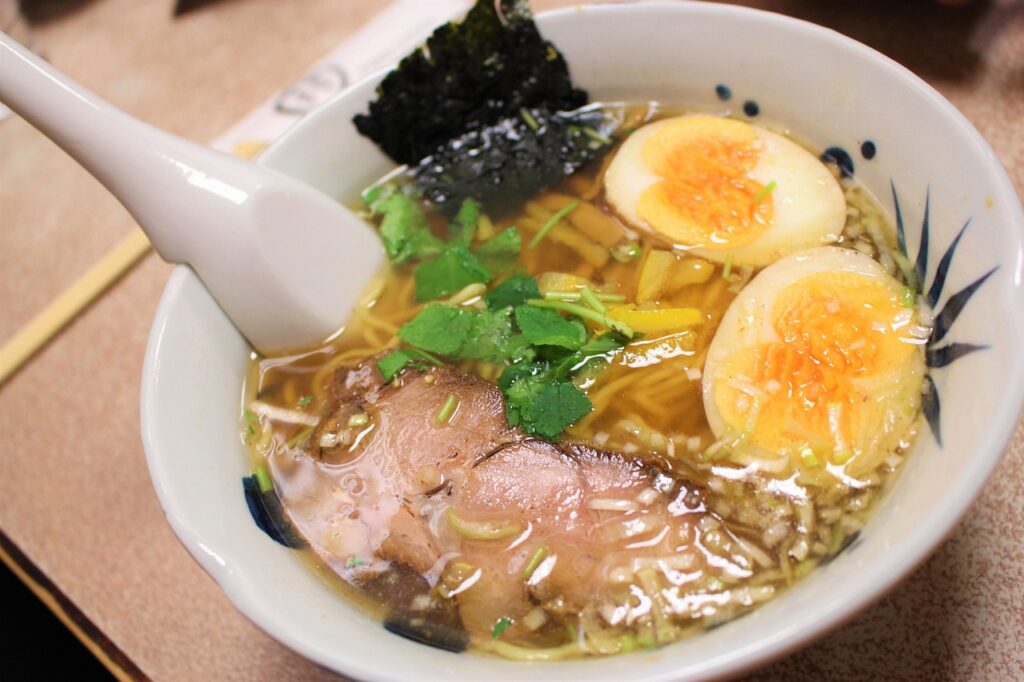
Ramen looks deceptively simple, but authentic versions rely on slow-simmered broths made from bones, aromatics, and specialty ingredients. At home, recreating that depth means purchasing bones, dried seafood, miso, soy sauce varieties, and toppings like bamboo shoots or specialty noodles. These items are rarely used up in one meal, making the per-serving cost high. Restaurants benefit from large-batch broth preparation and bulk purchasing, allowing them to sell a complete bowl for less than the combined grocery cost. For occasional ramen cravings, ordering out is often the more economical and practical choice.
4. Takeout Pizza Benefits From Bulk Ingredient Economics
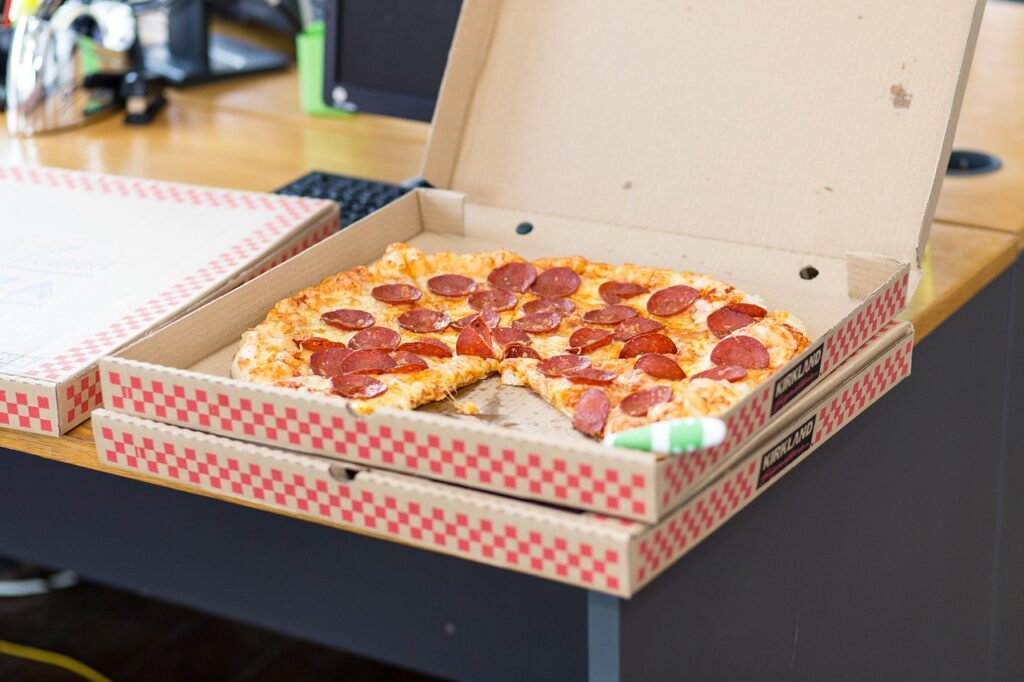
Pizza is a classic example of restaurant efficiency beating home cooking costs. At home, making pizza from scratch requires flour, yeast, cheese, sauce, toppings, and often specialized baking tools. Cheese alone can cost nearly as much as a discounted takeout pizza. Restaurants buy cheese, dough ingredients, and toppings in bulk and spread labor costs across many orders. With frequent promotions and combo deals, ordering pizza often costs less than assembling all the ingredients for one or two pies at home. Home kitchens also lack high-temperature ovens, which leads to longer bake times and higher energy use.
5. Indian Curry Dishes Become Expensive Without a Full Pantry
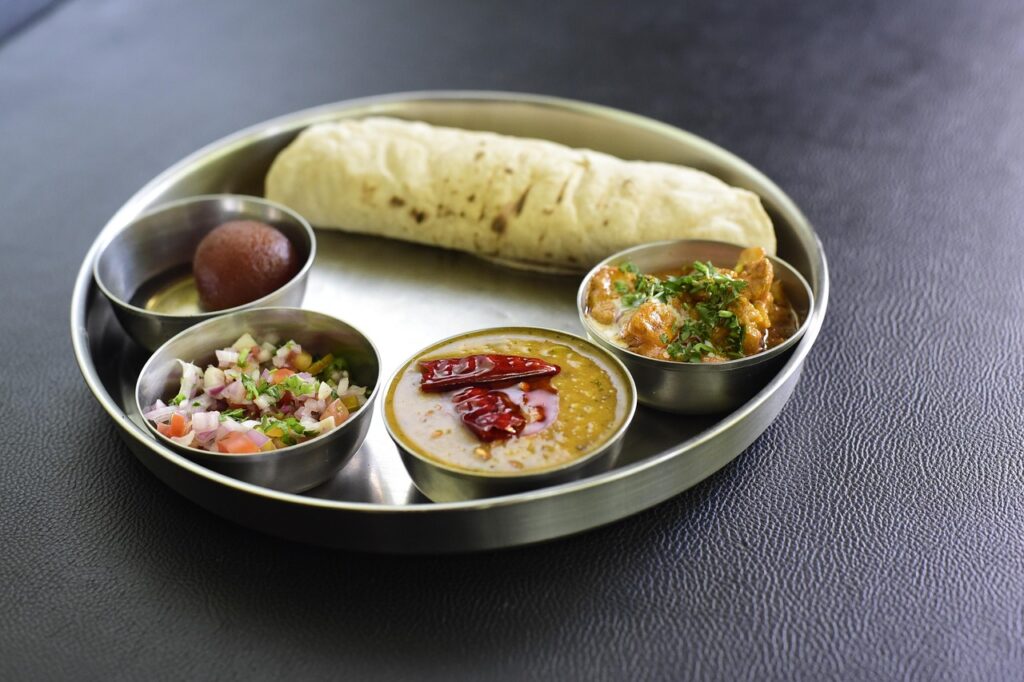
Indian curries rely on a wide range of spices, oils, and specialty ingredients that can be costly when purchased individually. Garam masala, cumin, cardamom, turmeric, ghee, and specialty lentils quickly increase grocery bills, especially for cooks who do not prepare these dishes often. Restaurants already have these items stocked and use them across many dishes daily. For someone cooking a single curry occasionally, ordering from a restaurant can be more cost-effective than buying spices that may sit unused for months. Whole spices lose potency over time, which makes infrequent use a poor value for home cooks.
6. Chinese Takeout Combos Offer Built-In Value
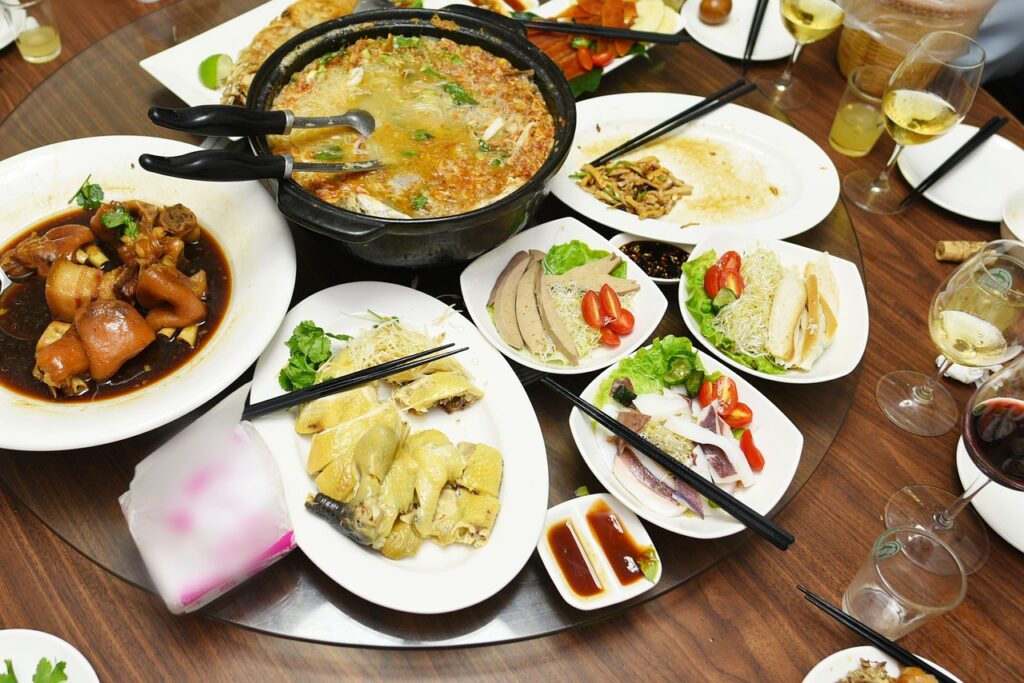
Chinese takeout meals are structured around value through combination pricing. A single order often includes an entrée, rice, and sometimes soup or an appetizer. Replicating this at home requires purchasing multiple sauces, oils, proteins, and vegetables. Small amounts of sesame oil, oyster sauce, or hoisin can be surprisingly expensive. Restaurants offset these costs through volume cooking and streamlined menus. For one meal, the bundled nature of Chinese takeout frequently undercuts the price of buying everything separately. Replicating restaurant heat levels at home often requires additional oil and higher fuel consumption.
7. Pad Thai and Noodle Dishes Depend on Hard-to-Find Ingredients
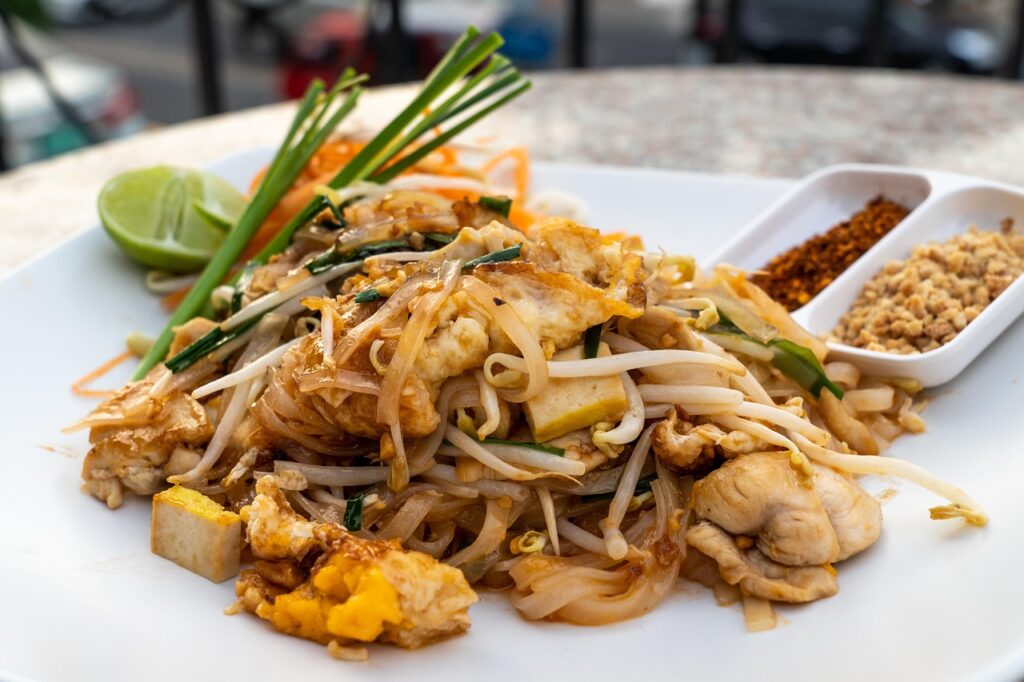
Pad Thai and similar noodle dishes require rice noodles, tamarind paste, fish sauce, palm sugar, and specific proteins. Many of these items are not staples in every kitchen and may require specialty grocery trips. Buying them individually often costs more than a restaurant plate. Restaurants prepare sauces in bulk and reuse ingredients across multiple dishes. For cooks who do not regularly make Thai food, ordering out is often the cheaper and less wasteful option. Specialty sauces often come in quantities far larger than what one recipe requires. Rice noodles and condiments frequently expire before they are fully used at home.
8. Specialty Sandwiches Can Outprice Home Versions
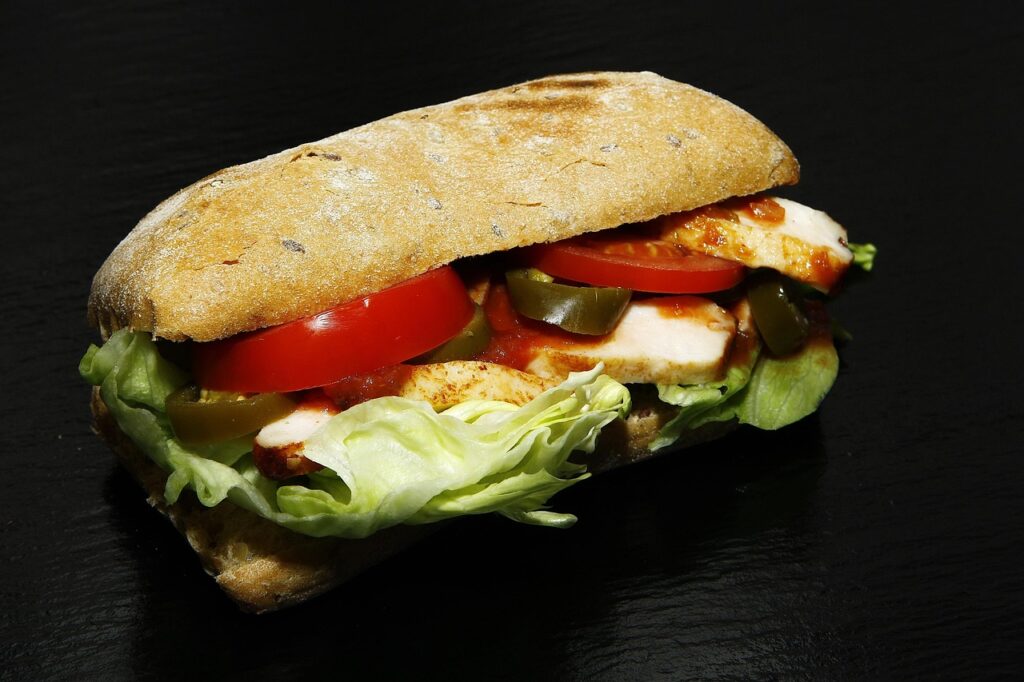
Restaurant sandwiches often include premium meats, artisan bread, specialty cheeses, and house-made sauces. Buying these ingredients at retail prices, especially in small quantities, can exceed the cost of ordering the finished sandwich. Bread and deli meats spoil quickly, increasing waste for occasional sandwich makers. Restaurants use standardized portions and bulk sourcing to control costs. Artisan breads and premium cheeses have short shelf lives once opened. Condiments used only once or twice add a hidden cost without long-term value. The result is a higher per-sandwich cost than ordering directly from a deli or café.
9. Barbecue Ribs Are Expensive Without Scale
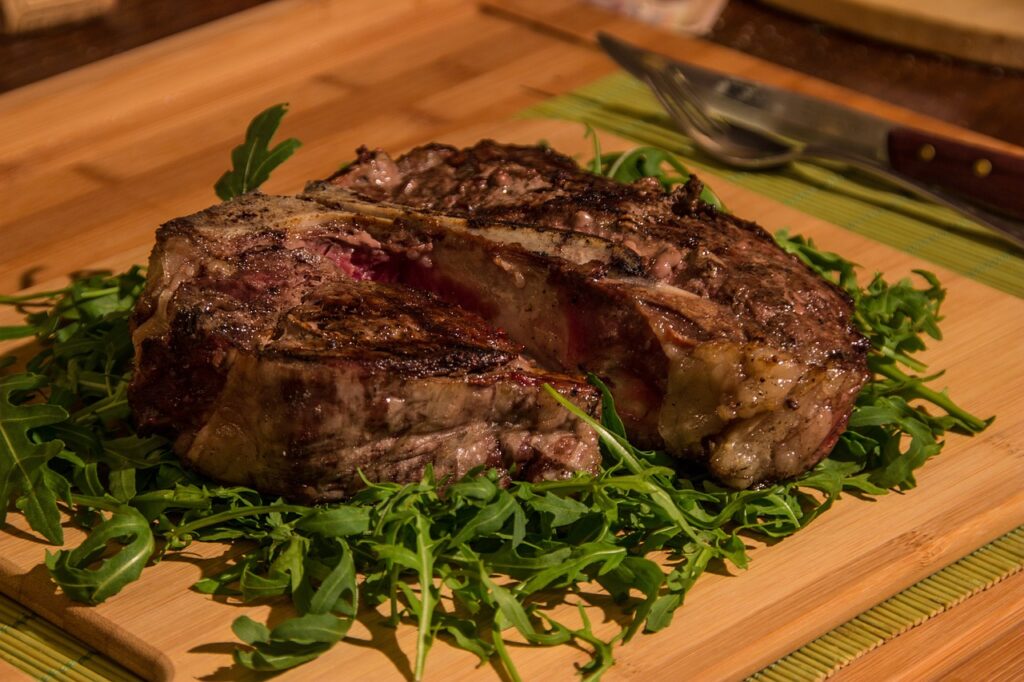
Barbecue ribs require quality meat, rub ingredients, long cooking times, and often fuel such as charcoal or wood. Cooking ribs properly at home can take hours and consume significant energy. Restaurants prepare ribs in large quantities, spreading labor and fuel costs across many plates. For someone craving ribs occasionally, the price of raw meat plus preparation costs often exceeds what a barbecue restaurant charges per serving. Fuel costs increase significantly when cooking low and slow for a single rack. Equipment wear and cleanup add additional indirect expenses. Restaurants reduce this risk through repetition and specialized equipment.
10. Burritos and Bowl Meals Stack Ingredient Costs Quickly
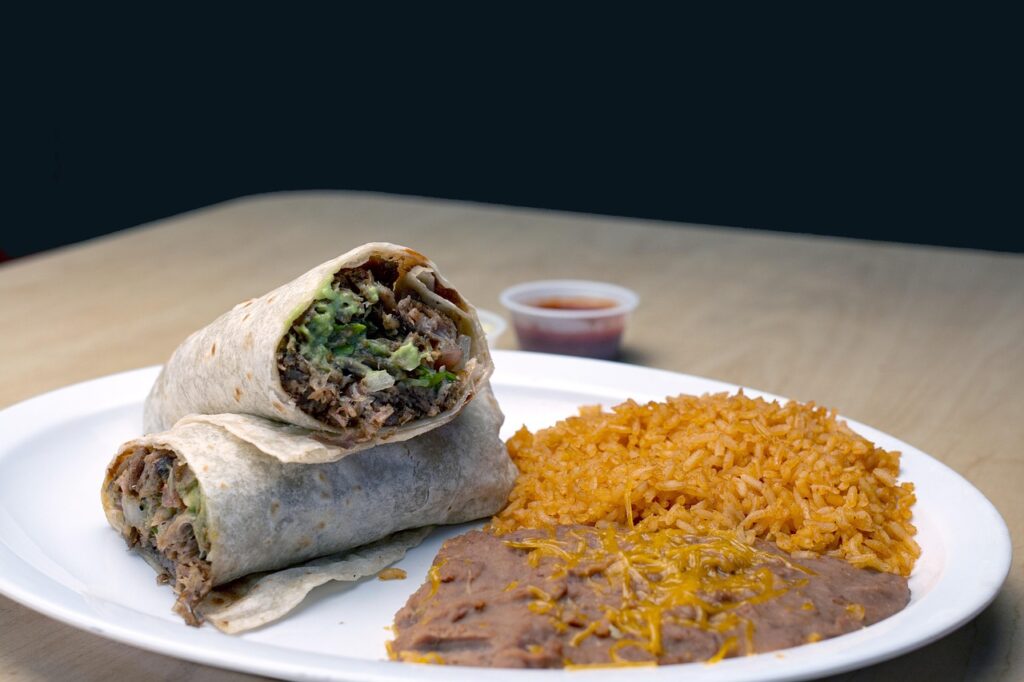
Burritos and bowl-style meals include rice, beans, seasoned meats, tortillas, multiple toppings, and sauces. Buying all these components separately can be expensive for a single meal. Restaurants portion ingredients carefully and reuse them across many orders. This allows them to offer filling meals at competitive prices. At home, leftover ingredients may go unused or spoil. Costs rise further when multiple proteins or premium toppings are involved. Prepared sauces and salsas often exceed the price of the finished meal. The cost difference becomes more noticeable when recipes call for fresh herbs or specialty marinades.
11. Fish and Chips Require Costly Fresh Seafood
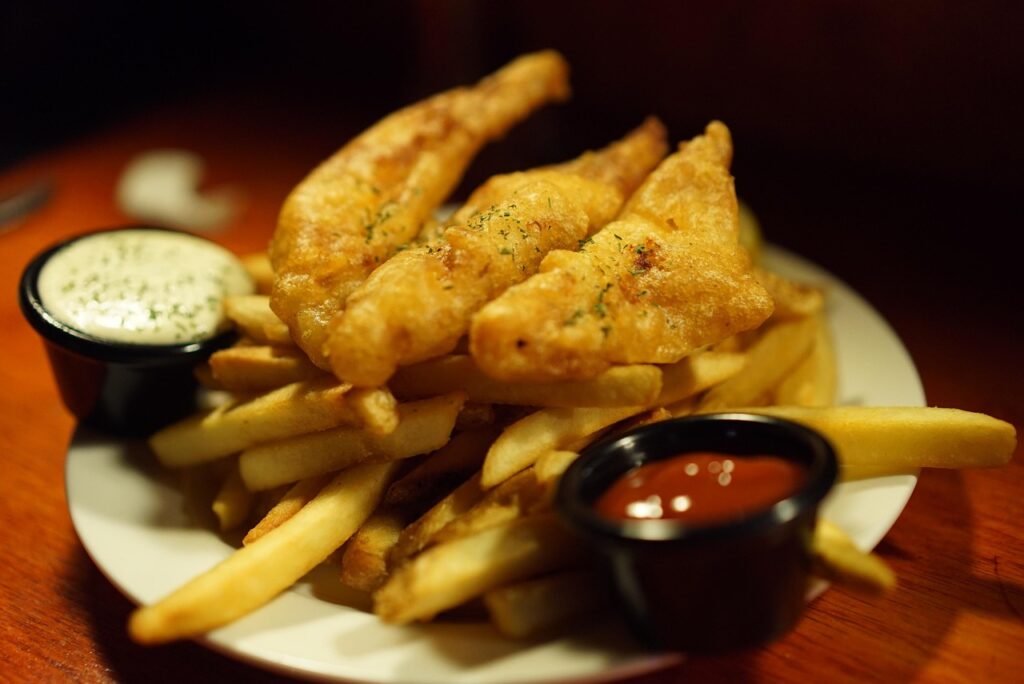
Fish and chips rely on fresh fish, potatoes, batter ingredients, and frying oil. Seafood prices fluctuate and are often high at grocery stores, especially for quality fillets. Frying at home also requires oil that may only be used once or twice. Restaurants purchase fish in bulk and reuse oil safely across many orders. Per-serving seafood costs are significantly higher when buying small quantities. Oil disposal and kitchen odor control add further inconvenience at home. Home cooks also face limited options if fresh fish is unavailable or overpriced locally. Restaurants can adjust sourcing more easily to keep costs stable.
12. Gourmet Salads Can Outcost Restaurant Versions
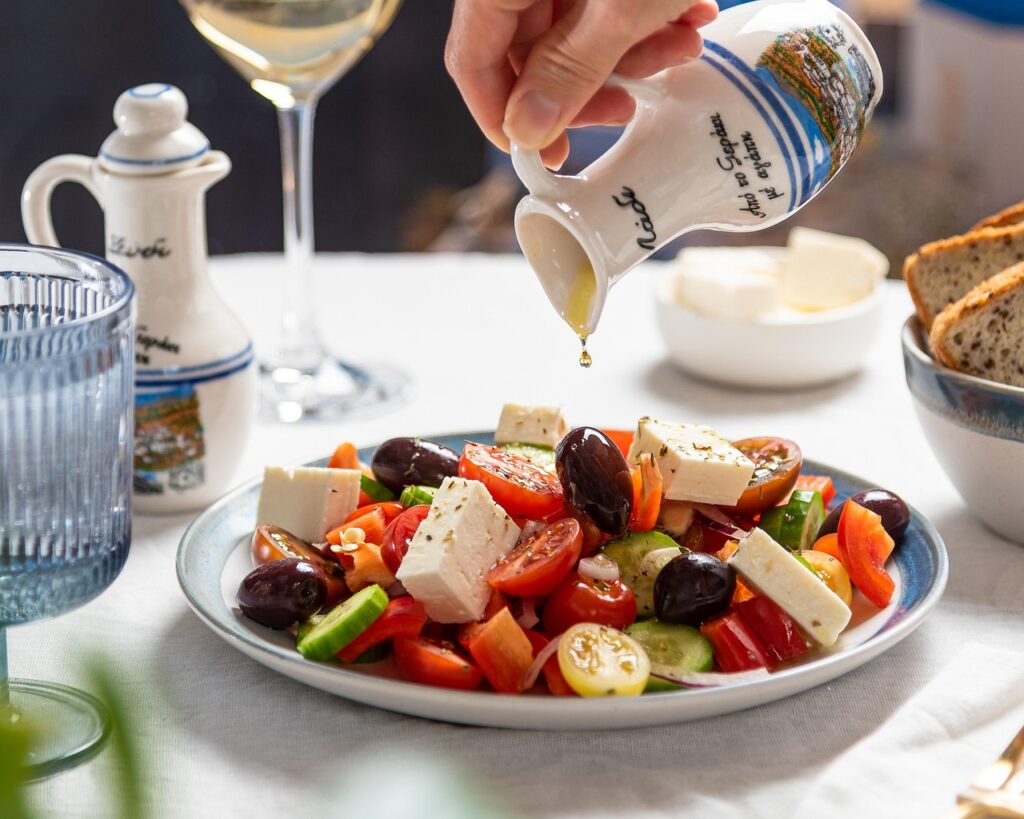
Restaurant salads often include mixed greens, nuts, cheese, dressings, and grilled proteins like chicken or salmon. Buying each component individually can quickly surpass the cost of ordering the salad. Fresh produce and proteins spoil quickly, leading to waste. Restaurants use precise portions and cross-utilize ingredients across menu items. Unused greens and proteins frequently spoil before a second use. House-made dressings eliminate the need for multiple bottled purchases. Seasonal ingredients can further raise grocery costs when items are out of peak availability. Restaurants offset this by rotating menus and suppliers efficiently.
13. Tacos and Taqueria Meals Add Up at Home
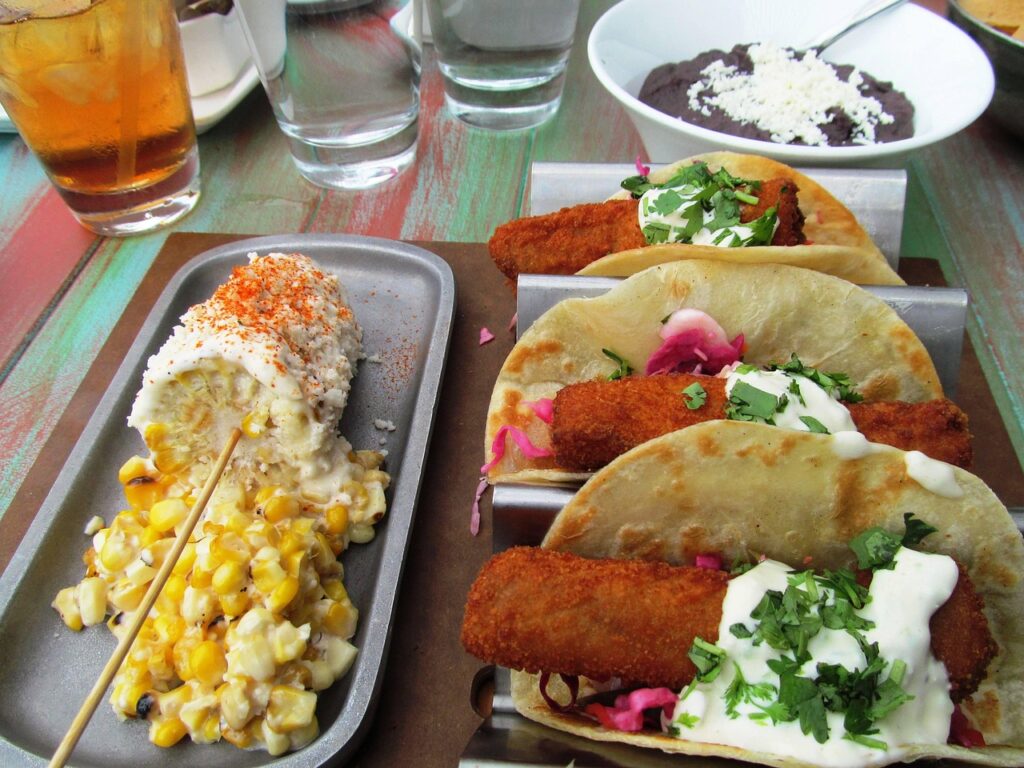
Tacos seem inexpensive until you factor in tortillas, seasoned meats, onions, cilantro, salsas, and cooking oil. Buying these items individually often costs more than ordering several tacos from a taqueria. Restaurants prepare meats in bulk and reuse toppings across hundreds of servings. At home, leftover tortillas or produce may go unused. For small quantities, restaurant tacos often deliver better value and less waste. Slow-cooked or marinated meats increase prep time and energy costs. Specialty salsas and tortillas often go stale before reuse. Authentic preparation also requires time-intensive techniques that are hard to justify for one meal.