10 Meals Middle Class Moms Made in the 80s

Dinner in the 1980s was shaped by practicality, convenience, and the realities of middle-class family life. Moms relied on affordable ingredients, packaged shortcuts, and meals that could stretch to feed everyone without sacrificing comfort. These dishes weren’t about culinary trends but about reliability, familiarity, and getting food on the table after long days. From weeknight staples to party favorites, these meals reflect how families ate, gathered, and found small comforts in everyday cooking during a decade defined by balance rather than excess.
1. Shake ’n Bake Pork Chops Made Dinner Feel Special
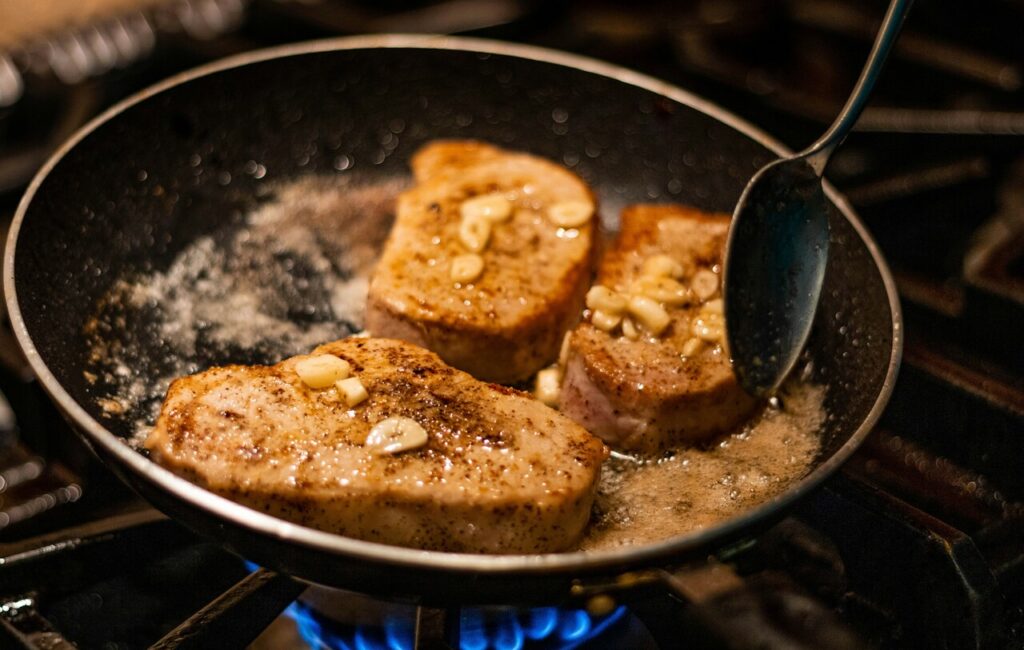
Shake ’n Bake pork chops brought a sense of novelty to everyday meals. The ritual of coating the meat inside a paper bag made cooking feel interactive, especially for kids helping in the kitchen. Pork chops were a common, affordable protein, and the seasoning mix removed the need for multiple spices. Baking instead of frying reduced mess and made the dish feel slightly healthier by the 1980s standards. The result was crispy, flavorful meat with minimal effort. For many families, this meal felt like an upgrade from plain meat and potatoes without increasing cost or complexity. It fit perfectly into the era’s embrace of packaged shortcuts.
2. Salisbury Steak Turned Ground Beef Into Comfort Food
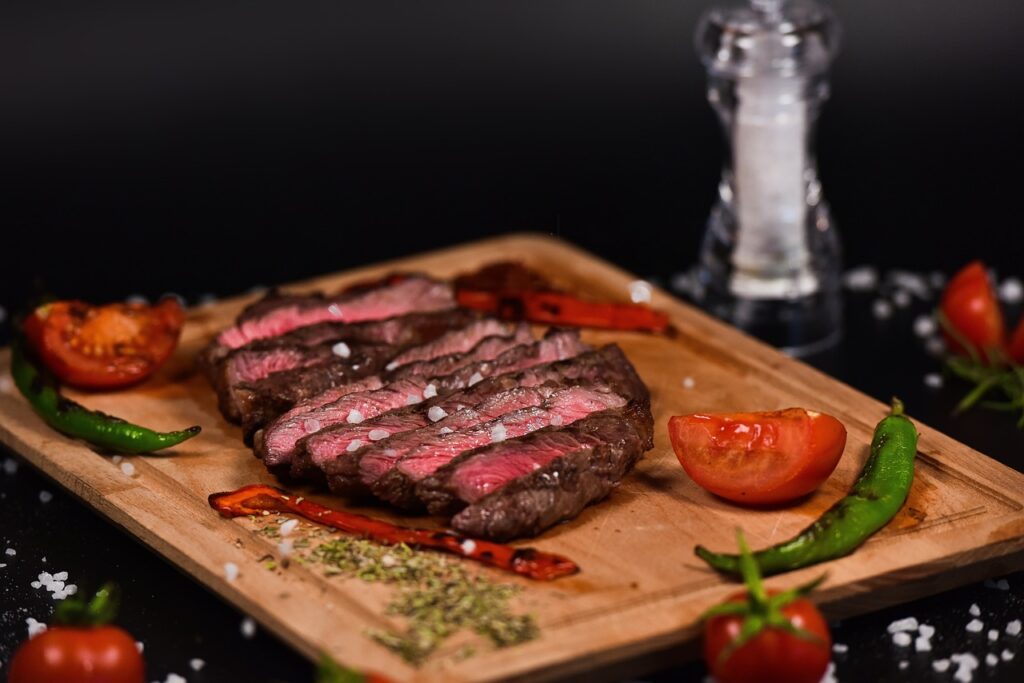
Salisbury steak transformed humble ground beef into something that felt hearty and grown-up. Shaped into patties and covered in brown gravy, it paired naturally with mashed potatoes or egg noodles. The dish relied on ingredients already common in most kitchens, including canned soup mixes that simplified the sauce. It was filling, inexpensive, and adaptable to large families. Salisbury steak also reheats well, making it practical for leftovers. For middle-class households, it represented comfort food that required little planning. The dish reflected how home cooks maximized flavor using simple techniques and pantry staples.
3. Seven Layer Dip Ruled Parties and Potlucks
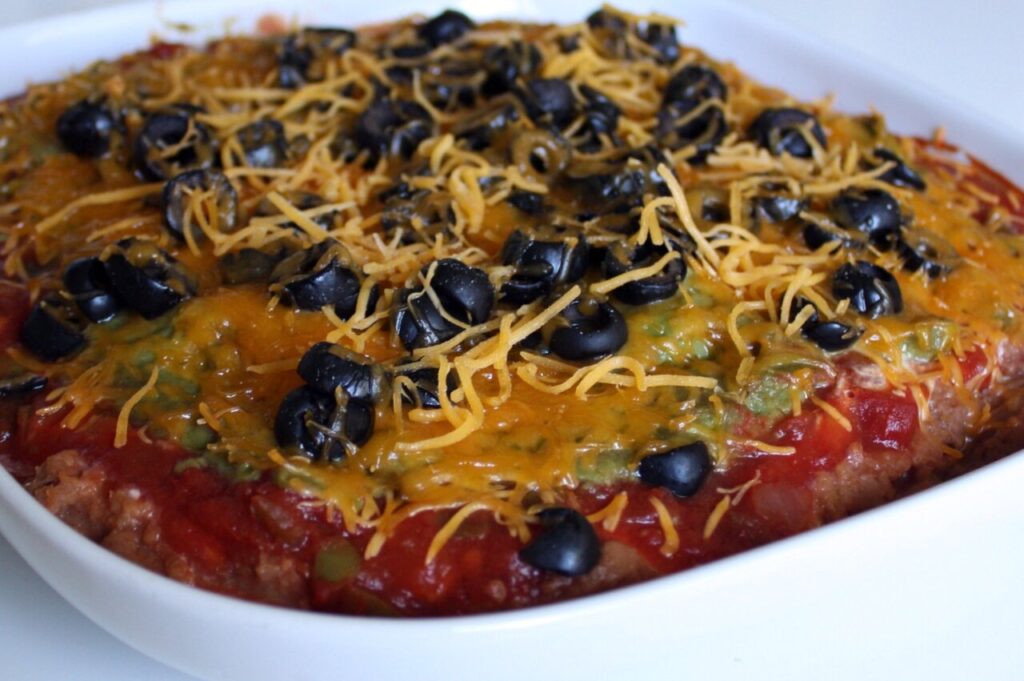
Seven-layer dip was less about daily dinners and more about social food culture. It appeared at birthday parties, game nights, and holiday gatherings with striking regularity. Built from refried beans, sour cream, cheese, and vegetables, it required no cooking and could be assembled quickly. Each layer added texture and color, making it visually appealing. The dish was economical because it fed many people using relatively small amounts of each ingredient. It also aligned with the 1980s love for layered presentation and shareable snacks. For moms, it was a dependable crowd-pleaser that traveled well and disappeared fast.
4. Poke Cake Made Dessert Effortless and Fun

Poke cake captured the 1980s enthusiasm for boxed mixes and creative shortcuts. By poking holes into a baked cake and pouring gelatin or pudding over it, moms added flavor and moisture without extra baking skill. The result was colorful, sweet, and visually impressive. Ingredients were inexpensive and widely available, making it an easy dessert for birthdays or school events. Poke cake also refrigerated well, which suited busy households. It reflected a time when dessert emphasized fun and abundance over precision. For many families, it became a signature treat tied to celebrations and nostalgia.
5. French Bread Pizza Solved the What’s for Dinner Question
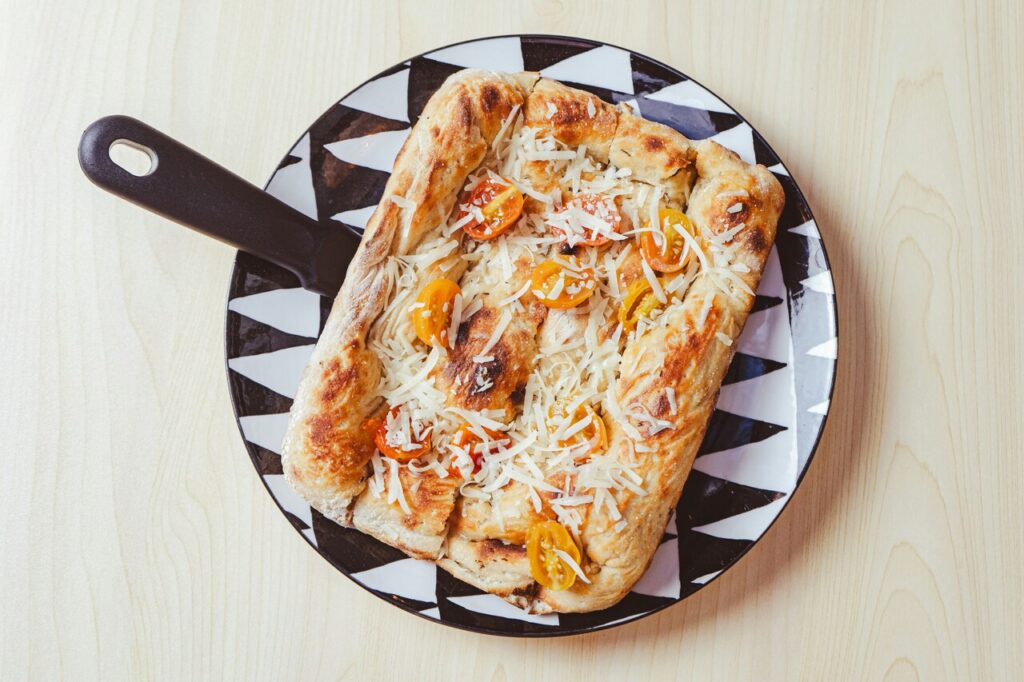
French bread pizza was the ultimate shortcut meal. Using store-bought French bread eliminated dough preparation, while jarred sauce and shredded cheese kept costs low. The pizzas baked quickly and could be customized for each family member. This flexibility mattered in households with different preferences. French bread pizza was also a gateway meal for kids learning to cook, reinforcing its popularity. It embodied the 1980s focus on convenience without abandoning the idea of a shared family dinner. The dish was simple, filling, and dependable, which is why it appeared so often on weekly meal rotations.
6. Beef Stroganoff Felt Fancy Without the Price Tag
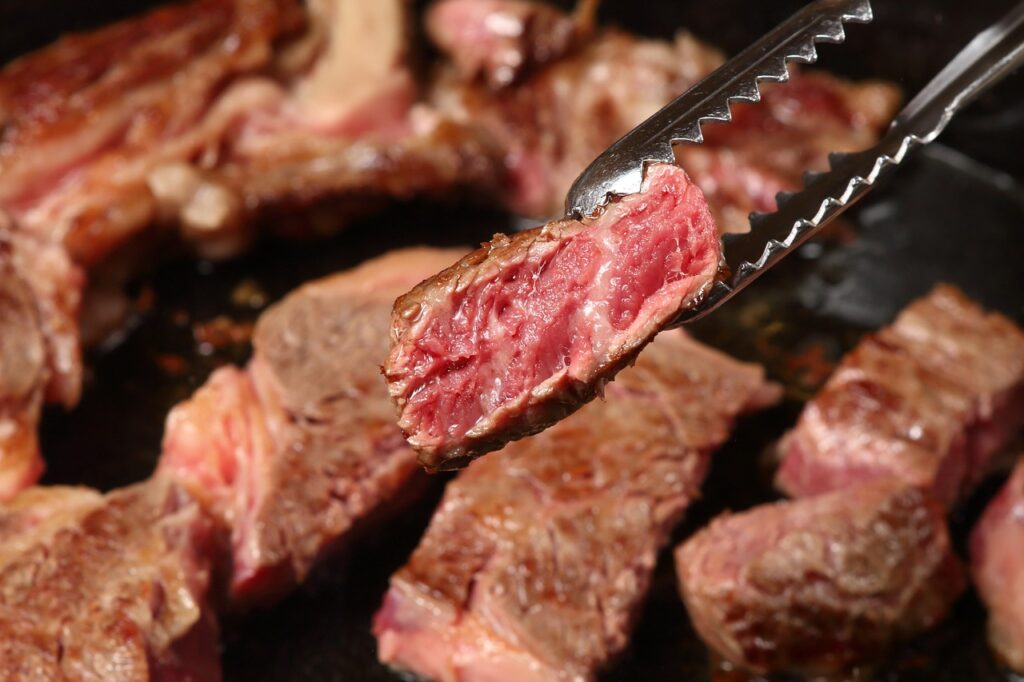
Beef stroganoff in the 1980s often used ground beef instead of steak, making it more affordable while preserving the creamy appeal. Canned soup simplified the sauce, and egg noodles stretched the meal further. The dish felt indulgent thanks to its richness, even though it relied on economical ingredients. It also suited large families, as it scaled easily and reheated well. Stroganoff represented a desire to bring restaurant-style meals into the home using shortcuts. For middle-class moms, it offered variety without requiring specialized skills or expensive groceries. It was also a dependable way to introduce kids to creamy sauces without overwhelming flavors.
7. Penne With Vodka Sauce Signaled Changing Tastes
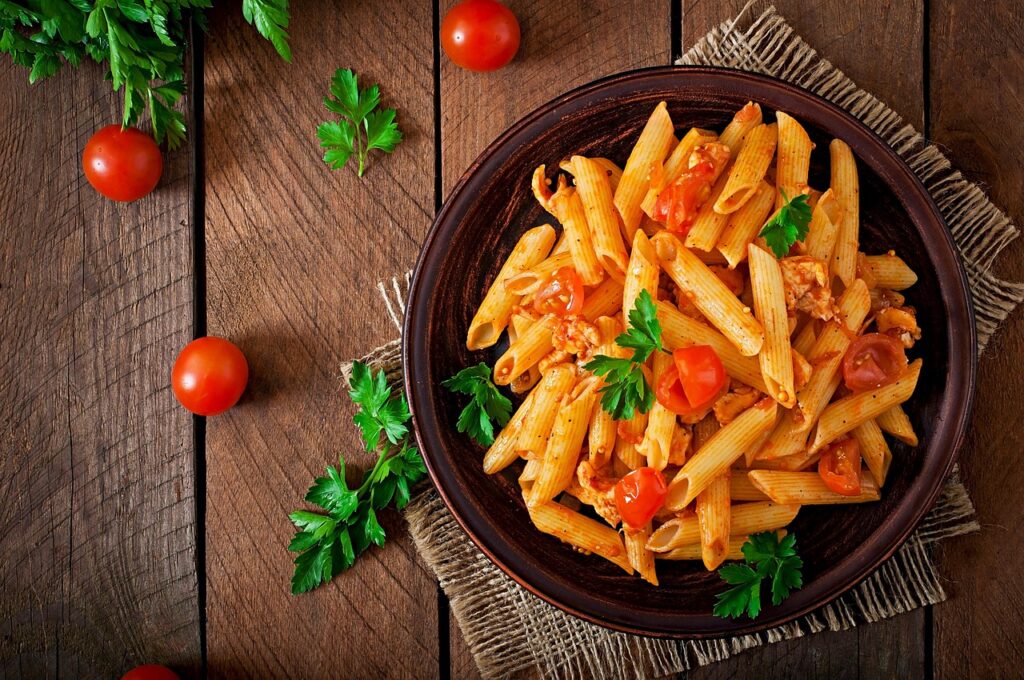
Penne with vodka sauce reflected the growing influence of Italian-American cuisine in home kitchens. The sauce felt modern and slightly sophisticated, even though it relied on pantry ingredients like canned tomatoes and cream. The addition of vodka was more symbolic than functional, signaling adulthood and trend awareness. Pasta itself was affordable and filling, making it ideal for feeding families. This dish showed how 1980s moms experimented with new flavors while keeping meals accessible. It bridged the gap between tradition and trend, offering a sense of novelty. Its popularity also mirrored the decade’s growing interest in global flavors.
8. Monkey Bread Turned Breakfast Into an Event
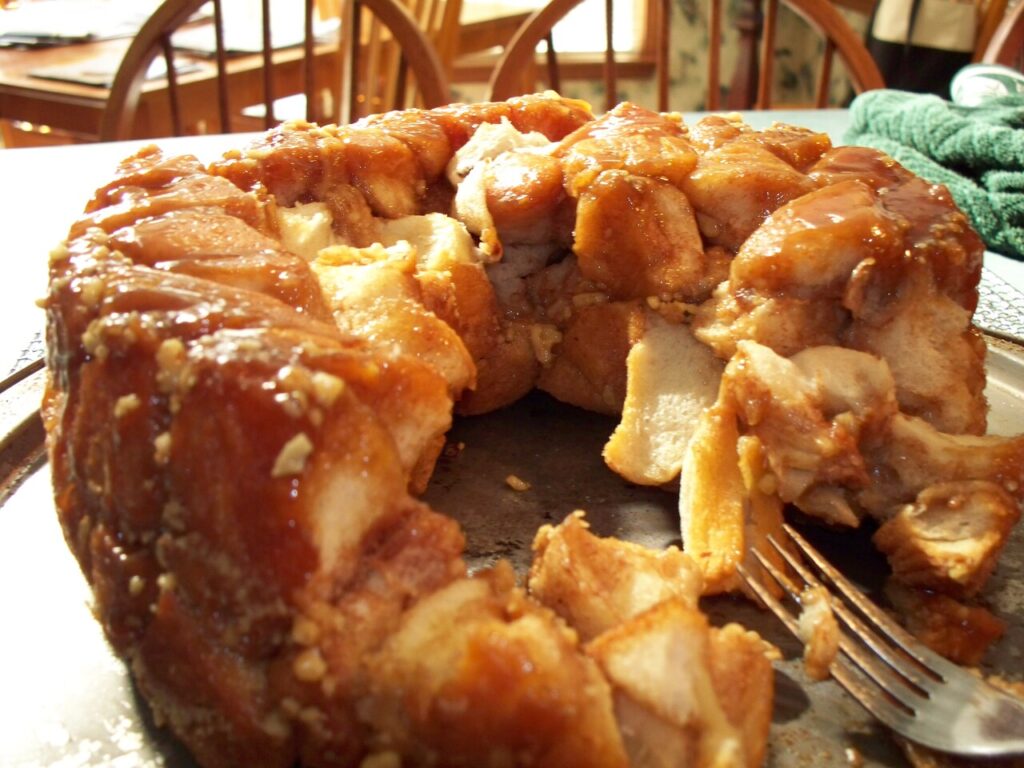
Monkey bread was as much about experience as taste. Made from canned biscuit dough coated in cinnamon and sugar, it was baked into a sticky, pull-apart loaf meant to be shared. The dish was easy to assemble and forgiving, which made it popular for holidays and weekends. Ingredients were inexpensive, and the result felt indulgent. Monkey bread encouraged communal eating, reinforcing family rituals. It fit perfectly into the 1980s emphasis on convenience foods that still felt special. For many households, it became a tradition tied to mornings spent together. That sense of occasion helped turn an ordinary morning into a memorable one.
9. Hard Shell Tacos Made Dinner Interactive
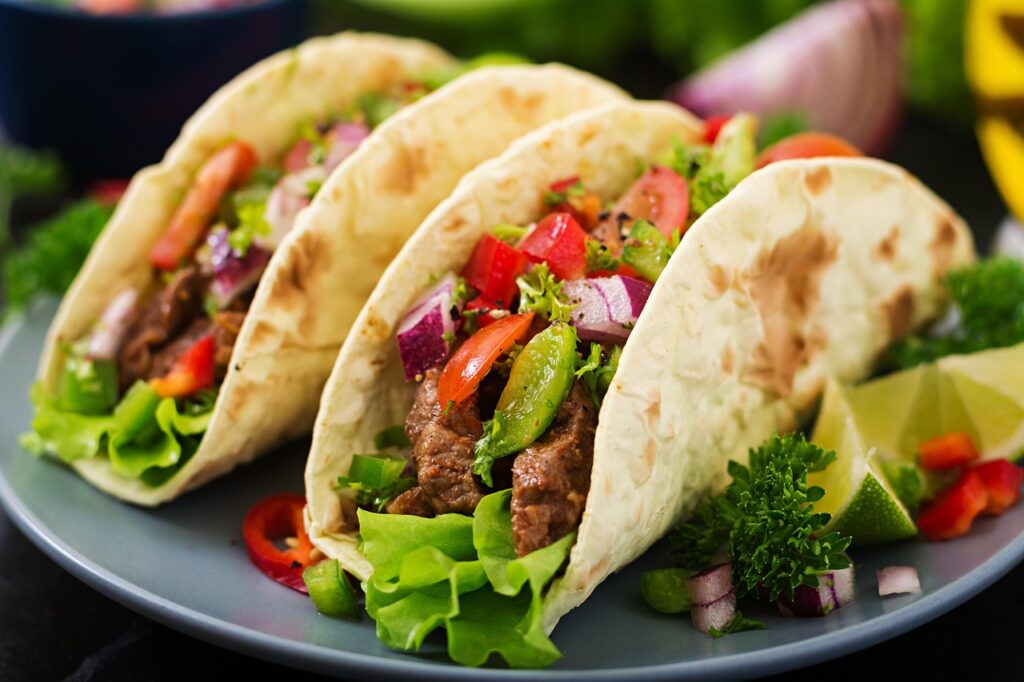
Hard shell tacos turned dinner into an activity. Pre-formed shells, seasoning packets, and simple toppings kept preparation straightforward. Each family member assembled their own plate, reducing complaints and increasing engagement. Ground beef remained the primary protein, keeping costs manageable. Taco night also introduced variety into weekly menus without straying too far from familiar flavors. The meal reflected broader cultural influences entering American homes during the decade. For middle-class moms, tacos offered flexibility, affordability, and a sense of fun that made them a recurring favorite.
10. Sloppy Joes Were the Weeknight Safety Net
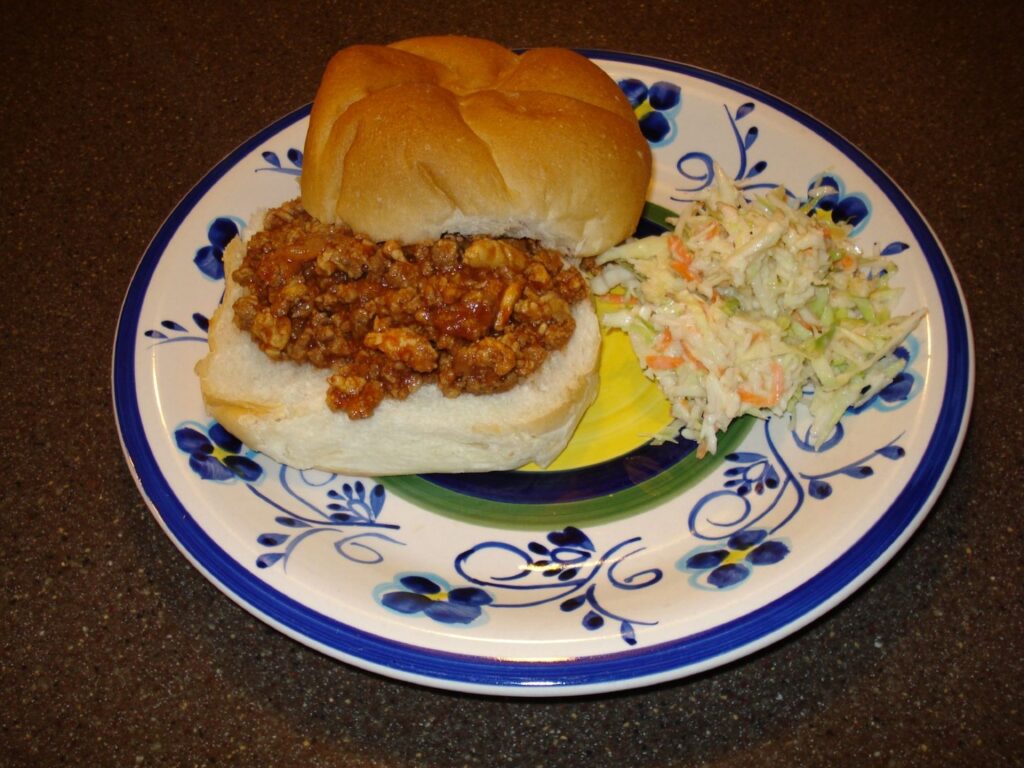
Sloppy Joes earned their place in 1980s kitchens because they solved multiple problems at once. Ground beef was affordable, shelf-stable sauces like Manwich were widely available, and the entire meal could be on the table in under 30 minutes. For middle-class moms balancing work, school schedules, and tight grocery budgets, that reliability mattered. The sandwich format also meant fewer dishes and easier cleanup. Kids liked the sweetness and messiness, which reduced mealtime resistance. Sloppy Joes reflected the decade’s shift toward convenience foods that still felt homemade, striking a balance between speed and comfort.