7 Risky Cooking Tricks That Can Seriously Backfire in Your Kitchen

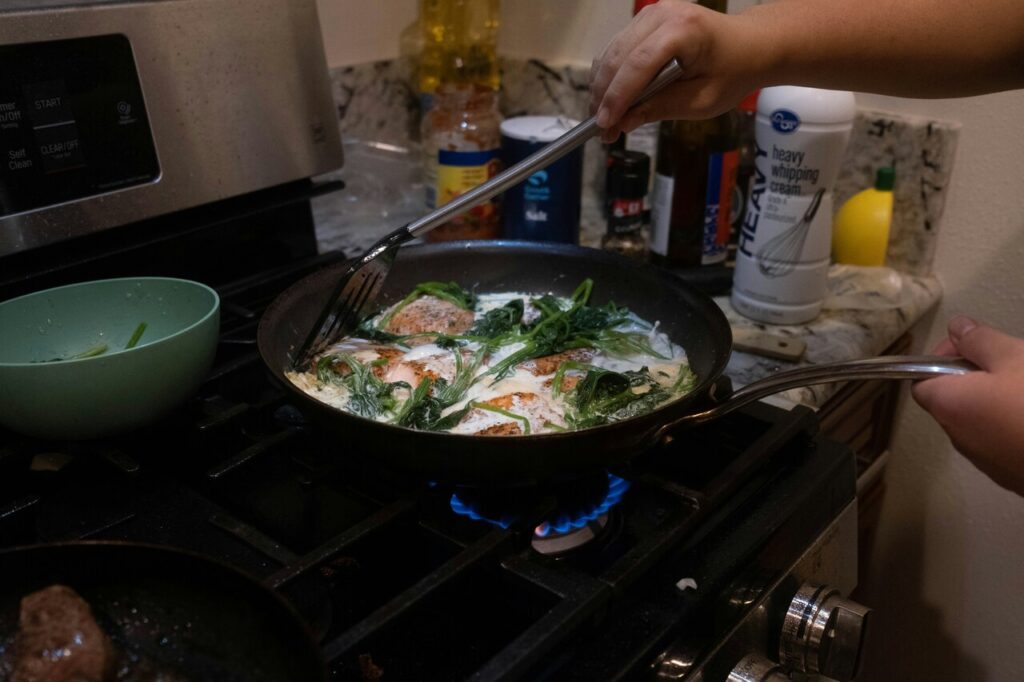
Cooking tricks spread because they promise speed, less cleanup, or instant improvement, yet some shortcuts clash with basic kitchen science. Hot oil reacts violently with water, crowded pans trap steam instead of browning, and strong acids can wreck texture while pretending to “tenderize.” Even harmless-looking habits, like microwaving the wrong plastic or skipping preheating, can cause safety issues or consistently disappointing results. The goal is not fear; it is control: heat, moisture, timing, and materials decide outcomes, and risky tricks often ignore those fundamentals.
1. “Quick Marinade” With Excess Acid
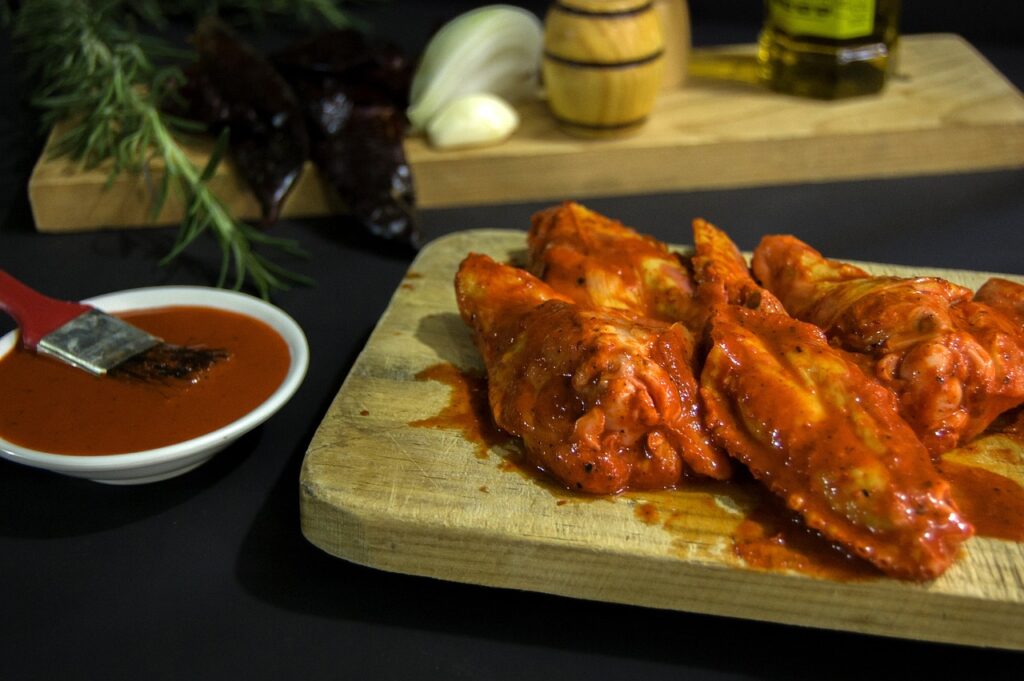
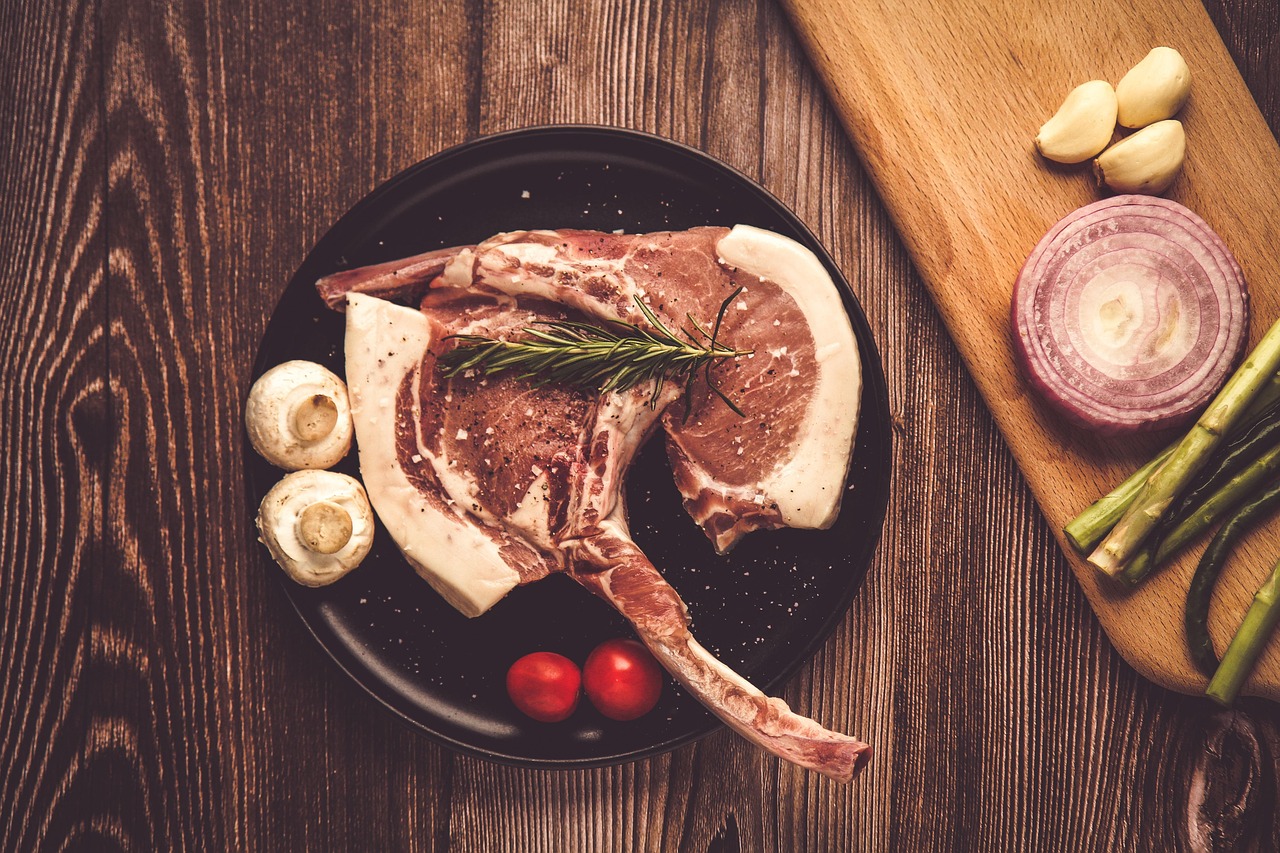
Fast tenderizing sounds smart, yet a strong acid marinade can turn meat unpleasantly soft instead of juicy. Acids like vinegar, lemon juice, and yogurt change protein structure at the surface, which is why a short, mild marinade can improve flavor and texture, but an aggressive one can push the outer layer into a mushy, chalky zone while the center stays unchanged. Thin cuts are especially vulnerable because more of the meat is exposed to the acidic liquid, and the change can happen faster than expected. A balanced approach keeps acid modest, limits time, and relies on salt, aromatics, and fat for the main impact.
2. Pouring Water Into Hot Oil to Stop a Sizzle
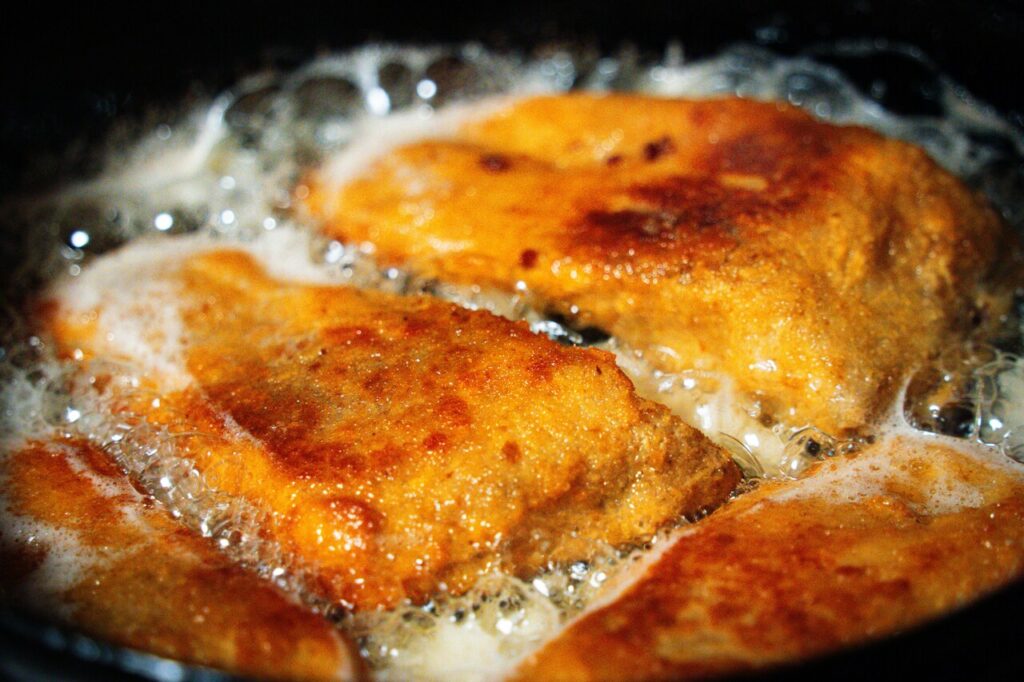
A dramatic sizzle can feel like a problem to “fix,” yet adding water to hot oil is one of the fastest ways to create a dangerous kitchen moment. Water is heavier than oil, so it sinks, then instantly turns to steam at frying temperatures, and that rapid expansion can blast oil outward in a violent spray that can burn skin and ignite nearby grease. Even a small splash can cause an explosive reaction, and the risk climbs when oil is deep or very hot. If heat needs to be reduced, the safe move is turning down the burner and removing the pan from the heat briefly, then letting bubbling calm naturally. For flare-ups, a lid or sheet pan can smother oxygen, and baking soda can help with small grease fires.
3. Using Vinegar or Salt to Make Eggshells Peel Easily
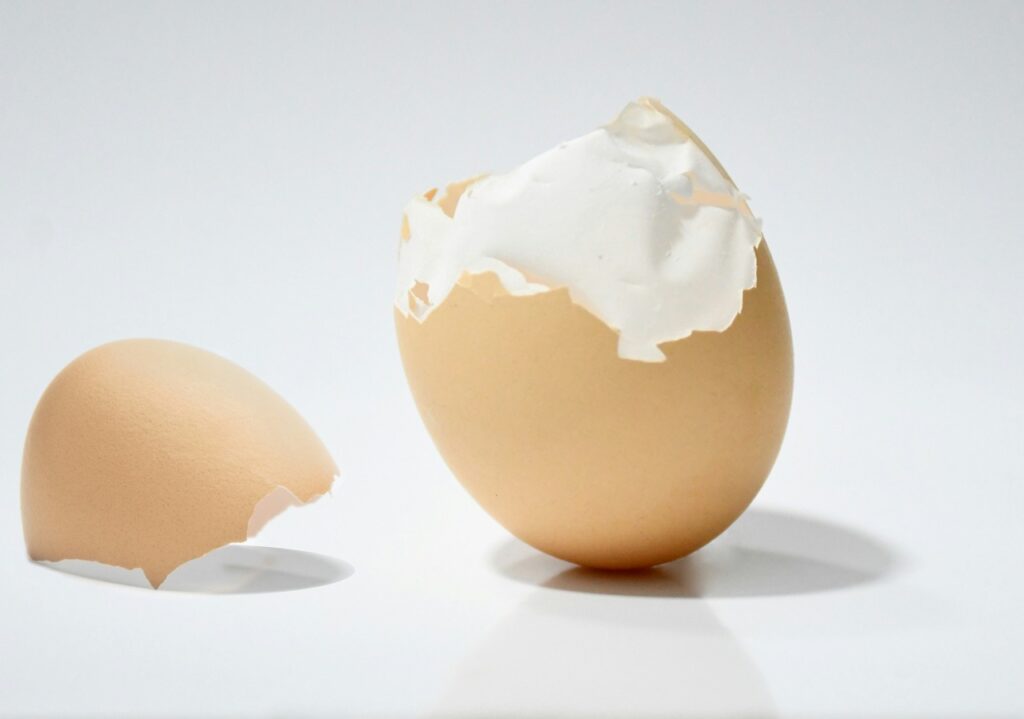
Easy-peel tricks get repeated because peeling can be annoying, yet salt or vinegar in boiling water is not a reliable shortcut and can create side effects. Vinegar can weaken shells slightly, but it can also increase the chance of whites leaking if a shell cracks, since the acidic environment encourages faster coagulation at the crack point, which can glue bits of white to the shell. The most consistent factors are age and cooling: slightly older eggs usually peel better, and a fast chill in ice water after cooking helps separate the membrane. Gentle handling and steady simmering also reduce cracks, which are the real enemy of clean peels.
4. Adding Cold Ingredients Straight Into Hot Oil or Fat
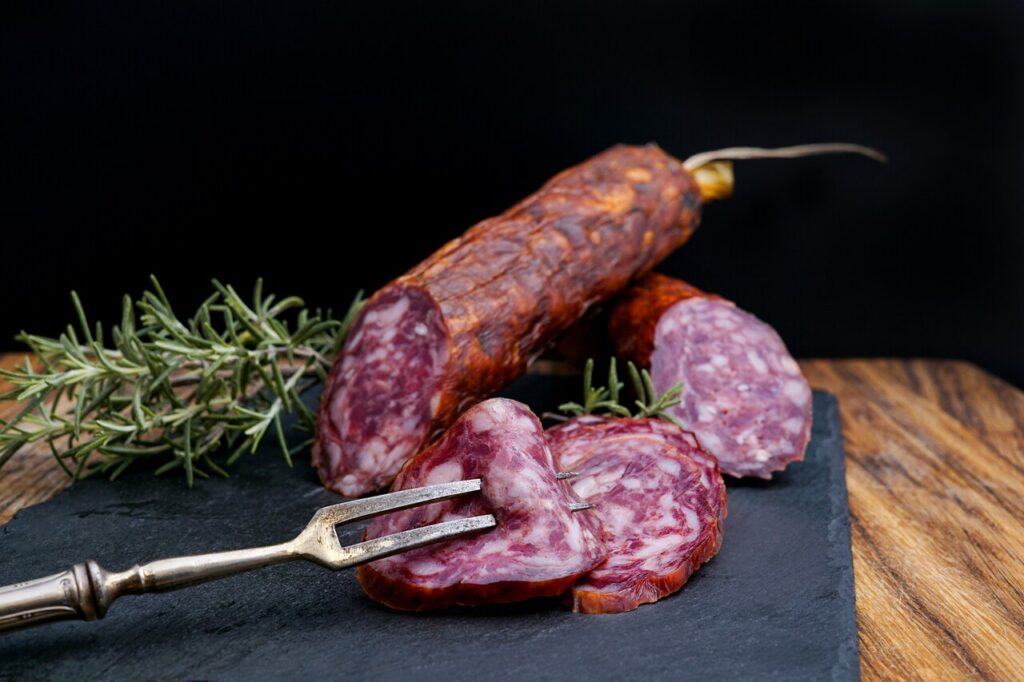
Speed can tempt shortcuts, yet dropping cold, wet, or icy ingredients into hot oil is a classic way to trigger splatter and uneven cooking. Moisture is the key problem because water and hot fat do not mix, and surface water flashes to steam, throwing droplets of oil outward, which can cause burns and coat stovetops with grease. Frozen items add extra risk because ice melts into water, and the rapid steam burst can be intense. Patting food dry, letting it warm slightly when appropriate, and adding items gently along the far side of the pan reduce splatter. Using a thermometer and working in smaller batches keeps the heat stable.
5. Microwaving Plastic Containers With Food
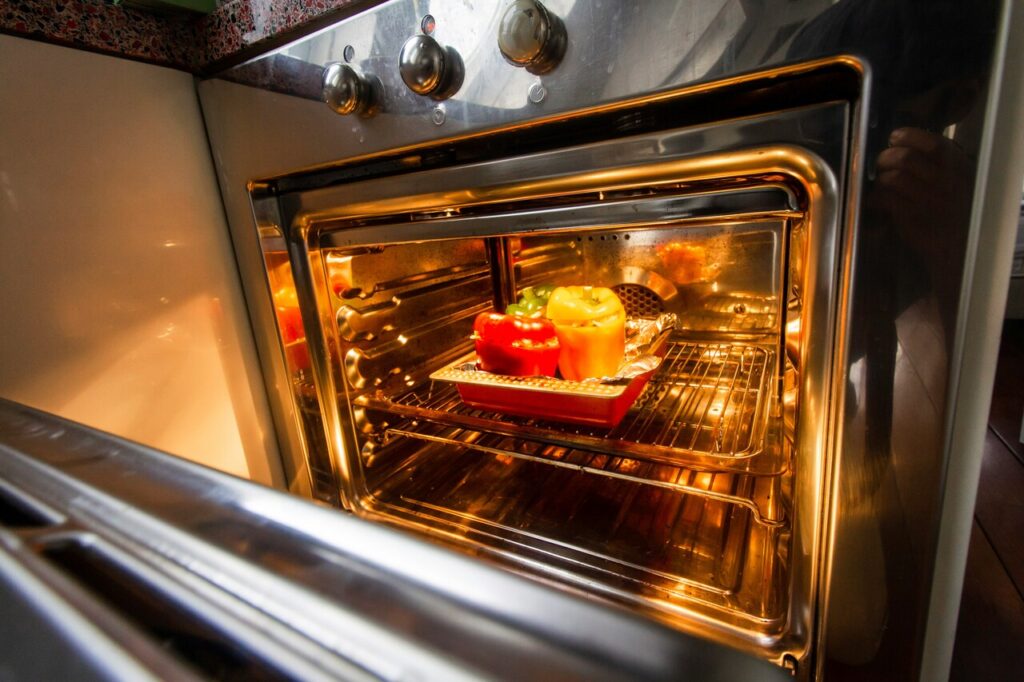
A container that looks microwave-safe can still be a weak link, because heat and fat can encourage chemical migration from some plastics into food, and labels and plastic types vary widely. Even when a container is marketed for microwaves, wear and tear matters: scratched, cloudy, or old plastic can degrade, and repeated heating can warp it, which increases the chance of leaching and physical failure. Glass, ceramic, and truly microwave-rated containers reduce risk, and venting the lid prevents pressure build-up. Fatty foods heat very hot in microwaves, so plastic contact becomes a bigger concern there than with water-heavy foods.
6. Overcrowding a Pan to Save Time
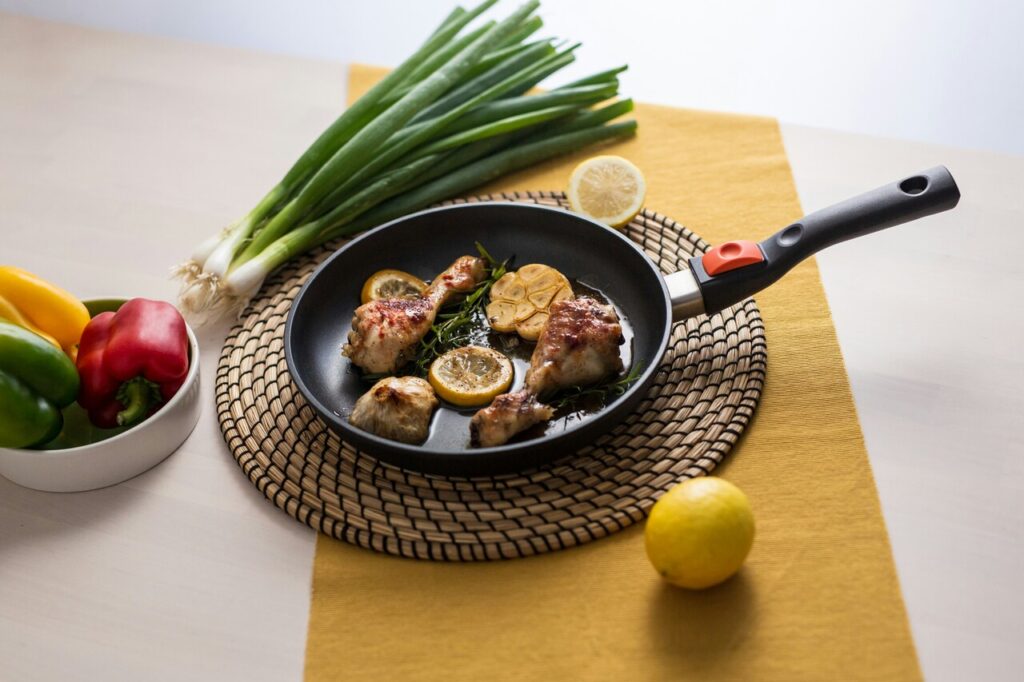
Saving time in a pan often costs time on the plate, because overcrowding traps steam and blocks browning. Browning needs heat and dry surface conditions, and when too much food is packed in, moisture has nowhere to go, so the pan turns into a steamer and food turns pale and soft instead of crisp and flavorful. Temperature drops too, since the pan loses heat faster than it can recover, and that leads to uneven cooking, with some pieces overcooked while others stay underdone. A wider pan, higher heat with control, and space between pieces are the simple fixes that create better results with less frustration.
7. Skipping Preheating of Pans or Baking Equipment
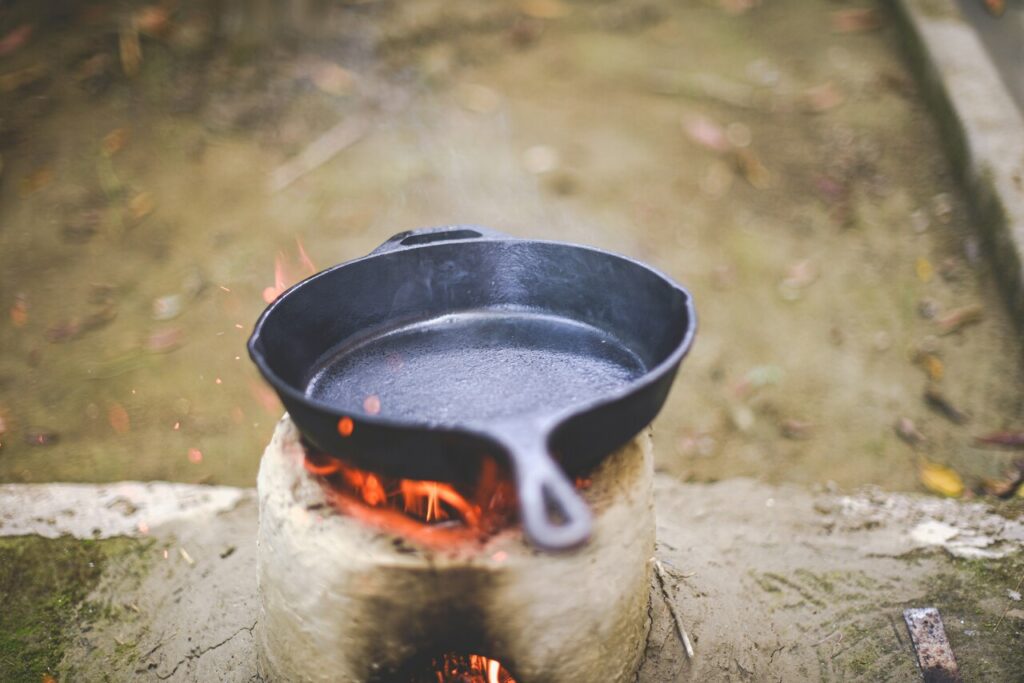
Skipping preheat feels like a harmless shortcut, yet it changes the physics of cooking in ways that often ruin texture. A cold pan warms slowly, so food sits in a lukewarm zone where moisture leaks out before a crust can form, which leads to sticking, pale color, and less flavor. In baking, a cold oven delays lift: cakes and breads rely on early heat to expand gases and set structure, and a slow warm-up can create dense centers, uneven rise, and dry edges. Most everyday cooking is better when the pan or oven is already at the target temperature, because the first few minutes set the entire outcome.