
Gourmet Ingredients Are Losing Shelf Space to Budget Staples for Reasons Beyond Inflation


A subtle transformation is taking place in supermarket aisles. Ingredients once considered gourmet are gradually giving way to everyday pantry staples that serve a more practical role in daily cooking. While inflation has certainly influenced grocery decisions, other factors are also shaping this shift. Consumers are prioritizing versatility, value, and reliability when choosing what goes into their shopping baskets. Retailers are responding by adjusting shelf space to match these buying habits. As a result, basic ingredients such as grains, oils, and staple seasonings are gaining renewed prominence in grocery stores.
The Quiet Shelf Shift
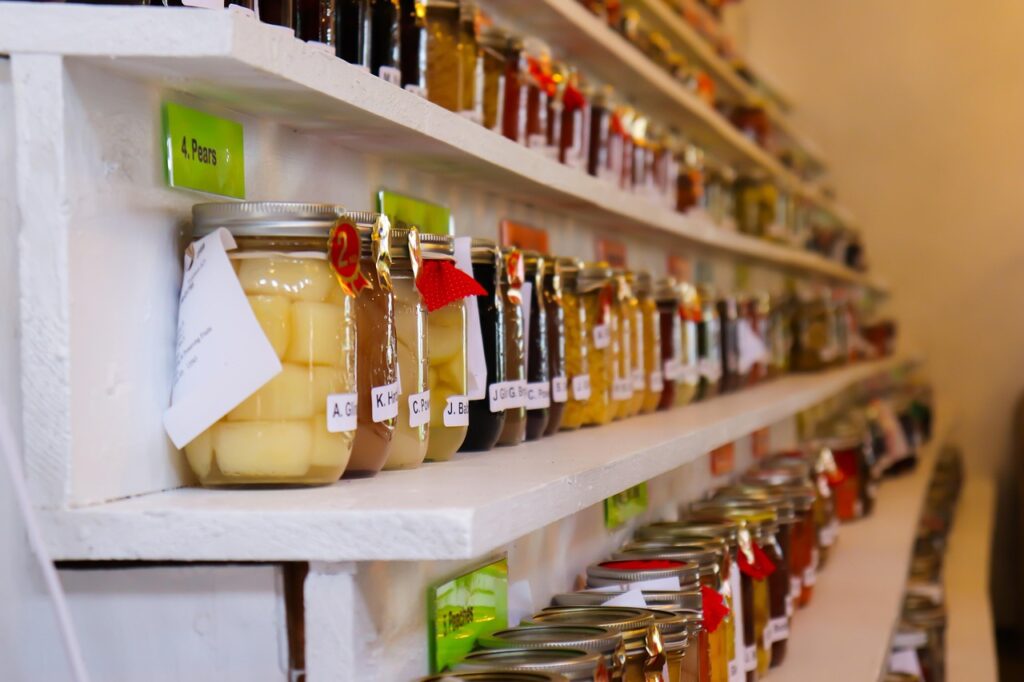
Supermarket shelves rarely change overnight, yet subtle adjustments in product placement often reveal larger shifts in consumer behavior. Retailers are increasingly dedicating more space to everyday pantry staples while reducing the presence of niche gourmet ingredients. These decisions are driven largely by sales data that shows consistent demand for basic cooking items. Staple foods tend to sell quickly and predictably, making them reliable products for retailers. This steady performance encourages retailers to expand the presence of core cooking items. Grocery managers regularly monitor how quickly different products move from shelf to cart.
Retailers also analyze how frequently products are purchased. Staples such as grains, oils, and flour appear regularly in grocery baskets, which keeps inventory moving efficiently. Gourmet ingredients, on the other hand, often sell more slowly because they are used less frequently in everyday meals. Products that rotate quickly help stores maintain smoother supply chains and reduce the risk of unsold inventory. This practical approach influences how shelves are organized. The result is a gradual shift toward foods that support daily cooking routines. Consistent demand allows stores to maintain predictable stocking schedules.
Another factor shaping shelf space is predictability in consumer demand. Staples maintain steady purchasing patterns throughout the year, which allows retailers to forecast inventory with greater accuracy. Specialty products often experience irregular demand because they are tied to specific recipes or occasional cooking experiments. When space in a store is limited, products that move consistently usually receive priority placement. Retail buyers evaluate how frequently each item is replenished. Products that require fewer markdowns tend to remain on shelves longer. Stable demand also reduces financial risk for retailers.
The Staples Comeback
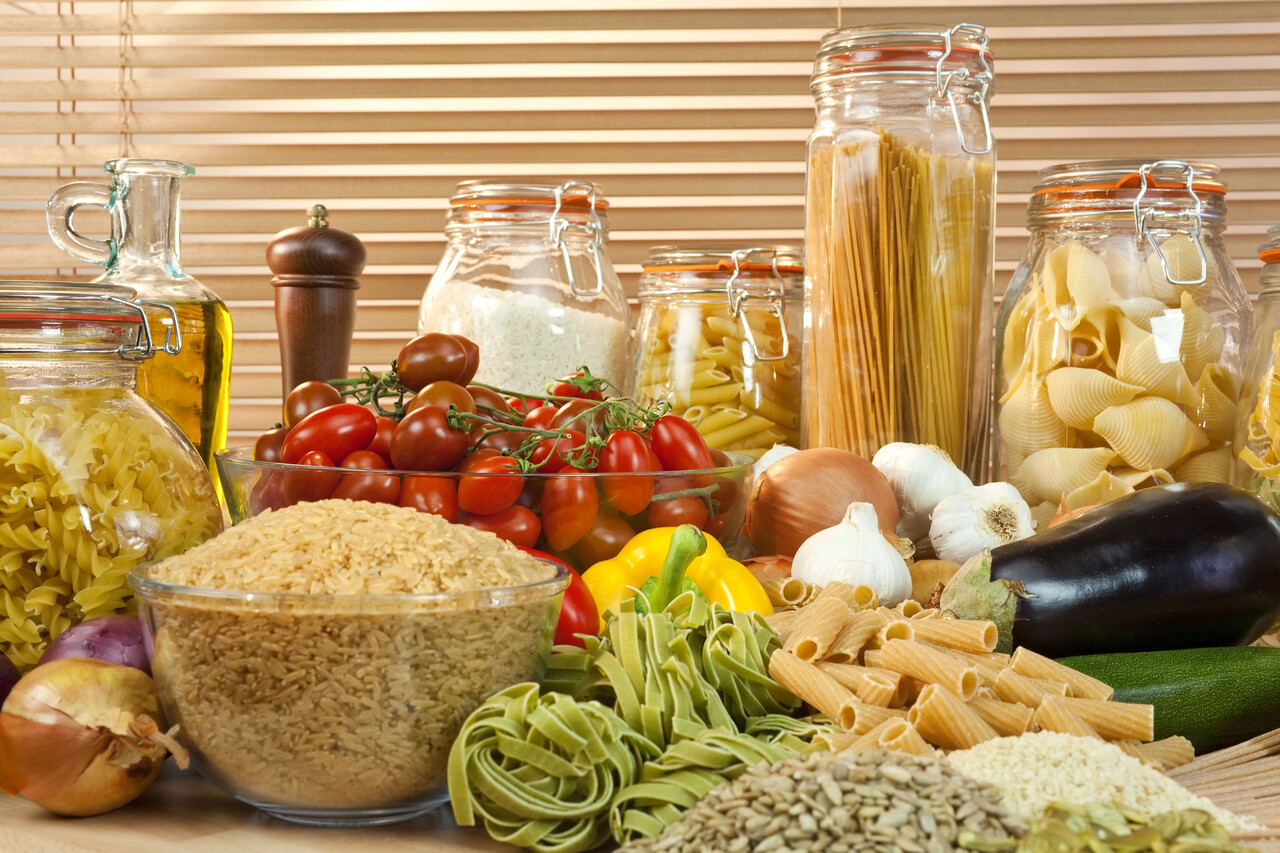
Everyday cooking ingredients have quietly regained momentum in grocery aisles. Consumers continue to rely on pantry basics such as rice, wheat, and cooking oils because these foods remain central to daily meals. Staples provide a dependable foundation for home cooking and remain affordable compared with many specialty ingredients. This resilience keeps staples firmly positioned at the center of grocery shopping habits. Even when other categories fluctuate, staple foods maintain consistent demand. Their role in everyday meals keeps them relevant across changing food trends. Shoppers often begin their grocery trips by picking up staple items.
Staple foods also benefit from their versatility in the kitchen. A small number of ingredients can be used to prepare a wide variety of meals. Grains, pulses, and basic seasonings appear in many traditional recipes, which keeps them relevant across cultures and cuisines. These ingredients allow households to cook affordable meals without requiring specialty products. Their practicality makes them especially appealing during periods of uncertain economic conditions. For retailers, this reliability translates into strong shelf performance. Staples also simplify meal planning for busy households.
The renewed interest in staples also reflects how households approach meal planning. Many families prefer ingredients that can stretch across several dishes during the week. A bag of rice or a bottle of cooking oil can support multiple meals, making these purchases feel efficient and practical. This multi-use value strengthens the role of staple ingredients in everyday cooking habits. Staples reduce the need for frequent grocery trips. Households often rely on them as the base for multiple cuisines. They also support simple cooking routines during busy weeks. Their reliability helps families maintain consistent meal preparation.
The Value Mindset
A noticeable shift toward value-driven grocery shopping is shaping how consumers fill their baskets. Many households now approach grocery purchases with greater attention to practicality. Instead of experimenting with luxury ingredients, shoppers often prioritize foods that support everyday cooking needs. This shift reflects broader changes in how consumers evaluate food purchases. Grocery decisions increasingly revolve around usefulness rather than novelty. Practical ingredients, therefore, gain preference in weekly shopping routines. Consumers increasingly focus on products that support consistent meal preparation.
Consumers also pay closer attention to how often an ingredient will actually be used. Gourmet items that serve a single purpose may appear appealing, but often remain unused after one recipe. By contrast, staple foods can appear in multiple meals throughout the week. This flexibility makes them easier to justify within a grocery budget. Shoppers frequently choose ingredients that offer both versatility and affordability. Retail data shows that repeat purchases dominate grocery baskets. Many shoppers prefer ingredients that can appear in several recipes. This reduces the risk of food waste at home.
Budget awareness also influences how consumers perceive value in grocery aisles. Many shoppers now compare products more carefully before making a purchase. They examine package sizes, ingredient uses, and how long a product will last in the kitchen. Foods that support multiple recipes often win this comparison, which strengthens the appeal of everyday pantry staples. Consumers also calculate how many meals a product can produce. Items that stretch across several dishes often feel like better investments. Long-lasting ingredients become especially attractive. These habits reinforce the dominance of staple products.
The Shrinkflation Effect
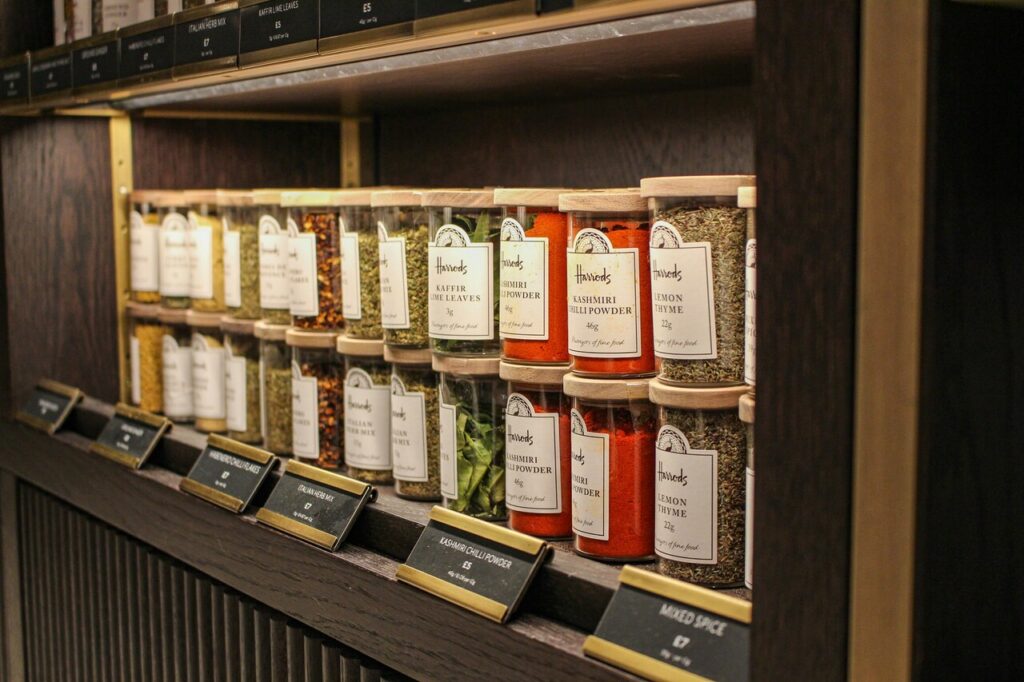
Packaging changes have quietly influenced how consumers perceive grocery value. Many products now appear in slightly smaller packages while maintaining similar price points. This strategy allows companies to manage rising production costs without visibly increasing shelf prices. However, shoppers have become increasingly aware of these changes. Consumers now examine product sizes and price per unit more carefully before making purchases. Greater awareness encourages more deliberate shopping habits. People often compare several products before deciding which one to buy. Price transparency has become more important for consumers.
This awareness has strengthened the appeal of staple foods. Basic ingredients typically appear in larger quantities and remain competitively priced compared with specialty products. Shoppers seeking value often compare the cost per serving rather than the appearance of packaging. This evaluation encourages the purchase of products that deliver the greatest practical use. Staple foods frequently perform well under this comparison. Bulk packaging also reinforces the sense of long-term value. Larger quantities support repeated cooking at home. Consumers often associate bulk products with better savings.
The attention to packaging details has also made shoppers more cautious about premium ingredients. Products that come in smaller containers but carry higher prices may appear less appealing when compared with bulk staples. As consumers become more attentive to price efficiency, grocery baskets begin to favor ingredients that deliver longer-lasting value. Consumers increasingly look for products that provide multiple servings. Items that run out quickly are often avoided during budgeting decisions. Larger packages often feel more economical. This perception further supports staple food purchases.
The Simplicity Trend
Cooking habits have gradually moved toward simpler ingredient lists. Many households now favor recipes built around a small number of dependable ingredients rather than complex gourmet preparations. This preference reflects changes in daily routines as people balance work schedules with home cooking. Simple meals that rely on staple ingredients are easier to prepare and require fewer specialized items. Straightforward recipes also reduce preparation time in the kitchen. Busy households appreciate meals that require minimal planning. Simplicity also makes cooking less stressful. Many people prefer predictable kitchen routines.
The simplicity trend also connects with renewed interest in traditional cooking methods. Home cooks frequently return to familiar recipes that rely on pantry basics such as grains, beans, and cooking oils. These meals often deliver both nutritional balance and affordability. In contrast, gourmet ingredients are sometimes reserved for special occasions rather than everyday cooking. Familiar recipes often require only a few staple ingredients. This familiarity makes cooking more comfortable for many households. Traditional meals are easier to prepare regularly. They also support consistent grocery shopping habits.
Another reason for this shift is the convenience of predictable cooking routines. Recipes that use a handful of basic ingredients are easier to repeat and adapt. Many households prefer dependable meal patterns that reduce planning time. As these habits strengthen, staple ingredients remain firmly embedded in grocery lists. Simple cooking routines also help reduce grocery spending. Households can rely on a small set of ingredients for multiple meals. This reliability encourages continued purchasing of staple foods. Predictable cooking habits reinforce the demand for basic pantry items. Familiar ingredients also make weeknight meals faster to prepare.
The Store Brand Surge

Private label products have become an increasingly important force in grocery retail. Supermarket brands now offer a wide range of staple ingredients at competitive prices. These products often match the quality of national brands while remaining more affordable. As shoppers search for value, many turn to store brand options to reduce grocery spending. Store brands also give retailers greater control over pricing strategies. Their expansion reflects growing trust among consumers. Retailers often highlight these products in prominent shelf locations. Strong placement increases their visibility among shoppers.
Staple categories are particularly well-suited for private label growth. Ingredients such as flour, rice, and cooking oil are easily standardized and widely used. Consumers may feel less attached to a specific brand when purchasing these items. This flexibility allows store brands to compete effectively with established manufacturers. Many shoppers focus more on price than brand reputation in staple categories. This behavior helps private-label products gain market share. Price comparisons often favor store brand alternatives. This expansion gradually reshapes the balance between national brands and store labels.
Retailers also promote store brands more prominently within their stores. End aisle displays and shelf positioning often highlight these products to encourage trial. As more shoppers become comfortable with store brand staples, demand continues growing, and the products secure stronger positions on store shelves. Attractive packaging also helps build trust in these products. Retailers use placement strategies to increase visibility. Promotional pricing further encourages first-time purchases. Once consumers try these products, many continue buying them regularly. This steady adoption strengthens the presence of store brand staples.
The Retail Strategy
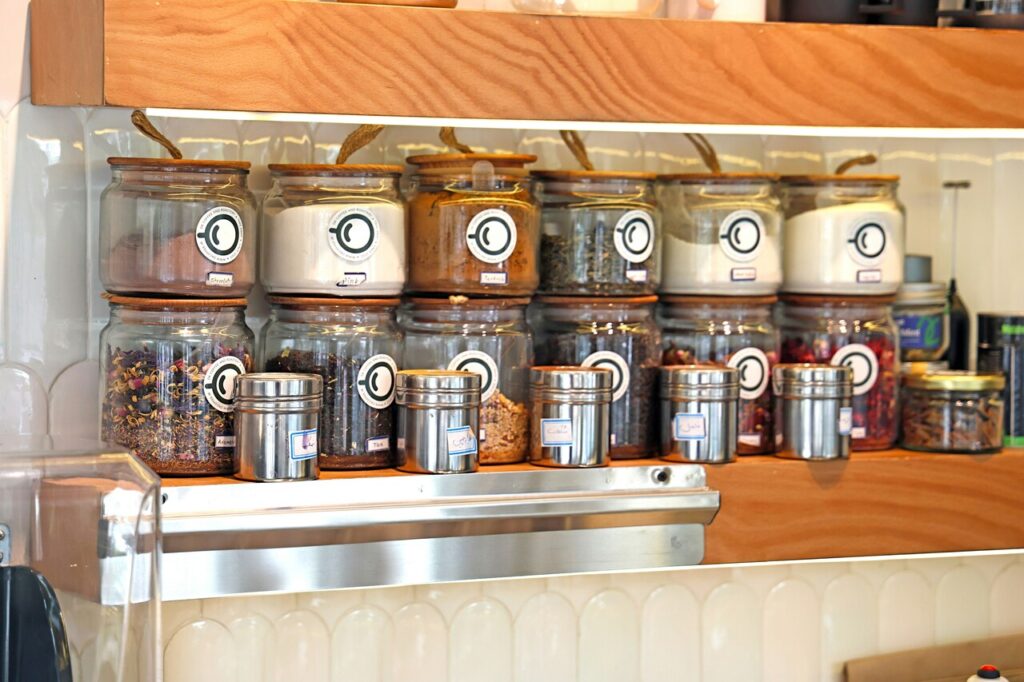
Supermarkets rely heavily on data when deciding how to allocate shelf space. Retail analytics track how frequently products sell, how quickly they are replenished, and how much revenue they generate. Staples often perform strongly in these measurements because they appear in nearly every grocery basket. This reliable demand makes them attractive products for retailers seeking consistent sales performance. Sales data helps stores predict future demand patterns. Retail planning, therefore, depends heavily on product turnover. Managers regularly review performance reports for each category. These insights guide decisions about product placement and inventory levels.
Retailers also consider how products contribute to overall store traffic. Staple ingredients draw shoppers back to the store regularly because they are purchased frequently. Gourmet products may attract interest, but they often generate less consistent demand. Shelf space, therefore, tends to favor items that support repeat visits and reliable turnover. Frequent purchases help stores maintain stable revenue streams. This consistency influences long-term stocking strategies. Stores rely on staple items to maintain steady foot traffic. Regular demand supports predictable sales cycles. Reliable products also simplify inventory planning
Retail strategy also focuses on maintaining efficient inventory movement. Products that sell quickly reduce storage pressure and simplify supply chain management. Staples naturally meet this requirement because they are bought repeatedly throughout the year. Their dependable performance ensures that they remain central to how supermarkets design their shelves and organize their aisles. Predictable demand simplifies logistics planning. Efficient turnover keeps supply chains running smoothly. This efficiency allows retailers to manage large product volumes. It also reduces the likelihood of unsold inventory.