10 Grocery Items With the Biggest Regional Price Gaps

Grocery prices rarely tell the same story everywhere. The same carton of eggs or bag of flour can cost noticeably more just a few states away. Behind those differences are real forces at work, from transportation and weather to local production and demand.
Regional price gaps are not random. They reflect how far food travels, how it is processed, and how efficiently it reaches store shelves. Fuel costs, storage capacity, and even consumer habits shape what you ultimately pay.
Understanding these variations gives you a sharper eye as a shopper. When you know why prices shift from place to place, you begin to see the bigger system behind every receipt.
1. Eggs

Egg prices react quickly to supply shocks. Avian influenza, higher feed costs, or rising energy prices can tighten supply and push retail prices up fast. Because eggs carry slim margins, even small cost increases show up clearly on store shelves, creating noticeable regional differences during shortages.
Production density matters. Regions with many commercial farms can stabilize local supply and pricing. Areas that rely on transported eggs face added refrigeration and fuel costs, which lift prices per carton.
Seasonal demand widens gaps. Holiday baking boosts consumption, and high-demand markets often see faster price increases than regions with steadier buying patterns.
2. Milk

Milk prices reflect farm conditions and location. Feed costs, herd health, and weather influence supply. Since milk is highly perishable, processing plants must stay close to farms, and regions without strong dairy infrastructure depend more on transported product.
Pricing systems vary by region. Some areas use pooling models that steady farm income, while others track commodity swings more closely. When processors shift milk into cheese or butter production, the local fluid supply can tighten.
Distance adds cost. Regions far from dairy clusters pay more for trucking and refrigeration, leading to visible differences in gallon prices across markets.
3. Bread and Flour

Bread pricing starts with wheat. Harvest conditions, export demand, and fertilizer expenses affect grain costs, which pass through to flour. Regions near major mills often benefit from lower wholesale pricing than areas dependent on imported grain.
Retail factors add variation. Urban bakeries face higher rent, wages, and energy bills, resulting in pricier loaves. Grain-producing regions may see lower shelf prices due to reduced transport costs.
Market competition shapes final pricing. Large chains may discount bread in competitive areas, while smaller retailers keep higher margins. Together, these forces create clear regional price gaps for a basic staple.
4. Bananas

Bananas travel long distances before reaching most stores. Shipping routes, port efficiency, and cold storage capacity strongly influence final prices. Regions closer to import hubs or major distribution centers usually see lower costs than remote markets.
Retail strategy also plays a role. Large chains often treat bananas as a traffic driver and price them aggressively in competitive cities. Smaller or rural stores may lack that flexibility and pass higher transport costs to shoppers.
Weather events in producing countries can disrupt supply suddenly. Storm damage or disease reduces output, and distant regions often feel the impact first through higher retail prices.
5. Cheese

Cheese prices depend on milk supply and processing capacity. Regions with large dairy industries and aging facilities can produce cheese efficiently and distribute locally at lower cost. Areas that import finished cheese pay more due to transport and storage.
Milk allocation decisions matter too. When butter or powder markets are strong, processors may channel milk away from cheesemaking, tightening supply and raising prices. These shifts do not affect all regions equally.
Consumer preference also drives variation. Markets with strong demand for specialty or artisan cheese often carry premium options, widening the price gap compared with regions focused on basic varieties.
6. Rice

Rice prices differ widely by region because production is concentrated in specific growing areas. Regions near major rice belts usually pay less due to lower transport and storage costs. Areas dependent on imports face higher freight, port fees, and distribution markups that lift retail prices.
Climate heavily influences supply. Drought or flooding in producing regions can reduce yields and tighten availability. When harvests decline, importing markets often see more rapid and pronounced price increases.
Policy decisions also shape gaps. Export limits, support prices, and subsidies affect how much rice reaches open markets. As a result, identical varieties can cost very different amounts across regions.
7. Fresh Tomatoes

Tomatoes are highly seasonal and sensitive to climate. Growing regions with warm conditions supply markets cheaply during peak harvest. Regions outside those zones rely on transported or greenhouse tomatoes, which cost more.
Weather disruptions create uneven impacts. Drought, flooding, or disease in a major producing area can tighten supply nationwide, but distant regions often experience larger price jumps due to added transport costs.
Infrastructure also shapes gaps. Markets with greenhouse capacity or diverse supply channels maintain steadier prices, while others face sharper swings during off-seasons.
8. Ground Beef

Ground beef prices follow cattle production cycles. Regions with strong ranching and nearby processing plants often benefit from lower retail prices. Areas reliant on imported boxed beef pay more due to shipping and handling.
Feed costs play a major role. Corn and soy prices influence rancher expenses, and those increases pass through the supply chain. Regional feed availability creates uneven cost pressures.
Processing concentration adds another factor. Limited slaughter capacity in certain areas can create bottlenecks, forcing longer transport routes and contributing to regional price variation.
9. Potatoes
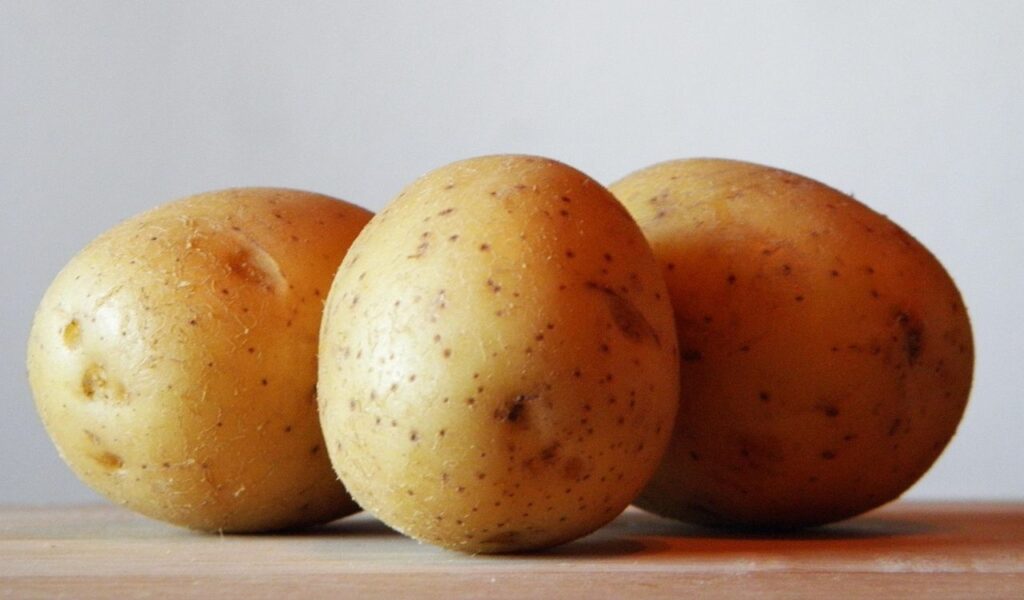
Potatoes are affordable to grow, but storage drives up costs. Cold facilities prevent spoilage and allow a steady supply. Regions with strong storage systems keep prices more stable, while areas with limited capacity sell heavily at harvest and face tighter supply later, causing seasonal spikes.
Climate also shapes availability. Some regions harvest more than once a year, supporting consistent pricing. Others rely on a single crop and are vulnerable to drought or heavy rain. Poor yields quickly lift local prices.
Shipping widens gaps. Because potatoes are bulky, long-distance transport raises per-pound costs. Remote regions often see higher retail prices when supply tightens.
10. Coffee (roasted or ground)

Coffee prices begin with global bean markets. Crop conditions in producing countries affect base costs. Regions near roasting hubs avoid extra freight and benefit from efficient distribution, while distant markets pay more for transport and storage.
Currency changes and trade policies influence landed costs. Weak exchange rates or port delays increase regional prices. Efficient logistics systems help stabilize retail pricing.
Demand patterns add variation. Cities with strong specialty coffee culture carry higher-priced artisan roasts. Regions focused on mass market blends typically maintain lower shelf prices, creating visible regional gaps.