10 Beach Resort Cocktails That Taste Like Melted Ice

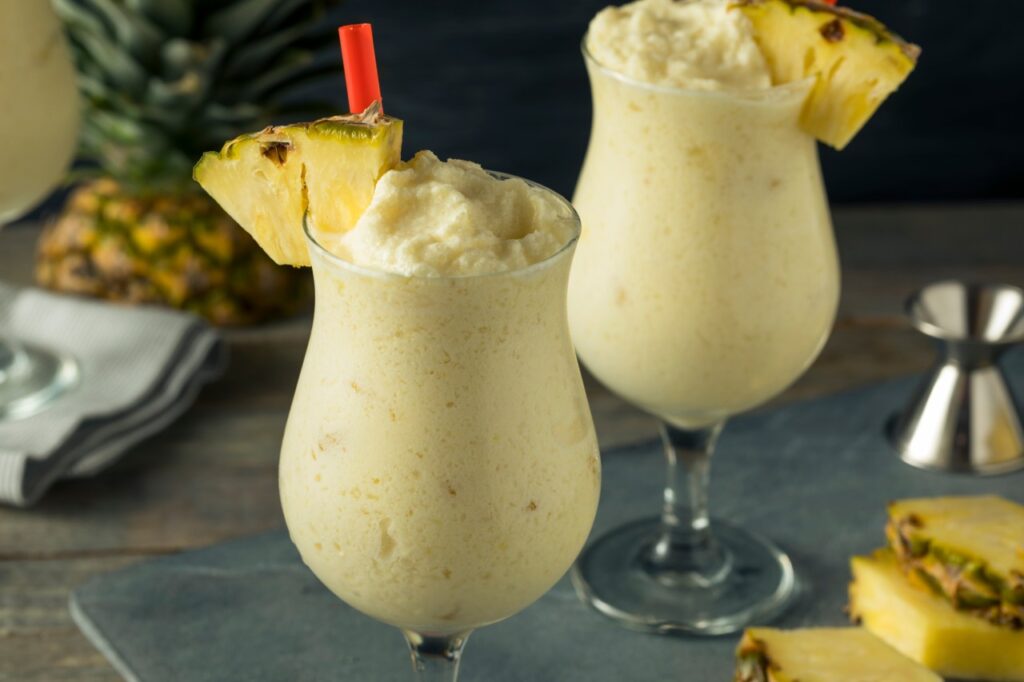
There’s something magical about ordering a cocktail with sand between your toes and salt in the air. The menu reads like a postcard from paradise. Mango, coconut, passion fruit, aged rum. Each name promises escape in a glass.
But beach heat is relentless. Ice melts fast. Blenders run all day. Drinks are batched, stored, and poured in high volume. What begins as a vibrant, balanced cocktail can quickly soften into something thin and overly sweet.
This list takes a closer look at beloved resort favorites and explains why they so often taste like melted ice. If you’ve ever wondered why that first sip was perfect, and the last felt watered down, you’re about to find out.
1. Frozen Strawberry Daiquiri
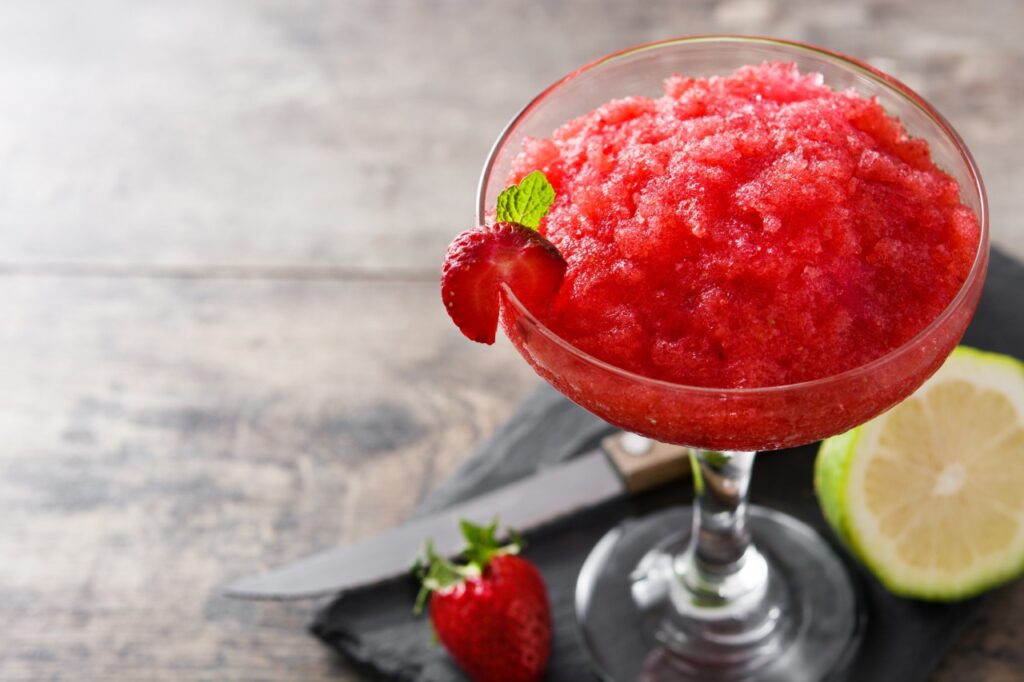
What should be a bright, citrus-forward classic often turns into a syrupy pink slush by the pool. The original daiquiri balances white rum, fresh lime juice, and sugar. The frozen version adds crushed ice and strawberries, so dilution begins the moment it is poured.
At high-volume beach resorts, the mix is often pre-blended and held in machines. Constant churning keeps it cold, but it depends on a high ice ratio for thickness. Once served, tropical heat melts the fine ice quickly.
As the ice softens, lime acidity fades first. The rum becomes muted, leaving mostly a sweet strawberry flavor with little depth. Without fresh juice and a firm rum base, the drink loses structure fast, tasting more like melted dessert than a proper cocktail.
2. Piña Colada
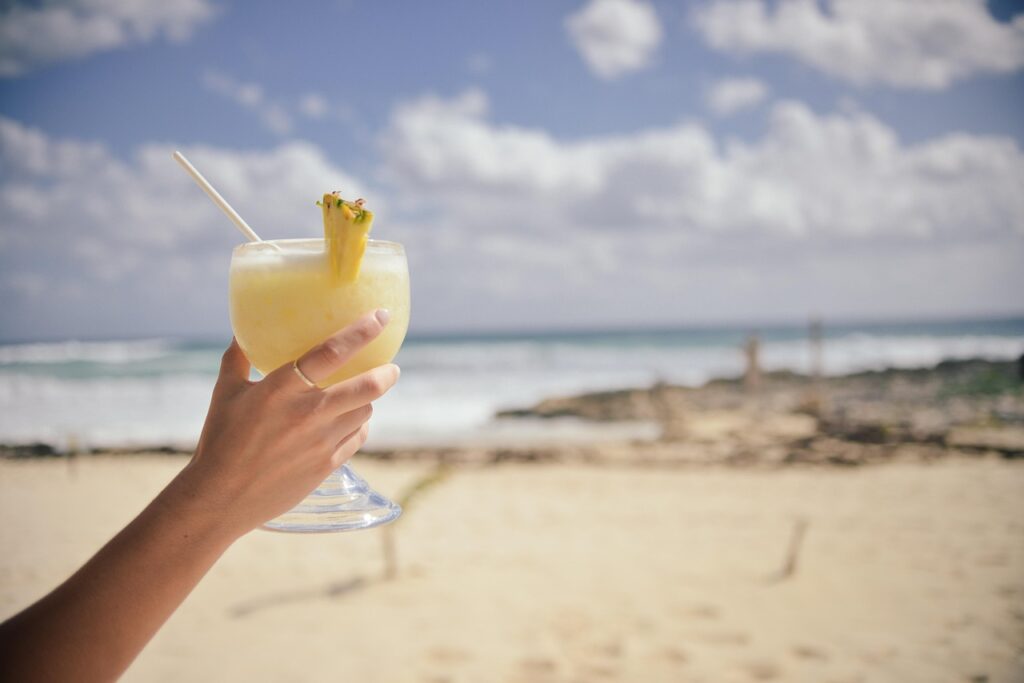
Creamy and tropical in theory, the piña colada depends on precise balance. Traditionally made with white rum, coconut cream, and pineapple juice, it requires careful blending to avoid becoming heavy or thin.
Large resorts such as Atlantis Paradise Island often prepare it in bulk. Pre-mixed bases can sit chilled for hours. To maintain volume, bartenders may increase crushed ice, which gives body at first but weakens quickly under the sun.
As dilution sets in, coconut cream separates, and the pineapple loses its sharp edge. The rum, already modest in many all-inclusive pours, disappears entirely. The result is a drink that starts rich and ends watery, with sweetness lingering long after the flavor has thinned.
3. Blue Lagoon
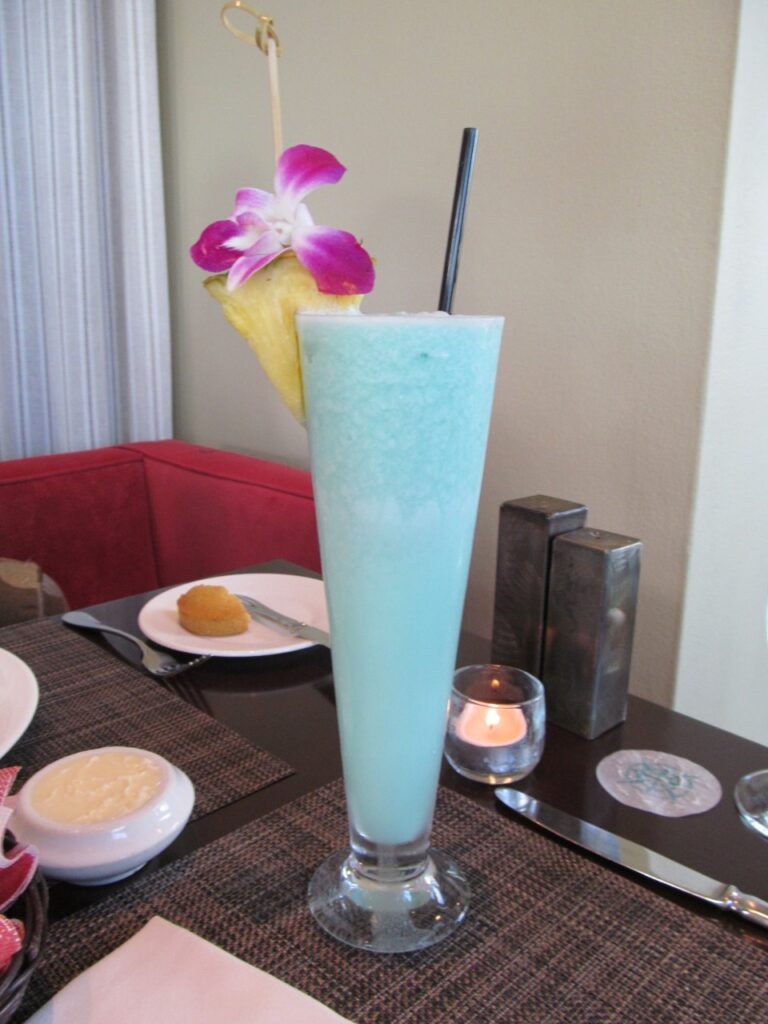
Its neon blue color promises excitement, but the Blue Lagoon is structurally fragile. Built with vodka, blue curaçao, and lemonade or citrus soda, it relies heavily on chilled mixers rather than strong spirits.
At beachfront bars, it is often poured over tall glasses packed tightly with ice. That visual height looks impressive, yet the alcohol content remains modest. Warm sea air accelerates melting, especially in direct sunlight.
Once dilution begins, citrus sweetness dominates. The curaçao’s orange note fades, and vodka adds little backbone. Within minutes, the cocktail resembles lightly flavored lemonade with diluted syrup, proving that bright color does not guarantee staying power in tropical heat.
4. Mango Margarita
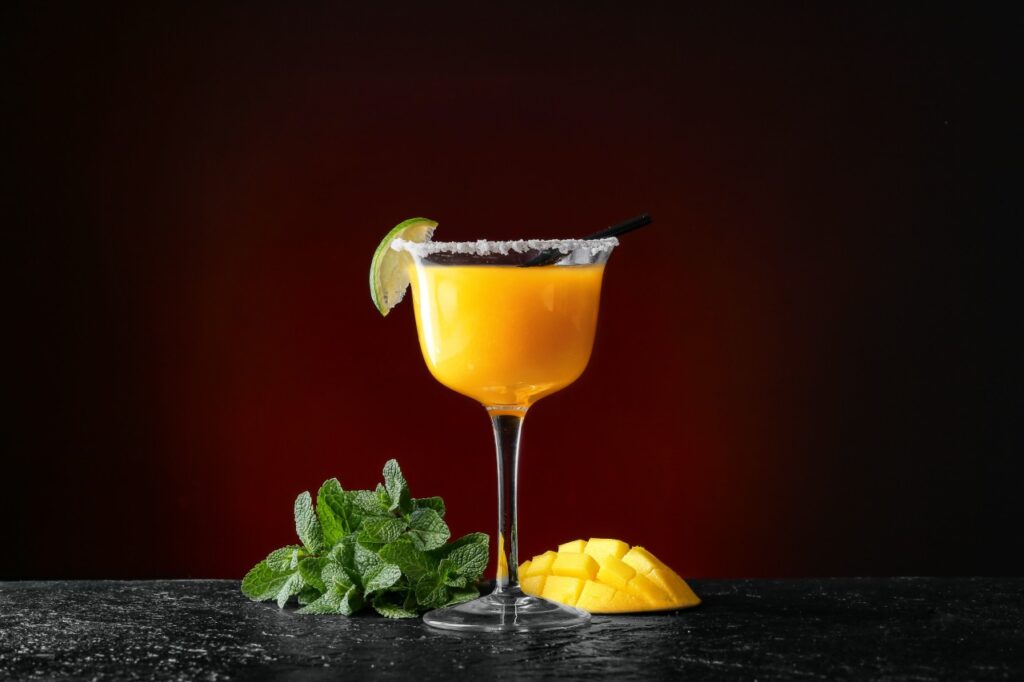
A proper margarita is built on tequila, lime juice, and orange liqueur. Add mango, and it should bring natural sweetness with gentle acidity. The frozen resort version, however, often leans on pre-made purée and significant ice.
At properties like Four Seasons Resort Maui at Wailea, quality can be high, but volume service still pushes efficiency. Margarita machines maintain slush consistency through constant freezing, which demands a water-heavy mixture.
As the frozen texture loosens, the tequila becomes faint. Artificial mango flavor can taste flat once chilled intensity fades. Without enough fresh lime to anchor it, the cocktail shifts from vibrant and tart to soft, sugary, and diluted, especially after only a few minutes poolside.
5. Bahama Mama
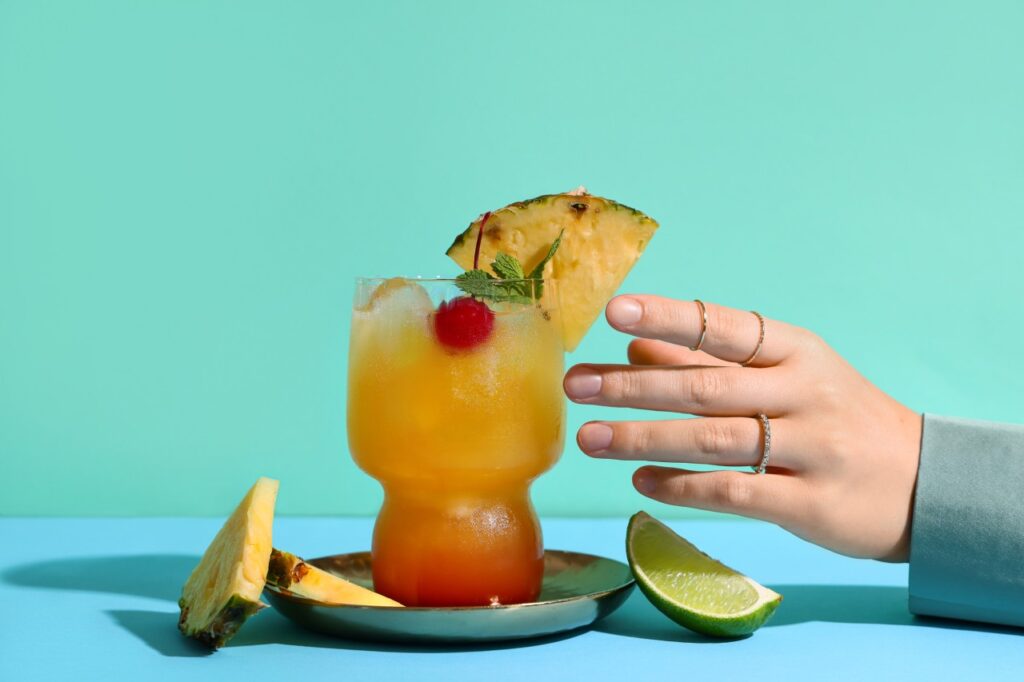
The Bahama Mama sounds generous, often listing multiple rums with coconut and fruit juices. In practice, many all-inclusive versions prioritize color and sweetness over strength and balance.
It is commonly assembled with pineapple juice, orange juice, grenadine, and a light rum base. Ice fills most of the glass. The layered look suggests complexity, yet the alcohol portion is usually modest to manage costs and guest consumption.
As the ice melts, the juices blend into uniform sweetness. The distinct rum character fades quickly. What begins as a festive island drink often finishes as diluted fruit punch, pleasant but lacking the bold Caribbean identity it promises.
6. Watermelon Mojito
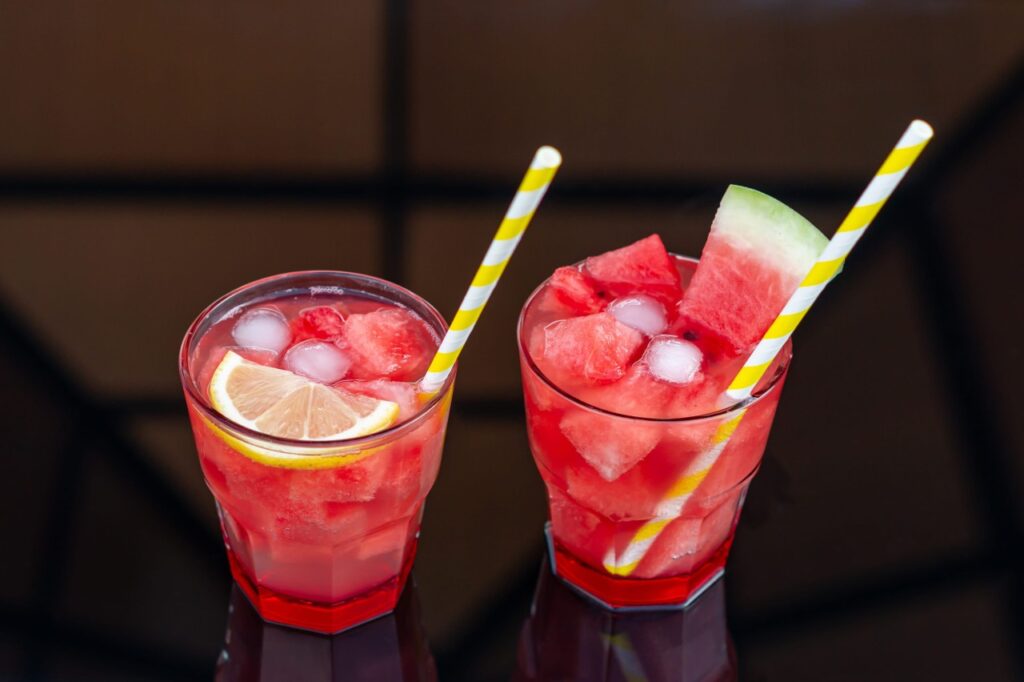
Fresh watermelon should bring light sweetness and hydration. In a mojito, it joins rum, lime, mint, sugar, and soda water. The balance depends on fresh ingredients and controlled dilution.
Resort bars frequently substitute watermelon syrup for fresh fruit to speed service. Crushed ice is packed tightly to create a frosted look. Crushed ice melts faster than cubes, especially in humid coastal climates.
As the melt progresses, mint oils lose their sharpness. Soda water flattens. Without strong lime acidity, the drink becomes softly sweet and thin. What should feel crisp and garden-fresh often turns into lightly flavored water with fading mint.
7. Tropical Rum Punch
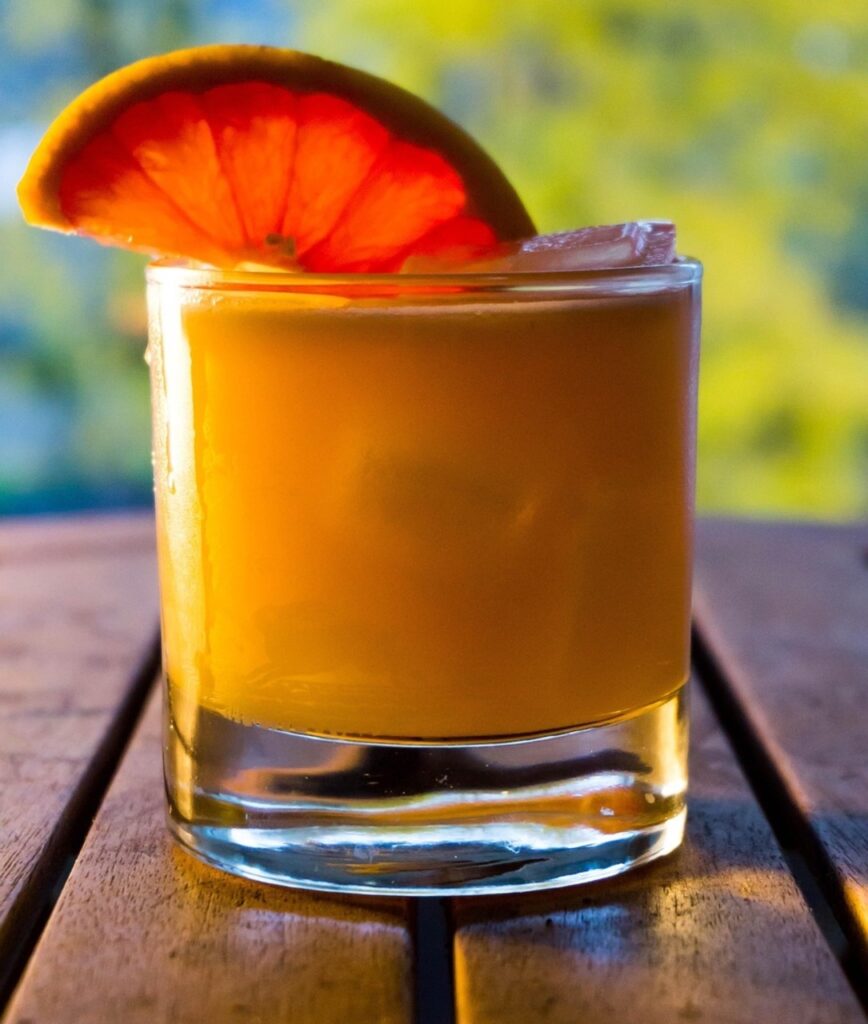
Rum punch is built for gatherings. It typically blends rum with citrus juices and a sweetener, sometimes finished with bitters for depth. Its simplicity makes it easy to scale, which is exactly why resorts prepare it in large batches.
Luxury properties such as The Ritz-Carlton, Bali may present it elegantly, yet batch storage means extended chilling and frequent ice topping. Alcohol content is often moderated for broad appeal.
Over time, citrus brightness dulls. Ice dilution softens the rum’s warmth. What starts as a lively welcome drink can settle into a mild, fruit-forward beverage that feels more like juice with a hint of spirit.
8. Frozen Banana Colada
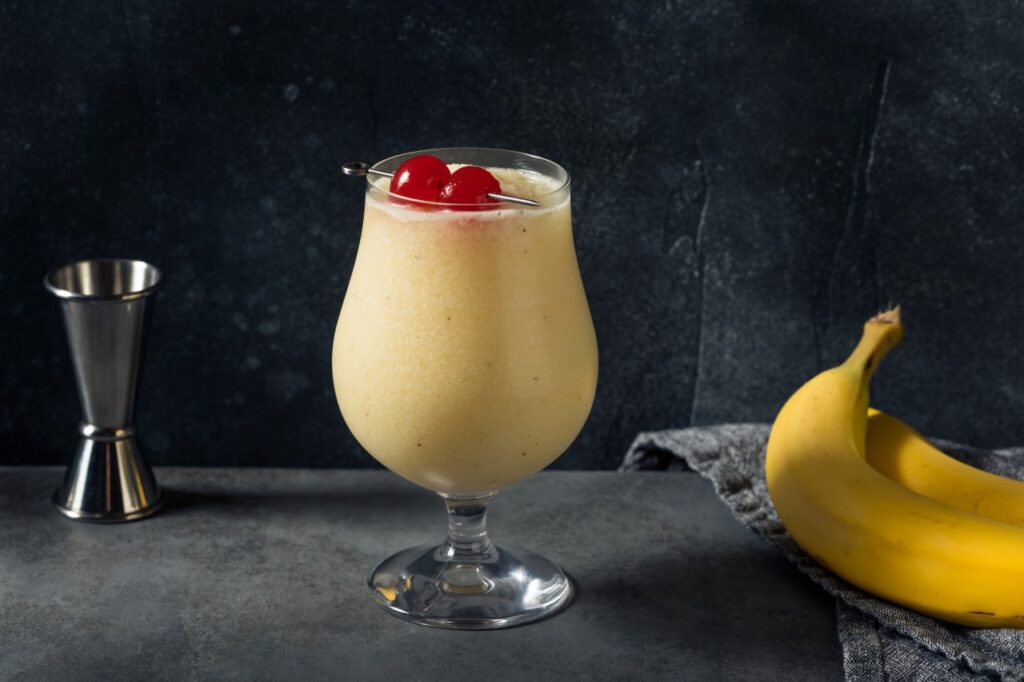
Banana adds body and natural sweetness to coconut and rum. In a frozen colada, it creates a smoothie-like richness. That thickness, however, depends heavily on finely crushed ice.
Beach resorts favor high-speed blenders and large ice ratios to achieve volume. Bananas oxidize quickly, so syrups are often used instead of fresh fruit. This alters texture and flavor stability.
As the ice melts, the coconut cream thins, and the banana flavor fades into the background sweetness. Without sufficient rum to anchor it, the drink separates slightly, losing creaminess. It becomes more like diluted tropical milk than the lush island treat guests expect.
9. Passion Fruit Spritz
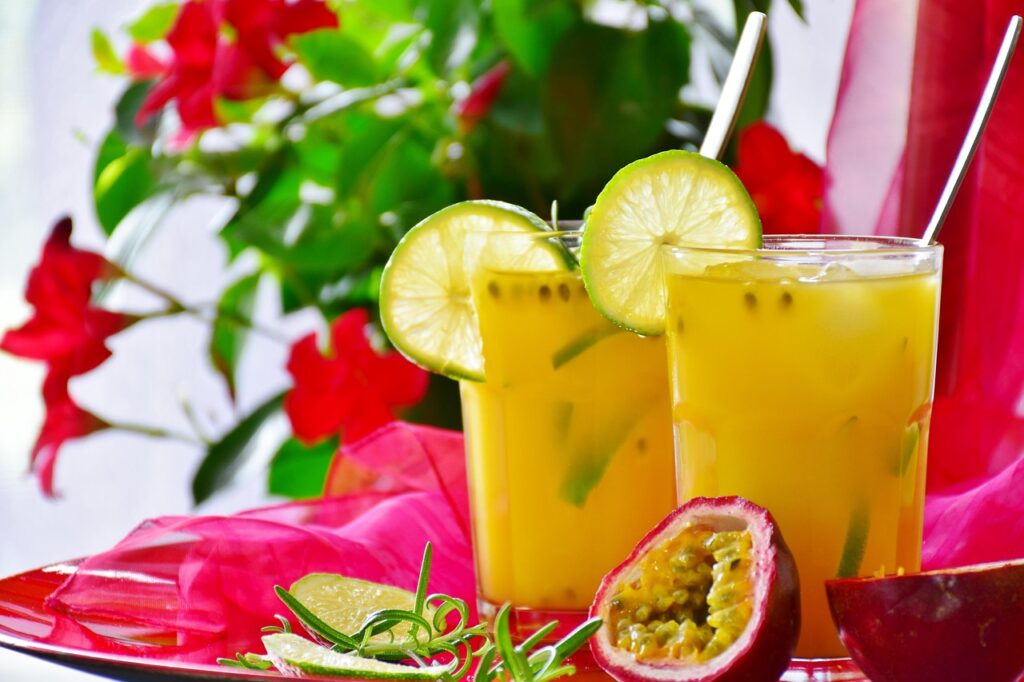
A spritz relies on sparkle. Passion fruit adds tang and aroma, usually paired with prosecco or sparkling wine and soda water. Its appeal lies in effervescence and acidity.
At resorts such as Soneva Fushi, fresh purée may be used, yet many busy bars lean on bottled concentrate. Ice fills large wine glasses to create a chilled presentation.
Carbonation dissipates quickly in heat. As bubbles fade, sweetness rises to the surface. Dilution from melting ice further reduces intensity, leaving a lightly flavored sparkling drink that lacks the sharp tropical lift it initially promised. The result is a drink that feels softer and less defined with every passing minute in the sun.
10. Classic Beach Mai Tai
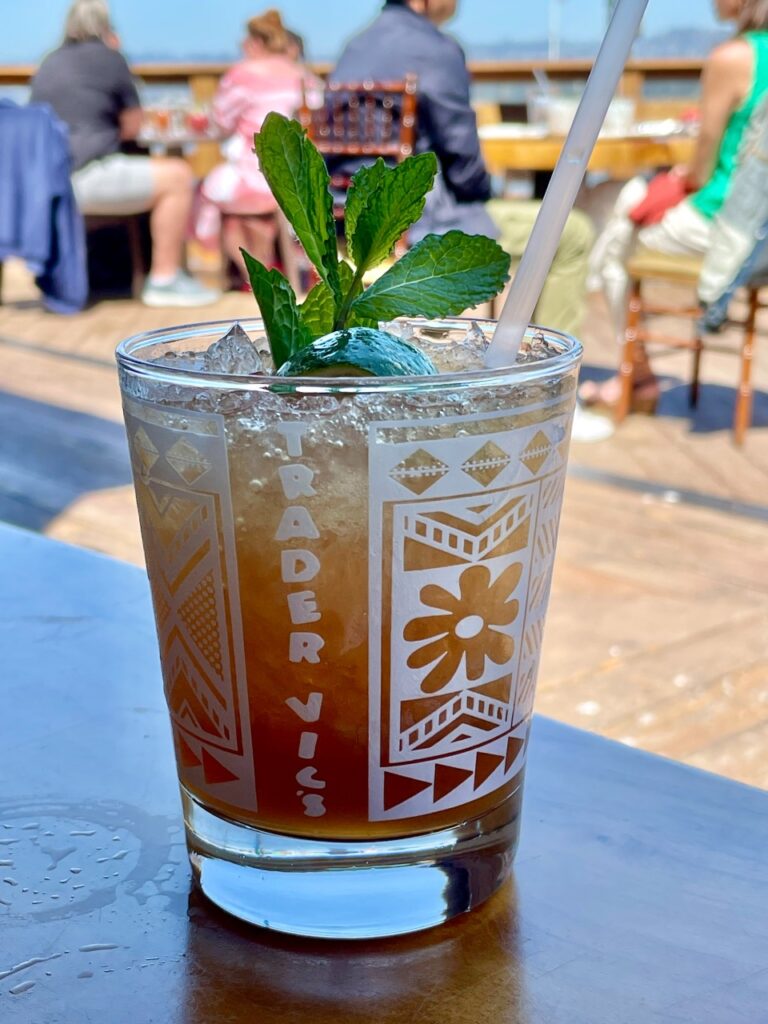
The authentic Mai Tai is spirit-forward, combining aged rum, lime juice, orange curaçao, and orgeat syrup. It should taste layered, nutty, and citrus-bright rather than overly sweet.
Resort interpretations often increase pineapple or orange juice to suit broader tastes. Ice-heavy builds in tall glasses create an immediate chill but reduce rum prominence. Quality aged rum may be replaced with lighter blends.
As melting progresses, the almond depth from the orgeat diminishes. Citrus becomes muted. The cocktail shifts from complex and bold to soft and sugary, demonstrating how ingredient quality and ice control define whether a Mai Tai holds its character by the shore.