Are Grocery Store Brands Actually Beating Name Brands Now

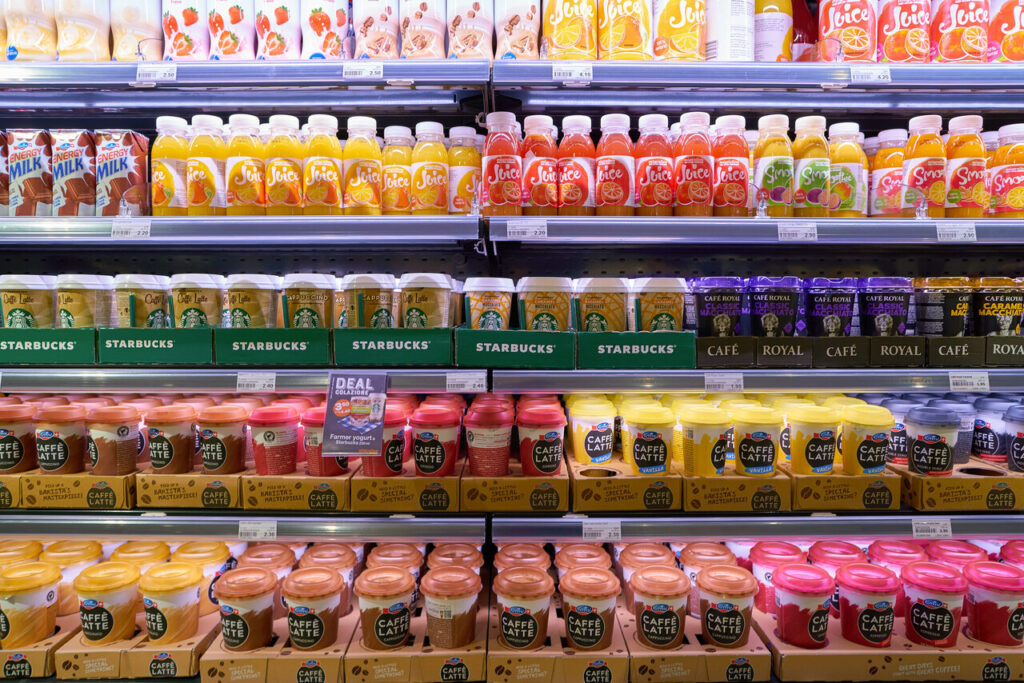
For years, store brands were seen as the cheaper alternative, something you picked only when you wanted to save a little money. But that perception is changing fast.
Across grocery aisles, more shoppers are reaching for private labels not just for the price, but because the quality now holds up.
As retailers invest more in their own products and consumers grow more open to switching, the gap between store brands and name brands has narrowed in a way that feels hard to ignore.
The question is no longer whether store brands are catching up, but whether they are starting to pull ahead.
The Shift Happening in Grocery Aisles
What used to be a quiet alternative is now moving to the center of the shelf. Store brands have grown steadily in recent years, gaining attention as shoppers rethink how they spend on everyday items. This shift is not limited to a few categories but is visible across the entire store.
More consumers are trying private labels for the first time. Many discover that the difference between store brands and name brands is smaller than expected. This initial trial often leads to repeat purchases.
Economic pressure has played a major role in this change. As prices rise, shoppers look for ways to reduce spending without giving up quality. Store brands offer a practical solution that fits this need.
Retailers have also invested heavily in their own brands. They are placing these products more prominently and expanding their range. This increased visibility makes them easier to choose.
Over time, this shift has changed how people shop. Store brands are no longer seen as a backup option. They are becoming a regular part of the decision-making process.
The Price Advantage That Started It All

The most obvious reason shoppers turn to store brands is price. These products are typically cheaper because they do not carry the same marketing and advertising costs as name brands. This allows retailers to offer lower prices while maintaining margins.
Even small price differences can add up over time. For families buying groceries every week, choosing store brands can lead to noticeable savings. This makes the switch feel both practical and necessary.
Price comparisons are now easier than ever. Shoppers can quickly see how much they save by choosing a private label. This transparency reinforces the appeal of lower-cost options.
Promotions and discounts also play a role. Retailers often highlight their own brands in deals and loyalty programs. This encourages customers to try them and return for future purchases.
As a result, price remains a strong driver of behavior. It is often the first reason people switch, even if other factors later reinforce the decision.
The Quality Gap That Quietly Closed
What keeps people coming back is not just price, but quality. Store brands have improved significantly over the years, narrowing the gap with national brands. In some cases, they now match or exceed expectations.
Retailers have focused on better ingredients and production standards. Many private label products are made in the same facilities as name brands. This reduces the difference in quality that once existed.
Packaging and design have also evolved. Store brands now look more polished and appealing on the shelf. This change helps shift perception from budget option to reliable choice.
Taste is one of the most important factors in this shift. Blind comparisons often show that consumers cannot easily tell the difference. This reinforces confidence in private label products.
As the quality gap closes, the reason to pay more becomes less clear. This has been a key factor in the growth of store brands across categories.
The Trust Factor That Still Favors Big Brands
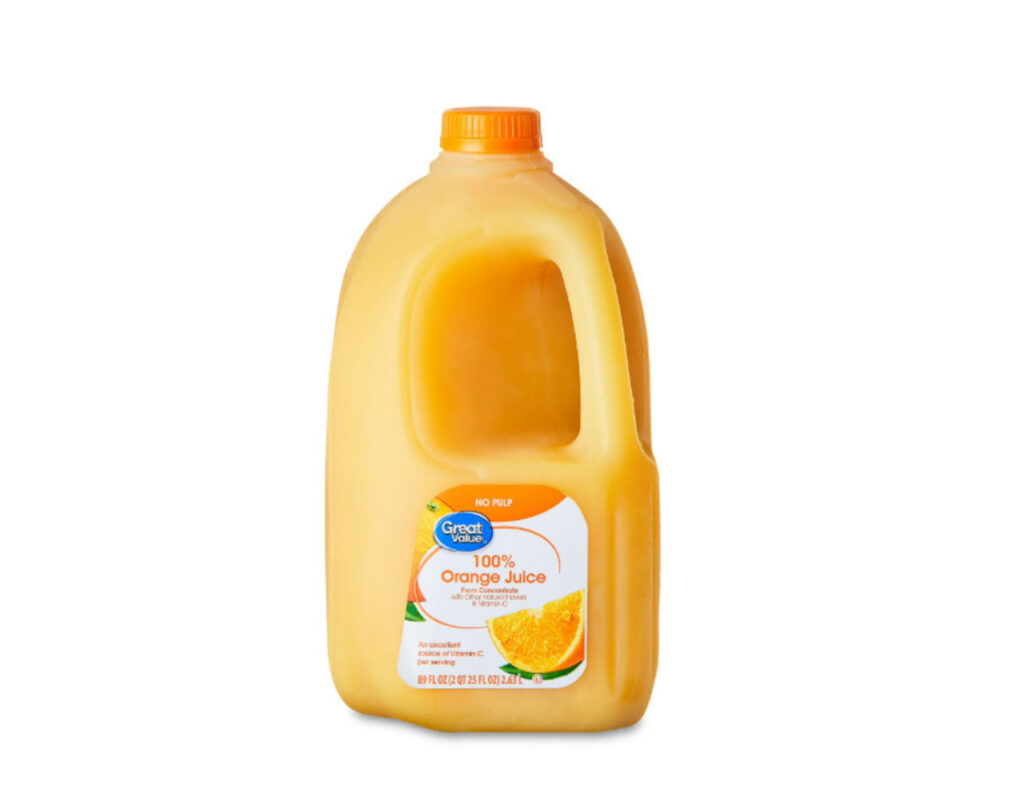
Despite these changes, name brands still hold an advantage in trust. Many consumers have grown up with certain products and associate them with consistency and reliability. This emotional connection can be hard to replace.
Brand recognition plays a strong role in decision-making. Familiar logos and packaging create a sense of security. This can be especially important for products related to health or safety.
Marketing continues to reinforce this trust. National brands invest heavily in advertising to maintain their image. This keeps them top of mind for many shoppers.
There are also categories where brand loyalty remains strong. Products with distinct flavors or long histories often retain their appeal. Consumers may be less willing to experiment in these areas.
As a result, the shift toward store brands is not complete. Trust still anchors many decisions, even as shoppers explore alternatives.
What This Means for the Future of Grocery Shopping
The balance between store brands and name brands is changing. Private labels are no longer just a lower-cost option but a competitive choice in their own right. This is reshaping how products are positioned in stores.
Retailers are continuing to invest in their own brands. They are expanding product lines and improving quality to meet growing demand. This suggests that the trend will continue.
Consumers are also becoming more flexible in their choices. Many now mix store brands and name brands depending on the category. This creates a more dynamic shopping pattern.
Name brands are responding by adjusting pricing and innovation strategies. They are working to maintain their relevance in a more competitive environment. This competition benefits consumers through better options.
Looking ahead, the distinction between store and name brands may become less important. What matters more is value, quality, and trust. These factors will shape the future of grocery shopping.