12 Vegetarian Pizza Recipes Everyone Will Love


Vegetarian pizzas offer a wide range of flavors because they rely on quality produce and straightforward cooking methods that let each ingredient stand out. From leafy greens and roasted vegetables to aromatic herbs and creamy cheeses, these recipes show how much variety can come from simple combinations. They also adapt easily to different crusts and sauces, making them suitable for quick weeknight dinners or more elaborate gatherings. With the right balance of texture and seasoning, vegetarian pizzas can satisfy any palate.
1. Spinach and Mushroom Pizza
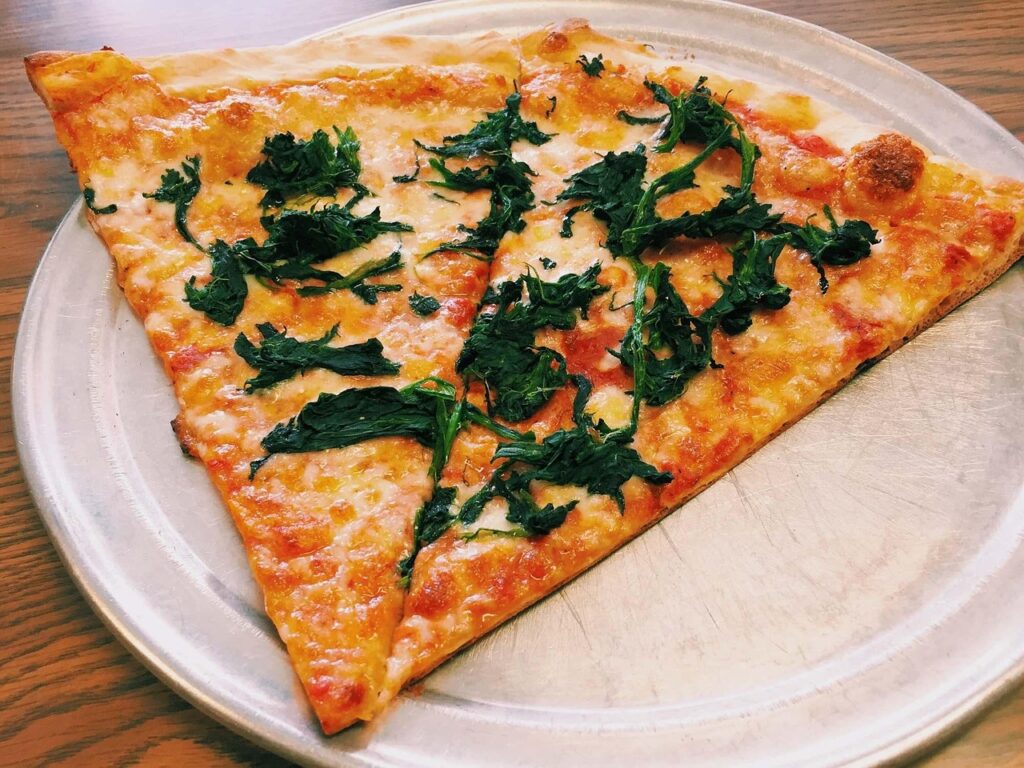
Spinach and mushroom pizza offers a dependable balance of texture and flavor because both vegetables respond well to high heat and maintain structure during baking. Mushrooms bring umami and moisture that evaporates into a concentrated savory note, while spinach softens into tender pockets that evenly distribute across the crust. Pre-sautéing the mushrooms helps prevent excess moisture from pooling, and adding garlic or a mild cheese like mozzarella reinforces depth without overwhelming the vegetables. This pizza performs well on both thin and thick crusts, and the mild flavors appeal to a wide range of palates.
2. Margherita Pizza
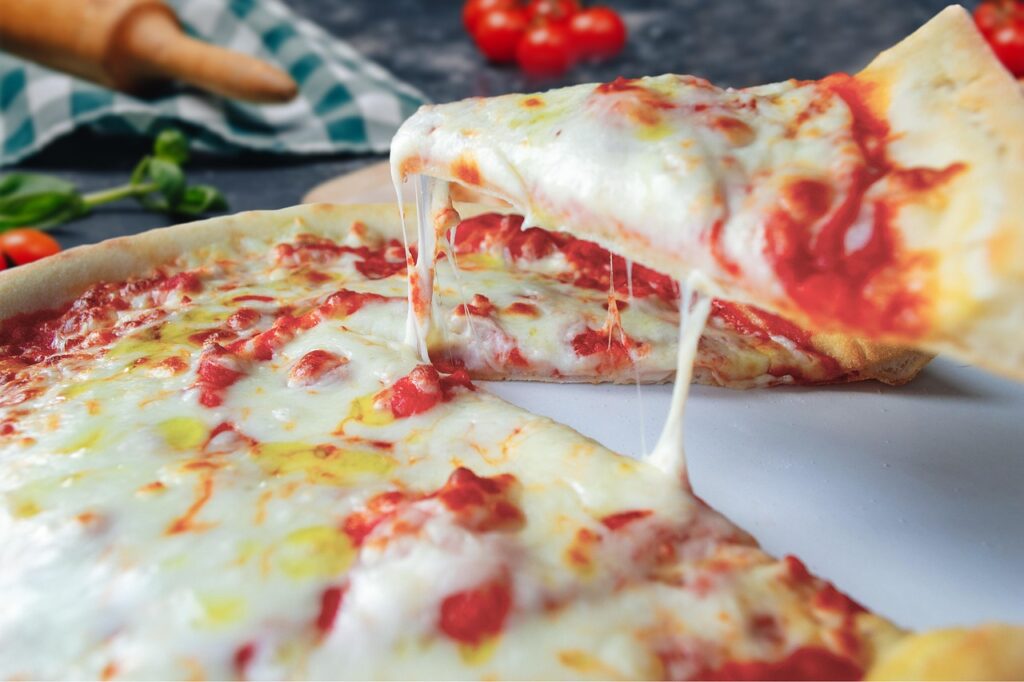
Margherita pizza remains a classic because it highlights core components of Italian cooking in their simplest, most harmonious form. A thin crust topped with crushed tomatoes, fresh mozzarella, and basil produces a clean flavor profile that depends on ingredient quality more than technique. High heat helps the cheese melt into soft pools while slightly blistering the tomatoes, creating a balance between acidity and richness. This minimalistic approach emphasizes proportion and timing, ensuring each bite captures the interplay between crust, dairy, and tomato. Margherita pizza suits both casual dinners and more refined meals.
3. Pesto Vegetable Pizza
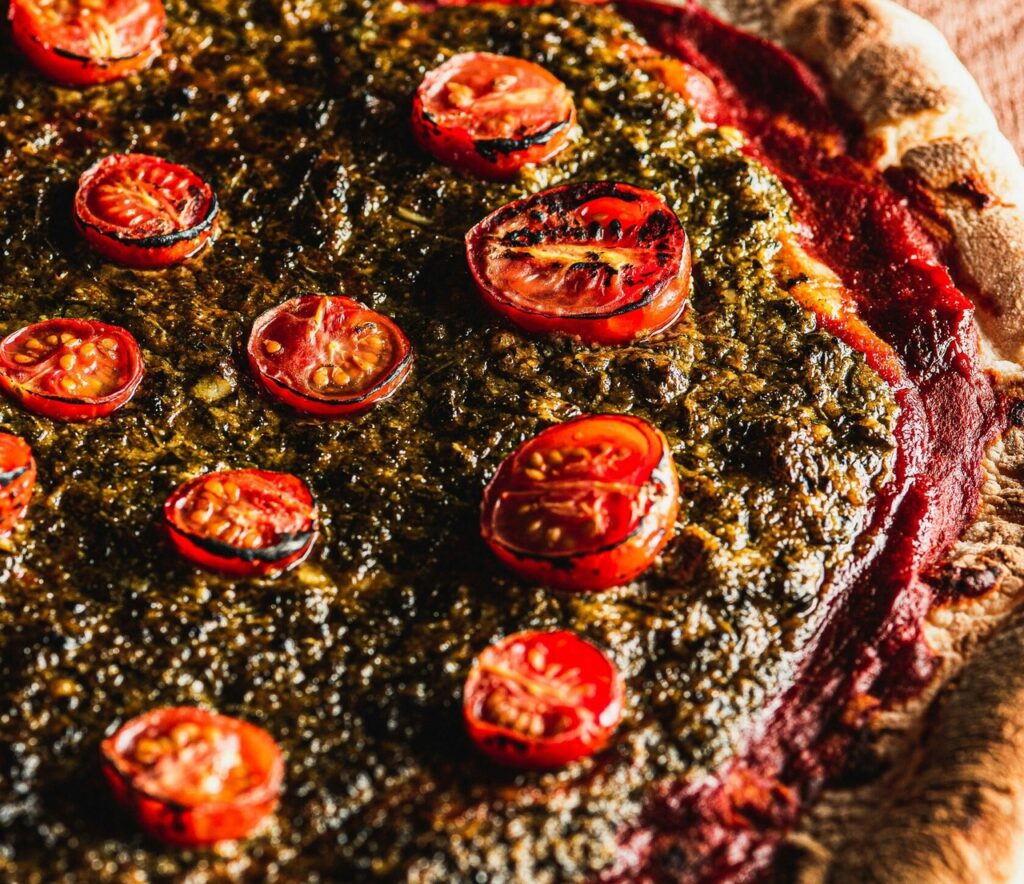
Pesto vegetable pizza focuses on aromatics and herb-forward flavors that pair well with a variety of roasted or sautéed vegetables. A thin layer of pesto provides concentrated basil, garlic, and nut notes that spread easily across the crust and act as a moisture barrier for toppings. Vegetables such as zucchini, bell peppers, or cherry tomatoes roast quickly and develop light caramelization that complements the herbal base. Pesto contains oil and cheese; it melts and anchors toppings without requiring heavy amounts of cheese. This pizza benefits from quick assembly and is ideal for nights when you want a richly scented meal with minimal prep.
4. Asparagus Pizza
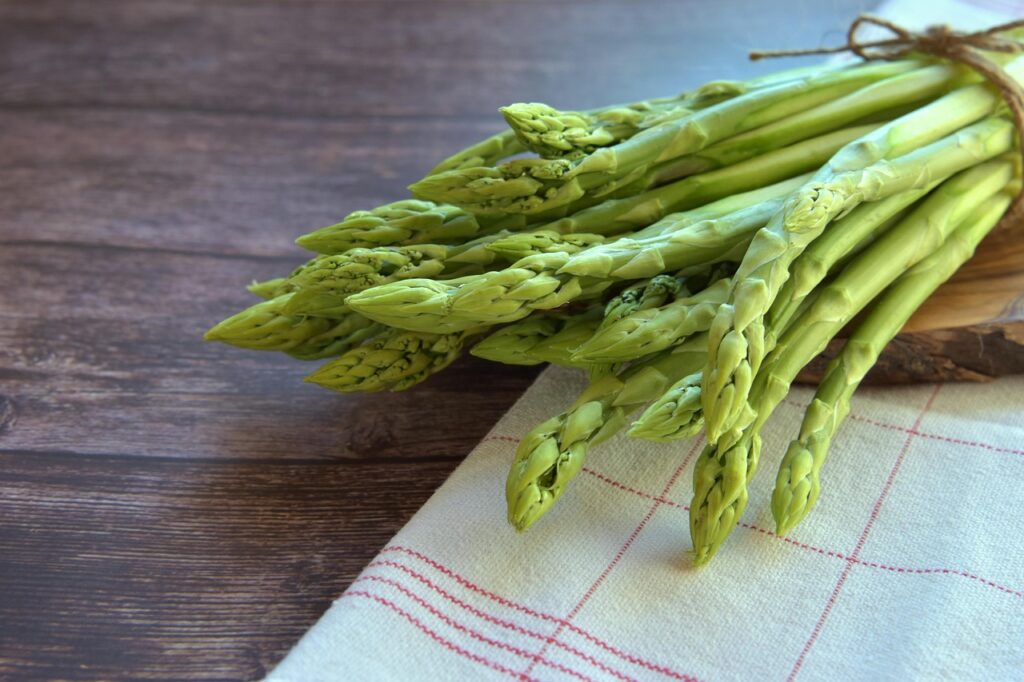
Asparagus pizza showcases the vegetable’s natural sweetness and crisp, tender texture when sliced thin and baked at high heat. Asparagus spears soften just enough to become tender while retaining their bright color, making them visually appealing on the crust. Pairing asparagus with mild cheeses like ricotta or mozzarella keeps the flavor balanced and allows subtle earthy notes to stand out. A drizzle of olive oil and a sprinkle of black pepper before baking help develop surface browning and enhance aroma. This pizza works well in spring when asparagus is freshest, but it can be adapted year-round by adjusting thickness and cooking times.
5. Figs and Arugula Pizza

Figs and arugula create contrast between peppery greens and salty cheese, resulting in a pizza that leans toward a composed salad on warm bread. Fresh or dried figs soften in the oven, releasing sugars that caramelize slightly. Arugula added after baking retains its crispness and pungent bite, offsetting the sweetness. Cheeses like goat cheese or feta introduce acidity and creaminess, which keep the pizza grounded rather than overly sweet. A light drizzle of balsamic reduction can enhance depth without complicating preparation. This pizza is particularly effective as an appetizer because it balances fruit, greens, and dairy in equal measure.
6. Artichoke and Spinach Pizza
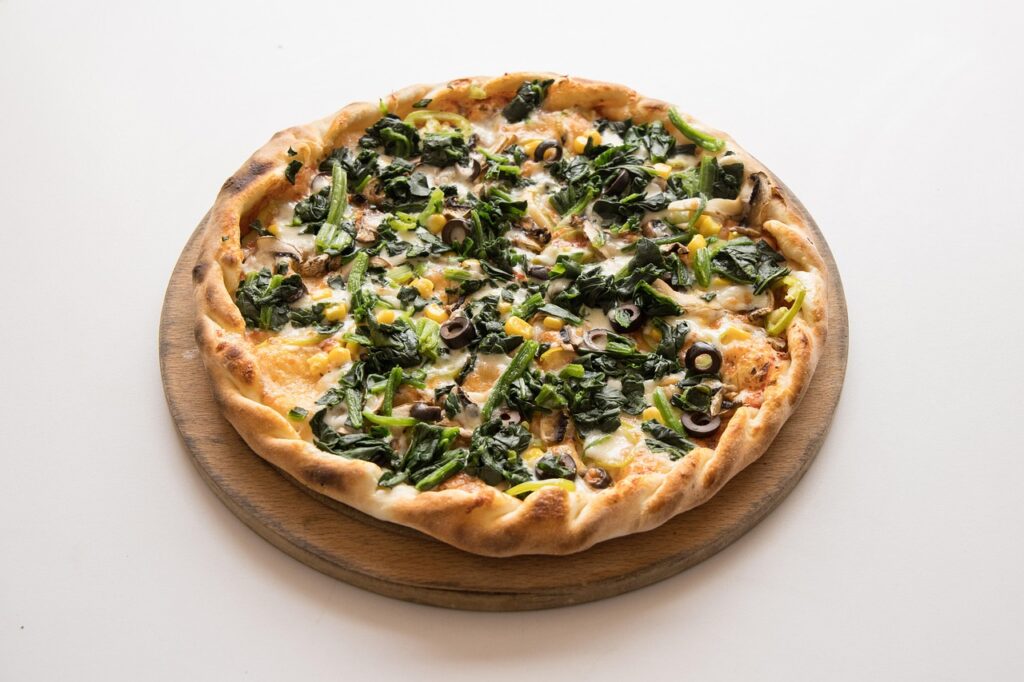
Artichoke and spinach pizza brings together two vegetables that hold their structure well during baking and complement creamy or tangy cheeses. Artichoke hearts provide a tender bite with mild acidity helps balance richer components like mozzarella or a light cream-based sauce. The benefits of garlic, lemon zest, or a small amount of Parmesan are to elevate the aroma and enhance the natural flavors of both vegetables. Each slice carries a consistent texture that appeals to a broad range of palates. This pizza works on thin or thick crusts and adapts easily to variations such as adding roasted onions base for extra depth.
7. Roast Garlic and Mascarpone Pizza
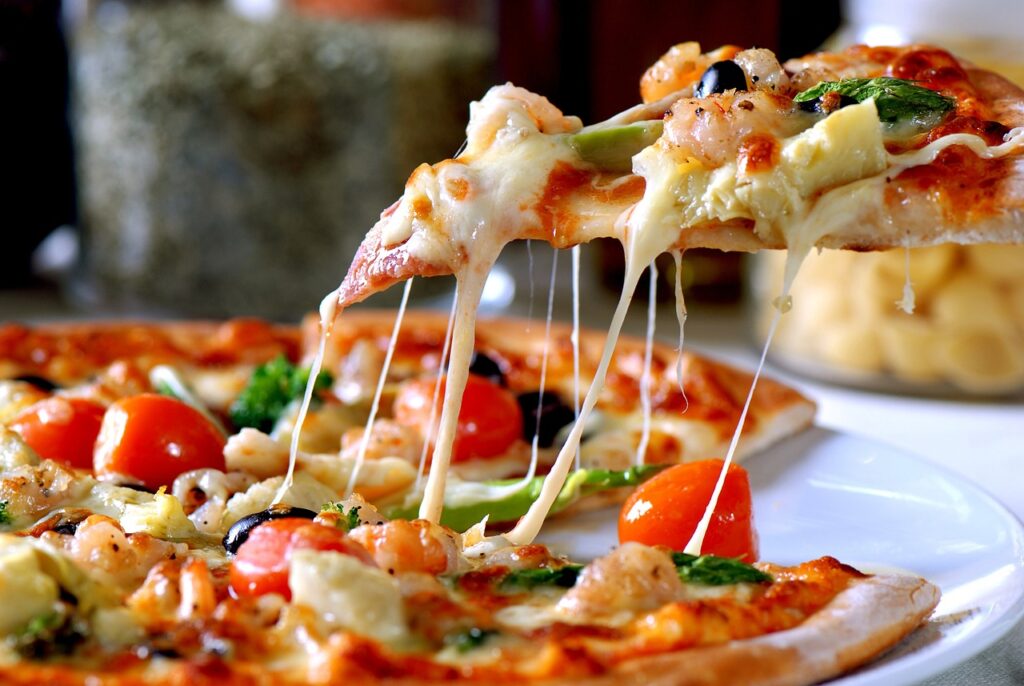
Roast garlic and mascarpone pizza emphasizes creaminess and aromatic depth by pairing slow-roasted garlic with a mild, spreadable cheese base. Roasted garlic loses sharpness and gains a sweet, mellow flavor that spreads easily across the crust. Mascarpone functions as both a cheese and a sauce, providing a silky foundation that does not overpower other ingredients. Adding a small amount of Parmesan or herbs introduces seasoning without disrupting the delicate profile. This pizza benefits from moderate heat that allows the mascarpone to melt evenly while preserving the garlic’s nuanced sweetness.
8. Potato, Green Tapenade, and Herb Spelt Pizza
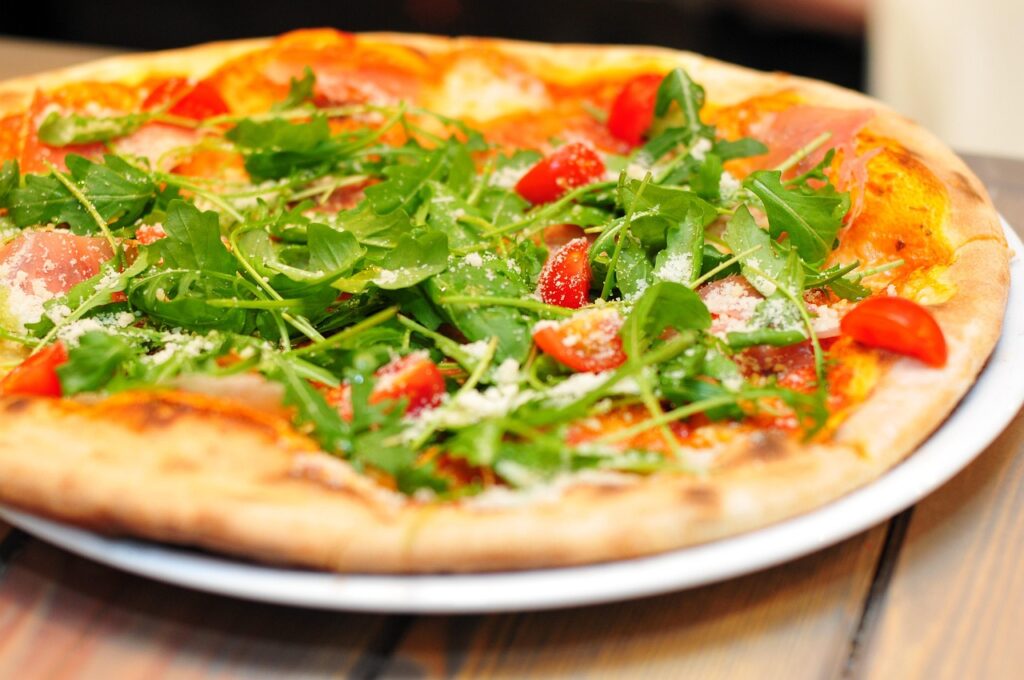
Potato, green tapenade, and herb spelt pizza brings together earthy grains, salty olive-based spread, and thinly sliced potatoes for a rustic but refined result. The spelt dough adds a nutty backdrop that complements the briny tapenade, while potatoes provide structure and mild starchiness that crisps at the edges. Layering potatoes in thin rounds ensures even cooking and allows them to absorb aromatic oils from the tapenade. Fresh herbs like thyme or rosemary boost fragrance and reinforce the savory profile. This pizza appeals to those who enjoy Mediterranean flavors and prefer a crust with more character than traditional wheat dough.
9. Zucchini and Goat’s Cheese Pizza
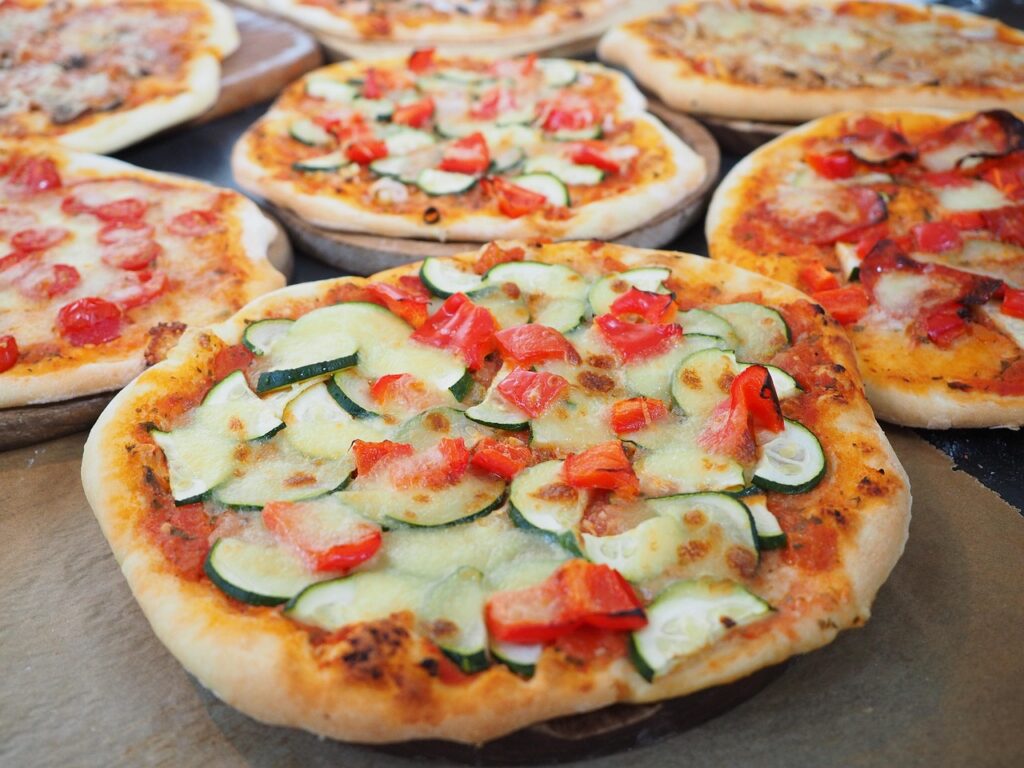
Zucchini and goat’s cheese pizza builds on the vegetable’s moisture and mild sweetness by pairing it with a tangy cheese that adds dimension without heaviness. Thin zucchini ribbons or rounds cook quickly and release just enough moisture to soften but not enough to compromise the crust. Goat’s cheese melts into soft pockets that disperse tangy notes across the surface. Adding lemon zest or fresh herbs brightens the overall flavor, while a light olive oil drizzle enhances browning. This pizza suits warm-weather meals and can be prepared quickly, making it ideal for gatherings where fresh, clean flavors are preferred.
10. Garlicky Eggplant Pizza
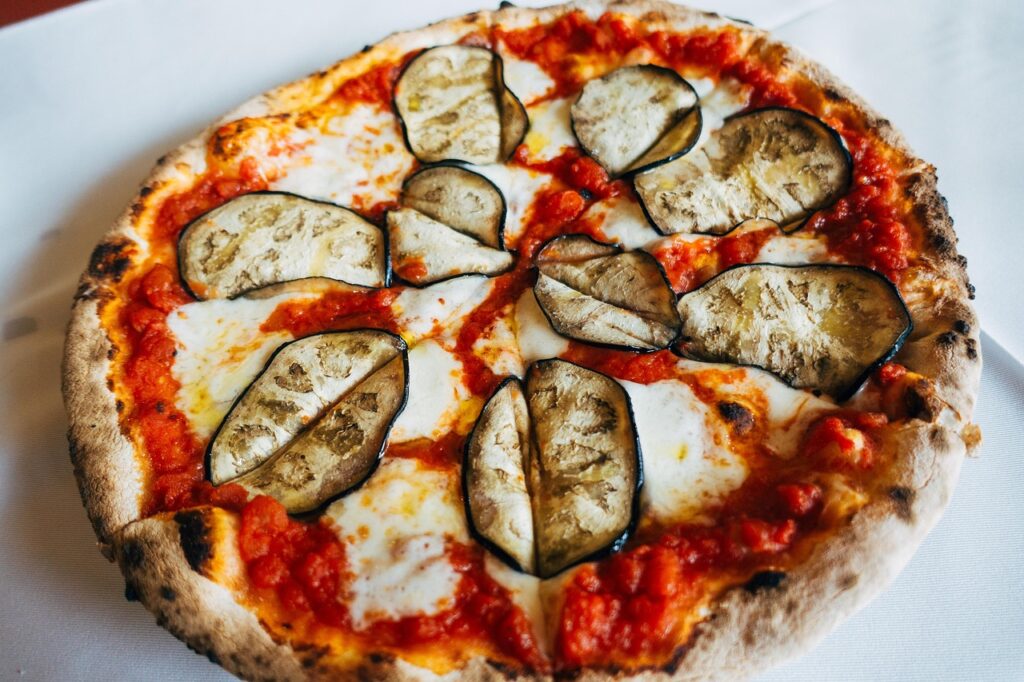
Garlicky eggplant pizza transforms eggplant’s spongy-like texture into a tender, flavorful topping through pre-roasting or pan searing. High heat reduces bitterness and creates surface browning that carries strong savory notes. Garlic pairs naturally with eggplant and can be incorporated as roasted cloves or infused oil, depending on the intensity desired. A cheese like mozzarella or provolone provides enough structure to hold the toppings in place while allowing the eggplant to remain the star. Because eggplant absorbs oil readily, using controlled amounts prevents sogginess and promotes crisp edges.
11. Cauliflower Pizza with Zucchini Pesto
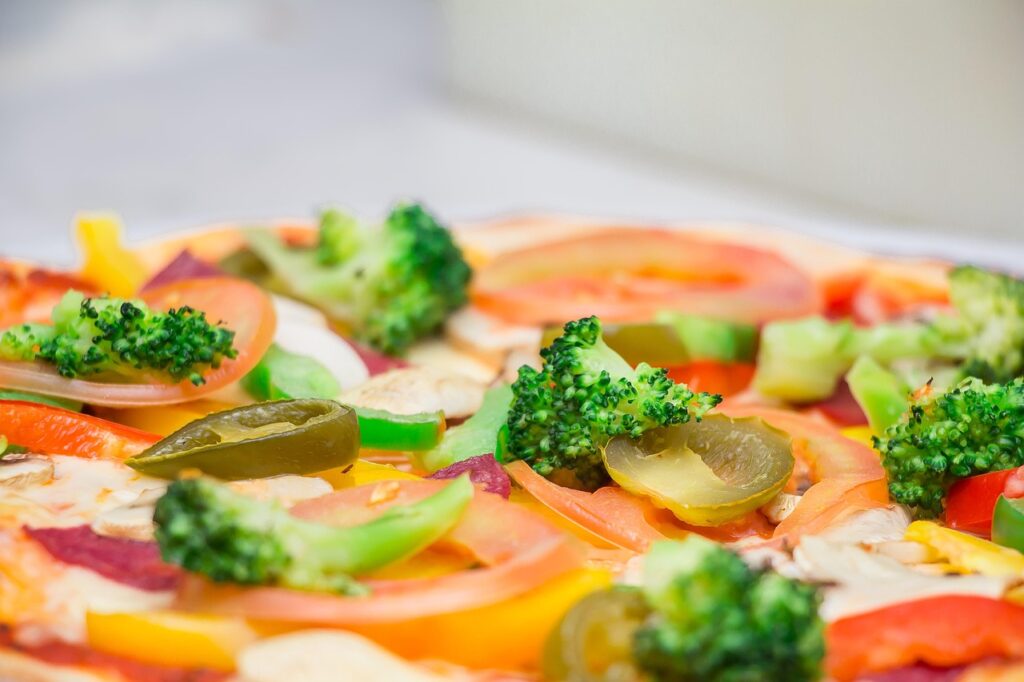
Cauliflower pizza with zucchini pesto highlights two vegetables in complementary roles: cauliflower as the primary topping or base and zucchini as a light, herb-infused sauce. Roasting cauliflower florets concentrates their natural sweetness and develops golden edges that add complexity. Zucchini pesto, typically made by blending zucchini with herbs, nuts, and oil, creates a greener, milder alternative to basil pesto and spreads smoothly across the crust. The combination offers varied textures and a nutrient-dense profile. This pizza appeals to those looking for vegetable-forward meals that maintain satisfying flavor without relying on heavy cheeses.
12. Peperonata Pizza
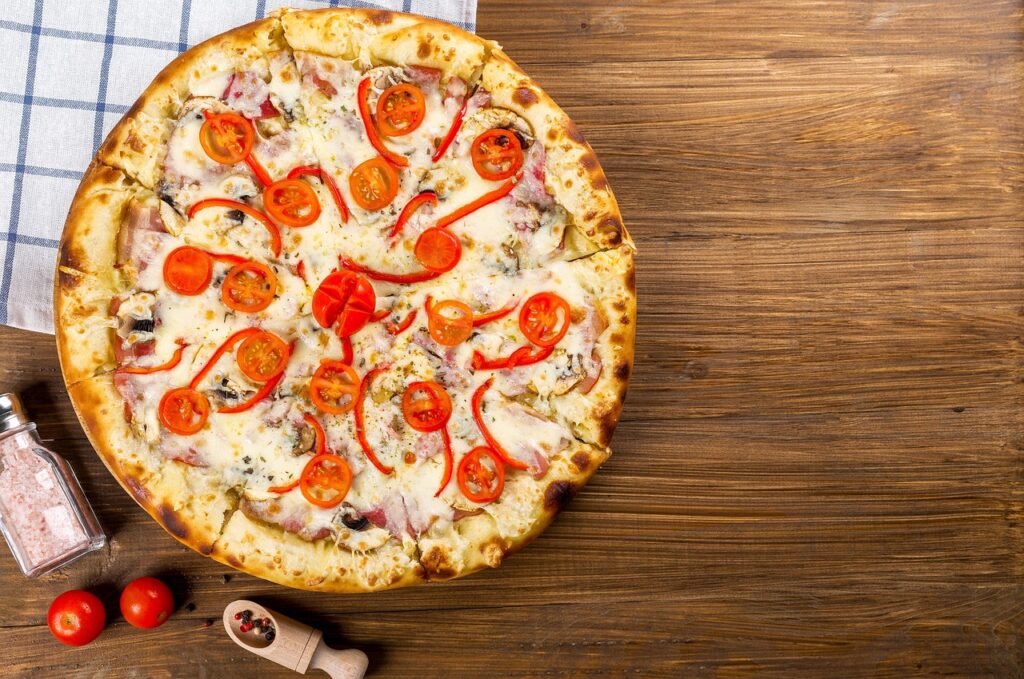
Peperonata pizza features stewed peppers and onions that cook down into a sweet, savory topping with a soft texture. The slow cooking process deepens the peppers’ flavor and allows natural sugars to caramelize slightly. When spread over a crust, peperonata provides a uniform layer that warms quickly and pairs well with cheeses like mozzarella or ricotta. A small amount of vinegar or herb seasoning added after cooking brightens the dish and prevents it from becoming too rich. This pizza is especially fitting for late summer when peppers are abundant, but works year-round with jarred or pre-prepared versions.