The Simple Secret Behind Tender Crockpot Ribs

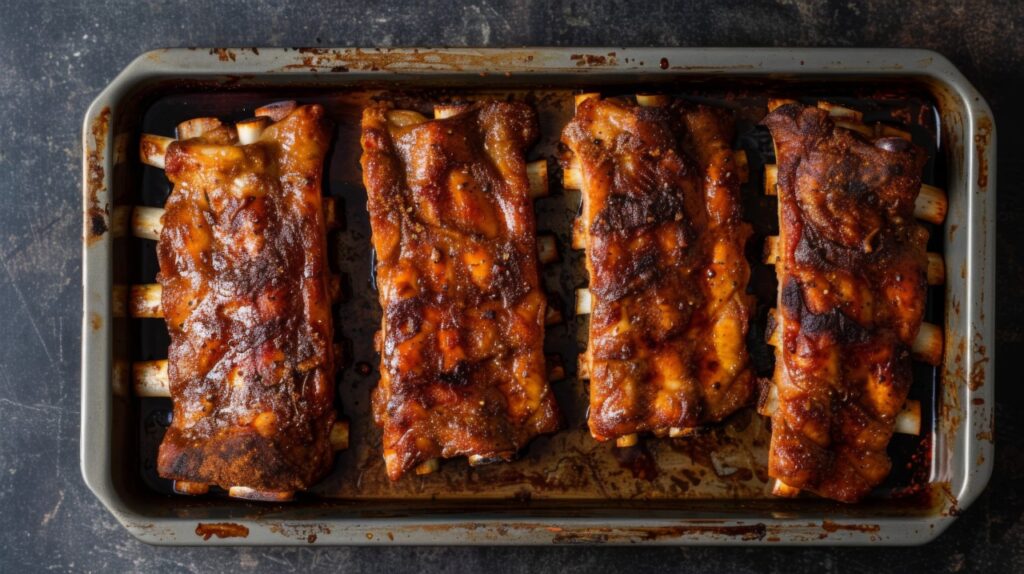
There is something quietly comforting about ribs that turn tender without effort, especially when the crockpot does most of the work. Crockpot ribs promise ease, but the real magic is not hidden in sauce, rubs, or complicated steps. It lives in understanding how slow heat, moisture, and time work together on tough cuts of meat. Pork ribs are filled with connective tissue that needs patience, not force. When heat rises gently and stays steady, fibers begin to relax instead of tightening. Moisture circulates inside the pot, protecting the surface while encouraging internal breakdown. Over hours, collagen softens and transforms, allowing the meat to loosen its grip on the bone.
Instead of chasing bold flavors to hide dryness or overcooking, the focus stays on texture and structure. The crockpot becomes a controlled environment where small choices matter more than flashy ingredients. Timing replaces temperature battles, and restraint replaces constant checking. Each hour builds tenderness naturally, allowing flavor to deepen without burning or drying. By trusting the slow pace, home cooks can repeat results consistently, producing ribs that pull apart easily yet still feel substantial. This approach rewards patience, simplifies cooking, and proves that truly tender ribs come from understanding the process rather than overpowering the meat.
Why Slow Heat Works
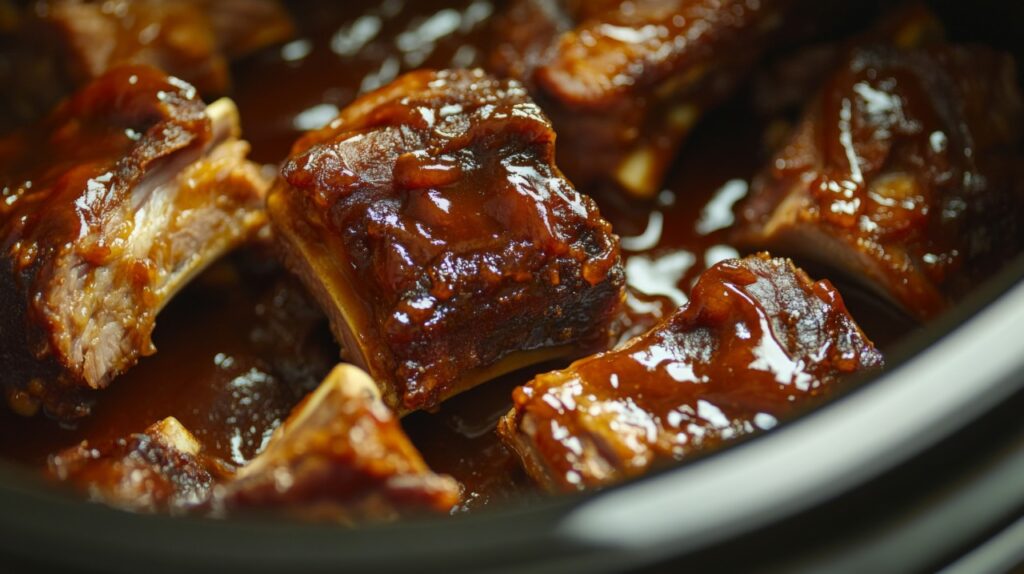
Tender crockpot ribs are not the result of luck or secret ingredients working behind the scenes. They come from giving tough meat the one thing it truly needs, which is time under gentle, steady heat. Pork ribs contain large amounts of connective tissue, especially collagen, that feels chewy and resistant when rushed. When exposed to low temperatures for several hours, collagen slowly breaks down and turns into gelatin. This change is essential for tenderness because gelatin creates a soft, moist texture that coats muscle fibers. Instead of resisting the bite, the meat yields easily and feels rich rather than dry or stringy, which is why slow cooking consistently produces better ribs.
Slow heat also protects ribs from the tightening reaction that ruins texture. When meat cooks quickly, muscle proteins contract aggressively and force moisture out, leaving ribs dense and dry. In a crockpot, the gradual temperature rise allows those proteins to relax as they cook. This relaxed structure holds onto liquid instead of squeezing it away. Over time, heat penetrates evenly from the outside to the bone, breaking down tough areas without shocking the meat. The ribs become tender not because they are boiling or steaming aggressively, but because they are quietly softening in a controlled environment that favors patience over speed.
The Power of Moisture
Moisture inside a crockpot plays a far greater role than simply preventing ribs from drying out during long cooking. It creates a humid, enclosed environment that allows heat to move gently and evenly around the meat. Even a modest amount of liquid generates steady steam, which surrounds the ribs and softens connective tissue without harsh agitation. This moist heat helps collagen relax and slowly convert into gelatin, giving ribs a supple texture. Because the ribs are not fully submerged, they avoid becoming waterlogged while still benefiting from constant humidity. The result is meat that stays juicy, tender, and evenly cooked from surface to bone, rather than tough or unevenly textured.
Moisture also acts as a stabilizing force inside the crockpot, preventing sudden temperature swings that can damage texture. As liquid warms, it absorbs and redistributes heat, keeping the cooking environment consistent for hours. This buffering effect reduces the risk of dried edges, tight muscle fibers, or overheated spots near the walls of the pot. The ribs gently braise in their own rendered juices, which concentrate flavor while preserving structure. When moisture is insufficient, slow cooking still applies heat but removes its safety net. Muscle fibers tighten, juices escape, and the ribs lose their ability to soften properly, resulting in meat that feels firm instead of yielding.
Salt Changes Everything
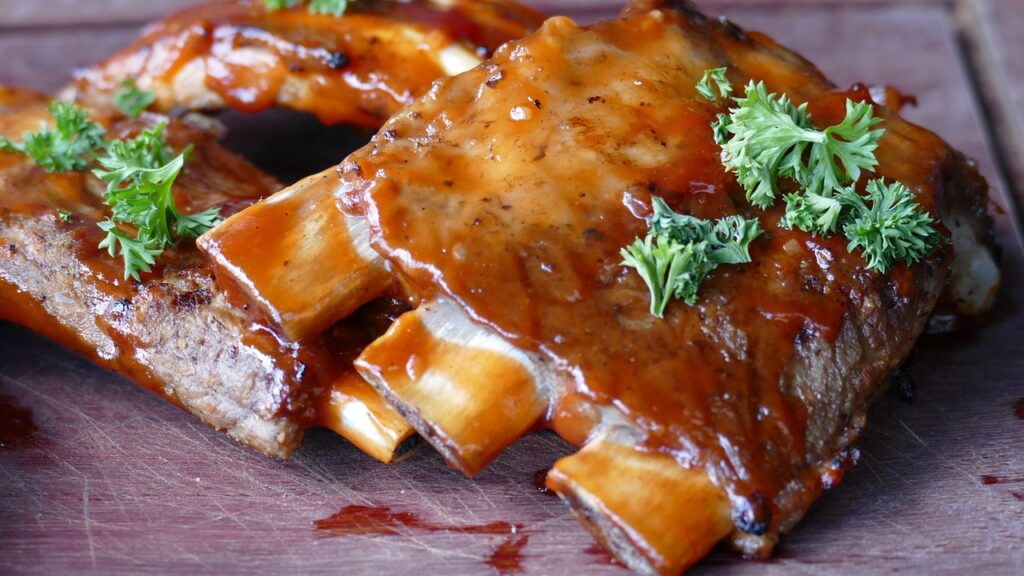
Salt begins working on ribs long before any heat is applied, quietly reshaping how the meat will behave during slow cooking. When salt is added early, it first draws moisture to the surface, then dissolves and moves back into the meat. As it travels inward, salt interacts with muscle proteins, loosening their structure and allowing them to hold onto water more effectively. This process changes how ribs respond to heat, making them less prone to drying out during long hours in the crockpot. Instead of moisture escaping as fibers tighten, it stays bound within the meat, creating ribs that remain juicy and supple rather than stiff or leathery as cooking progresses.
As the ribs cook slowly, those salt-altered proteins stay more flexible under heat, which is critical for tenderness. Rather than contracting aggressively, the muscle fibers relax and soften as collagen breaks down. This prevents the dense or chalky texture that can appear when meat cooks for hours without proper preparation. Salt also ensures flavor reaches beyond the surface, seasoning the ribs evenly from edge to bone. Without this step, ribs may still become tender but often taste flat or inconsistent, forcing cooks to rely on heavy sauces later. Proper salting builds both texture and flavor from the inside out, setting the foundation for consistently satisfying results.
Timing Makes or Breaks Ribs
Adding sauce too early is one of the fastest ways to undermine tender crockpot ribs, even when everything else is done correctly. Most barbecue sauces contain sugar, honey, or syrups that react poorly to long exposure to heat. As these sugars cook for hours, they thicken and concentrate, forming a sticky coating on the surface of the meat. This layer limits how moisture interacts with the ribs and can cause the outer fibers to tighten prematurely. Even if the interior becomes soft, the surface may feel firm or slightly rubbery, creating an uneven texture that distracts from otherwise well-cooked meat.
Waiting to apply sauce until the final stage allows the ribs to benefit from uninterrupted moisture and gentle heat. During this time, connective tissue has a chance to break down fully, and muscle fibers relax evenly from edge to bone. Once the ribs are tender, the sauce can be added without interfering with the texture. The sugars warm and cling rather than concentrate and stiffen, creating flavor without resistance. Late saucing also makes it easier to judge doneness, since the meat is not hidden beneath a thick glaze. This simple timing shift protects tenderness, preserves balance, and ensures ribs taste rich without sacrificing their soft, yielding bite.
The One Rule That Delivers
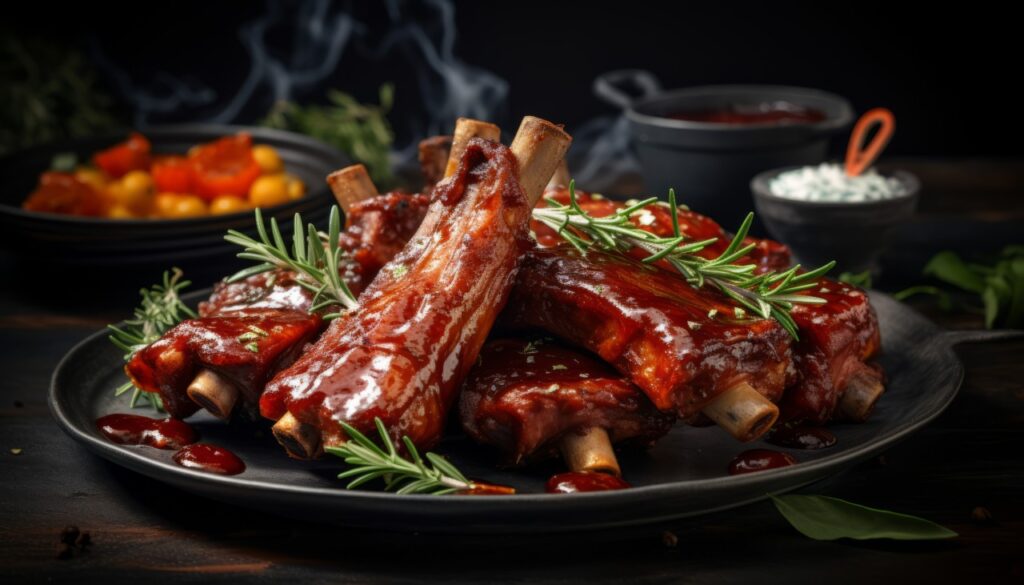
Consistency is the quiet rule that delivers tender crockpot ribs every time, even though it rarely gets the spotlight. Ribs respond best when heat, moisture, and time remain steady from start to finish. Low heat allows connective tissue to soften gradually instead of tightening under stress. Steady moisture keeps muscle fibers from drying and shrinking as they cook. Time allows collagen to fully convert into gelatin, which gives ribs their signature softness. Frequent lid lifting, temperature changes, or last-minute adjustments interrupt this process. Each disruption releases heat and steam, forcing the meat to recover instead of relax.
A stable cooking environment also ensures the ribs cook evenly rather than breaking down in stages. When conditions stay consistent, fat renders slowly and evenly, basting the meat from within. Collagen melts at a controlled pace, preventing the fibers from collapsing into mush. The meat loosens from the bone without falling apart, which is the ideal balance for texture and structure. Inconsistent heat often creates ribs that feel dry in places and overly soft in others. By trusting the crockpot to maintain steady conditions, the ribs finish with a uniform tenderness that feels intentional, not accidental.
Reference
- Perfect Crockpot Ribs: Foolproof 6-Step Method – alibaba.com
- The Secret to Crockpot Ribs (Slow Cooker) – triumph-jo.com
- Easy Melt In Your Mouth Crockpot Ribs – acorkforkandpassport.com