How Airport Dining Prices Differ From Regular Restaurant Costs

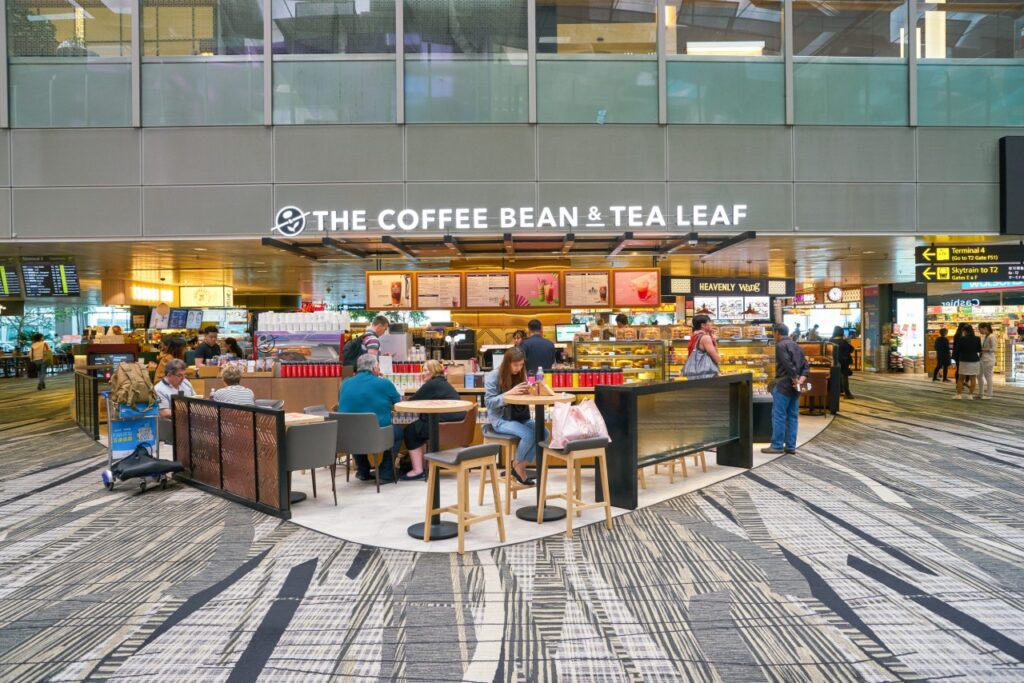
Airports have a way of turning ordinary moments into something that feels slightly elevated, and food is no exception to that shift. What would normally be a quick coffee run or a simple meal outside suddenly carries a different weight once you’re inside a terminal. With fewer dining choices and limited time before boarding, travelers often find themselves paying more without hesitation. The setting encourages faster decisions, and the urgency of travel reduces price comparison, making higher costs feel like a natural part of the journey rather than an unusual expense, especially when comfort and convenience take priority over savings.
Yet behind those noticeably higher menu prices lies a story that most travelers rarely pause to consider. From elevated rents and strict delivery schedules to staffing limitations and security procedures, airport dining operates under unique constraints. At the same time, traveler behavior plays a key role, as convenience and time pressure often outweigh cost concerns. Understanding these layered factors not only explains why prices rise but also highlights how spending habits quietly change in transit spaces designed for movement, not careful decision making, where speed often matters more than value.
The True Cost of Convenience in Airport Dining
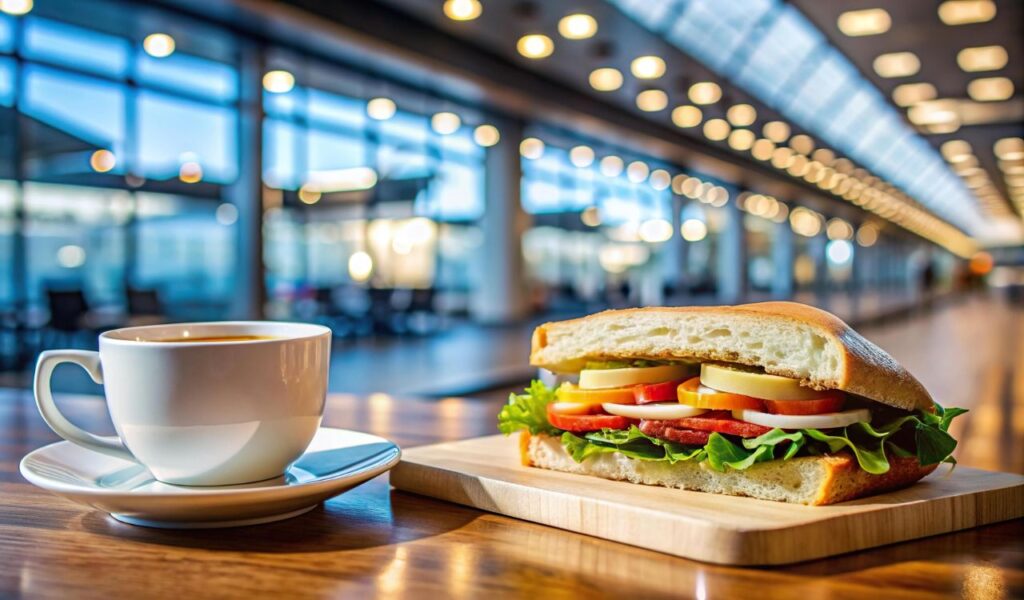
Step inside an airport terminal, and the first thing you notice is how quickly convenience begins to outweigh choice in subtle but powerful ways. Once past security, dining options become more limited, and that restricted access gives food outlets the ability to charge more than similar places outside. Travelers are not simply paying for a meal, but for the ease of immediate access in a space where leaving is no longer practical. The environment reduces comparison and encourages quick decisions, making higher prices feel like a built-in part of the travel experience rather than an avoidable cost.
Behind the scenes, airport restaurants operate under conditions that naturally push prices upward. Rent inside terminals is significantly higher, often structured through agreements that require sharing revenue with airport authorities. On top of that, strict security rules, limited delivery schedules, and specialized infrastructure create logistical challenges that do not exist in regular locations. Staffing can also be more complex due to access controls and time restrictions. When all these factors combine, even a simple meal reflects the added costs of operating in a tightly controlled and high-demand space.
Why Travelers Continue to Pay Premium Prices
Despite noticeably higher prices, airport dining areas rarely sit empty, and that consistency reveals how travelers approach spending in transit. Once inside a terminal, time becomes a more valuable resource than money, especially as departure schedules draw closer. Hunger combined with limited options lowers the urge to compare prices, and convenience quickly takes priority. Many passengers choose the nearest available option rather than searching for better value, accepting the added cost as part of staying on schedule and avoiding unnecessary stress before boarding, even when they are aware prices are higher.
Beyond urgency, there is a subtle psychological shift that influences how people spend while traveling. Being in transit often creates a temporary mindset where routine budgeting feels less important, and small indulgences seem justified. Whether someone is starting a vacation or navigating a work trip, the setting encourages relaxed spending habits. This behavioral pattern allows airport restaurants to sustain higher prices without reducing demand, as customers tend to focus more on comfort, speed, and ease rather than strictly evaluating the cost of each purchase, making spending feel easier and more acceptable.
The Balance Between Accessibility and Affordability
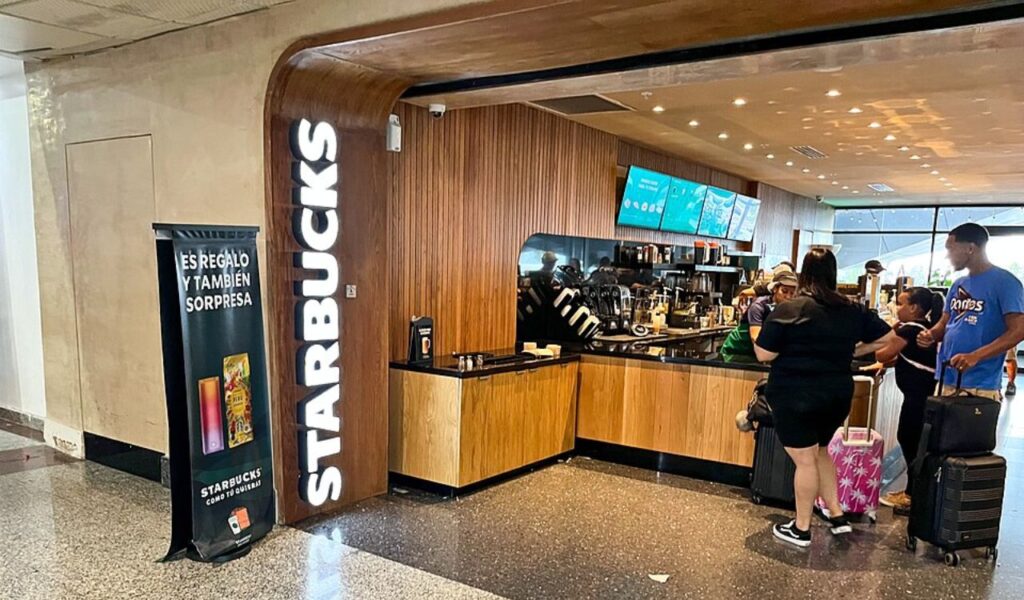
Airports are designed to serve large volumes of travelers efficiently, but keeping food both accessible and affordable remains a complex challenge. While many terminals include a mix of familiar budget chains and higher-end dining options, overall pricing still tends to stay above what you would find outside. Limited space, controlled vendor selection, and high operating expenses all influence this imbalance. Even when affordable options exist, they are often fewer in number, making it harder for travelers to consistently find meals that match both their budget and expectations, especially during peak travel hours.
In response to growing concerns, some airports have introduced pricing policies aimed at aligning in-terminal costs with those found outside, often referred to as street pricing. These rules are meant to prevent excessive markups, but they are not applied uniformly across all airports or vendors. In practice, pricing differences can still appear through portion sizes, combo structures, or limited discounts. As a result, while these efforts improve transparency, they do not fully eliminate the gap, leaving travelers to navigate a system that still leans toward higher overall spending, even with better awareness.
How Awareness Can Help You Spend Smarter
Understanding the reasons behind higher airport food prices gives travelers a clear advantage when it comes to managing their spending. Simple habits like eating a proper meal before arriving at the airport or carrying ready-to-eat snacks can help reduce reliance on expensive terminal options. Even within the airport, taking a few extra minutes to compare menus or walk slightly further for better choices can make a noticeable difference. These small decisions shift the experience from impulsive buying to more mindful spending, helping travelers stay in control without adding stress to their journey, especially during long layovers or unexpected delays.
Technology has further strengthened this ability to make smarter choices while on the move. Many airports now provide digital directories, mobile apps, or QR-based menus that allow passengers to check prices, explore options, and even locate better-value outlets in advance. This access to information reduces uncertainty and limits rushed decisions driven by hunger or time pressure. As awareness increases, travelers become less reactive and more intentional, making choices that balance convenience with cost while still enjoying the overall travel experience, even in busy and unfamiliar terminals.
The Future of Pricing in Airport Food Spaces
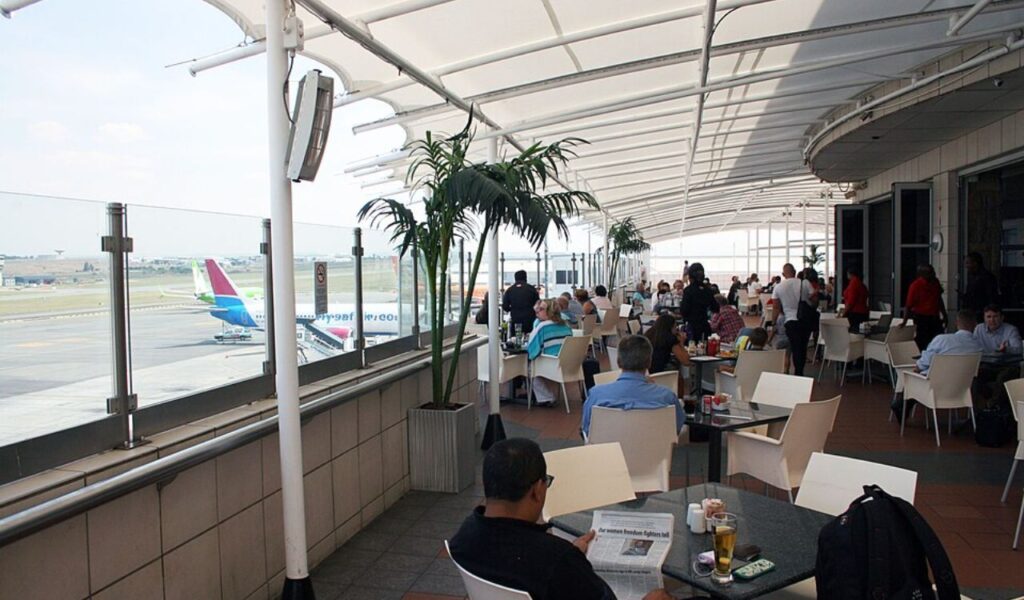
Airport dining is steadily evolving as traveler expectations continue to shift toward greater value and transparency. Modern passengers are more informed than ever, often comparing prices and options in real time using their phones before making a purchase. This growing awareness is encouraging both airports and food vendors to rethink how they price their offerings within terminals. Clearer pricing structures, visible menus, and consistent value are becoming more important, especially as travelers begin to expect the same fairness they experience outside the airport environment, even during peak travel seasons and busy transit hours.
At the same time, there is a noticeable push toward more balanced pricing models across many major airports. Some have introduced or expanded street pricing policies, while others are increasing vendor variety to encourage competition and improve value. Improvements in logistics, supply chains, and operational efficiency are also helping reduce some cost pressures over time. Although convenience will likely always carry an added cost, these gradual changes suggest a future where airport dining feels less like a premium expense and more like a fair extension of everyday choices, offering better value for frequent and occasional travelers alike.