The French Technique That Makes Scrambled Eggs Silky Every Time

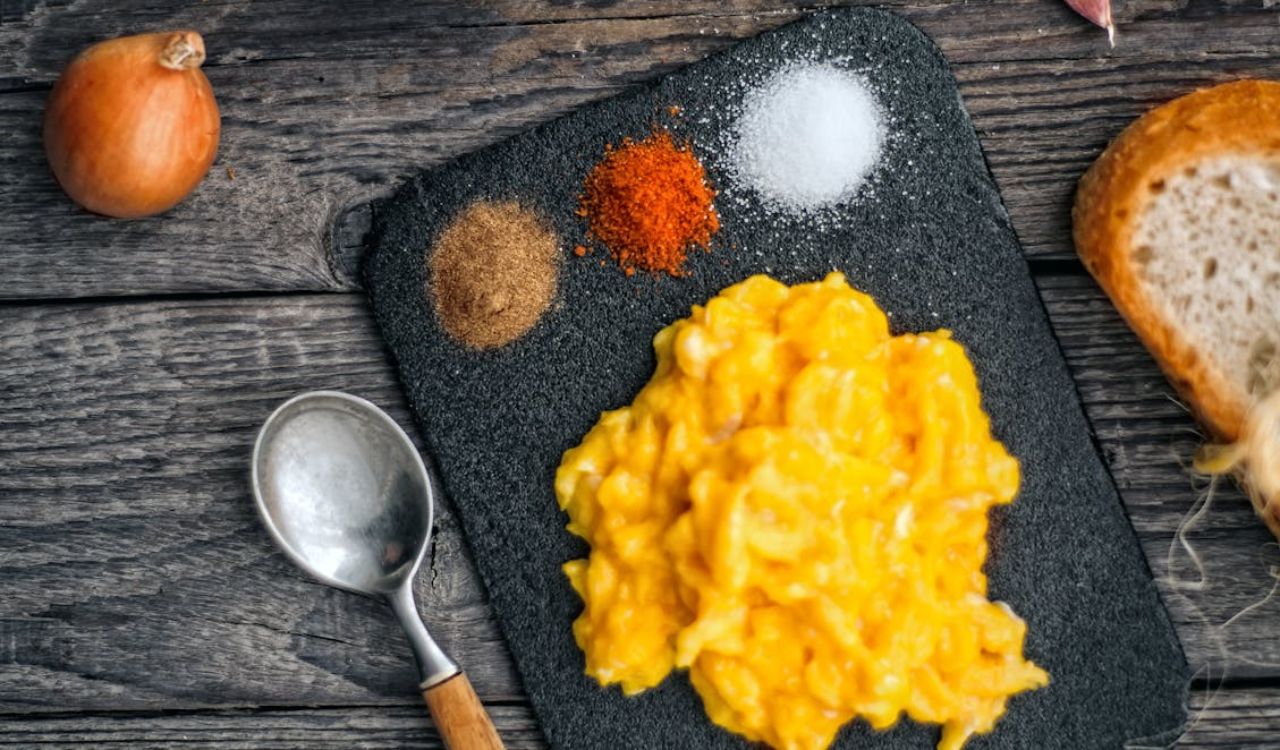
Scrambled eggs may look simple, but achieving a consistently silky texture is harder than it seems. Many home cooks struggle with eggs that turn dry, grainy, or overcooked in minutes. French style scrambled eggs offer a different approach, prioritizing patience, temperature control, and technique over speed. The result is a soft, creamy scramble with tiny curds that feels more like a custard than breakfast. This method has long been used by French chefs, and food science explains exactly why it works so well.
What Makes French Scrambled Eggs Different
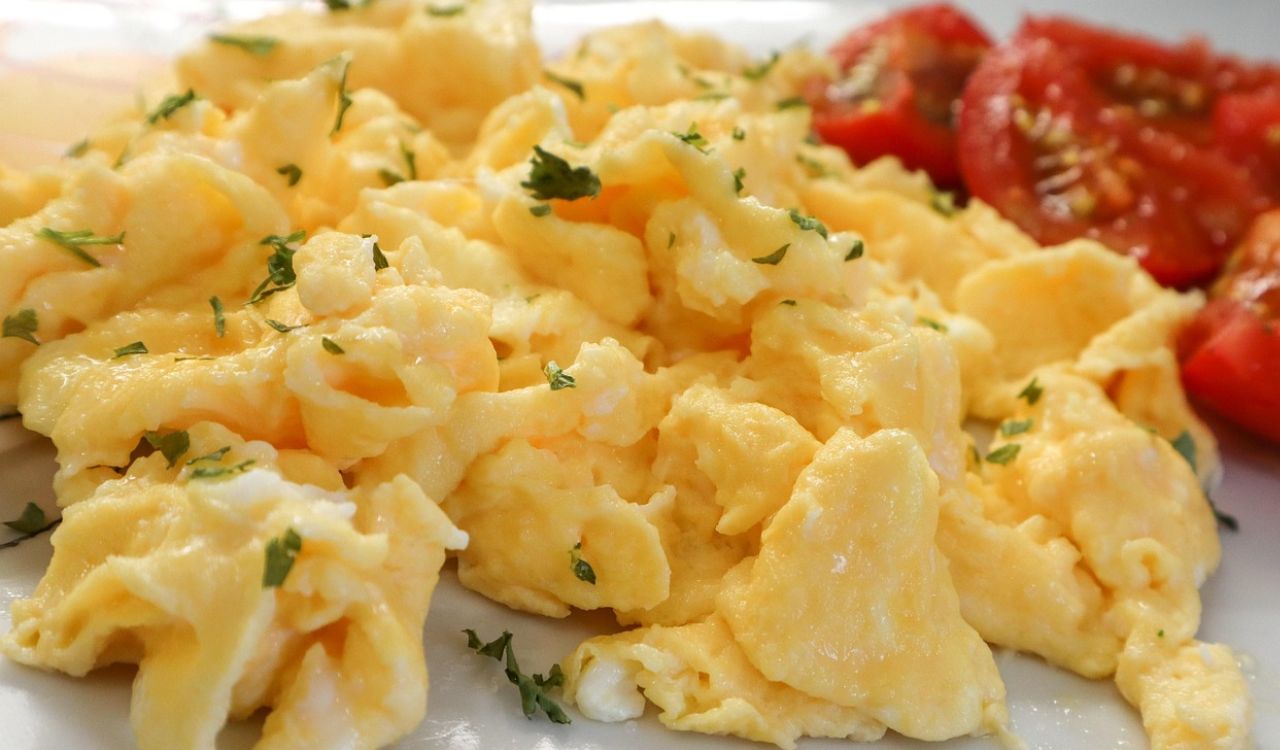
French scrambled eggs stand apart from the fluffy, large curd versions common in American kitchens. Instead of cooking quickly over high heat, French eggs are cooked slowly with constant movement. The goal is to control how egg proteins coagulate so they thicken gently without squeezing out moisture.
Traditional French preparations focus on texture rather than volume. The eggs are stirred continuously, creating very small curds that remain suspended in a creamy base. Butter plays a supporting role, adding richness while helping regulate temperature. Unlike other methods that rely on cream, milk, or extra ingredients, the classic French approach depends almost entirely on timing and heat management.
This style is often associated with chefs like Jacques Pépin, who has demonstrated variations of slow cooked scrambled eggs for decades. While recipes differ slightly, the underlying principle remains the same: slow heat equals smoother eggs.
The Cold Pan and Cold Eggs Method Explained
Recent testing and experimentation have highlighted a surprisingly simple technique that delivers consistent results. Starting with a room temperature pan and eggs straight from the refrigerator creates a controlled cooking environment that favors silkiness.
Why Temperature Control Matters
Egg proteins begin to coagulate at relatively low temperatures. When eggs hit a hot pan, they set quickly, forming large curds and releasing moisture. Slowing the temperature rise allows proteins to bond gradually, creating smaller curds that retain liquid.
Using cold eggs in a cool pan extends the time it takes for the eggs to reach coagulation temperature. This gives the cook more control, making it easier to stir continuously and prevent overcooking. Food science research confirms that gradual heating produces a softer gel structure in eggs, which translates to a creamier texture.
Butter as a Temperature Buffer
Butter does more than add flavor. As it melts slowly, it absorbs heat and distributes it evenly throughout the pan. This helps prevent hot spots that can scramble eggs unevenly. Cubed butter melts gradually when added to cold eggs in a cool pan, reinforcing temperature control during the critical early stages of cooking.
Because butter melts at a lower temperature than egg proteins set, it creates a gentle transition that protects the eggs from sudden heat exposure. This interaction is a key reason French scrambled eggs feel rich even without added cream.
How to Make French Style Scrambled Eggs Step by Step
While the method sounds technical, it requires no special tools or ingredients. Success depends on attention rather than complexity.
Preparation Comes First
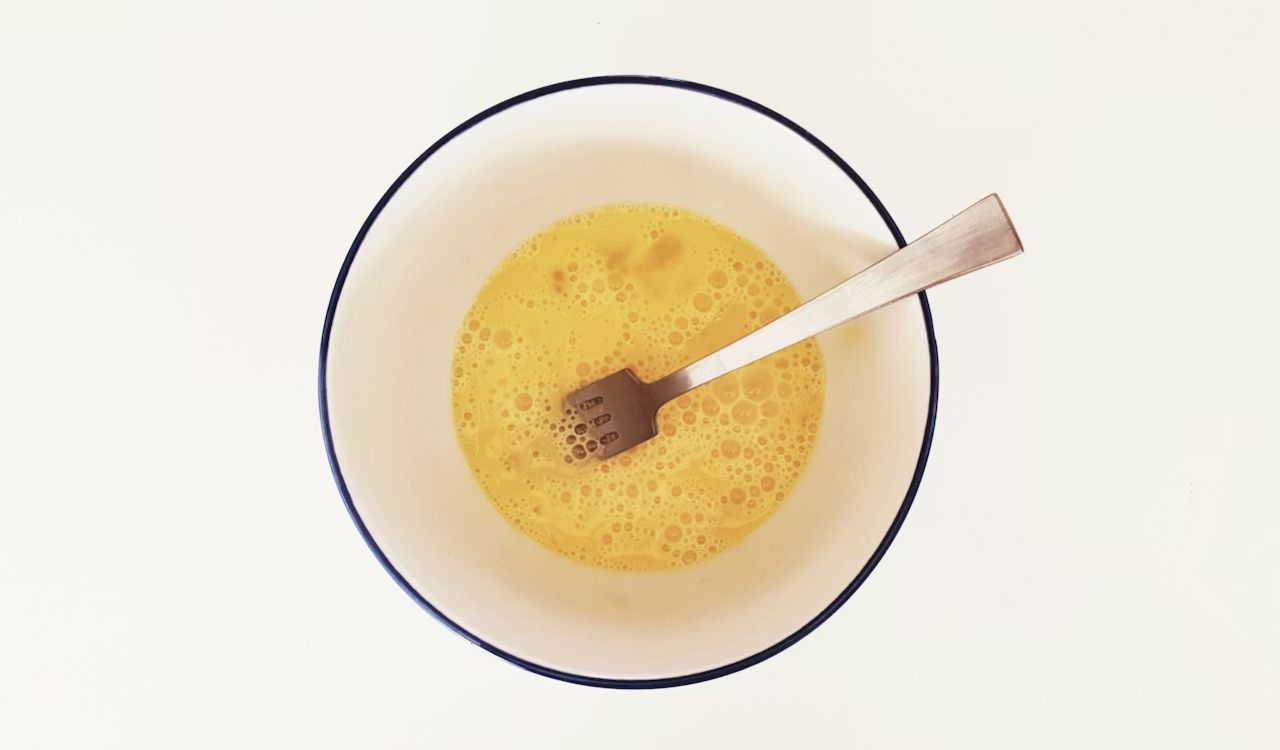
Crack the eggs directly from the refrigerator into a bowl and lightly whisk just until the yolks and whites are combined. Overwhisking introduces excess air, which works against the dense, silky texture this method aims for.
Choose a nonstick pan or a well seasoned cast iron pan. The pan should be at room temperature, not preheated. Set it over the lowest heat setting available on your stove.
Add the eggs to the pan along with cubed butter. A common ratio used by French chefs is roughly one tablespoon of butter per egg, though exact amounts can be adjusted to taste.
Constant Movement Is Essential
From the moment the pan goes on the heat, stir continuously using a flexible spatula. Scrape the bottom and sides of the pan as the eggs warm. The goal is to break up curds as soon as they form, keeping them small and evenly distributed.
As the butter melts, it will blend into the eggs, creating a glossy texture. The eggs should thicken very slowly. This process can take several minutes, which is intentional.
When the eggs appear mostly set but still look wet and loose, remove the pan from the heat. Residual heat will finish the cooking. Continue stirring briefly until the eggs reach the desired consistency.
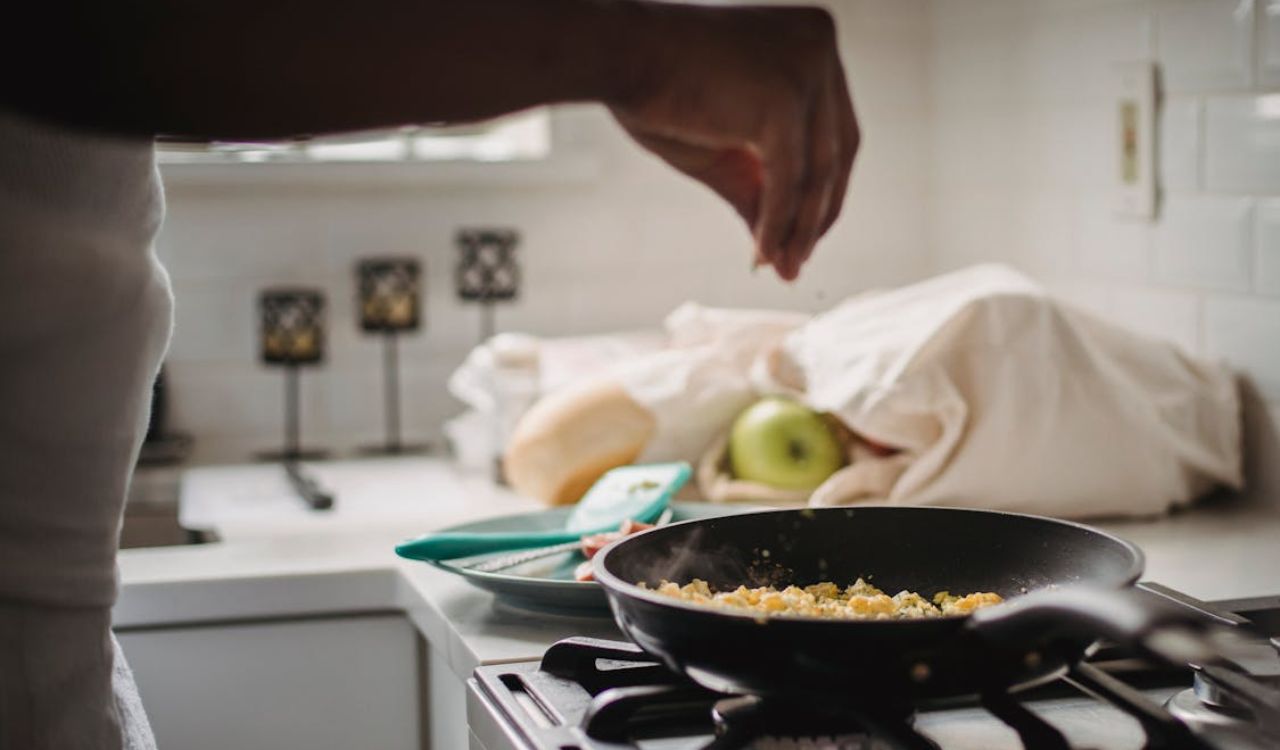
Season at the very end. Salting earlier can draw moisture out of the eggs, which affects texture. Serve immediately, as French scrambled eggs continue to firm up as they sit.
Why This Technique Works Every Time
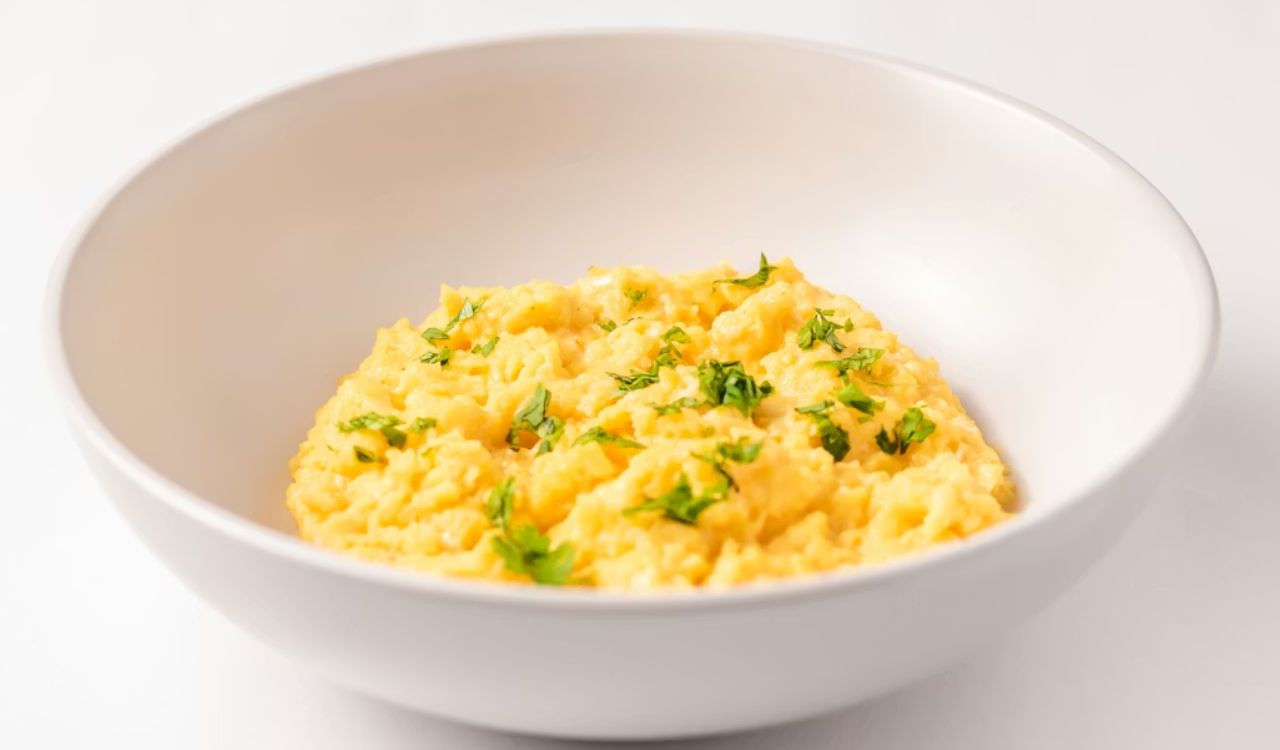
The success of this method lies in how it aligns with egg chemistry. Eggs are made up of proteins suspended in water. When heated too quickly, proteins tighten and squeeze out moisture, leading to dryness. Gentle heat allows proteins to unfold and link gradually, trapping water in a soft network.
Food science literature consistently shows that slower heating produces more tender egg curds. This explains why techniques like double boilers and low heat stirring have long been favored in professional kitchens. The cold pan and cold eggs method achieves the same effect without extra equipment.
This approach also reduces margin for error. Because the eggs warm slowly, there is more time to react if they begin to set too quickly. Even beginners can correct course with continued stirring.
Common Mistakes That Ruin Silky Scrambled Eggs
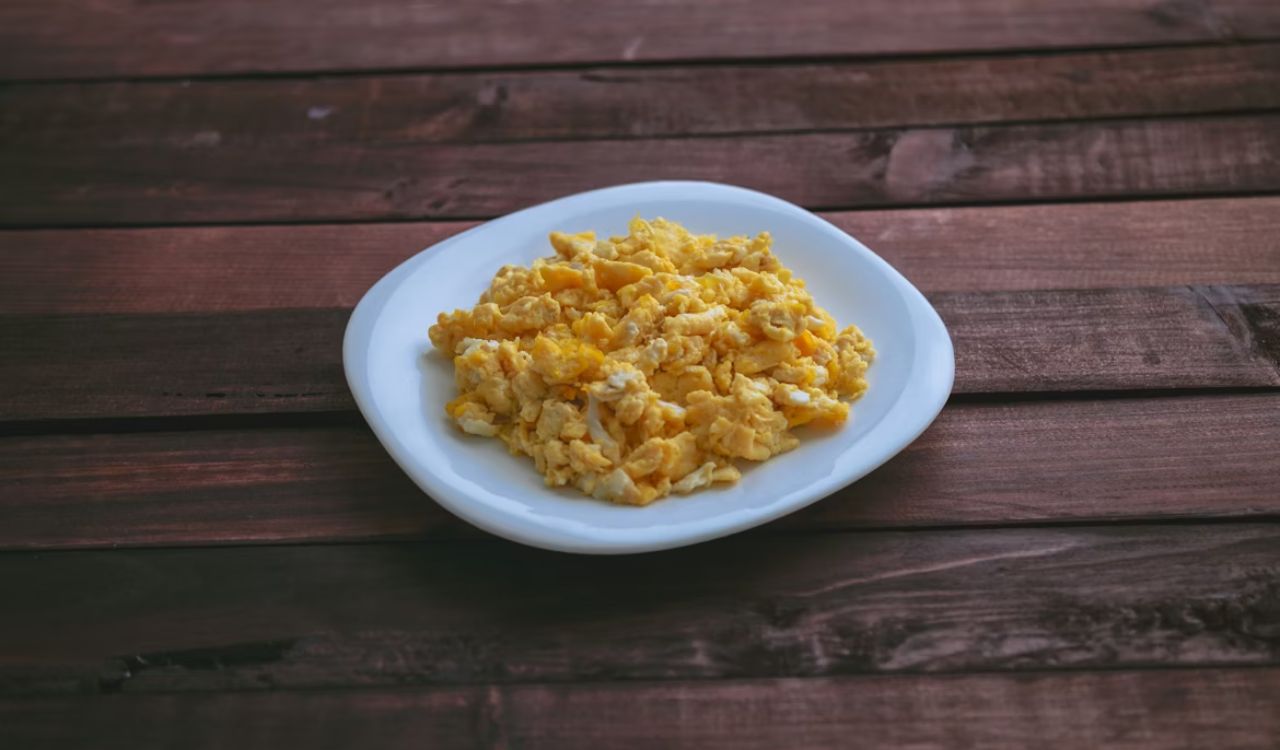
Many well intentioned habits work against the French method.
- Preheating the pan is one of the biggest mistakes. A hot pan accelerates coagulation and eliminates the gradual temperature increase that makes the technique effective.
- Using high heat is another issue. Even brief exposure to excessive heat can cause eggs to seize and release moisture. Low heat is essential from start to finish.
- Stopping the stirring too early allows curds to grow too large. Constant movement keeps the texture uniform and prevents sticking.
- Finally, overcooking at the end can undo all the careful work. French scrambled eggs should look slightly underdone when removed from heat. They will finish cooking on the plate.
How French Scrambled Eggs Fit Into Broader Cooking Trends
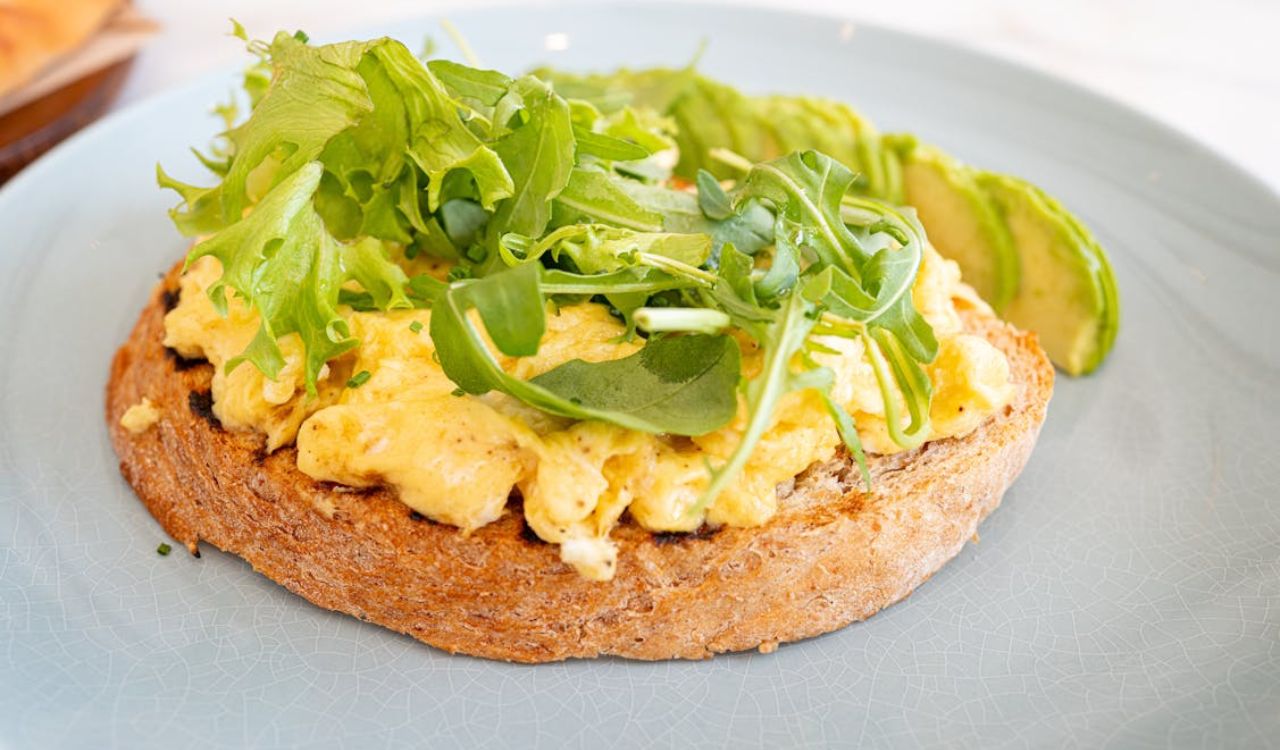
The renewed interest in French scrambled eggs reflects a broader shift toward technique driven cooking. Home cooks are increasingly interested in why methods work, not just how to follow recipes.
This aligns with the popularity of food science based resources and chef led instructional content. Techniques that emphasize control, precision, and understanding ingredients are gaining traction across home kitchens.
French scrambled eggs also fit modern preferences for rich texture without heavy additives. The method delivers creaminess using only eggs and butter, appealing to cooks who value simplicity and ingredient integrity.
Mastering the French Scramble
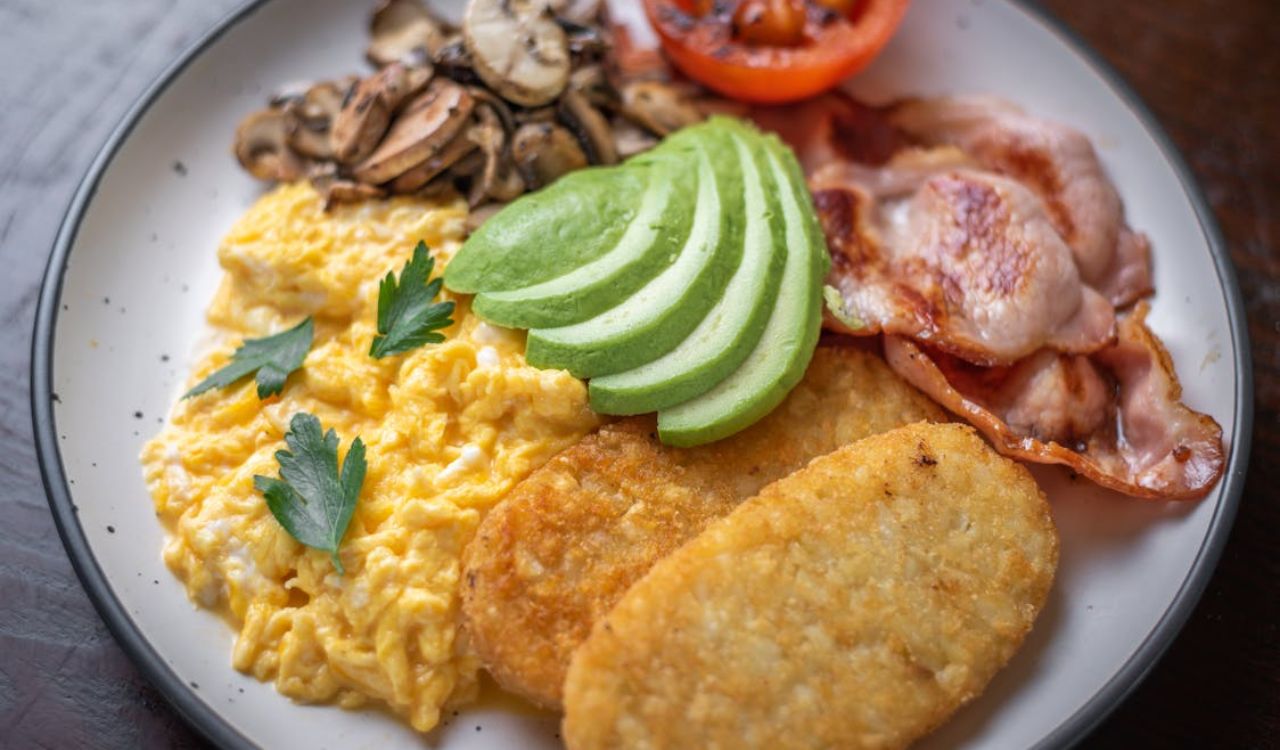
French style scrambled eggs demonstrate how small changes can dramatically improve results. Starting with cold eggs and a room temperature pan may feel counterintuitive, but it creates the ideal conditions for silky curds.
The technique rewards patience and attention rather than speed. Once mastered, it becomes reliable and adaptable. Whether served plain, topped with herbs, or paired with toast, the eggs stand on their own.
Perfect scrambled eggs are less about secret ingredients and more about understanding heat. The French method proves that slowing down is sometimes the fastest way to get it right.
References
The French trick that makes scrambled eggs silky every time- MSN.com
On Food and Cooking- Moodle.net
Jacques Pépin makes classic scrambled eggs- PBS.org
Fluffy Scrambled Eggs- SeriousEats.com