9 Viral Food Hacks That Look Smart but Complicate Everything

Food hacks are supposed to make life easier, but not all of them follow through on that promise. Many viral trends are built around visuals and novelty rather than practicality. They look clever in short videos, with quick cuts and perfect results, but the real process behind them is often more time-consuming and less efficient than expected.
Here’s the thing. A good food hack should simplify cooking, reduce effort, or improve the result in a meaningful way. But some of the most popular ones do the opposite. They add extra steps, create more cleanup, or turn simple meals into complicated projects. That gap between how they look and how they actually work is why people start to question them after trying them once.
1. Wrapping Ramen in Rice Paper Turns a Quick Meal Into a Project
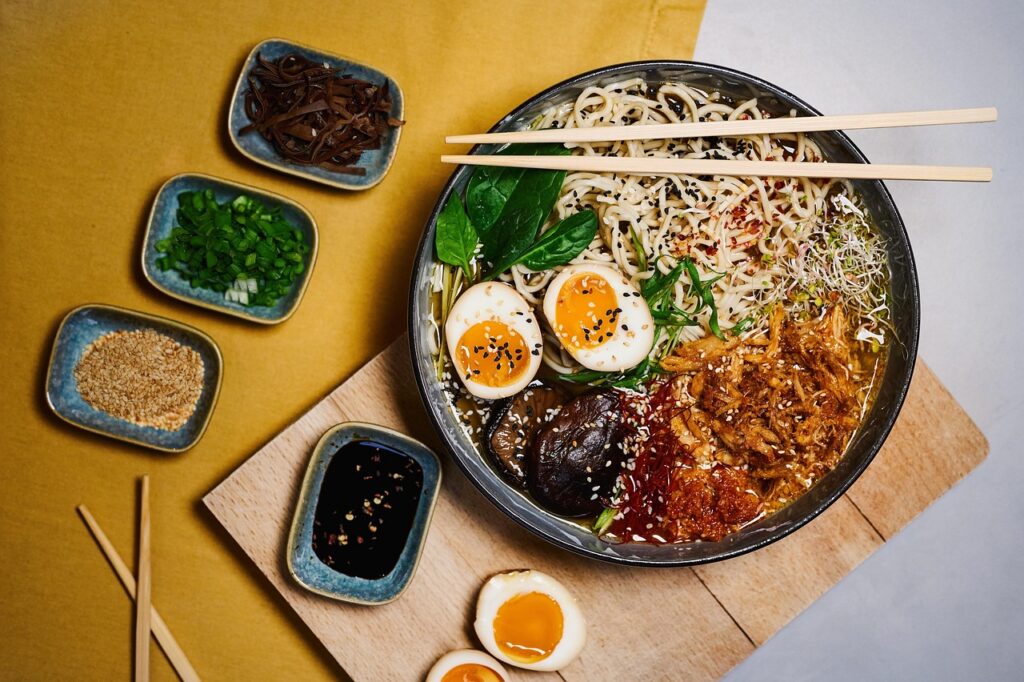
Ramen is popular because it is fast, simple, and requires minimal effort. The viral version that wraps cooked noodles in rice paper changes that entirely. Instead of a quick boil and seasoning, you now have to prepare wrappers, assemble portions, and often pan-fry or steam them again.
The added steps do not necessarily improve the final result. The texture shifts from soft noodles to something chewier and more layered, which can feel less satisfying for people who enjoy ramen in its original form. The flavor also remains largely the same since the seasoning does not fundamentally change.
What this really does is turn a convenience food into a multi-step recipe without adding meaningful value. It looks creative on camera, but in practice, it removes the main reason people reach for ramen in the first place.
2. Baked Feta Pasta Looks Effortless but Adds Hidden Work
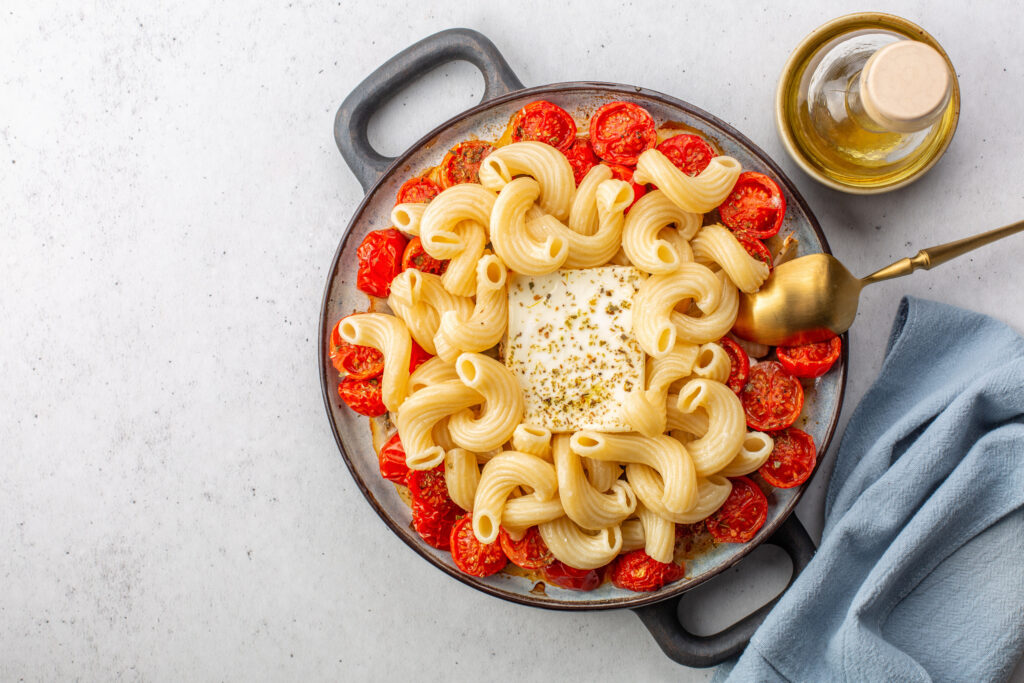
Baked feta pasta gained attention because of its simple concept. Place feta and tomatoes in a dish, bake, and mix with pasta. On the surface, it seems easier than traditional sauces, but the process involves more steps than it appears.
You still need to cook pasta separately, monitor the baking time, and combine everything at the right moment to get the desired texture. The dish also uses an oven, which adds time and energy compared to quicker stovetop options.
The result can be good, but it is not necessarily simpler. It shifts effort rather than reducing it, and the cleanup often includes multiple dishes. For something promoted as easy, it ends up being more involved than expected.
3. Fruit Roll-Up Ice Cream Wraps Turn Dessert Into a Waiting Game
This trend combines ice cream with fruit roll-ups that harden when cold, creating a crisp shell. While the idea is visually appealing, it requires precise timing and quick handling to get the texture right.
You have to unwrap the candy, add the ice cream, fold it quickly, and often deal with melting before the wrap sets properly. The process can become messy, especially in warmer environments where the ice cream softens too fast.
In the end, the result does not offer much beyond novelty. It is still ice cream with a sweet wrapper, but with added effort and less control. What looks fun online often feels inconvenient in a real kitchen.
4. Chopping Sandwiches Adds Steps Without Improving the Outcome
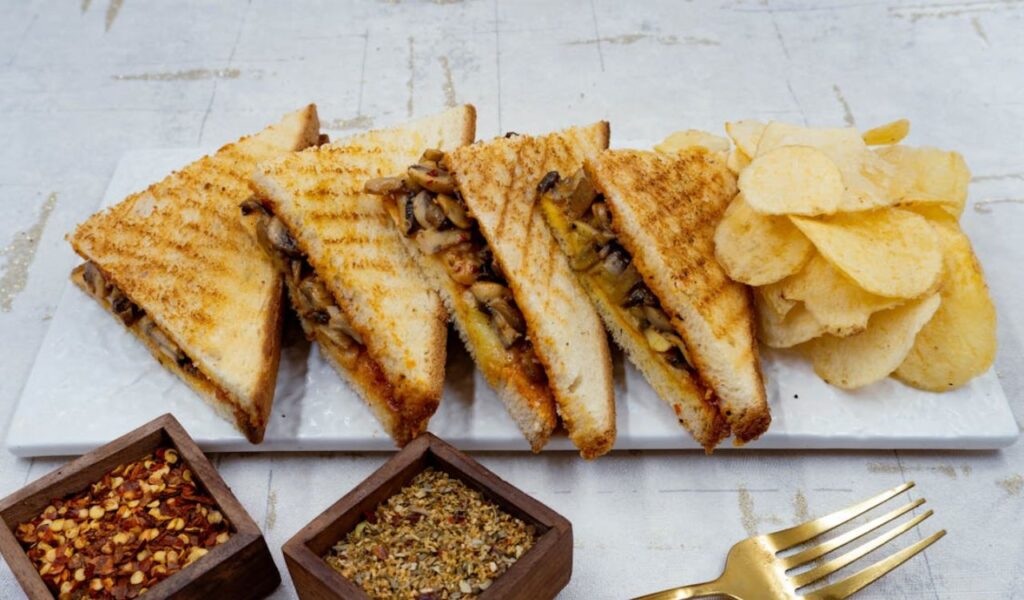
The chopped sandwich trend involves cutting all ingredients into small pieces and mixing them before assembling the sandwich. It changes the texture and presentation, but it also adds extra preparation time.
Instead of layering ingredients quickly, you now need to chop, mix, and often handle more cleanup. The flavor remains similar because the same components are used, just arranged differently.
For many people, the traditional method is faster and just as effective. The chopped version may look different, but it does not necessarily improve taste or convenience. It is a visual change more than a practical one.
5. Overloaded Mug Cakes Complicate a Simple Microwave Fix
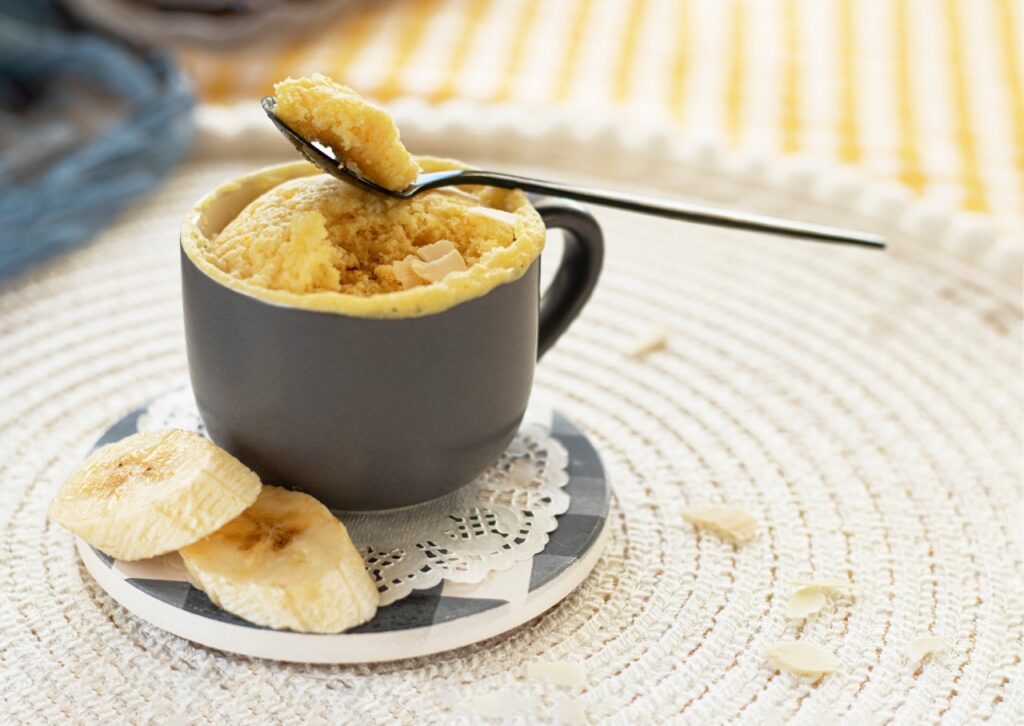
Mug cakes are designed to be quick desserts that require minimal ingredients and time. Viral versions often add multiple layers, toppings, and mix-ins, turning a simple recipe into something more complex.
These additions can affect how the cake cooks. Extra ingredients may lead to uneven texture, with some parts overcooked while others remain underdone. The balance that makes mug cakes appealing is easily disrupted.
What starts as a fast solution becomes a trial-and-error process. The simplicity that defines mug cakes gets lost, making them less reliable and less convenient than intended.
6. One-Pan Hacks Often Create More Cleanup Than Expected
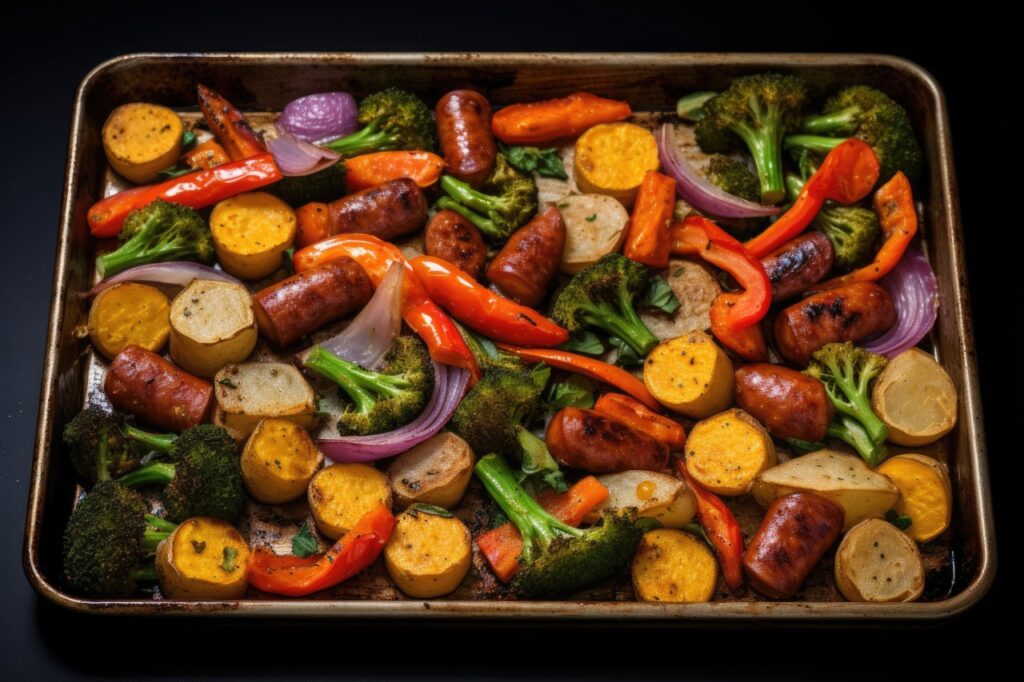
The idea of cooking everything in one pan sounds efficient. Viral hacks often promise less cleanup by combining multiple ingredients in a single dish. In practice, this can lead to overcrowding and uneven cooking.
When too many elements are added at once, some may cook faster than others, requiring adjustments or additional steps. Ingredients can stick, burn, or release moisture in ways that affect the entire dish.
Instead of simplifying the process, it can make it harder to control. The cleanup may also become more difficult if food is stuck or overcooked. What looks efficient can end up being more complicated.
7. Copycat Fast Food Hacks Add Cost and Complexity
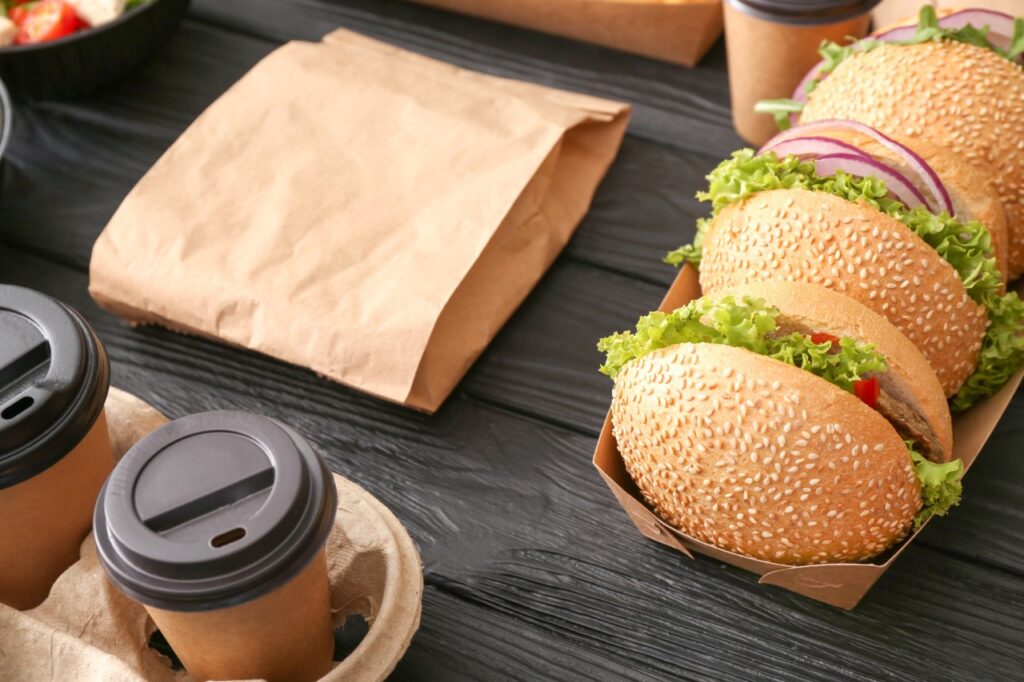
Recreating fast food items at home can be appealing, but viral hacks often require a long list of ingredients and multiple preparation steps. The process can involve sauces, marinades, and assembly that go beyond simple cooking.
While the goal is to replicate a familiar taste, the effort and cost can outweigh the benefit. Many of these recipes require specialty ingredients that are not used regularly, which adds to the overall expense.
The result may come close, but it rarely matches the convenience of the original. For many people, the time and resources involved make these hacks less practical than they appear.
8. Layered Snack Hacks Focus on Looks More Than Eating Experience
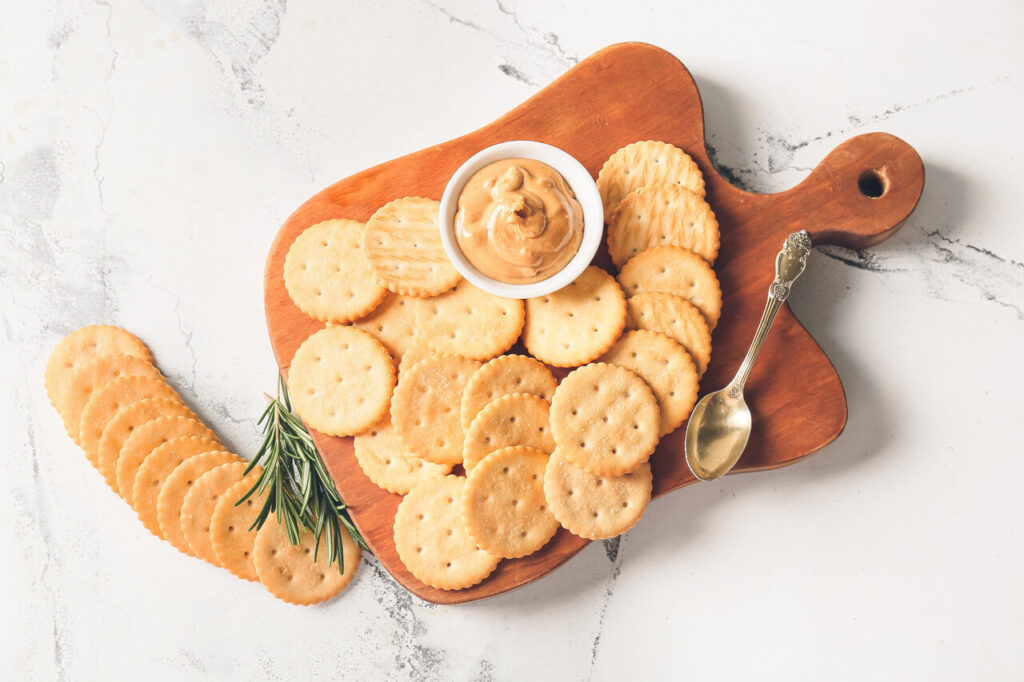
Layered snack trends often prioritize visual appeal, stacking ingredients in ways that look impressive on camera. While they may look organized, they are not always easy to eat or serve.
These setups can make it difficult to get balanced bites, with some layers overpowering others. The structure may also fall apart once handled, reducing the neat appearance that made it appealing.
In real use, simplicity often works better. Snacks that are easy to grab and eat tend to be more practical. The focus on presentation can overshadow usability, making these hacks less functional.
9. Extreme Flavor Combos Rely on Shock More Than Taste
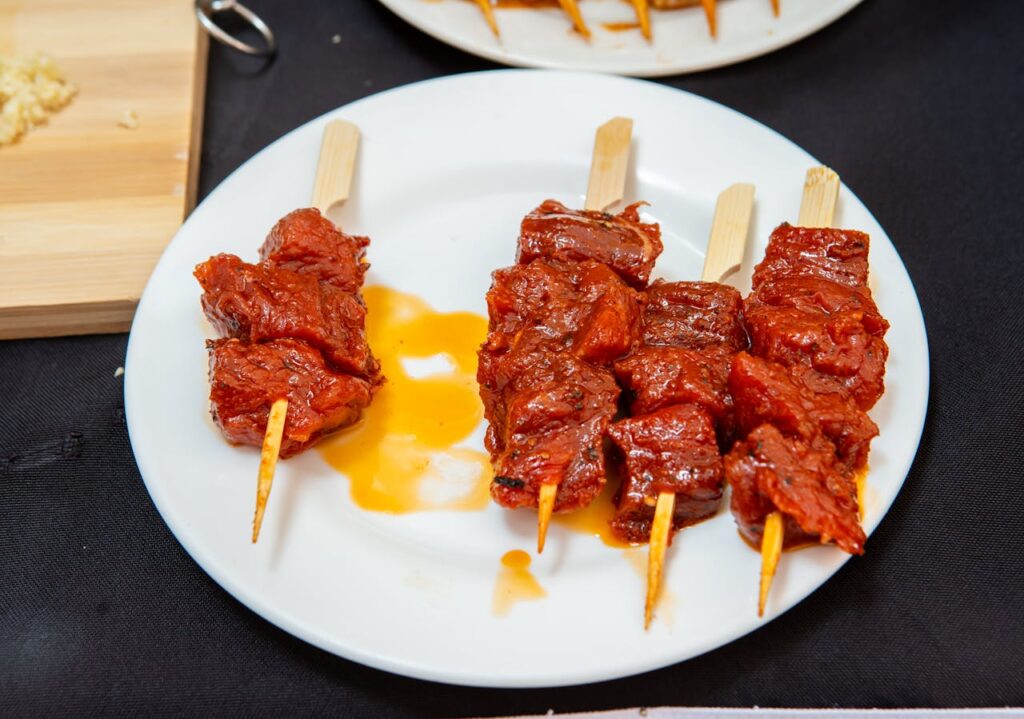
Combining unexpected flavors like ice cream with hot sauce or unusual pairings can attract attention quickly. These combinations are designed to surprise, which is why they spread easily online.
However, not all contrasts work well together. Strong flavors can clash rather than complement each other, leading to results that are more confusing than enjoyable. The novelty often fades after the first try.
These hacks highlight experimentation, but they are not always meant for regular use. They succeed as content because they are unusual, not because they improve the eating experience.