Whole Foods Market Have These 8 Store Brand Strategy That’s Working

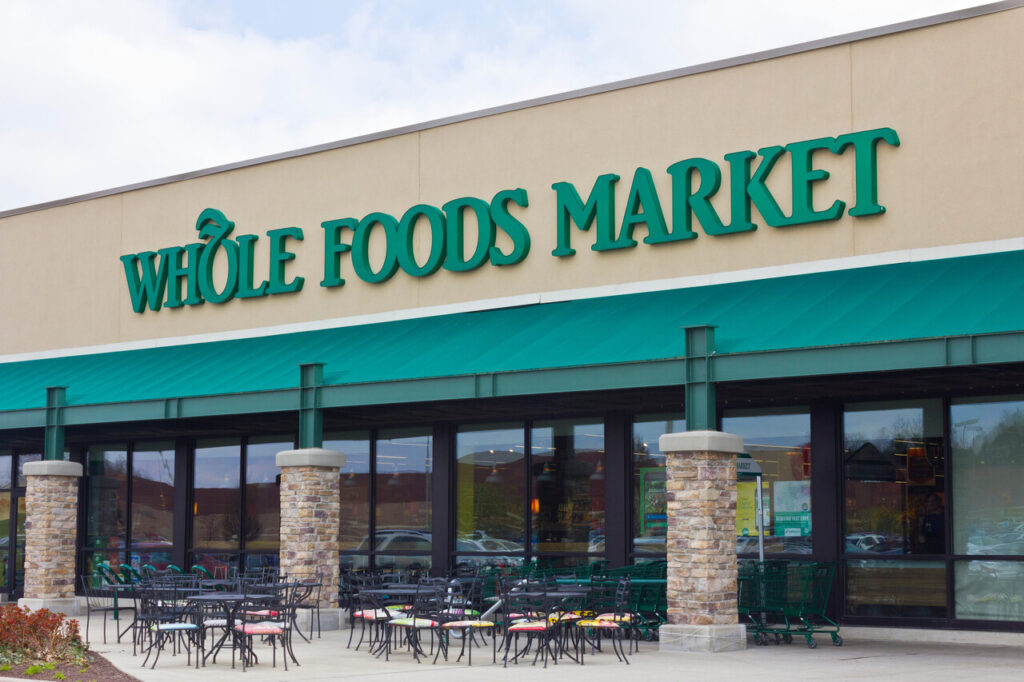
Whole Foods Market has never treated its store brands as simple alternatives to national labels. From the beginning, they have been built as a core part of how the store defines itself. Walk through any aisle, and you will see that these products are not just filling shelf space. They are shaping how shoppers think about price, quality, and trust all at once.
What makes the strategy work is balance. There is a clear effort to make everyday items feel more accessible while still holding onto a premium identity. At the same time, ingredient standards, sourcing practices, and store presentation all reinforce a consistent message about quality. It is not one tactic doing the work. It is how everything fits together.
That combination is why the approach continues to hold up. The products feel intentional, and the experience around them makes that intention easy to believe.
1. The 365 Line That Quietly Reshapes Price Expectations

Walk into Whole Foods, and the 365 Everyday Value line immediately signals something important. This is where the store softens its premium reputation without stepping away from its core identity. The products sit alongside national brands but often come in at a lower price, creating a reference point that makes the rest of the store feel more accessible.
This pricing anchor works because it shifts perception. Shoppers may still spend more overall, but the presence of a value tier reduces sticker shock. It gives customers a sense that they can shop selectively and still stay within budget. That balance is critical for retaining a wider customer base.
What makes it effective is consistency. The 365 label appears across categories, from pantry staples to frozen foods. That repetition builds familiarity and trust, which encourages repeat purchases without requiring constant comparison shopping.
2. Premium Store Brands That Make Higher Prices Feel Justified
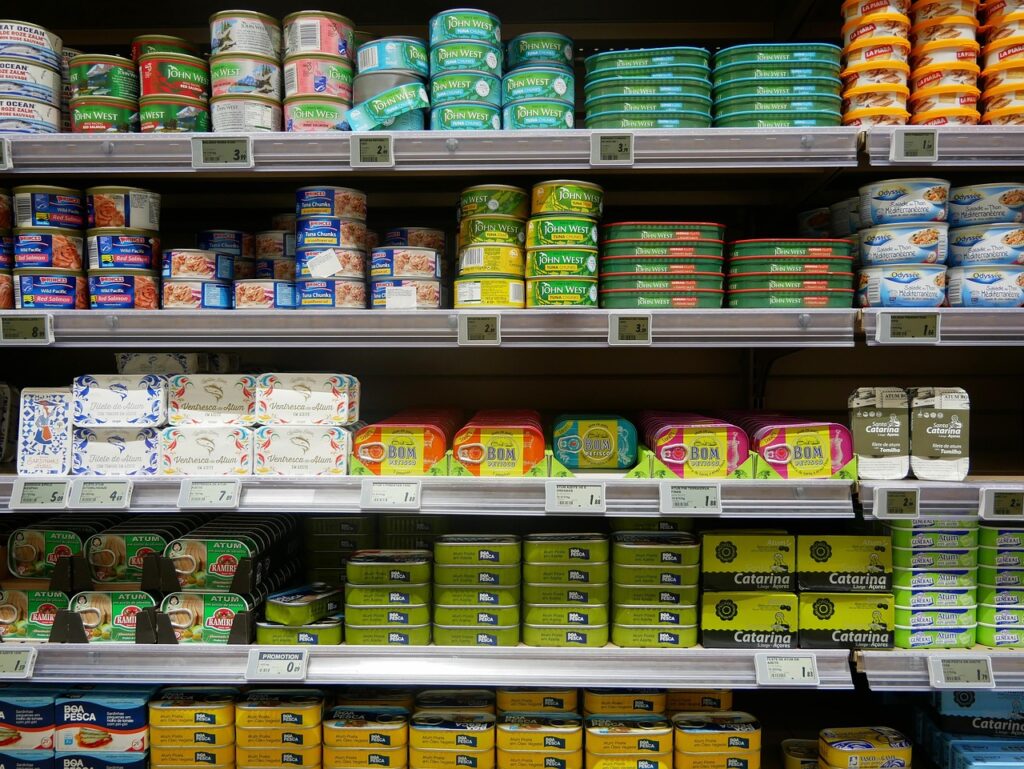
Whole Foods does not rely on value alone. It also leans into premium private labels that highlight quality, sourcing, and craftsmanship. These products often sit at higher price points, but they are positioned to feel worth it.
Premium branding works by emphasizing attributes that go beyond basic function. Packaging, ingredient sourcing, and product stories all contribute to the perception of higher quality. Shoppers are not just buying food. They are buying into a standard that feels more carefully curated.
This approach allows Whole Foods to maintain strong margins while reinforcing its upscale identity. Customers who are willing to pay more feel validated in their choice because the product aligns with their expectations of quality.
3. Ingredient Standards That Build Long-Term Trust
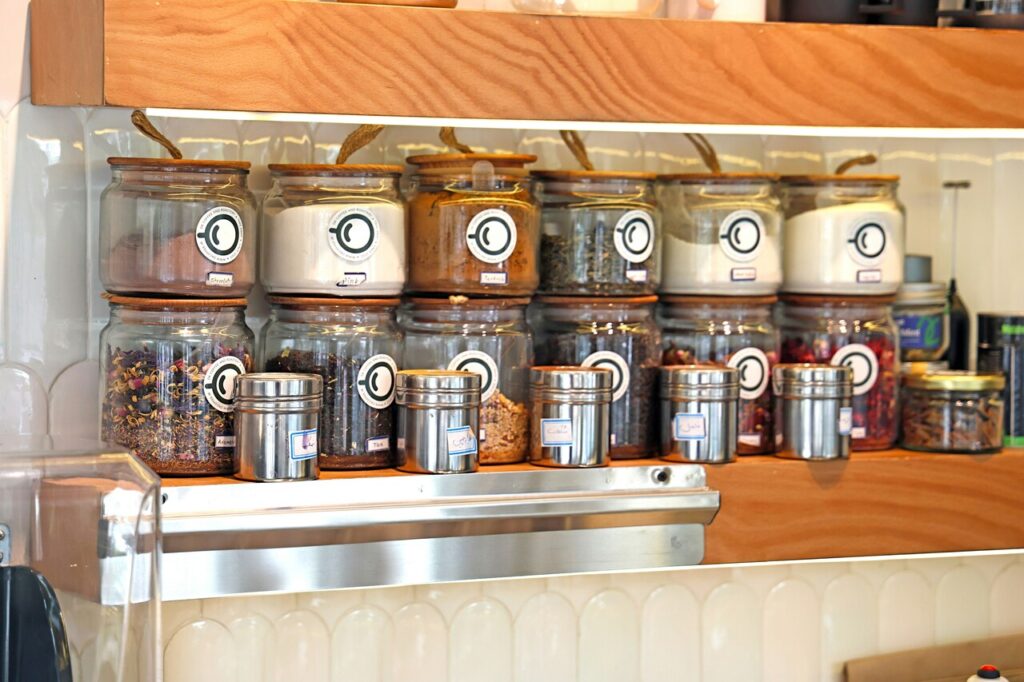
One of the most defining aspects of Whole Foods’ strategy is its strict ingredient standards. The company has long avoided certain additives, preservatives, and artificial components in its store brand products.
These standards act as a form of quality control that customers can rely on without needing to read every label in detail. Over time, this builds trust. Shoppers begin to associate the store brand with a baseline level of quality and transparency.
Trust reduces friction in decision-making. Instead of comparing multiple options, customers can choose a store brand product with confidence. That simplicity is a powerful driver of loyalty.
4. Tiered Branding That Covers Multiple Customer Needs

Whole Foods uses a layered approach to its private labels, offering both value-oriented and premium options. This tiered structure allows the store to serve different types of shoppers within the same space.
Some customers prioritize price, while others focus on quality or specific attributes like organic certification. By offering multiple tiers, the store can meet these varying expectations without forcing a single approach.
The strategy also encourages trade-offs. A shopper might save on basic items through the 365 line and then spend more on specialty products. This mix keeps overall spending balanced while still feeling intentional.
5. Ethical Sourcing That Adds Meaning to Purchases

Sourcing practices play a central role in how Whole Foods positions its store brands. Many products highlight fair trade, animal welfare, or environmentally responsible sourcing.
These details matter because they add context to the purchase. Shoppers are increasingly interested in where their food comes from and how it is produced. Ethical sourcing provides transparency and reinforces the brand’s values.
The impact goes beyond marketing. It creates a sense of alignment between the store and its customers. When people feel their purchases reflect their values, they are more likely to remain loyal.
6. The Store Experience That Reinforces Product Value
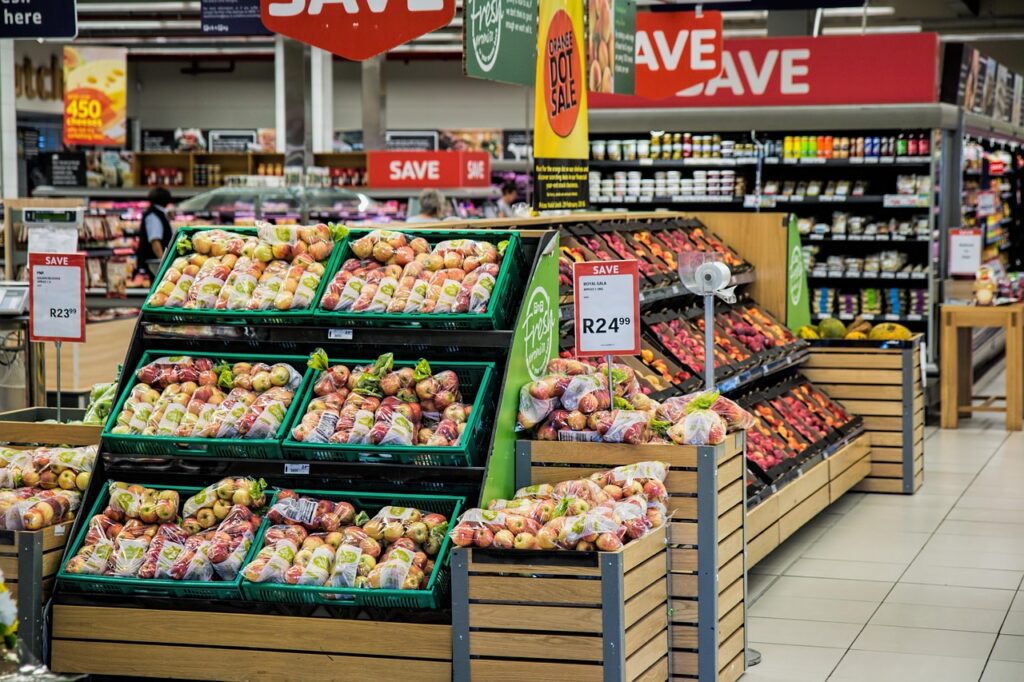
Whole Foods stores are designed to feel different from traditional supermarkets. Layout, lighting, and product placement all contribute to a more curated shopping experience.
This environment supports the store brand strategy by reinforcing quality at every touchpoint. Products are not just placed on shelves. They are presented in a way that highlights their appeal and purpose.
The experience influences perception. When the store feels premium, the products inside it inherit that impression. This makes even store brand items feel more elevated than they might in a different setting.
7. A Curated Selection That Simplifies Decisions
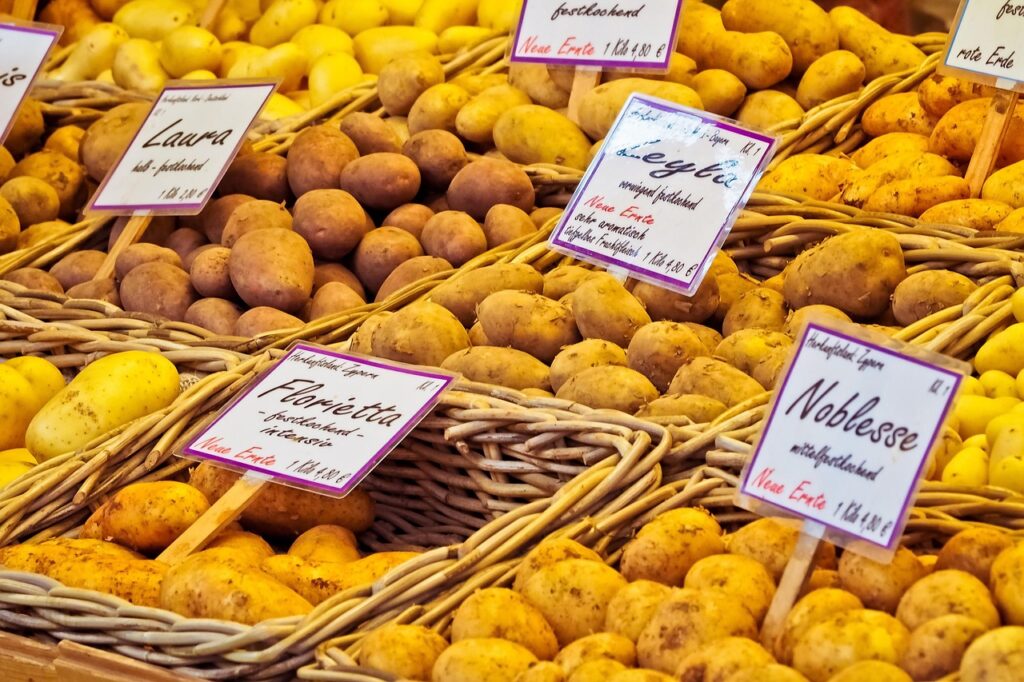
Unlike many large grocery chains, Whole Foods does not overwhelm shoppers with endless choices. The selection is more limited, but each product is chosen to meet specific standards.
This curation reduces decision fatigue. Instead of comparing dozens of similar items, shoppers can choose from a smaller set of options that have already been vetted. That makes the shopping process faster and less stressful.
The benefit for the store is consistency. By controlling the range of products, Whole Foods can maintain a clear identity and ensure that its store brands remain central to the assortment.
8. Health and Lifestyle Positioning Built Into Every Product

Whole Foods does not treat health as a separate category. It is built into the overall identity of its store brands. Products often highlight attributes like organic ingredients, plant-based formulations, or functional benefits.
This positioning aligns with broader consumer trends. Many shoppers are looking for foods that support specific goals, whether that is better nutrition, dietary preferences, or overall wellness.
The strength of this approach lies in integration. Health is not presented as an add-on. It is part of the product from the start. That consistency helps Whole Foods maintain its reputation as a destination for mindful shopping.