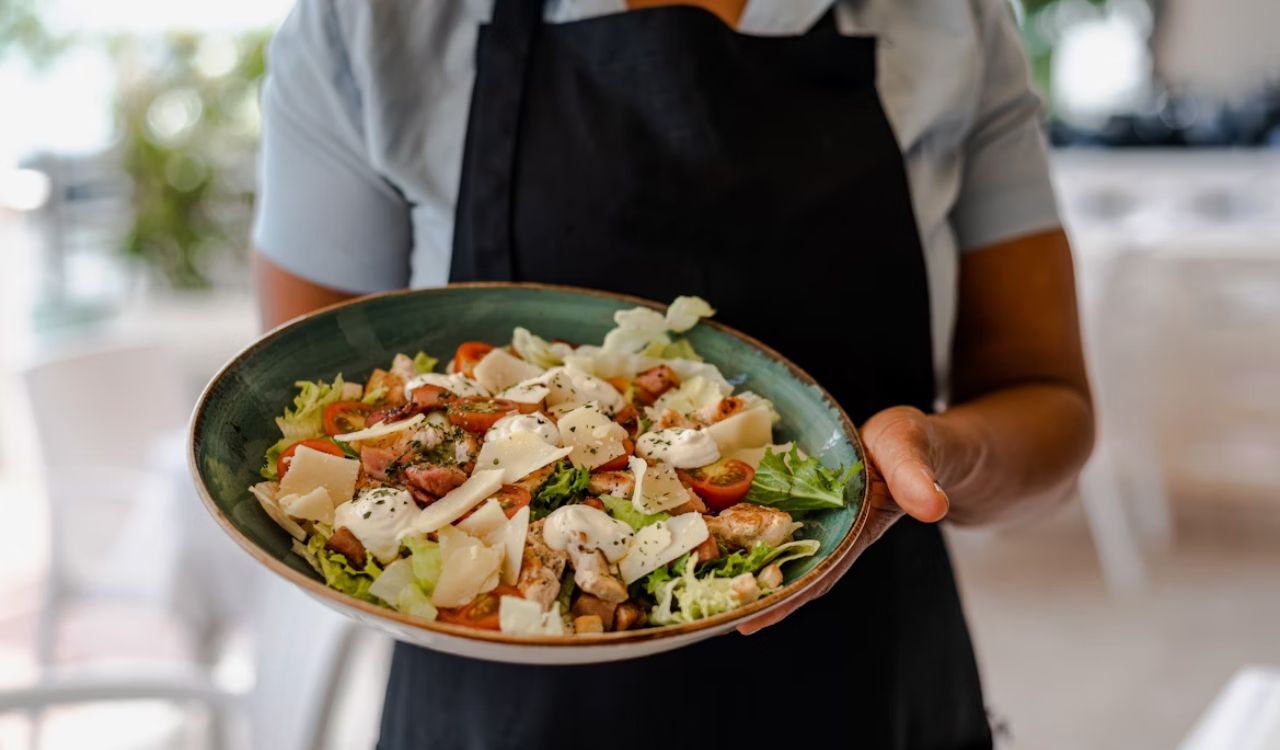
Why Traditional Cooking Methods Are Gaining New Interest

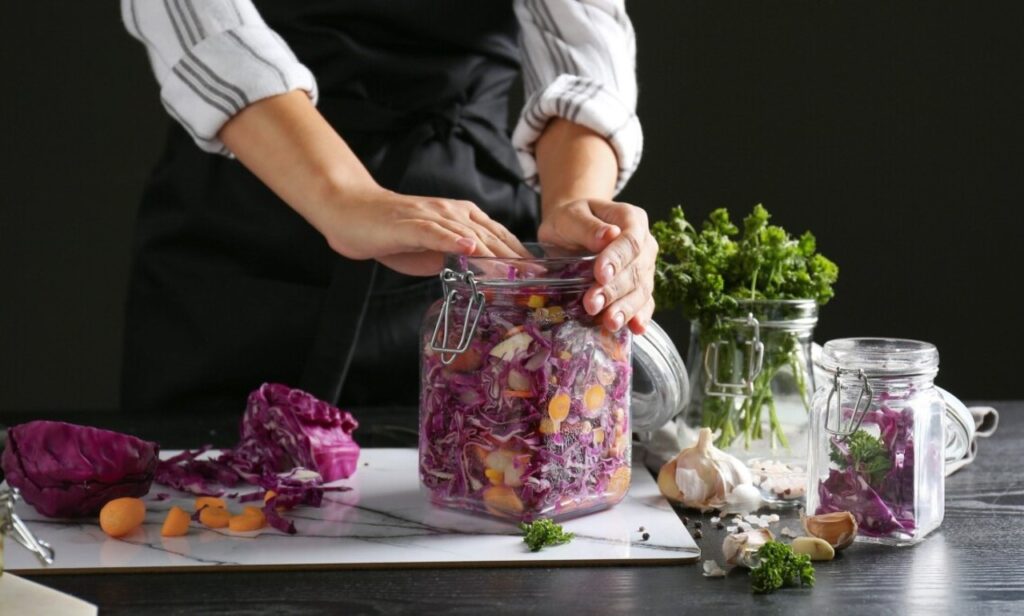
There is a quiet shift happening in kitchens around the world, where old methods are finding new meaning. What was once seen as slow or outdated is now valued for its depth, care, and authenticity.
People are beginning to look beyond convenience, choosing techniques that bring out richer flavors and a stronger connection to what they eat. This reflects a deeper awareness of how food is prepared.
Traditional cooking methods offer more than taste. They carry stories, skills, and cultural roots that add meaning to every dish, making the experience feel more complete.
From home kitchens to restaurant menus, these practices are being rediscovered and adapted to fit modern lifestyles without losing their essence.
As this revival continues, it is clear that traditional cooking is not returning by chance. It is embraced as a more thoughtful and rewarding way to prepare and enjoy food.
The Rise of Authentic Cooking
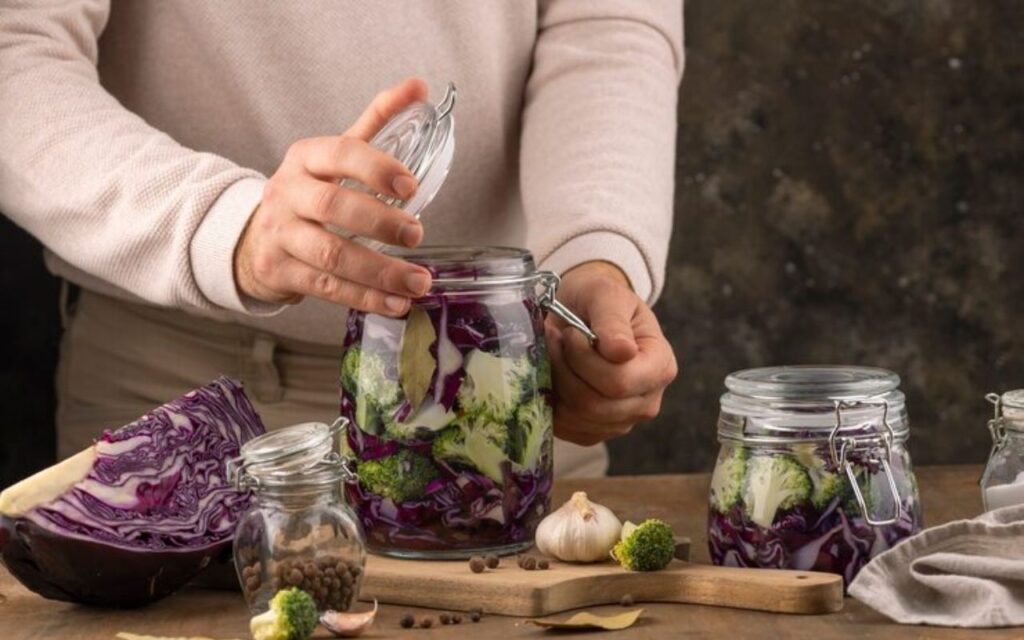
What is driving the renewed interest in traditional cooking is a growing demand for authenticity in how food is prepared and experienced. People are becoming more aware of how shortcuts can alter taste, leading them to seek methods that preserve original flavors.
Authentic cooking often relies on time-tested techniques such as slow simmering, open-fire cooking, or fermentation. These methods enhance depth and complexity in ways that faster processes cannot easily match.
Restaurants and home cooks alike are responding by highlighting authenticity as a key value. This includes showcasing traditional tools, techniques, and preparation styles.
As a result, authentic cooking is no longer seen as outdated but as a meaningful way to reconnect with food in its most genuine form.
The Return of Traditional Skills
A noticeable trend is the revival of hands-on cooking skills that were once considered essential. Techniques like grinding spices manually, slow roasting, and preserving foods are gaining attention again.
These skills require time and effort, but they offer greater control over flavor and texture. This hands-on approach allows cooks to understand ingredients more deeply.
There is also a growing interest in learning these skills through workshops, family traditions, and online content. This has made traditional methods more accessible to modern audiences.
For many, mastering these techniques brings a sense of accomplishment and connection to culinary heritage. It transforms cooking from a task into a meaningful activity.
This return to skill-based cooking highlights a shift away from convenience toward craftsmanship and intentional food preparation.
The Shift Toward Natural Methods
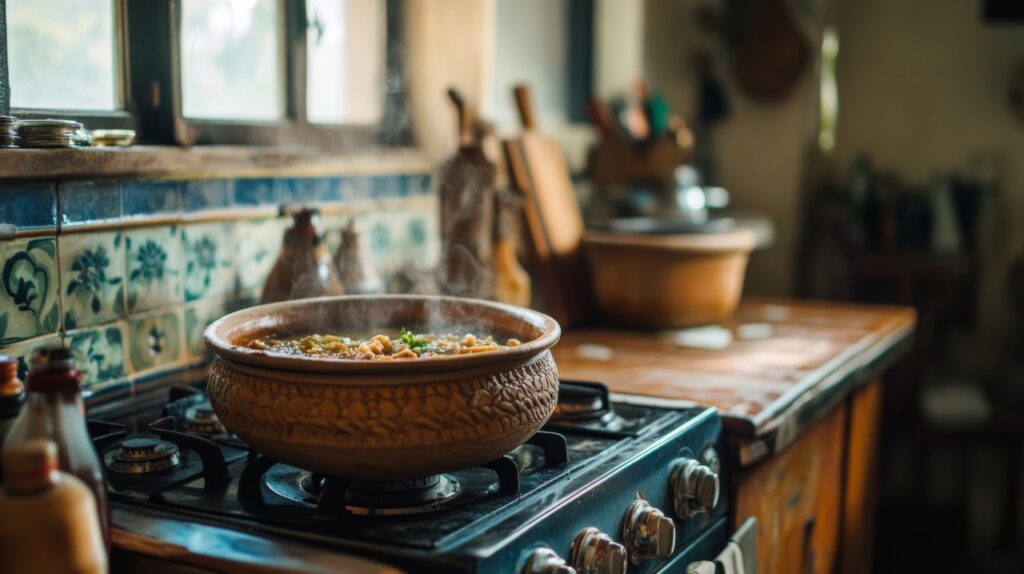
Health awareness is playing a major role in the return of traditional cooking methods. Many people associate these methods with fewer additives and less processing.
Traditional techniques often rely on natural processes like fermentation, sun-drying, and slow cooking, which can enhance both flavor and nutritional value.
There is also increasing concern about artificial ingredients and heavily processed foods. This has encouraged people to choose methods that feel more natural and transparent.
Cooking with fewer shortcuts allows for better control over ingredients, which appeals to those focused on clean and mindful eating.
This shift reflects a broader movement toward simplicity, where food is prepared in ways that align more closely with its original state.
The Role of Cultural Heritage
Traditional cooking methods are deeply tied to cultural identity, making their revival an important way of preserving heritage. Recipes and techniques are often passed down through generations, carrying stories and traditions with them.
As globalization increases, there is a growing desire to protect and celebrate these unique culinary practices. This has led to renewed interest in regional and traditional cooking styles.
Food has become a way for people to reconnect with their roots, especially in communities where traditions risk being lost.
Restaurants and chefs are also embracing this by highlighting regional techniques and ingredients in their menus.
This focus on cultural heritage ensures that traditional cooking remains relevant while continuing to honor its origins.
The Future of Time-Tested Techniques
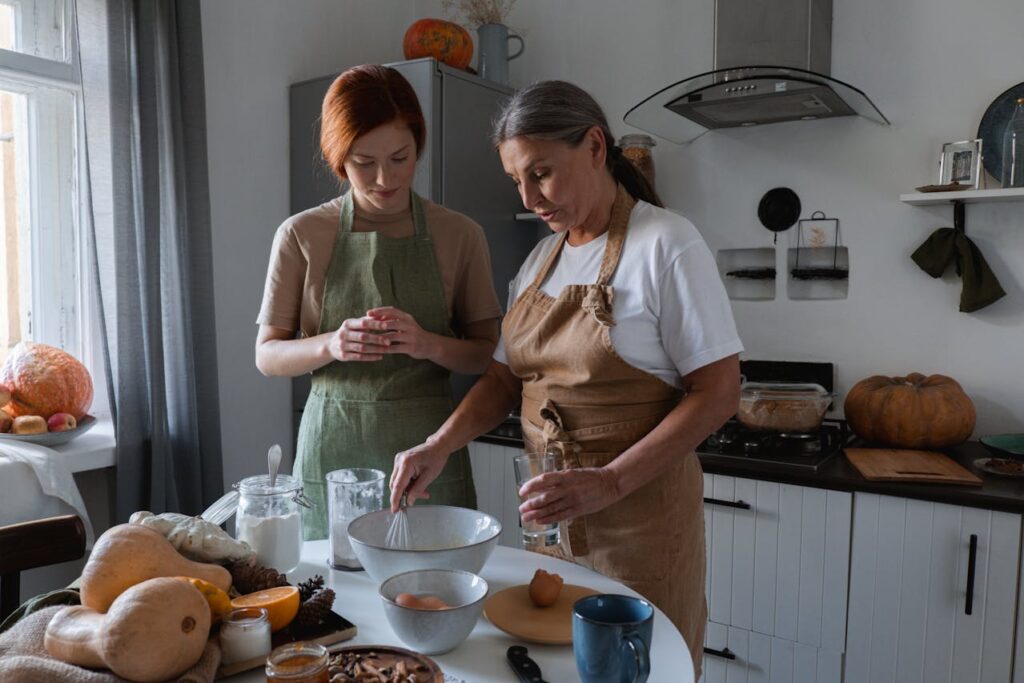
Traditional cooking methods are not just returning; they are evolving to fit modern lifestyles. While the core techniques remain the same, they are being adapted for convenience and efficiency.
Technology is playing a role in this evolution, with tools that replicate traditional methods while reducing effort and time.
Sustainability is another key factor. Many traditional techniques use fewer resources and generate less waste, aligning with modern environmental concerns.
As global interest grows, these methods are being shared and adapted across different cultures, creating new interpretations while preserving core principles.
The future of traditional cooking lies in this balance between preservation and adaptation, ensuring that these time-tested techniques continue to thrive in a changing world.